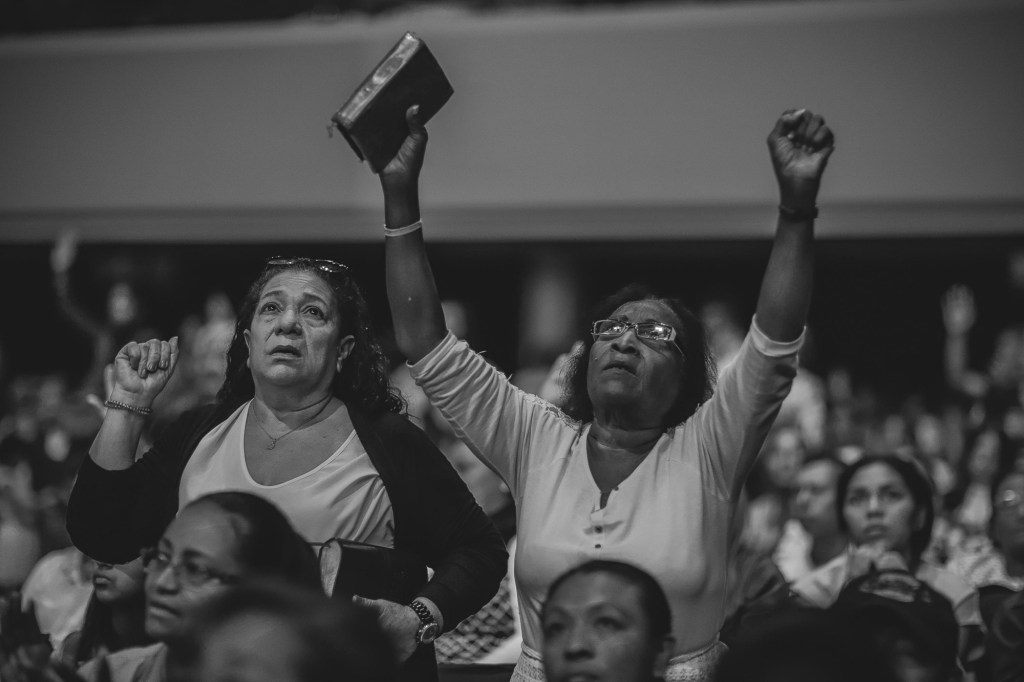
Guidance for Women Facing Abuse in the Home: Finding Hope and Healing – Part 5

Dear sister, if you find yourself facing abuse in your home—whether physical, emotional or verbal —know that you are not alone. The path you are walking may feel overwhelming and isolating, with your heart burdened by shame, fear, or a sense of failure. These emotions can feel especially heavy when your desire to honor God and uphold the sanctity of marriage seems to conflict with your need for safety and peace. You may feel as though seeking help is a betrayal of your faith or your marriage vows. But let me assure you of this powerful truth: You are deeply loved by God, and your safety matters deeply to Him.

Abuse is never part of God’s plan for your life. You were created to be cherished, respected, and loved. No woman should ever feel trapped in a situation where she or her children are in harm’s way. The weight of shame that you may feel is not from God—shame is a tool the enemy uses to isolate, manipulate, and keep you from seeking the help and healing that are available to you. Today, I want to remind you of God’s unfailing love, His justice, and His desire for you to find peace, safety, and healing.

This article is for those of you who have a support system and those who feel isolated or without help. Whether you have trusted family, friends, or church leaders, or if you feel completely alone, there is always hope and help available to you. You are not alone in this journey, and God has promised to guide and protect you.

1. God’s Heart for You: Safety and Justice

God is deeply concerned about those who are suffering, especially those who are oppressed and vulnerable. Psalm 82:3-4 says, “Defend the weak and the fatherless; uphold the cause of the poor and oppressed.” He is close to the brokenhearted (Psalm 34:18), and His heart breaks with yours as you face abuse.

Marriage is meant to reflect God’s love for His Church (Ephesians 5:25-29), and love is selfless, kind, and protective. Abuse distorts this beautiful design. God desires restoration, healing, and wholeness for you—not suffering or harm. You do not have to stay in a place of danger to prove your faithfulness or commitment to marriage. God calls us to protect the life He has entrusted to us, which includes ensuring our physical and emotional well-being.

If you or your children are in immediate danger, your first priority is to seek safety. Leaving the situation temporarily or permanently is not a sign of failure, but an act of love and self-care. God’s heart for you is to be safe, healthy, and protected.

2. Physical Safety: God Cares About Your Protection

If you are facing abuse, remember that God values your safety. 1 Corinthians 6:19-20 reminds us that our bodies are temples of the Holy Spirit, and it’s our responsibility to protect them. If you are in physical danger, taking steps to get to safety is not just a necessity, it is a reflection of your worth in God’s eyes.

Start by creating a safety plan:

Emergency Bag: Pack essential items such as identification, cash, important documents, medications, and a change of clothes.

Safe Places: Identify safe places like a trusted friend’s house, a shelter, or even a public space where you can go if necessary.

Emergency Contacts: Memorize a domestic abuse hotline or the phone numbers of people you trust who can help.

These steps are not about abandoning your marriage—they are about protecting your life, which is precious to God. You deserve to be safe, to be loved, and to live in peace.

3. Shame Has No Place in Christ

The shame that abuse leaves behind can feel all-consuming. It may whisper lies like, “You must have done something wrong,” or “You are a failure as a wife and mother.” But these lies are not from God. You are not to blame for the abuse you are experiencing. Shame keeps you isolated and paralyzed, but God’s truth breaks those chains.

Romans 8:1 reminds us that, “There is now no condemnation for those who are in Christ Jesus.” You are not defined by what has happened to you, but by God’s great love for you. The Bible assures us that God sees your pain and invites you to find rest in Him. Matthew 11:28-30 says, “Come to me, all you who are weary and burdened, and I will give you rest.” His love is unconditional, and He will never abandon you.

4. Biblical Perspectives on Abuse and Separation

For many Christian women, the thought of leaving feels impossible, especially when they are committed to honoring their marriage vows. But it’s important to understand that the Bible does not require you to remain in a dangerous or abusive situation. In fact, 1 Corinthians 7:10-11 speaks of separation as an option when peace and safety are at risk. Separation for safety’s sake is not a failure; it is an act of wisdom and care for yourself and your family.

Separation is not a repudiation of your marriage—it is an opportunity for safety, healing, and, if possible, reconciliation. However, it is important to remember that genuine repentance and transformation must come from the abuser for true healing to occur.

God desires for marriages to be healed, but that healing cannot happen without accountability, safety, and change on the part of the abuser.

5. Reaching Out for Help

• If You Have Support: If you have trusted friends, family, or church leaders, reach out to them. Your church may have counseling services or women’s ministries that can offer guidance and help. Connecting with a Christian counselor who understands the complexities of abuse can also provide a safe space to heal.

If You Have Been Isolated: If your abuser has intentionally isolated you from your support system, it may feel impossible to reach out. But please know that help is available.

Hotlines and Shelters: Domestic abuse hotlines provide confidential support, legal advice, and information about safe shelters.

In the U.S.: National Domestic Violence Hotline (1-800-799-7233 or text “START” to 88788)

In the U.K.: Refuge Helpline (0808 2000 247)

Technology: If it’s unsafe to make calls, some hotlines offer chat or email support. Be sure to use an incognito browser or a trusted device if necessary.

It might feel daunting, but take one step at a time. God will provide the right resources and people to help you navigate this difficult time.

6. Caring for Your Children

If you have children, their safety and emotional well-being are a top priority. Abuse can deeply affect children, even if they are not the direct targets. Proverbs 31:8-9 calls us to speak up for those who cannot speak for themselves. Protecting your children is both a biblical and a practical responsibility.

Here are some ways to care for them in this challenging time:

Provide Stability: Create an environment that feels safe and secure for them, even if it’s temporary.

Reassure Them: Speak to them about God’s love and remind them that the abuse is not their fault.

Seek Support: Reach out to professionals who can help address the emotional needs of your children.

God has entrusted your children to your care, and He will equip you with the strength and wisdom to protect and guide them through this difficult time.

7. Legal Protection and Support

Abuse is never acceptable, and it’s important to know that there are legal protections available to you. Romans 13:1-4 reminds us that governing authorities are servants of God, tasked with upholding justice. Reporting abuse and seeking legal protection is not only acceptable—it is necessary to ensure your safety and that of your children.

Restraining Orders: A restraining order can legally prevent the abuser from coming near you or contacting you.

Reporting Abuse: Report abuse to authorities so that they can investigate and take appropriate action.

Seeking legal protection does not mean you are abandoning your marriage—it is a step toward justice, safety, and the protection that God desires for you.

8. Trusting God Through the Pain

When you feel alone or uncertain, know that God is with you. He is near to the brokenhearted (Psalm 34:18) and will guide you as you seek His wisdom (James 1:5). He understands your pain and promises to work all things together for your good (Romans 8:28).

Pray for clarity and strength. Trust that God sees your suffering and will bring justice in His time. He will never leave you or forsake you.

9. Hope for the Future

Healing takes time, and the road ahead may seem uncertain, but with God, there is always hope. Isaiah 61:3 reminds us that God can bring beauty from ashes. No matter where you are in your journey, God’s love for you remains unwavering. Whether your path leads to reconciliation or long-term separation, God is with you, and He will work all things together for your good.

A Final Word

Sister, please hear this: You are not weak. You are not a failure. You are not alone. You are a beloved daughter of the King, created in His image and worthy of love, respect, and protection. Seeking help is not a betrayal of your faith—it is a step toward safety, healing, and honoring the God who loves you.

Take even the smallest step today—whether it’s reaching out to a trusted friend, contacting a hotline, or praying for strength. God is with you every step of the way, surrounding you with His grace, justice, and love. You are seen. You are cherished. And there is hope.

You are not weak. You are not a failure. You are not alone. You are deeply loved by the King of Kings. Seeking help is not a sign of weakness; it is an act of courage and faith. By doing so, you are stepping into the truth that God desires you to be safe, whole, and restored.

Please note: More support networks and their contact details can be found in this article: Single Mothers Beware: Not Every Man is a Father

——————-

*** Photo by Chalo Garcia at Pexels

When God’s Truth Gets Compromised

Woe to those who call evil good, and good evil; Who put darkness for light, and light for darkness; Who put bitter for sweet, and sweet for bitter! Woe to those who are wise in their own eyes, And clever in their own sight! ~ Isaiah 5:20-24

The connection between rejecting God’s revealed truth and the widespread moral and spiritual failures within the Church is profound. This issue goes beyond cases of abuse or leadership compromise; it strikes at the heart of how the Church perceives and proclaims the authority of God.

The Importance of God’s Design for Marriage

Marriage is not merely a social construct; it is a sacred institution established by God to symbolize the relationship between Christ and His Church (Ephesians 5:31–32). This covenant reflects God’s character, His faithfulness, and His love for humanity. When leaders reject or distort God’s design for marriage, they are not only undermining biblical teaching—they are denying the authority of the Creator Himself.

When a leader aligns with ideologies that contradict God’s revealed pattern for life and sexuality, they are no longer serving the God they are ordained to represent. By accepting cultural redefinitions of marriage and affirming practices contrary to Scripture, they openly reject God’s authority over creation and dismiss His character as good, wise, and loving.

The Assumption:

• If God’s design for marriage is no longer ‘good,’ then God Himself cannot be good, but that is a lie. Psalm 145:9 states, “The Lord is good to all, and his mercy is over all that he has made.”

• If God’s definition of marriage is labeled ‘offensive’ or ‘homophobic,’ then God is cast as a dictator rather than a loving Creator, but that is a lie. John 3:16 states, “For God so loved the world, that he gave his only Son, that whoever believes in him should not perish but have eternal life.”

• If God’s Word is dismissed as irrelevant in modern society, the Church does not lose its foundation or witness, as this claim is a lie. The gates of hell will not prevail against the true Church, which is not confined to manmade denominations but is the community of faithful believers (Matthew 16:18). Scripture, such as Hebrews 4:12, affirms that God’s Word is alive, active, and transformative, reaching the depths of human nature and exposing truth.

When Church leaders publicly reject the biblical definition of marriage, they reject Christ Himself. This is not a small error; it is a profound act of betrayal. Leadership in the Church requires not just personal faith but a commitment to defend and proclaim the truth of God’s Word, no matter the cultural pressures.

The Connection to Abuse and Cover-Ups

This rejection of God’s authority is deeply connected to the Church’s failure to address abuse. The same leaders who abandon biblical teaching on marriage and sexuality are often the ones who prioritize institutional reputation over justice and truth. Both failures stem from a desire to appease societal trends or maintain power rather than honor God and protect His flock.

The many abuse cases demonstrates the disastrous consequences of this approach. When leaders fail to bring sin into the light, they betray victims, misrepresent Christ, and erode trust in the Church. The attempt to cover up abuse is not merely a failure of human judgment—it is a rejection of the gospel’s call to repentance, justice, and restoration.

Cultural Capitulation Harms the Gospel

The broader cultural capitulation to ideologies around marriage, gender, and sexuality has only deepened the Church’s crisis. By aligning itself with these movements, the Church sends a message that God’s Word is outdated or incorrect. This not only leads Christians astray but gives secular ideologies the power to infiltrate and reshape the Church’s teaching.

For instance, under compromised leadership:

• Children are taught unbiblical ideologies in schools, often endorsed by Church policies.

• Faithful Christians are ostracized for upholding Scripture, losing jobs and reputations.

• Sinful behaviors are affirmed, leaving many under the false impression that they are in right standing with God.

These failures have eternal consequences. Scripture warns that those who live unrepentantly in sin will not inherit the kingdom of God (1 Corinthians 6:9). Leaders who affirm sin or fail to call for repentance are complicit in leading others away from salvation.

Rejecting Christ Through Compromise

The rejection of God’s design for marriage is not a mere doctrinal misstep; it is a rejection of Christ Himself. The Archbishop of Canterbury, and leaders like him, disqualify themselves from spiritual leadership by their blatant denial of foundational truths.

The Bible makes clear that leaders will be judged more strictly by God because their actions and words influence others, they have a big responsibility. They’re supposed to guide others toward God and live as good examples. If they lead people the wrong way, they’re held accountable for that (James 3:1). Matthew 7:15–20 warns us to watch out for leaders who seem good on the outside but don’t actually live in a way that honors God. Jesus says you can tell who they really are by their “fruit.”

If a leader’s actions show compromise, dishonesty and cause spiritual harm, they’re not following Jesus faithfully. In fact, they’re going against Him, no matter what they claim. This kind of behavior is “anti-Christ,” opposing what Jesus stands for. When the fruit of leadership is compromise, deceit and confusion, it is evidence of a failure to remain faithful to Christ.

In short: Leaders have a heavy responsibility to lead well. If their actions don’t match their words and they cause harm instead of helping, again, it shows they aren’t being faithful to Christ. That’s why we need to be careful and pay attention to what kind of “fruit” their leadership produces.

This is not a minor issue. Leaders who reject biblical truth about marriage, sexuality, or holiness cannot effectively shepherd God’s people. They have aligned themselves with a worldview that is “at enmity with God” (James 4:4).

A Call to Repentance and Reform

The solution to these intertwined issues—abuse cover-ups and doctrinal compromise—lies in repentance and a return to biblical faithfulness. The Church must:

1. Appoint leaders who are born-again, Spirit-filled, and uncompromising in their commitment to Scripture.

2. Hold leaders accountable to God’s standards, not human traditions or cultural pressures.

3. Confront sin openly and pursue justice for victims, trusting in God’s power to restore and heal.

The Church must reject the temptation to conform to societal ideologies and instead boldly proclaim the truth of the gospel. As Jesus said, “If you hold to my teaching, you are really my disciples. Then you will know the truth, and the truth will set you free” (John 8:31–32).

True freedom—freedom from sin, deception, and spiritual harm—comes only through faithfulness to Christ. Leaders who reject this truth and lead others astray bring judgment upon themselves and harm the Church’s witness.

Let us pray for a revival of truth and faithfulness within the Church. May God raise up leaders who will honor His Word, protect His people, and restore the Church’s commitment to the gospel. Only through His grace can the Church be cleansed and renewed.

————————-

***Based on CEO Andrea Williams article at Christian Concern / Photo by Lil Artsy at Pexels

The Traditions of Men Versus the Word of God

In Mark 7:8, Jesus speaks with profound clarity: “You disregard and neglect the commandment of God, and cling [faithfully] to the tradition of men.” This verse cuts to the heart of an ongoing tension that has existed since the days of Christ: the elevation of human traditions over the divine Word of God. Jesus’ confrontation with the Pharisees reveals a dangerous practice where man-made traditions overshadow and even invalidate God’s commandments.

Traditions: A Challenge in Jesus’ Time

Mark 7:2-9 paints a vivid picture of this confrontation. The Pharisees and scribes, having observed Jesus’ disciples eating with unwashed hands, found fault with them. They weren’t just concerned with hygiene, but with the breaking of religious customs—the “tradition of the elders”—which had become a cornerstone of Jewish religious practice. They viewed this tradition as equal to, or even above, God’s commandments.

Jesus’ response is striking. He calls them hypocrites, quoting Isaiah: “This people honors Me with their lips, but their heart is far from Me.” He condemns their practices, stating, “For laying aside the commandment of God, you hold the tradition of men.” This indictment is as relevant today as it was then. The Pharisees placed their traditions on a pedestal, and in doing so, lost sight of the heart of God’s law. They honored God with outward rituals, but their hearts were far from Him.

The Danger of Tradition Today

In the present age, many Christians find themselves at a similar crossroads. The traditions of men can still creep into our faith, subtly undermining the pure Word of God. Colossians 2:8 warns us to be vigilant: “Beware lest anyone cheat you through philosophy and empty deceit, according to the tradition of men, according to the basic principles of the world, and not according to Christ.” Tradition, when unchecked by Scripture, can lead us into a form of religion that has the appearance of wisdom but lacks the power to transform.

One of the greatest dangers of these traditions is that they often seem harmless or even beneficial. After all, they may have been passed down for generations and become ingrained in our communities and culture. But as 1 Peter 1:17-19 reminds us, we were not redeemed with corruptible things, like silver or gold, “from your aimless conduct received by tradition from your fathers, but with the precious blood of Christ.” Our salvation is not found in human traditions but in the sacrifice of Jesus Christ.

The Pharisees’ Blindness: An Ongoing Struggle

When Jesus rebuked the Pharisees for their traditions, He pointed to the deeper issue of the heart. The Pharisees had developed a system of religion that was all about outward appearances, with rules about washing hands and cleaning vessels (Mark 7:4). But their focus on external purity blinded them to the internal transformation that God desires. As Romans 10:3 states, “They being ignorant of God’s righteousness, and seeking to establish their own righteousness, have not submitted to the righteousness of God.”

This is a profound warning for believers today. If we are not careful, we can also fall into the trap of relying on human traditions or self-imposed practices to define our righteousness. But no amount of religious ritual can make us right with God—only faith in Jesus Christ, submission to His Word, and His finished work on the Cross can do that. No amount of external works or accolades will suffice, for obedience is better than sacrifice.

God’s Commandments are Sufficient

Deuteronomy 12:29-32 gives a stern warning: “Whatever I command you, be careful to observe it; you shall not add to it nor take away from it.” God’s Word is complete and sufficient. We are not to add to it with human traditions, nor are we to take away from it through selective obedience. The Scripture is clear: anything that detracts from the purity of God’s Word is not to be followed.

Traditions often evolve over time and may start with good intentions, but they can lead us away from the truth of the Gospel. In Matthew 15:1-9, Jesus again confronts the Pharisees, accusing them of transgressing the commandments of God in favor of their traditions. Their interpretation of the law had become twisted, allowing them to bypass God’s true commands—such as honoring father and mother—while upholding human rules that seemed religious.

Direct Access to God Through Christ

One of the most beautiful gifts that Christians have is direct access to God through Jesus Christ. As believers, we are not bound by the traditions of men that create barriers between us and God. The veil has been torn (Matthew 27:51), and we can approach the throne of grace with confidence (Hebrews 4:16). Through the sacrifice of Jesus, we have the privilege of a personal relationship with God. We no longer need a human intermediary to offer sacrifices or perform rituals on our behalf.

Because Jesus is our mediator, we have the incredible privilege of direct communication with God through prayer. He intercedes for us (Romans 8:34), making our prayers effective and heard by the Father. This divine access reminds us that our relationship with God is intimate and unbroken, secured through Christ’s finished work on the cross, as He alone died for our sins.

Conclusion: Cling to God’s Word, Not Man’s Tradition

The Word of God is living and powerful (Hebrews 4:12). It is our guide, our light, and our foundation. We must be careful not to allow human traditions—however well-meaning they may seem—to overshadow the authority of Scripture. Galatians 1:8 gives a sobering warning: “But even if we, or an angel from heaven, preach any other gospel to you than what we have preached to you, let him be accursed.” This shows the seriousness with which we must guard the purity of God’s Word, for Jesus Himself warned, “Get away from Me; I never knew you, you who practice disobedience” (Matthew 7:23). To neglect the truth of Scripture and substitute it with human traditions is to risk eternal separation from God.

As born-again believers, our allegiance is to Christ alone, not to any denomination, human traditions, or rituals. Let us examine our hearts and lives to ensure that we are following the Word of God rather than the traditions of men. Only by doing so can we worship God in spirit and truth (John 4:24), honoring Him with our lives and not just our lips. Our faith must be rooted in a personal relationship with Jesus, guided by His Word, and not defined by external affiliations or practices.

When A Spiritual Leader Falls From Grace

This is what the LORD says: “Cursed is the one who trusts in man, who depends on flesh for his strength and whose heart turns away from the Lord.”Jeremiah 17:5

When Spiritual Leaders Fall: How to Stay Strong

A lot of Christians face moments when a spiritual hero falls. This could be a father, coach, mentor, pastor, or leader—someone you admire, whose books you read or whose ministry you follow. The awareness that they’ve fallen can deeply shake any believer’s faith. Here are a few ways to recover and remain strong when faced with instances like this.

Understand This to Remain Unmovable

1. Miracles Are a Sign That God Is Good, Not a Confirmation of a Minister’s Integrity

When you discover that a minister you follow has had a moral failing, scandals surface, and your faith might get shaken. Many become distrustful, skeptical, and afraid, closing their hearts to new leaders.

I experienced this at 16 or 17 when a gentleman, whom God used in another country, fell. I had followed him closely—buying every book he had, listening to every sermon, and trying to pray and fast like he did. But when I found out about his immoral behavior, it shook me. You go from admiring them to suddenly distrusting all leaders. This skepticism can settle in your heart, making it difficult to trust again.

It’s important to understand that while miracles are a sign that God is good, they do not always confirm that the minister is good. When people are used by God for miracles like prophesying, healing, or deliverance, we often assume it’s because of their holiness. However, this view is incomplete and inaccurate.

2. It’s the Devil’s Goal to Allow the Minister to Rise as High as Possible Before a Big Fall

I believe that sometimes the devil allows a minister to live in secret sin for a long time, allowing them to rise to prominence. When they eventually fall, the damage is much greater. The more well-known the minister, the greater the harm within the body of Christ.

The devil knows this and waits for the right moment to cause the most damage. When a leader with influence falls, it can create widespread distrust and pain among believers.

3. God Is the One Who Brings Hidden Things to Light

Luke 8:17 says, “For nothing is secret that will not be revealed, nor anything hidden that will not be known and come to light.”

God reveals both good and bad things done in secret. He is patient, wanting everyone to come to repentance, but when leaders refuse to repent, God eventually exposes their sin to prevent further harm.

4. When We Notice Unrepentant Sin in Our Leaders, We Can’t Ignore It

Don’t ignore unrepentant sin in your leaders. Address issues like sexual immorality, dishonesty, denial of core doctrines, abuse of power, or lack of self-control in a respectful manner. If leaders isolate followers and demand absolute loyalty, it’s a sign of a cult.

When leaders control aspects of their followers’ lives—associations, living arrangements, finances—and manipulate them through fear, they are leading through a demonic trap of control and witchcraft.

5. You Can Receive a Blessing from a Ministry Without It Being Contaminated

Even if a ministry later falls into scandal, the blessings you received from it are still from God. For example, if Judas gave a gift from Jesus’s ministry fund before his betrayal, the gift was still valid. Similarly, if you were blessed by a ministry that later faced moral failure, those blessings came from God, not the fallen leader, and therefore, they are not contaminated.

How to Heal

Grieve, Don’t Gloat

When leaders fall, it’s painful. Grieve for them instead of gloating. We see in the Bible that Samuel grieved for Saul (1 Samuel 16), and we should do the same for fallen leaders.

Heal with Time

Healing takes time, but with Jesus, it is possible. Spend time in His presence and allow Him to guide you through the process. Don’t let betrayal turn into bitterness. Release unforgiveness and trust that God has a better future for you. Remember, just because one leader fell doesn’t mean all will. God has still raised up good leaders.

Trust Slowly

Forgiveness doesn’t mean instant trust. Trust must be earned over time. It’s important to forgive fallen leaders, but trust is something they need to rebuild.

Be Hopeful

Despite some ministers falling, many others remain strong and faithful. Focus on leaders who demonstrate godly character and consistent good fruit, rather than those who are merely famous. Trust that God can restore what has been lost and bring healing and hope for the future.

Bible Verses to Reflect On

It is better to trust in the Lord than to put confidence in man. It is better to trust in the Lord than to put confidence in princes.Psalm 118:8-9

Trust in the LORD with all your heart, and do not lean on your own understanding. In all your ways acknowledge Him, and He will make straight your paths.Proverbs 3:5-6

There is no distinction: for all have sinned and fall short of the glory of God.Romans 3:23

If we say we have no sin, we deceive ourselves, and the truth is not in us. If we confess our sins, He is faithful and just to forgive us our sins and to cleanse us from all unrighteousness.1 John 1:8-10

“I am the Lord! That is My name! I will not share My glory with anyone else, or the praise due Me with idols.”Isaiah 42:8

—————

By Vladimir Savchuk | © Copyright – Vladimir Savchuk. No changes whatsoever are to be made to the content of the article without written permission from the author at HungryGen. / Photo by Luis Quintero.

Surviving the Woke Madness

In today’s world, many feel that society is shifting in alarming and unsettling ways. What began as a movement to address injustices has spiraled into what many call “woke madness”—a culture that prioritizes ideology over truth, silences dissent, and disregards the concerns of the majority. This challenge is not exclusive to Christians; it affects everyone who values fairness, safety, and freedom of speech. For Christians, these cultural shifts demand a thoughtful response rooted in biblical truth, love, and courage. By standing firm in faith and addressing these issues with clarity, we can offer hope to a world increasingly confused by competing ideologies and suppressed truths.

Pandering to the Minority

One of the most glaring issues in today’s cultural climate is the way society often bends over backward to affirm the demands of a vocal minority, frequently at the expense of the majority of the people, disregarding their needs, feelings, thoughts, identity, values and inherent dignity, bullying them into submission. While Christians are called to care for the marginalized (Micah 6:8), this does not mean affirming every belief or action, especially when it conflicts with truth or violates others’ rights. Take, for example, the growing insistence that women accept biological men in their private spaces, such as restrooms, locker rooms, and sports teams. This compromises women’s safety, privacy, and dignity, while dismissing their legitimate concerns. Adding insult to injury, women are now being rebranded as “cisgender,” a term many find demeaning and erasing. This kind of pandering ignores the rights, feelings, and safety of the majority, forcing them to affirm ideologies they may deeply disagree with. The audacity of such demands is not only unfair but a direct attack on freedom of thought and conscience. As Christians, we affirm that all people are equal in the eyes of God, deserving of dignity and respect, but equality must not come at the cost of truth or the violation of others’ rights.

A Smokescreen of Control

A significant issue behind this movement is the deliberate way media, education, and political systems amplify the voices of a vocal minority while silencing, marginalizing, or demonizing the majority. The media frequently serves as a controlled and biased outlet, crafting narratives that gaslight the public into believing the minority’s views represent universal consensus. This deliberate distortion functions as a smokescreen, suppressing genuine dissent and coercing society into submission under the guise of progress or inclusivity. The consequences are far-reaching: a creeping erosion of fundamental freedoms—free speech, free thought, religious expression, and even parental rights. These alarming trends bear a striking resemblance to tactics employed by authoritarian regimes like China and North Korea, where the state dictates morality, controls speech, and punishes dissent. Practices such as cancel culture, thought policing, and the dismantling of basic liberties are not just isolated events but steps toward a society where fear and compliance replace freedom and truth.

The Illusion of Affirmation and Truth

The woke movement demands that society affirm subjective ideologies, such as fluid definitions of gender and morality. While this may appear compassionate on the surface, it ultimately fosters confusion, division, and harm. Romans 1:25 speaks to this reality: “They exchanged the truth about God for a lie, and worshiped and served created things rather than the Creator.” When society elevates individual feelings over objective reality, the result is chaos and instability. For Christians, affirming falsehoods is not an option. True compassion does not reinforce illusions; it seeks to uphold truth. Only the truth—rooted in God’s Word—has the power to bring genuine freedom and healing, as Jesus said: “You will know the truth, and the truth will set you free” (John 8:32).

The Impact on Families and Children

One of the most troubling aspects of woke culture is its profound impact on children and families. Schools, which should focus on teaching essential subjects like math, science, and reading, are increasingly being used as platforms for ideological indoctrination. Children are encouraged to question their gender, prioritize feelings over biological reality, and even view their parents as barriers to self-expression. Parental rights are being systematically undermined, as schools and governments make critical decisions about children’s identities without consulting their families.

This trend poses a grave danger not only to the stability of families but to society as a whole. The sexualization of children in schools—often justified under the banner of inclusivity—opens the door to harm, exploitation, and confusion. Jesus’ warning in Matthew 18:6 offers a sobering perspective: “If anyone causes one of these little ones—those who believe in me—to stumble, it would be better for them to have a large millstone hung around their neck and to be drowned in the depths of the sea.”

Protecting children is not just a Christian duty but a universal moral imperative. Safeguarding their innocence, well-being, and safety is essential for the health of families and the future of society.

Cancel Culture and the Death of Free Speech

Cancel culture has created an environment where expressing disagreement or holding differing beliefs can result in public shaming, job loss, or even legal consequences. This suppression of dissent is a direct attack on free speech, a foundational principle of any truly free society. For Christians, this challenge is especially pronounced. Biblical views on marriage, gender, and morality are increasingly labeled as offensive or even hateful by some if it opposes their views.

What Can Be Done?

Navigating these challenges requires courage, wisdom, and faith. Here are practical steps for Christians (and others) to stand firm and promote truth:

1. Stay Rooted in Scripture

God’s Word is the ultimate authority. When cultural ideologies conflict with biblical truth, we must remain faithful to God.

2. Expose the Smokescreen

Help others see through the media’s biased narrative. Encourage critical thinking and honest conversations to reveal the truth.

3. Defend Freedom for All

Advocate for free speech, parental rights, and the protection of children. This is not just a Christian issue; it affects everyone who values liberty.

4. Model True Justice

Biblical justice seeks restoration and healing, not division and retribution. Work toward fairness without compromising truth.

5. Pray and Trust God

Cultural battles are spiritual battles. Pray for leaders, teachers, and those caught in confusion, and trust God’s sovereignty in all circumstances.

Conclusion: Standing Firm in Truth and Grace

The rise of woke madness is a challenge for all people, not just Christians. When society panders to a vocal minority, silences the majority, and replaces truth with ideology, the result is division, confusion, and fear. As Christians, we are called to stand as salt and light in the world (Matthew 5:13-16). By speaking truth in love, defending the vulnerable, and remaining steadfast in faith, we can offer a better way—a way rooted in the hope and freedom found in Jesus Christ. The cultural storm may rage, but God’s truth is unshakable. Let us courageously shine His light, knowing that in Christ, we have the ultimate answer to every cultural and spiritual crisis.

__________________

** Photo by Marcin Dampc at Pexels