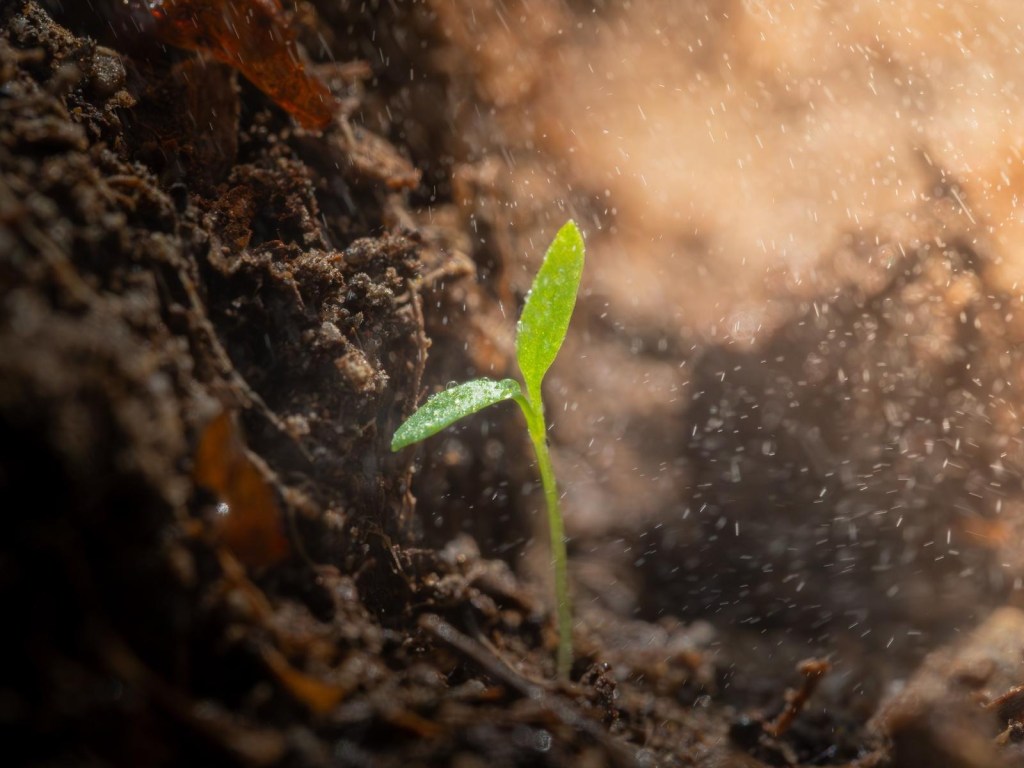
Be The Best Version of YOU!

You were never created to be a copy. You were created to be uniquely, wonderfully, authentically YOU.

In a world full of comparison, pressure, and unrealistic expectations, many people spend their lives trying to become someone else. They compare their appearance, success, personality, relationships, achievements, and even their journey to the lives of others. Social media has made it easy to admire everyone else while forgetting the beauty and value of who we already are.

But the truth is this: you were never designed to be a carbon copy of another person. God did not accidentally create you. He intentionally formed you with purpose, individuality, gifts, personality, and value that no one else on earth carries in the exact same way.

Your fingerprints are unique. Your eye irises are unique. Your voice, your thoughts, your experiences, and your story are completely unique. Out of billions of people, there has never been another you, and there never will be again. That is not random, it’s by God’s design.

When you truly understand that, you stop chasing the exhausting pressure of becoming someone else and start learning how to become the healthiest, strongest, most authentic version of you.

1. Understand Who You Are in Christ

Before the world told you who you should be, God already knew who you were. Your identity is not found in your weight, your income, your relationship status, your followers, your mistakes, your past, or other people’s opinions. Your identity begins with knowing you are loved by God.

You are not valuable because you achieved something. You are valuable because you were created by Him. The Bible says we are “fearfully and wonderfully made.” That means your life carries purpose and meaning even on the days you do not feel confident or strong.

Sometimes people spend years trying to earn worth that God already gave them freely. You do not need to become someone else to be worthy of love. You simply need to walk in the fullness of who God created you to be.

That also means you do not need to imitate someone else’s personality, appearance, gifts, or journey. That someone else is already taken. Be YOU. The world does not need another imitation; it needs the authentic person God created when He made you, as He has a plan and purpose for your life.

2. Wherever You Are in Life Start There

Many people delay their happiness. They tell themselves, “I’ll be happy when I lose weight,” “I’ll be confident when I earn more money,” or “I’ll finally love myself once I reach my goal.” But life is happening right now.

Growth matters. Goals matter. Discipline matters. But your life should not be placed on hold until you arrive somewhere. Love who you are today while still working toward who you want to become. You can appreciate yourself and still improve yourself. Both can exist together.

Wherever you are physically, mentally, emotionally, or spiritually: start there. God’s grace is sufficient for the day and His mercies are new every morning. Every healthy choice you make, every prayer you whisper, every step toward healing, and every act of discipline is shaping your future, even when the progress feels small.

A lot of people stay stuck because of procrastination and fear of failure. They wait for the “perfect” moment, the perfect mindset, the perfect circumstances, or the certainty that everything will work out. But growth does not happen in comfort zones. Sometimes you have to take the step before you feel fully ready.

The truth is, it is a win-win situation when you try. Either you succeed, or you learn. Failure is not the opposite of growth, it is often part of the process. Every mistake teaches you something. Every setback shows you where you can improve. Every challenge builds resilience, wisdom, and strength for the next step forward.

So if you fall, get back up and start again. Do not let one bad day convince you that you have a bad life. Do not let one setback stop you from becoming who God created you to be.

You do not need to transform overnight. You simply need to keep moving forward. Each step you take is still a step in the right direction. Progress does not always happen quickly, those small choices begin to change your life.

3. Take Care of Your Health, Spirit, Mind, and Body

True health is not only physical. A person can look healthy outwardly while struggling deeply inwardly. Becoming the best version of yourself means caring for your physical health, your mental health, your emotional wellbeing, and your spiritual life.

Your body is a gift, so treat it with care, respect it. Move your body. Rest properly. Nourish yourself well. Drink water. Get fresh air. Sleep enough.

Mentally, protect your peace. Not every thought deserves your attention. Feed your mind with truth, wisdom, encouragement, and growth instead of constant negativity and comparison.

Spiritually, spend time with God. Pray. Reflect. Be still. Reconnect with your purpose. The strongest people are not always the loudest or most successful outwardly. Sometimes strength looks like getting back up after disappointment, choosing faith during uncertainty, forgiving, healing, and trusting God one more day.

4. Your Mindset Shapes Your Future

You are beautiful, smart, intelligent, and far more capable than you sometimes realise. The life you want does not begin the day everything becomes perfect. It begins the moment you start believing that change is possible for you.

Everything starts with mindset. The way you think shapes the way you live. If you constantly tell yourself, “I can’t do this,” “I’m not good enough,” or “I’ll never change,” those thoughts become limits you place on your own future. We can do all things through Christ Jesus who strengthens us.

When you begin speaking life, hope, faith, and possibility over yourself, something shifts internally. You start walking differently, thinking differently, and try again differently, if one way doesn’t work, try another. Change happens when you do something different. Your mindset becomes the foundation for your growth.

However, dreams alone are not enough. You must build foundations underneath the vision to make it reality. Just like a strong tree needs deep roots before it can grow tall, your future also needs strong foundations: discipline, consistency, faith, patience, self-belief, healthy habits, and perseverance.

Small actions repeated daily create lasting transformation. A house built on weak foundations eventually collapses, but a life built carefully, intentionally, and patiently can withstand storms.

So do not rush the process. Water your mind with positivity. Protect your peace. Feed your spirit with truth. Take care of your health. Keep learning. Keep growing.

Most importantly, believe that you are capable of more than your fears tell you. God created you with purpose, gifts, intelligence, beauty, and uniqueness that this world needs. There is only one you.

So stop shrinking yourself trying to fit into somebody else’s identity. Be confident in who you are becoming. Even if progress feels slow, every step matters. One healthy choice, one disciplined day, one positive thought, one prayer, and one small improvement at a time, that is how strong foundations are built.

Over time, those foundations support the life, confidence, peace, and purpose you once only dreamed about.

5. Stop Comparing Yourself to Others

Comparison is one of the quickest ways to lose joy. Someone will always have more money, look better, achieve something faster, or seem more successful. But their journey is not your assignment.

Flowers do not compete with other flowers. They simply bloom where they are planted. God gave each person different gifts, timing, personalities, and paths. The moment you stop obsessing over becoming someone else, you finally create space to become yourself.

There is freedom in that. Freedom to grow at your own pace. Freedom to heal in your own time. Freedom to become who God created you to be instead of who the world pressures you to imitate.

6. Celebrate Small Steps, Not Just Big Milestones

One of the biggest mistakes people make is only celebrating the finish line. But transformation happens in the small daily decisions nobody sees.

Celebrate the first workout. Celebrate the healthier meal. Celebrate the prayer you whispered, the day you got out of bed despite anxiety, the boundaries you finally set, the small improvement, and the moment you chose not to quit.

Those moments matter more than you realise. Every step forward is still forward. Do not despise small beginnings. A mountain is climbed one step at a time.

Often, the little victories become the foundation for the bigger breakthroughs later. Learn to be proud of yourself for continuing, even before you have fully arrived.

7. Build Discipline with Grace

Growth is not about perfection. Some days you will feel motivated, and other days you will feel tired, discouraged, or frustrated. Keep going anyway. Even if you drop the ball, pick up from where you left off the next day.

Discipline is not punishment; it is self-respect. It is choosing what will help your future self instead of constantly giving in to what keeps you stuck.

But also remember that you are human. Do not speak to yourself with cruelty every time you fall short. Learn. Adjust. Continue. Remind yourself who you are in Christ, remember God’s promises.

God’s grace is not an excuse to stay stuck, but it is a reminder that failure is not the end of your story. You can begin again. Again and again if needed.

8. Your Journey Does Not Need to Look Like Anyone Else’s

Some people bloom early. Others bloom later. Some heal quickly, while others heal slowly. Some discover purpose young, and others find it through hardship.

Do not rush your journey trying to match someone else’s timeline. Growth is deeply personal. Trust the process God is walking you through, even when it feels slow.

Sometimes the seasons that feel the hardest are the seasons shaping you the most. Even in moments where you feel lost, unseen, or delayed, God is still working in your life.

Your story does not need to look like anyone else’s to still be meaningful, powerful, and beautiful.

Final Thoughts

The best version of you is not a perfect person. It is a person who keeps growing, keeps learning, keeps healing, keeps trusting God, keeps moving forward, and keeps showing up authentically.

You do not need to earn your worth because you already have it. You do not need to become somebody else because you were created with intentional uniqueness.

And wherever you are right now in life, start there. Take the next step, then another, then another. Celebrate the little victories along the way.

Because every small step taken in faith, growth, healing, and self-respect is a step in the right direction. Little by little, day by day, you become more fully the person God created you to be.

“Be yourself. Everyone else is already taken.”

And the real YOU — the one God designed with purpose, uniqueness, and love, is more than enough.

—————-

*** Photo by Anna Tarazevich at Pexels

What Is Love?

The passage from (1 Corinthians 13:4–7, ESV) offers a powerful picture of what love truly looks like. It moves beyond feelings and shows us that love is something we practice daily—in how we speak, how we act, and how we treat others. At the same time, it gently invites us to reflect on an uncomfortable truth: it’s often easier to desire this kind of love than it is to consistently give it.

We see the ultimate example of this love in Jesus Christ. On the Cross, He gave Himself fully, patiently, and selflessly for the sake of others—even when humanity was undeserving. His love bore all things, forgave wrongs, and endured suffering for the good of others. This is the standard love we are invited to reflect and live out in our daily lives.

“Love is patient and kind; love does not envy or boast; it is not arrogant or rude. It does not insist on its own way; it is not irritable or resentful; it does not rejoice at wrongdoing, but rejoices with the truth. Love bears all things, believes all things, hopes all things, endures all things.”

Love is patient. Love is patient. It does not rush people or force outcomes but allows others the space to grow. Patience also means respecting boundaries—understanding that real love does not pressure, control, or push past what someone is comfortable with.

Love is kind. It is expressed through actions, words, and tone. Speaking respectfully to others in a gentle, loving voice is a reflection of true kindness. Love builds up rather than tears down, even in difficult moments.

Love does not envy or boast. It celebrates others instead of competing with them. Where envy compares and resents, love finds joy in another person’s success and chooses gratitude over rivalry. Humility keeps love from seeking attention or elevating itself above others.

Love is not arrogant or rude. It treats people with dignity and respect at all times. It does not belittle, shame, or take advantage of others, especially in moments where they are vulnerable or lack power.

Love does not insist on its own way. It is not self-seeking. It does not manipulate or use people for personal gain but considers the needs of others with fairness and sincerity.

Love is not irritable or resentful, nor is it spiteful. It does not deliberately provoke, irritate, or disturb others for personal satisfaction. Actions done with the intention to unsettle or disrupt, goes against the very nature of love. Love chooses understanding and consideration, even when it would be easier to act out of frustration or indifference.

Love does not rejoice at wrongdoing, but rejoices with the truth. It does not hold onto past mistakes as weapons for the future. Instead, it forgives, releases, and makes room for growth and restoration.

Love bears all things, believes all things, hopes all things, endures all things. It does not misuse authority or act superior because of its position. When given influence or leadership, love leads with humility and refuses to exploit others.

So what is love?

Love is not merely something to be received—it is something to be practiced. It is patient, kind, respectful, and selfless. It honors boundaries, speaks with gentleness, and refuses to take advantage of others.

Just as Jesus demonstrated on the Cross, love is often sacrificial, choosing the good of others even at great personal cost. Many of us want to be loved this way. The question this passage leaves us with is simple, but not always easy: Are we willing to live it out first, following the example of Christ?

————————

** Photo by Tara Winstead at Pexels

God Is Not a Celestial Santa Claus or a Genie in a Bottle

Many, when they think of Almighty God, view Him as some kind of celestial Santa Claus or a genie in a bottle—someone who exists to grant wishes if approached the “right” way. And when life does not unfold according to their desires, when prayers are not answered on their terms or in their timing, disappointment quickly turns into resentment. They begin to accuse God of not loving them, withdraw from prayer and fellowship, and eventually declare, “Christianity didn’t work for me.”

The truth is, many never came to Christ for the right reasons. They did not come in repentance, seeking deliverance from sin and reconciliation with God. Instead, they were sold a counterfeit gospel—the ever-prevalent health and wealth message that tickles the ears and flatters the flesh. This false gospel promises comfort without surrender, blessing without obedience, and salvation without sanctification. It appeals to a worldly mindset that believes it can live as it pleases while still doing “business” with God, as if the Creator were on the same level as His creation.

When expectations go unmet, some respond by punishing God—by withholding worship, abandoning church, and returning to their former way of life. They blame God and His Church, citing offenses, disappointments, or the failures of people. “No one visited me when I was sick. No one helped me. There are wicked people in the church.” And while these experiences may be painful and even real, they must be understood rightly.

God’s people are not perfect. The Church is not a museum of saints; it is a hospital for sinners. Every believer is a work in progress, being sanctified day by day until Christ returns. Jesus alone is perfect. People—saved or unsaved—will let you down. That reality should never be used as a reason to take offense at God or to reject His Church. The failures of people are not a reflection of God’s holiness, but of the broken world in which we live.

The Bible makes it clear that not everyone who goes to church goes for the right reasons. Satan himself goes to church; Scripture tells us he comes as an angel of light, seeking to deceive, to kill, steal, and destroy. Some people hide behind religion while harboring unrepentant sin. Others resist the work of the Holy Spirit, resulting in no spiritual growth, no transformation, and no sanctification. When such individuals act wickedly, it brings reproach upon the Church—but it does not negate the truth of the gospel.

This is why believers must remain spiritually alert. We are called to forgive quickly, walk in humility, and use the discernment God has given us. We must continually seek His wisdom and guidance, especially in these evil, wicked, and degenerate times. The chaos we see in the world is not random—it points to one undeniable truth: Jesus is coming back soon.

We do not go to church to get; we go to church to give—our worship, our gratitude, our obedience, and our lives. Church is not a consumer service, and God is not a vendor. He is the Holy One, the Creator of heaven and earth, before whom every knee will bow and every tongue will confess. Fellowship is not about what benefits me first, but about loving God above all and loving others as ourselves. When the focus becomes, “What did I receive?” rather than, “How did I honor God?” the heart has already drifted from true faith.

The Christian life was never promised to be easy, comfortable, or free from suffering. Scripture is clear: we are called to deny ourselves, take up our cross, and follow Christ. Trials refine us; they do not disprove God’s love. Suffering does not mean abandonment—it often means discipline, growth, and deeper dependence on Him. The early church did not grow through comfort, wealth, and applause, but through persecution, sacrifice, and unwavering devotion to Christ.

Blaming God or the church for unmet expectations only reveals that the foundation was never repentance and surrender, but self-interest. True faith does not ask, “What can God do for me?” but rather, “Lord, what would You have me do?” A relationship with God is not transactional; it is transformational. He is not here to serve our desires—we are here to serve His will.

The gospel is not about self-fulfillment; it is about salvation. Jesus did not come to make us rich, popular, or comfortable—He came to save sinners, to reconcile us to God, and to give us new hearts. Grace is not a license to continue in sin, but the power to walk in holiness. Those who truly encounter Christ are changed—not because life becomes easier, but because their allegiance has shifted from self to Savior.

So let us examine ourselves honestly. Are we following Christ for who He is, or for what we think He can give us? Are we worshipping God, or using Him? True Christianity perseveres when prayers seem unanswered, when people disappoint us, when the church feels imperfect, and when obedience costs something. Faith that only survives prosperity was never faith at all.

God is not mocked. He is worthy of reverence, obedience, humility, and awe. And when we finally understand that He owes us nothing—yet has given us everything in Christ—we will stop sulking, stop bargaining, stop blaming, and stop walking away. Instead, we will stand firm, forgive freely, discern wisely, and worship Him in spirit and in truth as we await the glorious return of our Lord Jesus Christ.

In light of all this, let us pause and remember who God truly is.

So let us give Him the praise, thanks, and reverence due to who He truly is—the Almighty God: holy, glorious, and wondrous to behold; the Creator of the entire universe. He is the One who holds our very breath in His hands, the One who has numbered our days, the One who knitted us together in our mother’s womb and ordained a plan and purpose for our lives before we ever drew our first breath. Let us lay aside false expectations, pride, and self-centered faith, and begin again—here, in humility, repentance, gratitude, and wholehearted worship of the one true and living God.

——————

**Photo by Elena Bash at Pexels

Going From Calling to Confirmation

Life is often marked by seasons, and just like the natural world transitions from spring to summer to fall and winter, our lives are shaped by different stages of growth, challenge, and fulfillment (Gen 8:22). In the story of Joseph, we see how God uses these different seasons to develop us. 

Each season in Joseph’s life is represented by a coat, which marked a unique purpose and challenge for that time period. Here is what these different “coats” can teach us about God’s work in developing us.

The Four Coats of Joseph’s Journey

1. The Coat of Calling (Genesis 37:3)

When Joseph’s father gifts him a tunic, it marked a season of calling in Joseph’s life, where God began to reveal His plans and purpose. This was a good season—a time when Joseph received dreams from God. These dreams showed him as a leader, with his brothers and even the stars bowing before him.

Similarly, we experience a stage like this when God initially calls us. This coat represents the initial call in your life. It’s the season when God plants the seed of a promise, giving you glimpses of your potential and His plans. However, this season is not without its challenges. For Joseph, the very dreams that inspired him also caused jealousy and hatred among his brothers.

The coat of calling teaches us that the favor of God doesn’t exempt us from trials. Instead, it sets the stage for the growth and testing needed to fulfill the promise.

2. The Coat of Contradiction (Genesis 39:16)

The coat of contradiction came into play when Joseph’s brothers stripped him of his tunic. They dipped it in blood and sold him into slavery, sending him far from the dreams he once had. In Potiphar’s house, Joseph served faithfully, but while he was there, the challenges only grew. Potiphar’s wife falsely accused him of sexual assault and Joseph was thrown into prison.

For many of us, this season represents the times when life seems to contradict the promises of God. Experiencing this season is difficult and confusing. At this point in the story, Joseph’s reality looked nothing like his dreams. He was no longer wearing the coat of calling but was instead enduring betrayal, false accusations, and injustice.

Despite the difficulty of this season, wearing this coat reminds us that the promises of God often lead us through times when our path doesn’t quite make sense to us. In these moments, hold onto the call God gave you, even when circumstances oppose it.

3. The Coat of Confinement (Genesis 41:14)

Further in the story, we see that Joseph is thrown into prison, where he learns to wear the coat of confinement. This was a hellish season filled with isolation and delay. Yet even here, God was with Joseph. The Bible says, “And the Lord was with Joseph and showed him mercy, and He gave him favor in the sight of the keeper of the prison” (Gen 39:21).

In this season, Joseph’s faith was tested deeply. Despite being in prison, he used the gifts that God had given him to serve others. Even though his own dreams seemed forgotten, Joseph chose to serve faithfully.

The coat of confinement represents the times when you feel stuck, waiting for God’s promises to unfold. In this season of preparation, God is working on your character and faith. Remain patient and continue to serve others.

4. The Coat of Confirmation (Genesis 41:42)

Lastly, we see in Joseph’s story that it wasn’t until after he had endured many trials and confusing times that his season finally shifted. The Bible says that Pharaoh called him out of prison, and Joseph’s garments were changed once again. This time, Pharaoh placed a royal garment on him, signifying his rise to leadership. Genesis 41:42 says, “Pharaoh took his signet ring off his hand and put it on Joseph’s hand; and he clothed him in garments of fine linen.”

This coat represents the fulfillment of God’s promises. It is the season of confirmation, where everything God has spoken over your life begins to come to pass. Joseph’s journey became one that fulfilled the dream he had received years prior. In the end, we see that he forgave his brothers, stating, “What you meant for evil, God meant it for good” (Genesis 50:20).

The coat of confirmation reminds us that God’s timing is perfect. The hardships and delays we face are all part of His plan to prepare us for the destiny He has for us.

Final Thoughts

Romans 8:28 says, “And we know that all things work together for good to those who love God, to those who are the called according to His purpose.”

Remember that every season has a purpose. Whatever season you find yourself in, trust that God is at work. He is using every coat, every trial, and every triumph to develop you into the person He has called you to be.

—————-

*** By Vladimir Savchuk at HungryGen / Photo by Keenan Constance at Pexels

Living Out The Fruits of the Spirit

“But the fruit of the Spirit is love, joy, peace, forbearance, kindness, goodness, faithfulness, gentleness and self-control. Against such things there is no law.” ~ Galatians 5:22-23 (NIV)

The Fruits of the Spirit are transformative virtues that not only enrich our lives but also positively influence the world around us. They provide a roadmap for living with purpose and reflecting God’s character in our daily actions. Let us explore each of these qualities, their significance, and practical ways to embody them.

Love

Love is the cornerstone of the Christian faith. It represents a selfless, unconditional affection that motivates us to act with compassion and empathy.

Practical Application

Show love through small, intentional acts of kindness each day. Express gratitude, lend a helping hand, or offer a listening ear. Remember, love is not just a feeling but a reflection of God’s heart in action.

“Let all that you do be done in love.” — 1 Corinthians 16:14 (ESV)

Prayer

Heavenly Father, thank You for Your boundless love. Help us to embody Your love in our interactions with others, showing compassion and kindness in all that we do. Amen.

Joy

Joy is a deep, abiding happiness rooted in our relationship with God, independent of external circumstances.

Practical Application

Cultivate joy by beginning each day with gratitude. Maintain a gratitude journal and share joyful moments with others. Joy is contagious—spreading it uplifts those around us.

“Rejoice in the Lord always; again I will say, rejoice!” — Philippians 4:4 (ESV)

Prayer

Lord, thank You for the joy that comes from knowing You. Help us to focus on our blessings and to share joy with others, even in challenging times. Amen.

Peace

Peace is the inner tranquillity that comes from trusting in God, enabling us to remain calm amid life’s challenges.

Practical Application

Dedicate time daily to quiet reflection, prayer, or scripture reading. Taking a walk in nature or meditating on God’s word can provide the serenity needed to handle life’s storms.

“And the peace of God, which surpasses all understanding, will guard your hearts and your minds in Christ Jesus.” — Philippians 4:7 (ESV)

Prayer

Gracious God, thank You for the peace that surpasses all understanding. Help us to rest in Your presence and be peacemakers in our relationships. Amen.

Patience

Patience is the ability to endure challenges with grace, responding thoughtfully rather than impulsively.

Practical Application

Reframe frustrating moments as opportunities for growth. When impatience arises, take a deep breath and remember that waiting builds resilience and trust in God.

“Be still before the Lord and wait patiently for him.” — Psalm 37:7 (NIV)

Prayer

Dear Lord, grant us the patience to endure difficulties with grace. Help us to grow through life’s waiting seasons and reflect Your calmness in our actions. Amen.

Kindness

Kindness is an outward expression of love, marked by friendliness, generosity, and consideration for others.

Practical Application

Perform intentional acts of kindness regularly—compliment someone, write a thoughtful note, or assist a colleague. Small gestures often have a lasting impact.

“Be kind to one another, tenderhearted, forgiving one another, as God in Christ forgave you.” — Ephesians 4:32 (ESV)

Prayer

Heavenly Father, thank You for the gift of kindness. Open our hearts to see opportunities to bless others and reflect Your love through our actions. Amen.

Goodness

Goodness involves moral integrity and a commitment to doing what is right, even when it is difficult.

Practical Application

Set personal integrity goals. Be honest, avoid gossip, and advocate for justice when needed. Striving for goodness inspires others to pursue what is right.

“Do not be overcome by evil, but overcome evil with good.” — Romans 12:21 (ESV)

Prayer

Lord, thank You for the call to live with goodness and integrity. Guide us to make righteous choices and stand for truth, even in the face of opposition. Amen.

Faithfulness

Faithfulness reflects loyalty and reliability in our relationships and our walk with God.

Practical Application

Develop faithfulness by maintaining consistent prayer and scripture study. Honour your commitments and support others in their times of need.

“The one who calls you is faithful, and he will do it.” — 1 Thessalonians 5:24 (NIV)

Prayer

Gracious God, thank You for Your unwavering faithfulness. Help us to remain loyal in our relationships and deepen our commitment to You. Amen.

Gentleness

Gentleness is the quality of being mild and tender, approaching others with humility and understanding.

Practical Application

Respond thoughtfully in conversations, especially during conflicts. Listen actively and choose calmness over anger, fostering an environment of respect.

“Let your reasonableness be known to everyone. The Lord is at hand.” — Philippians 4:5 (ESV)

Prayer

Lord, thank You for Your gentle spirit. Teach us to respond to others with humility and kindness, reflecting Your grace in our interactions. Amen.

Self-Control

Self-control is the ability to manage our impulses and align our decisions with God’s will.

Practical Application

Set boundaries and practice mindfulness in decision-making. Reflect regularly on your actions, adjusting to align with God’s values.

“For God gave us a spirit not of fear but of power and love and self-control.” — 2 Timothy 1:7 (ESV)

Prayer

Heavenly Father, thank You for the gift of self-control. Strengthen our discipline to resist temptation and live according to Your will. Amen.

Conclusion

Living out the Fruits of the Spirit enriches our lives and inspires those around us to seek God. By actively embodying these virtues, we become beacons of God’s love, peace, and righteousness in the world.