What Is Love?

The passage from (1 Corinthians 13:4–7, ESV) offers a powerful picture of what love truly looks like. It moves beyond feelings and shows us that love is something we practice daily—in how we speak, how we act, and how we treat others. At the same time, it gently invites us to reflect on an uncomfortable truth: it’s often easier to desire this kind of love than it is to consistently give it.

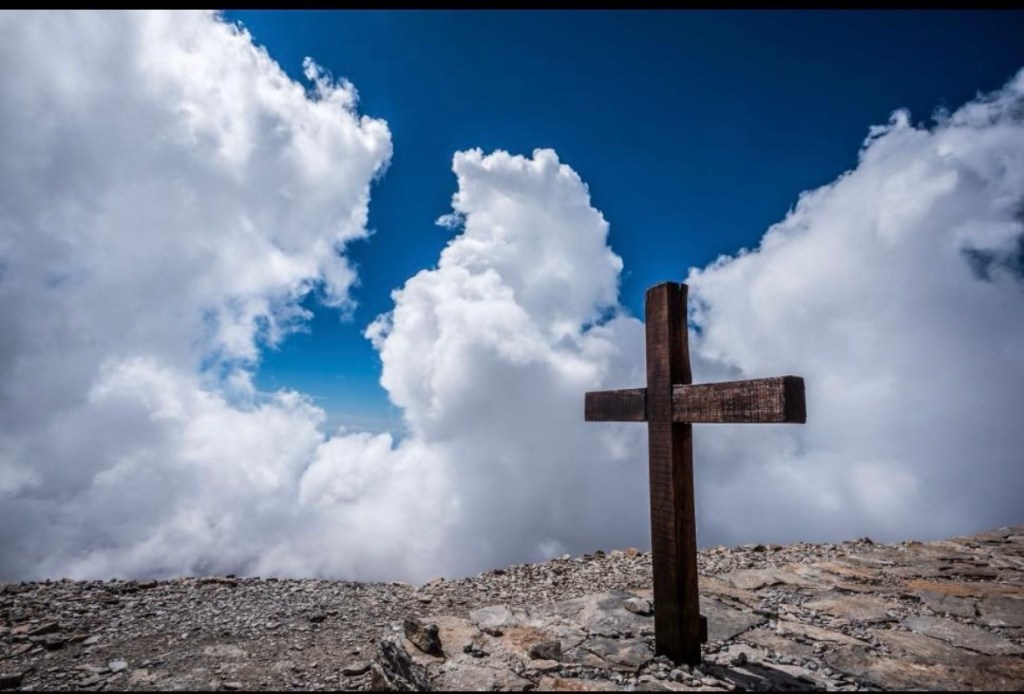
We see the ultimate example of this love in Jesus Christ. On the Cross, He gave Himself fully, patiently, and selflessly for the sake of others—even when humanity was undeserving. His love bore all things, forgave wrongs, and endured suffering for the good of others. This is the standard love we are invited to reflect and live out in our daily lives.

“Love is patient and kind; love does not envy or boast; it is not arrogant or rude. It does not insist on its own way; it is not irritable or resentful; it does not rejoice at wrongdoing, but rejoices with the truth. Love bears all things, believes all things, hopes all things, endures all things.”

Love is patient. Love is patient. It does not rush people or force outcomes but allows others the space to grow. Patience also means respecting boundaries—understanding that real love does not pressure, control, or push past what someone is comfortable with.

Love is kind. It is expressed through actions, words, and tone. Speaking respectfully to others in a gentle, loving voice is a reflection of true kindness. Love builds up rather than tears down, even in difficult moments.

Love does not envy or boast. It celebrates others instead of competing with them. Where envy compares and resents, love finds joy in another person’s success and chooses gratitude over rivalry. Humility keeps love from seeking attention or elevating itself above others.

Love is not arrogant or rude. It treats people with dignity and respect at all times. It does not belittle, shame, or take advantage of others, especially in moments where they are vulnerable or lack power.

Love does not insist on its own way. It is not self-seeking. It does not manipulate or use people for personal gain but considers the needs of others with fairness and sincerity.

Love is not irritable or resentful, nor is it spiteful. It does not deliberately provoke, irritate, or disturb others for personal satisfaction. Actions done with the intention to unsettle or disrupt, goes against the very nature of love. Love chooses understanding and consideration, even when it would be easier to act out of frustration or indifference.

Love does not rejoice at wrongdoing, but rejoices with the truth. It does not hold onto past mistakes as weapons for the future. Instead, it forgives, releases, and makes room for growth and restoration.

Love bears all things, believes all things, hopes all things, endures all things. It does not misuse authority or act superior because of its position. When given influence or leadership, love leads with humility and refuses to exploit others.

So what is love?

Love is not merely something to be received—it is something to be practiced. It is patient, kind, respectful, and selfless. It honors boundaries, speaks with gentleness, and refuses to take advantage of others.

Just as Jesus demonstrated on the Cross, love is often sacrificial, choosing the good of others even at great personal cost. Many of us want to be loved this way. The question this passage leaves us with is simple, but not always easy: Are we willing to live it out first, following the example of Christ?

————————

** Photo by Tara Winstead at Pexels

The Sovereign Majesty of God in a World of Darkness

We are living in a time where darkness is not only increasing, it is being normalized, justified, and even celebrated. Evil is no longer always hidden in the shadows; it is often presented openly, repackaged as truth, and embraced by many. What Scripture warned about is unfolding before our eyes: good being called evil, and evil being called good. There are systems, institutions, and individuals who exalt themselves, who seek control, who redefine morality, and who attempt to take the place that belongs to God alone.

There are wolves in sheep’s clothing, those who outwardly appear righteous, compassionate, or trustworthy, yet inwardly are driven by pride, deception, and self-interest. There are agendas that operate both in plain sight and behind closed doors. There is manipulation of truth, distortion of reality, and a growing boldness in rebellion against what is holy and right. Many things that once would have been recognized clearly as wrong are now defended, protected, and even celebrated, while those who stand for truth are often ridiculed, silenced, or opposed.

Behind all of this, Scripture reveals a deeper reality: this is not merely human behaviour, it is spiritual warfare. Satan, described as the deceiver of the whole world, works through lies, through hardened hearts, and through minds that have been darkened. The Bible speaks of consciences that become seared, of people who suppress the truth, and of a world that increasingly follows its own sinful desires. This is why the darkness feels so deep, it is not just external, but spiritual at its root, influencing thought, culture, and direction. And yet, in the midst of all this chaos, corruption, and rebellion, there is a truth that stands firm, unshaken, and eternal: God is still on the throne.

“Be still, and know that I am God; I will be exalted among the nations, I will be exalted in the earth.” (Psalm 46:10)

This is a declaration of absolute authority. God is not reacting to events as they unfold. He is not surprised, overwhelmed, or challenged. He is sovereign over all things—past, present, and future—and He declares the end from the beginning. Regardless of how far humanity drifts into rebellion, His name will be exalted in all the earth. To “be still” is not merely to be quiet, it is to cease striving, to stop placing ultimate trust in human systems, to stop fearing what man can do, and to recognize the reality that God alone reigns. It is a call to re-center our perspective in a world that constantly pulls us away from truth.

God Still Rules Over All

It may appear, on the surface, that men control the world, that governments determine the future, that powerful individuals shape history, and that decisions made behind closed doors dictate the direction of nations. But Scripture pulls back the curtain and reveals what is truly happening beneath the surface.

“The king’s heart is in the hand of the Lord; he directs it like a watercourse wherever he pleases.” (Proverbs 21:1)

This imagery is deliberate and profound. A watercourse does not ultimately decide its own direction, it flows according to the channels that have been carved out for it. In the same way, the hearts of kings, presidents, rulers, and authorities are directed by God. Even when they believe they are acting independently, they are moving within boundaries that God has established. Even those in the highest positions of power are not beyond God’s reach. Their decisions, their rise, and their fall all exist under His sovereign will. What appears to be unchecked authority is, in truth, governed authority, authority that is permitted, limited, and accountable.

“He changes times and seasons; he deposes kings and raises up others.” (Daniel 2:21)

This verse strips away the illusion of permanence from human power. Governments rise, flourish, and fall. Empires dominate for a time and then collapse. Leaders come into power and are removed, sometimes unexpectedly, sometimes gradually, but always under God’s authority. No government stands forever. No system escapes His control. No ruler ultimately writes their own destiny. What looks like strength is temporary. What looks like control is limited. What looks like permanence is fleeting.

This is why even Nebuchadnezzar, the great king of Babylon, who once glorified himself and took pride in his achievements was humbled by God. At the height of his power, he believed his kingdom was the result of his own greatness. But God brought him low, stripped him of his reason, and allowed him to experience the consequences of his pride until he finally lifted his eyes to heaven. And when his understanding returned, his confession stands as one of the most powerful acknowledgments of God’s sovereignty in all of Scripture:

“His dominion is an eternal dominion… He does as he pleases with the powers of heaven and the peoples of the earth. No one can hold back his hand or say to him: ‘What have you done?’” (Daniel 4:34–35)

This is the end of all human pride. Every proud ruler, every corrupt system, every person who exalts themselves and seeks to take the place of God will one day face this same truth: God cannot be challenged. God cannot be overthrown. God cannot be questioned.

The Reality Behind the Darkness

The darkness we see in the world is not random. It is not merely the result of flawed human systems, it is the outworking of spiritual rebellion that has existed since the beginning. Scripture tells us that Satan blinds minds, deceives nations, and works through those who are willing to follow their own sinful desires. This is why there are those who promote lies as truth, who celebrate what is destructive, and who oppose what is good while presenting themselves as righteous and enlightened.

Jesus warned clearly:

“Watch out for false prophets. They come to you in sheep’s clothing, but inwardly they are ferocious wolves.” (Matthew 7:15)

These wolves are not always obvious. They may appear kind, articulate, intelligent, and persuasive. They may gain influence, build platforms, and attract large followings. But their message subtly leads people away from truth and toward deception. There is darkness operating both in plain sight and under disguise. There are forces that seek to reshape morality, redefine truth, and draw people away from God. But none of this escapes God’s awareness or control.

“The Lord has established his throne in heaven, and his kingdom rules over all.” (Psalm 103:19)

Even the works of darkness exist within limits. They are not ultimate. They are not eternal. They are permitted for a time, but they will be judged.

The Illusion of Human Power

In a world obsessed with achievement, recognition, influence, and outward success, people are constantly striving for things that ultimately cannot save them. Entire lives are spent chasing status, wealth, appearance, validation, and control, yet these things, no matter how impressive they may seem, cannot address the deepest need of the human soul. Jesus confronts this illusion directly with a question that cuts through every layer of human ambition:

“What does it profit a man to gain the whole world, yet lose his soul?” (Mark 8:36)

This is not just a rhetorical question, it is a warning. A person may accumulate everything the world values: riches, fame, power, physical strength, beauty, knowledge, and still lose what is most valuable and irreplaceable. The soul is eternal. It does not perish when the body dies. It continues, either in the presence of God or separated from Him. This means that the true measure of a life is not what is seen externally, but what is true internally. A person may appear successful in every worldly sense and yet be spiritually lost. Another may appear insignificant by worldly standards and yet be rich toward God. Life itself is fragile. It can change in a moment. No one is guaranteed tomorrow. No amount of influence or wealth can secure even one extra day beyond what God has appointed. And when life ends, everything that was pursued in this world, every possession, every achievement, every title is left behind. Only the soul remains, and its eternal destination is sealed.

The Urgency of Now

Every human being has value because every person is created by God and deeply loved by Him. From the very beginning of life to its final breath, God sees, knows, and cares. He is not distant or indifferent, He is intimately aware of every life. But while God cares for both body and spirit, Scripture makes it clear that it is the spirit that lives on forever.

We have been given free will, the ability to choose. Every day we make decisions between truth and deception, good and evil, obedience and rebellion. These choices shape not only our lives but also influence others, sometimes in ways we may never fully see. And yet, there is a moment that every person will face: we will all stand before God.

“We must all appear before the judgment seat of Christ.” (2 Corinthians 5:10)

This is a real and unavoidable reality. Every thought, every word, every action, and every hidden motive will be brought into the light. Nothing will remain concealed. Everything will be revealed in truth. This leads to the most serious question a person can ask: Who can stand before a holy and perfect God? The answer is humbling: no one can stand on their own.

“All have sinned and fall short of the glory of God.” (Romans 3:23)

Sin is not merely a list of wrong actions, it is the condition of the human heart. It is a state of separation from God, expressed through thoughts, desires, and behaviors that go against His holiness. It includes things that many attempt to justify or minimize: sexual immorality, idolatry, addiction, drunkenness, lying, stealing, unforgiveness, hatred, anger, gossip, pride, and selfish ambition. God sees everything, not only what is visible to others, but what is hidden within. He sees intentions, motives, and desires. Because God is holy and just, sin cannot simply be ignored.

“The wages of sin is death…” (Romans 6:23)

This is not only physical death, it is spiritual death, eternal separation from God. Yet in the face of this reality, God did something extraordinary. Out of love, mercy, and grace, He made a way for humanity to be restored.

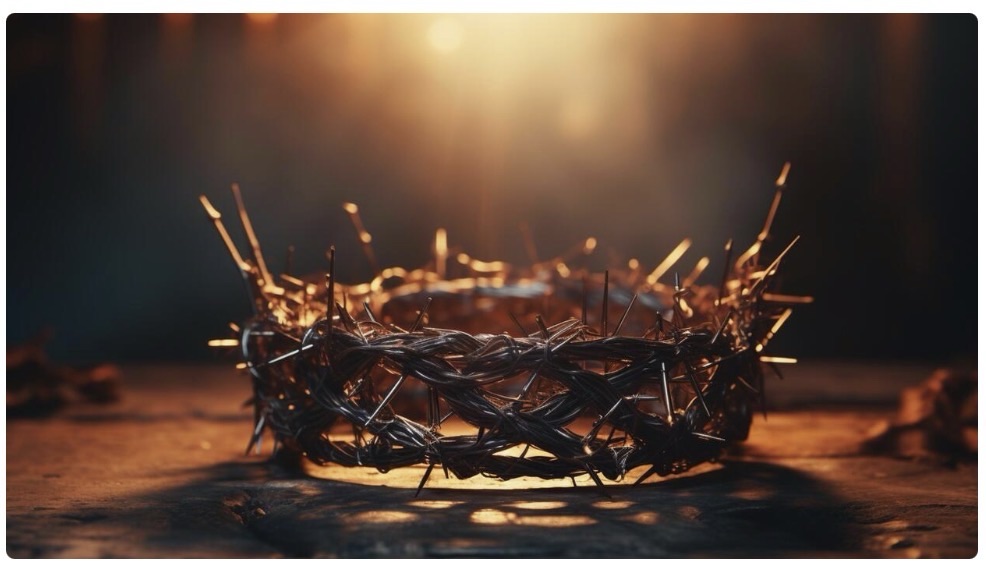
Jesus Christ came into the world, not as a political leader or earthly king, but as a Savior. He entered into the brokenness of humanity, lived a perfect and sinless life, and then willingly took upon Himself the punishment that we deserved. He was mocked, rejected, beaten, and crucified. Nails were driven through His hands and feet. A crown of thorns was pressed onto His head. He was scourged until His flesh was torn. He bore the full weight of sin, our sin. He died. He was buried. And on the third day, He rose again, defeating sin and death. Jesus is alive. It is the foundation of hope, the turning point of history, and the only reason salvation is possible. Jesus made an exclusive and undeniable claim:

“I am the way and the truth and the life. No one comes to the Father except through me.” (John 14:6)

There is no alternative path. No amount of good works, religious activity, moral effort, or human achievement can bridge the gap between humanity and God.

“Our righteous acts are like filthy rags…” (Isaiah 64:6)

“The gift of God is eternal life in Christ Jesus our Lord.” (Romans 6:23)

Time is one of the greatest uncertainties of life.

“Now is the day of salvation.” (2 Corinthians 6:2)

The world constantly encourages delay, “later,” “another time,” “when I’m ready.” But Scripture warns against this mindset. Life is short, and eternity is certain. Every moment is an opportunity to respond, but no moment is guaranteed beyond the present.

“If you declare with your mouth, ‘Jesus is Lord,’ and believe in your heart that God raised him from the dead, you will be saved.” (Romans 10:9)

“Whoever believes in the Son has eternal life, but whoever rejects the Son will not see life…” (John 3:36)

This decision determines your eternal destination. When we look at the increasing darkness, confusion, and upheaval in the world, it can feel overwhelming. But Scripture tells us that these things are not random, they are like birth pangs, increasing in intensity as history moves toward God’s ultimate plan

The Triumph of God and the Call to Endurance

Even as darkness spreads and deception seems to prevail, Scripture assures us that God is fully in control and His kingdom will come in all its glory. The book of Revelation reveals the ultimate outcome of human rebellion and spiritual warfare. Though the enemy works through lies, pride, and violence, none of it escapes God’s awareness or authority. Satan and his followers may seem powerful, but their victory is temporary, and every act of evil is measured against the eternal plan of God. Jesus Himself declares:

“I am the Alpha and the Omega… the Almighty.” (Revelation 1:8)

He is the beginning and the end, the One who holds all history in His hands. Every nation, every ruler, every scheme, no matter how cunning or oppressive is moving toward His appointed judgment and ultimate triumph. When He returns in power, every act of injustice will be judged, every tear wiped away, and every faithful life fully rewarded:

“On his robe and on his thigh he has this name written: KING OF KINGS AND LORD OF LORDS.” (Revelation 19:16)

“He will wipe every tear from their eyes. There will be no more death or mourning or crying or pain, for the old order of things has passed away.” (Revelation 21:4)

This truth is meant to inspire courage and endurance. The struggles we face, the lies we witness, the evil we cannot stop these are like birth pangs, signs that God’s plan is unfolding. They are not meaningless; they are part of the process that brings about ultimate justice and restoration. It is vital to remember that God’s ways are not our ways, and His timing is not ours. We may feel frustrated, anxious, or impatient as we see wickedness appear unchecked or prayers seemingly unanswered. Yet God is orchestrating events according to His perfect wisdom, and what seems slow or hidden to us is unfolding precisely according to His plan:

“For my thoughts are not your thoughts, neither are your ways my ways,” declares the Lord. “As the heavens are higher than the earth, so are my ways higher than your ways and my thoughts than your thoughts.” (Isaiah 55:8–9)

Even when earthly justice seems absent, Scripture assures us that there will be perfect justice in God’s kingdom. Jesus will judge according to each person’s deeds, rewarding righteousness and punishing evil. Every act of oppression, every deceit, every abuse of power is noted by Him, and none will go unanswered. Earthly systems may fail, but God’s eternal justice cannot fail:

“For we must all appear before the judgment seat of Christ, so that each one may receive what is due for what he has done in the body, whether good or evil.” (2 Corinthians 5:10)

Believers are called not only to trust but also to pray as part of the spiritual battle. Prayer is not just personal comfort; it is a powerful weapon against the forces of darkness. When we pray, we align ourselves with God’s will, invite His intervention, and intercede for the world. Scripture repeatedly reminds us that spiritual realities are influenced by prayer: it can strengthen the church, protect the vulnerable, and restrain the enemy’s schemes. Prayer is the channel through which God’s power moves in response to His people’s faith and obedience.

“The prayer of a righteous person is powerful and effective.” (James 5:16)

“Pray in the Spirit on all occasions with all kinds of prayers and requests.” (Ephesians 6:18)

Through prayer, we participate in God’s work. We are called to pray for wisdom, courage, and guidance, as well as for the advancement of God’s kingdom. Spiritual vigilance and prayer go hand in hand: while we endure earthly trials, our prayers are part of God’s unseen, eternal strategy to bring about His will.

“Be faithful… and I will give you life as your victor’s crown.” (Revelation 2:10)

“Here is a call for the endurance of the saints…” (Revelation 14:12)

God sees everything. He knows the hidden struggles, the silent prayers, the private battles of heart and mind. He is not distant or uninvolved. He will act at the appointed time. Every injustice will be addressed, every lie exposed, and every faithful life rewarded. What may seem like delay is actually divine timing. Every event is part of His perfect plan, moving history toward the triumph of His kingdom.

Therefore, the call is clear: be still and recognize God’s authority. Place your trust in Jesus Christ, the King of Kings and Lord of Lords, who alone saves, restores, and reigns forever. Life is fleeting, and eternity is certain. Each choice, each act of obedience, each moment of faithful prayer matters. Now is the time to turn fully to Him, to stand in faith, to live in righteousness, and to participate in the spiritual battle through prayer.

“Be still, and know that I am God; I will be exalted among the nations, I will be exalted in the earth.” (Psalm 46:10)

God reigns. He will triumph. Those who remain faithful will share in His eternal victory. The darkness around us is real, but it is temporary. The kingdom of God is coming, justice will be served, and His name will be exalted in all the earth. Stand firm. Pray fervently. Trust Him. Take courage—for the Lord is with you, and His ultimate victory is certain.

———————-

If you are ready to respond to the free gift of salvation:

– How to be saved: The Path to Salvation – Click here

– 7 Things to Do After Getting Saved – Download PDF

*** Photo by Arina Dmitrieva at Pexels

The Truth About Easter: How It Affects Every Human Life

Easter week marks one of the most important moments in all of human history. It is not simply a religious tradition or seasonal reflection—it is rooted in real events that changed the course of humanity. This week forces us to confront a truth we all recognize, whether we admit it or not: the world is broken, and so are we. Everywhere we look, there is suffering, injustice, selfishness, and wrongdoing. These are not isolated problems—they point to a deeper reality: humanity has a fallen, sinful nature.

At our core, we often know what is right but fail to do it. We may desire justice yet act in ways that perpetuate harm. This condition separates us from God, who is perfectly holy and just. The standard is not other people—it is God Himself. Measured against that standard, everyone falls short. No amount of human effort, morality, or religious practice can repair this brokenness. The problem runs too deep for us to fix on our own.

This is where Easter week begins to unfold its true significance. The events of this week show that God did not leave humanity in this condition. He acted. Jesus came not merely as a teacher or moral example, but as the solution to the problem itself. He lived a sinless life, yet willingly entered a world filled with suffering, injustice, and evil, fully aware of what lay ahead.

Humanity, because of sin, was separated from God. The Bible teaches that the wages of sin is death (Romans 6:23, WEB)—not just physical death, but eternal separation from God. Because God is perfectly holy, nothing impure can stand in His presence. That is why a sacrifice was needed: a sinless life had to take the place of sinful humanity so that forgiveness and reconciliation could be possible.

In the most significant week in human history, events unfolded that revealed both the depth of human sin and the depth of God’s love. Jesus was betrayed, arrested, and unjustly condemned. He endured extreme physical suffering: He was beaten, whipped until His flesh was torn, and mocked. A crown of thorns was pressed onto His head. He was forced to carry the heavy wooden cross to the place of execution. Nails were driven through His hands and feet, and He was left to die in one of the most painful forms of death known at the time—crucifixion.

But what happened on that cross was far more than physical suffering. Jesus bore the weight of human sin. He took upon Himself the consequences of the brokenness that separates us from God. Isaiah 53:5 (WEB) says, “He was pierced for our transgressions. He was crushed for our iniquities; the punishment that brought our peace was upon him. By his wounds we are healed.” In simple terms, He carried the punishment for all of humanity’s sins—what we could not bear ourselves. This was not accidental or meaningless. It was a deliberate act of love so that forgiveness could be offered to all of us.

He died and was buried, and for a moment it seemed the story had ended in defeat. But three days later, He rose from the dead. The resurrection is the heart of Easter. It is not symbolic—it is the reality that death itself was overcome. It confirms that the work of the cross was complete: sin had been dealt with, and separation from God was not the final outcome for humanity.

Because of Jesus’ sacrifice and resurrection, a way is open for every person. Salvation is not something we can earn through wealth, status, good deeds, or religious observance—it is a free gift from God. But this gift requires a genuine response: repentance, acknowledging our sins, turning away from them, and seeking to live according to God’s will, coupled with trusting fully in what Jesus has done. It is through this heartfelt turning to Him that forgiveness and restoration become real in our lives.

“For what shall it profit a man, if he shall gain the whole world, and lose his own soul? Or what shall a man give in exchange for his soul?” (Mark 8:36–37, WEB)

Every life matters. Each of us has been given free will to choose right from wrong, and every choice affects ourselves and others, for good or for harm. If justice seems absent in this life, there will be justice in the life to come. Every person will one day stand before the judgment seat of Christ (2 Corinthians 5:10, WEB) to give an account of their lives—their thoughts, words, actions, and motives. God cares deeply for each person, body and spirit, but it is the spirit that lives on forever. This is why every choice matters, and why Jesus’ sacrifice is the only way to be reconciled to God before that day. Through Him, forgiveness and restoration are offered to all who turn from sin and trust in Him.

The call to salvation is for everyone. Regardless of wealth, social status, sexual orientation, or religious background, Jesus invites each of us to turn from sin and accept His gift of salvation. No amount of money, social standing, or religious observance can save anyone. The only comparison that matters is with God, and all of us fall short. God doesn’t want mere religion; He wants a personal relationship with each of us. Our good works are like filthy rags before a holy God. Humanity is created with a God-shaped vacuum that nothing else can fill but Him.

Jesus Christ paid the price for our sins so that we could be restored to God. He was crucified—nails driven through His hands and feet, a crown of thorns pressed onto His head, beaten and whipped until His body was torn and unrecognizable. He died for our sins, taking upon Himself the very sins that destroy lives. He was buried, and three days later, He rose from the dead—alive, victorious, and offering eternal life to all who believe.

Romans 10:9 (WEB) says, “If you declare with your mouth, ‘Jesus is Lord,’ and believe in your heart that God raised him from the dead, you will be saved.”

John 3:36 (WEB) warns, “Whoever believes in the Son has eternal life, but whoever rejects the Son will not see life, for God’s wrath remains on them.”

Salvation begins with acknowledging sin, turning from it, and trusting Jesus. It is not a prayer alone but heartfelt belief, repentance, and surrender. Jesus did not die only for a certain group of people or for one religion—He died for all humanity.

And the story continues: the Bible promises that He will return again, not in suffering, but in power, justice, and authority, to right all wrongs and establish His reign as King of Kings and Lord of Lords, the Alpha and Omega (Acts 1:11, Revelation 22:12–13). Every soul will stand before Him, and every choice we make matters.

Easter week is therefore not just about history or tradition—it is about understanding the problem of human sin, the depth of God’s love, and the gift of salvation that is available to all. Healing, restoration, and eternal life are possible for everyone who responds to Jesus. This week is a reminder that the remedy for humanity’s brokenness is already here, and that hope, forgiveness, and reconciliation are offered freely to all.

—————

If you are ready to respond to Jesus’ gift of salvation:

– How to be saved: The Path to Salvation – Click here

– 7 Things to Do After Getting Saved – Download PDF

Salvation by Grace Through Faith: Why Christianity Is About Relationship, Not Religion

God Came Down to Reach Us

Throughout history, humanity has searched for ways to reach God through rituals, traditions, religious systems, and good works. Yet the gospel message revealed in Scripture shows something radically different: God did not wait for humanity to reach Him—God came down to reach us. This truth stands at the very heart of Christianity.

The one true God, the God of Abraham, Isaac, and Jacob (Exodus 3:6; Matthew 22:32), has revealed Himself as God the Father, God the Son, and God the Holy Spirit (Matthew 28:19; 2 Corinthians 13:14). This same God did not remain distant from human suffering or sin. Instead, God the Son, Jesus Christ, took on flesh and dwelt among us (John 1:14). He willingly went to the cross, bore the sins of the world, and rose again on the third day, just as the Scriptures foretold (1 Corinthians 15:3–4). At the cross, Jesus declared, “It is finished” (John 19:30), making clear that the work of salvation was fully completed and not dependent on human effort.

The Problem With Works-Based Religion

Despite this, many religious systems throughout history have taught—either openly or subtly—that people must earn God’s acceptance through works, rituals, suffering, or religious performance. The underlying message often becomes that people must do enough good, follow enough rules, or give enough to be accepted by God. Scripture directly contradicts this idea. The Bible teaches that all human righteousness falls short before God, declaring that all our righteous deeds are like filthy rags (Isaiah 64:6) and that by works of the law no human being will be justified (Romans 3:20).

Historically, fear-based doctrines and practices have been used to convince people that forgiveness, purification, or relief for loved ones could be achieved through money, rituals, or repeated works. This turns salvation into a transaction, something Scripture explicitly condemns. Believers were redeemed not with silver or gold, but with the precious blood of Christ (1 Peter 1:18–19). Salvation cannot be purchased, because it has already been paid for in full.

What the Bible Teaches About Salvation

The Bible consistently teaches that salvation is a gift of grace received through faith. “By grace you have been saved through faith,” Scripture says, “and this is not your own doing; it is the gift of God, not a result of works” (Ephesians 2:8–9). Jesus’ sacrifice was completely sufficient. Hebrews tells us that by a single offering Christ has perfected for all time those who are being sanctified (Hebrews 10:14), and Romans assures believers that there is now no condemnation for those who are in Christ Jesus (Romans 8:1).

To add human effort as a requirement for salvation is to diminish the cross itself. Scripture makes this clear when it says that if righteousness could come through the law, then Christ died for no purpose (Galatians 2:21). The finished work of Jesus Christ leaves no room for fear-based striving or religious earning.

Relationship Over Religion

True Christianity is not about religious pomp, external performance, or institutional control. It is about knowing Jesus Christ personally. Jesus defined eternal life as knowing the only true God and Jesus Christ whom He sent (John 17:3). Faith is not about trying to earn God’s love, but about responding to the love He has already shown. “We love because He first loved us” (1 John 4:19).

Repentance and righteous living matter deeply, but they flow from salvation rather than leading to it. Anyone who is in Christ is a new creation (2 Corinthians 5:17), and believers are God’s workmanship, created in Christ Jesus for good works that follow salvation, not create it (Ephesians 2:10). Obedience is the fruit of faith, not the foundation of it.

The Gospel Is an Invitation, Not a Transaction

The gospel is not a system of spiritual payments; it is an invitation into restored relationship with God. Jesus said that the Son of Man came to seek and to save the lost (Luke 19:10), and Scripture tells us that while we were still sinners, Christ died for us (Romans 5:8). Religion tells people to work their way up to God, but the gospel declares that God came down.

Jesus Himself said that no one has ascended into heaven except the One who descended from heaven, the Son of Man (John 3:13). Faith produces obedience, but obedience is the result of love, not the condition for salvation. “If you love Me, you will keep My commandments” (John 14:15).

The Finished Work of Christ

The cross was enough. The resurrection confirmed it. Salvation is a gift freely given by God through Jesus Christ. Jesus promised that whoever hears His word and believes Him who sent Him has eternal life and has passed from death to life (John 5:24). The call of the gospel is not to perform, pay, or prove worthiness, but to believe, repent, and follow Christ. “Repent therefore, and turn back, that your sins may be blotted out” (Acts 3:19). “Believe in the Lord Jesus, and you will be saved” (Acts 16:31).

This is the heart of Christianity: not religion, but relationship; not fear, but faith; not human effort, but divine grace. This is the finished work of Christ, and it remains good news for people everywhere.

——————

** Photo by Pexels

7 Firsts for Women in the Bible and Their Roles

During the time of Jesus, women in society were often marginalized and excluded from positions of authority or prominence. In many cultures, their testimonies were not considered reliable in legal matters, and their roles were largely confined to domestic spaces. Social and religious norms discouraged interactions between men and women outside their families, further isolating them from the public and spiritual spheres.

Yet, Jesus stood in stark contrast to these norms. He consistently demonstrated love, respect, and trust for women, engaging them in ways that were revolutionary for His time. Not only did He elevate their status by including them in His ministry, but He also entrusted them with vital roles that shaped the course of salvation history.

Below, we explore seven significant “firsts” for women in the Bible, highlighting their profound contributions as witnesses and messengers of the Good News—and the timeless lessons they offer for stepping boldly into new beginnings.

1. The First Evangelist: The Samaritan Woman at the Well

At Jacob’s well, Jesus spoke with a Samaritan woman, breaking societal and gender barriers (John 4:1–26). In this encounter, He revealed Himself as the Messiah, and her heart was forever changed. She became the first evangelist in the New Testament, sharing the news with her town and inspiring many to believe. Her story reminds us that each new day carries the potential for transformation—one conversation, one courageous step, or one act of faith can spark a ripple effect that changes the lives of those around us.

2. The First Witness of the Resurrection: Mary Magdalene

Mary Magdalene was the first person to see the risen Jesus (John 20:11–18). She encountered Him at the empty tomb, initially mistaking Him for the gardener. When Jesus called her by name, she recognized Him, and He entrusted her with the message of His resurrection. Her story reminds us that no matter where we are starting from, we are called to witness and share life-changing truths. Every beginning, no matter how uncertain, holds the potential to inspire others.

3. The First to Anoint Jesus for His Burial: Mary of Bethany

Mary of Bethany anointed Jesus’ feet with costly perfume, a prophetic act of devotion (John 12:1–8; Mark 14:6, 9). Jesus affirmed that her gesture would be remembered wherever the Gospel is preached. Mary’s actions teach us that intentional acts of faith, love, and service mark new beginnings with purpose. Each day offers a chance to leave a meaningful impact through devotion and thoughtful action.

4. The First Woman Healed Publicly: Peter’s Mother-in-Law

Peter’s mother-in-law was healed from a fever by Jesus (Matthew 8:14–15). Immediately following her restoration, she served Him and others, demonstrating how healing and empowerment go hand in hand. Her example reminds us that each fresh start can be met with action. Transformation—whether physical, emotional, or spiritual—is meant to inspire us to serve and make a difference in the lives of others.

5. The First Financial Supporters of Jesus: Women of Means

Women such as Mary Magdalene, Joanna, and Susanna played a vital role in supporting Jesus’ ministry (Luke 8:1–3). Their generosity ensured His mission could continue, reflecting faith in action. Their story encourages us to invest our resources—time, energy, and talents—into things that advance God’s work. Every new beginning is an opportunity to give in ways that create lasting impact.

6. The First to Hear of His Birth: Mary, the Mother of Jesus

Mary, the mother of Jesus, was the first to hear the angel Gabriel’s announcement of His birth (Luke 1:26–38). Her immediate response, “I am the Lord’s servant,” reflects remarkable faith and willingness to embrace God’s plan. Mary’s courage teaches us that accepting God’s call requires trust, even when the future is unknown. Each new chapter in life is a chance to step forward in obedience and confidence, trusting that God’s plan unfolds perfectly.

7. The First Gentile Woman Praised for Her Faith: The Syrophoenician Woman

In Matthew 15:21–28, a Syrophoenician woman approached Jesus seeking healing for her daughter. Her persistence and unwavering faith impressed Him, and He praised her: “Woman, you have great faith!” Her story reminds us that persistence and boldness in faith open doors to new opportunities. Every beginning carries challenges, but perseverance and trust can lead to extraordinary outcomes.

Jesus’ interactions with women consistently challenged cultural norms, emphasizing their faith, courage, and indispensable role in His mission. From the Samaritan woman who became the first evangelist to Mary Magdalene, the first witness of the resurrection, women were central to the story of salvation. Their lives inspire all believers to embrace God’s call, step boldly into their purpose, and recognize the transformative impact of faith, service, and courage—no matter what new beginnings lie ahead.

These seven “firsts” in the Bible remind us that God values courage, faith, and devotion, often entrusting ordinary individuals with extraordinary roles. The women highlighted here embraced their callings with boldness, obedience, and trust, leaving a lasting impact on the story of salvation. Their lives inspire us to step confidently into new beginnings, to serve with purpose, and to trust that every act of faith—no matter how small—can shape the world around us. Just as these women became witnesses, messengers, and pillars of God’s plan, we too are invited to live boldly, embrace our calling, and make each new day an opportunity for transformation and hope.