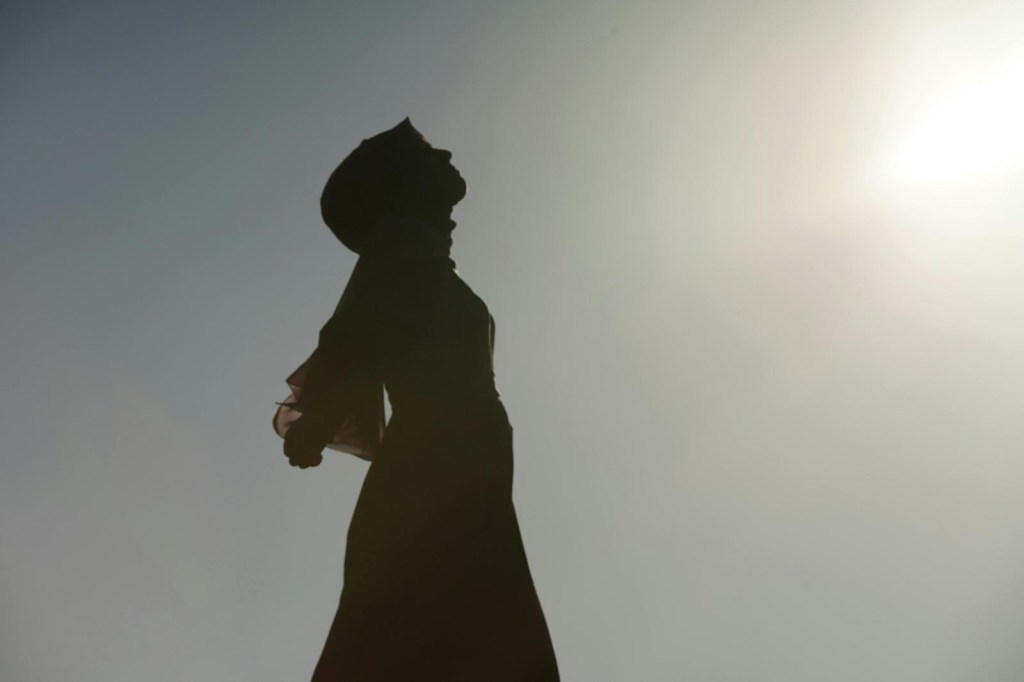
The Mary era, inspired by Mary, mother of Jesus, represents a deeply spiritual season of surrender and divine trust (book of Luke) . It is a season where God places something within a person that they may not fully understand, but are called to carry faithfully.
Mary’s story begins with an unexpected calling. She receives a word that changes the entire direction of her life. Yet her response is not resistance, but surrender. The Mary era is often a season where God invites a person to trust Him beyond logic, comfort, or clarity. It is about saying yes even when the full picture is not visible.
To fully understand the depth of Mary’s obedience, it is important to understand the risk she was taking. Mary was an unmarried young woman, betrothed but not yet fully married, and in the cultural and religious context of her time, pregnancy outside of marriage could bring severe consequences. It could lead to public humiliation, rejection by her community, and in some cases, even death by stoning. Her yes to God was not spoken from a place of safety, but from a place of courageous trust. She chose obedience even when it threatened her reputation, she chose faith even when it could have cost her relationships, and she chose surrender even when the outcome was uncertain. This is one of the defining marks of a Mary era, trusting God even when obedience feels costly.
This season is often hidden in nature. Much like pregnancy, what is being formed is not yet seen by others. There is a process taking place internally that requires protection, patience, and care. The Mary era is a season of guarding what God has placed within you, even when others do not fully understand it.
It is also a season that may involve misunderstanding or isolation. Mary did not always have external validation for what she was carrying. In the same way, a Mary season can involve walking forward without full explanation or approval from others. It requires deep inner conviction and trust in God’s voice.
A Mary season touches every part of a person, spirit, mind, emotions, and body. What God is forming within is not carried only spiritually, but through the whole of your life. Like Mary carrying a child, there is often a physical weight to what has been entrusted, a sense of walking, waiting, and enduring while something hidden continues to grow. There is also a mental stretching, as thoughts must be anchored in God’s promise so that fear, doubt, and external opinions do not reshape what faith has received. Emotionally, this season can feel tender, requiring peace in uncertainty and courage in moments of misunderstanding. Spiritually, it is a season of deeper surrender, where trust is strengthened and obedience becomes the daily act of carrying what only God can sustain. A Mary season is a whole-person process, one that quietly forms endurance, humility, and faith as God prepares His promise to unfold in His perfect timing.
One of the hardest lessons in a Mary era is accepting that not everyone will understand what God has spoken to you. Some may question your calling, some may misunderstand your decisions, some may even mock, gossip, or form opinions about what they cannot comprehend. Mary herself likely faced this reality. To those around her, her circumstances may have appeared scandalous or confusing. There would have been people who doubted her story, questioned her integrity, or judged what they could not spiritually discern. Yet Mary did not spend her energy trying to convince everyone that what she was carrying was from God. She understood something deeply important, not everyone is meant to understand what God has entrusted to you, because not everyone was included in the conversation.
God spoke to you, God entrusted it to you, and your responsibility is not to seek constant validation or to defend your calling to those who were never assigned to carry it. Your responsibility is faithfulness. A Mary season often requires the courage to keep moving forward even when others misunderstand you. It means learning to be at peace with being misunderstood. It means resisting the temptation to over explain, defend yourself, or seek approval from people who cannot see what God has shown you. Not every opinion deserves your response, not every doubt deserves your attention. Sometimes the holiest thing you can do is quietly continue carrying what God has placed within you and trust Him to reveal it in His own time.
There is freedom in recognising that your calling is between you and God. What He has spoken over your life does not become less true because others fail to understand it. The promise does not need public agreement to remain valid. The assignment does not require human permission to move forward. A Mary era teaches you to become anchored in God’s voice above every other voice. It teaches you to protect your peace, guard your confidence, and remain faithful with what God has given you, even when no one else can yet see its significance.
While not everyone will understand your calling, God often sends a few people who do. Mary did not carry the news of what God had spoken entirely alone. After receiving the angel’s message, she went to visit Elizabeth, and in that encounter she received confirmation and encouragement. Elizabeth recognised what God was doing in Mary before the world ever could. This is such an important part of a Mary season. While you are not called to seek approval from everyone, God may place trusted, spiritually discerning people in your life who can affirm what He has spoken and strengthen your faith when you feel uncertain. These are the people who bring peace rather than confusion, who help anchor you in obedience rather than fear. Discernment is learning the difference between voices that drain your confidence and voices that confirm what God has already placed within you. You may not need everyone to understand, but God often provides an Elizabeth to remind you that you are not carrying the promise alone.
One of the most beautiful aspects of Mary’s story is that she did not carry the promise carelessly. Scripture tells us that Mary treasured these things and pondered them in her heart. She reflected, she protected what had been spoken, and she did not rush to prove herself or force understanding. She allowed the mystery of what God was doing to unfold in His timing. The Mary era teaches the importance of guarding what God has placed within you. Not every promise needs immediate exposure, not every assignment needs immediate explanation. Some things must be nurtured quietly through prayer, patience, and trust.
One of the most beautiful responses Mary gives throughout her journey is worship. Before the promise was fulfilled, before she understood how everything would unfold, Mary praised God. She magnified the Lord while still standing in uncertainty. This teaches something deeply important about a Mary era, worship is not reserved only for when the promise has manifested. It is part of how we carry the promise. It is learning to praise God while questions remain unanswered, trusting His goodness before the outcome is visible. Worship becomes an act of surrender, a declaration that God is trustworthy even when life feels unclear. A Mary season teaches you how to magnify God above your fears, above your doubts, and above the voices that try to make you question what He has spoken.
Mary also teaches the discipline of patiently living with mystery. Not everything she experienced was immediately explained. There were moments she simply pondered in silence, holding what she did not yet understand in her heart. A Mary era teaches that not every question requires an immediate answer. Some parts of God’s plan unfold slowly, and faith is often found in the willingness to trust without full understanding. Sometimes spiritual maturity looks like resisting the urge to force clarity and instead resting in the knowledge that God will reveal what is needed in the proper time.
This season is also one of profound humility. Mary did not seek prominence or recognition. She simply made herself available. Her life reminds us that God often entrusts His greatest purposes to those who are willing to yield rather than strive. Humility is not weakness, it is strength surrendered to God. It is the willingness to be used without needing to control the outcome.
Mary’s journey also reminds us that when God gives a calling, He often prepares support alongside it. Her assignment was deeply personal, yet God also made provision through Joseph. Joseph’s obedience became part of Mary’s covering, protection, and practical support. This is a comforting truth in a Mary era. If God has entrusted something to you, He is also able to arrange the people, provision, and protection necessary to help sustain what He has asked you to carry. You may not see all of that support immediately, but God is never careless with the assignments He gives. He provides what is needed for what He has called forth.
Another important part of Mary’s story is her faithfulness over time. Her obedience was not limited to one moment of saying yes. She continued walking faithfully through every stage of what that yes required. She carried the child, she endured the journey, she gave birth in humble circumstances, she raised Jesus, she watched Him be misunderstood, and she remained near even at the cross. This reminds us that a Mary era is not simply about receiving a calling, it is about remaining faithful to carry it through every season.
It is one thing to say yes in a moment of inspiration, it is another to continue saying yes through discomfort, uncertainty, and pain. Mary teaches endurance. She teaches sustained surrender. She teaches what it means to trust God not only at the beginning of the promise, but through every unfolding chapter.
Perhaps one of the most profound parts of Mary’s story is that her faithfulness was tested not only in carrying the promise, but in watching it suffer. She stood near the cross, remaining present even in heartbreak. The same mother who carried the promise in hiddenness also had to endure the pain of watching that promise pass through suffering. A Mary era can include moments where what God has given you feels difficult, delayed, or painful to carry. There may be seasons when the promise itself seems to wound your expectations or stretch your faith. Mary teaches us the courage to remain faithful even then, trusting that God is still working beyond what we can see. Sometimes resurrection is unfolding even when everything appears to be breaking.
Ultimately, the Mary era is about obedience. It is about allowing God to shape your life according to His purpose, even when it stretches your understanding. It is a season of sacred trust, where surrender becomes the pathway to destiny.
The Mary era is not a season of striving. It is a season of yielding. It is not about being fully understood, it is about being fully surrendered. It is not about having control, it is about trusting the One who does. It is the hidden pregnancy before the promise is revealed, the quiet yes before the world understands, the obedience before the fulfilment, and the surrender before the glory.
The Mary era is the sacred season of carrying what only faith can sustain.
A Prayer for the Mary Season
Heavenly Father,
Thank You for the seasons where You entrust us with things that are beyond our understanding, yet held safely within Your will. Thank You that when You speak, You also give grace to carry what You have spoken.
Lord, in this Mary season, I choose to say yes to You again. Even when I do not see the full picture, even when I do not understand the process, I trust Your voice above my own understanding and above the voices around me.
Strengthen me in the hidden places. Teach me how to guard what You have placed within me with wisdom, patience, and peace. Help me not to rush what You are growing, not to expose what You are still forming, and not to abandon what You have called me to carry.
Lord, when I feel misunderstood, give me quiet confidence. When others question or do not see what You are doing, anchor me in Your truth. Keep me from striving for approval, defending what does not need defence, or seeking validation where You have not assigned it. Let my identity rest securely in what You have spoken, not in what others perceive.
Thank You for the “Elizabeths” You place along the way, those who bring encouragement, confirmation, and peace. Give me discernment to recognise the voices that strengthen my faith and to gently release the voices that drain it.
Teach me the discipline of worship in uncertainty. Like Mary, help me to magnify You even when I am still waiting, still wondering, still walking through mystery. Let praise become my posture, not because everything is clear, but because You are faithful.
Shape my heart in humility. Remove striving, control, and anxiety about outcomes. Make me willing, available, and surrendered to Your timing and Your process. Help me to walk faithfully not only in moments of inspiration, but in every stage of obedience that follows.
And Lord, thank You that You are also the God who provides. Just as You gave Mary support through Joseph, send the covering, provision, and strength needed for what You have called me to carry. I trust that You do not give assignments without also supplying grace for them.
When the journey feels long, give me endurance. When the promise feels heavy, give me strength. When I am tempted to give up, remind me that You are still at work in what I cannot yet see.
I surrender this season to You completely. Form in me what You desire, and bring forth in me what You have already ordained. Let my life remain a yes to You, not just once, but continually.
In Jesus’ name,
Amen.
—————-
*** Photo by Özgür Sürmeli at Pexels