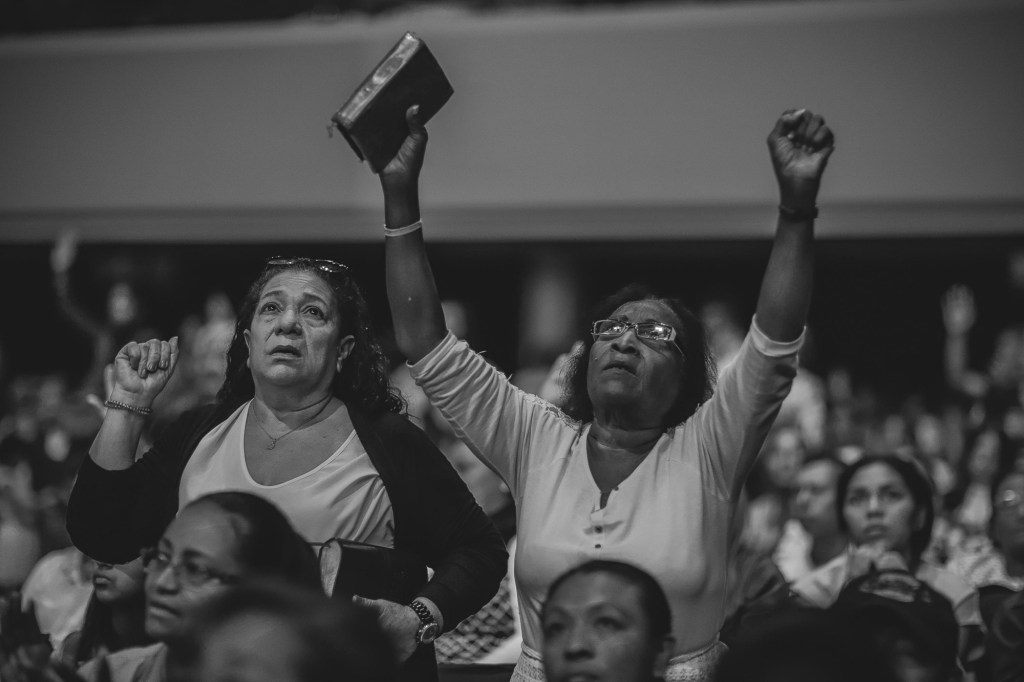
When A Spiritual Leader Falls From Grace

This is what the LORD says: “Cursed is the one who trusts in man, who depends on flesh for his strength and whose heart turns away from the Lord.”Jeremiah 17:5

When Spiritual Leaders Fall: How to Stay Strong

A lot of Christians face moments when a spiritual hero falls. This could be a father, coach, mentor, pastor, or leader—someone you admire, whose books you read or whose ministry you follow. The awareness that they’ve fallen can deeply shake any believer’s faith. Here are a few ways to recover and remain strong when faced with instances like this.

Understand This to Remain Unmovable

1. Miracles Are a Sign That God Is Good, Not a Confirmation of a Minister’s Integrity

When you discover that a minister you follow has had a moral failing, scandals surface, and your faith might get shaken. Many become distrustful, skeptical, and afraid, closing their hearts to new leaders.

I experienced this at 16 or 17 when a gentleman, whom God used in another country, fell. I had followed him closely—buying every book he had, listening to every sermon, and trying to pray and fast like he did. But when I found out about his immoral behavior, it shook me. You go from admiring them to suddenly distrusting all leaders. This skepticism can settle in your heart, making it difficult to trust again.

It’s important to understand that while miracles are a sign that God is good, they do not always confirm that the minister is good. When people are used by God for miracles like prophesying, healing, or deliverance, we often assume it’s because of their holiness. However, this view is incomplete and inaccurate.

2. It’s the Devil’s Goal to Allow the Minister to Rise as High as Possible Before a Big Fall

I believe that sometimes the devil allows a minister to live in secret sin for a long time, allowing them to rise to prominence. When they eventually fall, the damage is much greater. The more well-known the minister, the greater the harm within the body of Christ.

The devil knows this and waits for the right moment to cause the most damage. When a leader with influence falls, it can create widespread distrust and pain among believers.

3. God Is the One Who Brings Hidden Things to Light

Luke 8:17 says, “For nothing is secret that will not be revealed, nor anything hidden that will not be known and come to light.”

God reveals both good and bad things done in secret. He is patient, wanting everyone to come to repentance, but when leaders refuse to repent, God eventually exposes their sin to prevent further harm.

4. When We Notice Unrepentant Sin in Our Leaders, We Can’t Ignore It

Don’t ignore unrepentant sin in your leaders. Address issues like sexual immorality, dishonesty, denial of core doctrines, abuse of power, or lack of self-control in a respectful manner. If leaders isolate followers and demand absolute loyalty, it’s a sign of a cult.

When leaders control aspects of their followers’ lives—associations, living arrangements, finances—and manipulate them through fear, they are leading through a demonic trap of control and witchcraft.

5. You Can Receive a Blessing from a Ministry Without It Being Contaminated

Even if a ministry later falls into scandal, the blessings you received from it are still from God. For example, if Judas gave a gift from Jesus’s ministry fund before his betrayal, the gift was still valid. Similarly, if you were blessed by a ministry that later faced moral failure, those blessings came from God, not the fallen leader, and therefore, they are not contaminated.

How to Heal

Grieve, Don’t Gloat

When leaders fall, it’s painful. Grieve for them instead of gloating. We see in the Bible that Samuel grieved for Saul (1 Samuel 16), and we should do the same for fallen leaders.

Heal with Time

Healing takes time, but with Jesus, it is possible. Spend time in His presence and allow Him to guide you through the process. Don’t let betrayal turn into bitterness. Release unforgiveness and trust that God has a better future for you. Remember, just because one leader fell doesn’t mean all will. God has still raised up good leaders.

Trust Slowly

Forgiveness doesn’t mean instant trust. Trust must be earned over time. It’s important to forgive fallen leaders, but trust is something they need to rebuild.

Be Hopeful

Despite some ministers falling, many others remain strong and faithful. Focus on leaders who demonstrate godly character and consistent good fruit, rather than those who are merely famous. Trust that God can restore what has been lost and bring healing and hope for the future.

Bible Verses to Reflect On

It is better to trust in the Lord than to put confidence in man. It is better to trust in the Lord than to put confidence in princes.Psalm 118:8-9

Trust in the LORD with all your heart, and do not lean on your own understanding. In all your ways acknowledge Him, and He will make straight your paths.Proverbs 3:5-6

There is no distinction: for all have sinned and fall short of the glory of God.Romans 3:23

If we say we have no sin, we deceive ourselves, and the truth is not in us. If we confess our sins, He is faithful and just to forgive us our sins and to cleanse us from all unrighteousness.1 John 1:8-10

“I am the Lord! That is My name! I will not share My glory with anyone else, or the praise due Me with idols.”Isaiah 42:8

—————

By Vladimir Savchuk | © Copyright – Vladimir Savchuk. No changes whatsoever are to be made to the content of the article without written permission from the author at HungryGen. / Photo by Luis Quintero.

Why Jealousy and Envy are Soul Destroyers

One of the Ten Commandments is “You shall not covet.” Proverbs 27:4 reminds us of the destructive power of envy: “Wrath is cruel, and anger is outrageous; but who is able to stand before envy?” Envy and jealousy are not fleeting emotions—they can erode relationships, cloud judgment, and separate us from God’s peace.

A person’s attitude in life is all-important. Much of the work of counseling involves helping people accept their reality and reshape their attitudes. Many people harbor poor attitudes about themselves, others, and even God. Unfortunately, it is human nature to compare ourselves to others. Jealousy and envy are often the toxic results of this comparison, combining anger, insecurity, fear, and greed.

Jealousy, like its cousin envy, is a silent and destructive force. It can hide for years, silently scheming, until it strikes through slander, gossip, or even violence. Jealousy involves desiring what others have, while envy resents others for their blessings. Both attitudes are the opposite of love and aim to see others fail. They stem from an inability to recognize God’s provision in our lives and a lack of gratitude. James 3:16 warns us that “where envy and self-seeking exist, confusion and every evil thing are there.”

Comparison, low self-esteem, and a desire for status or attention fuel jealousy and envy. Social media and a lack of meaningful relationships can amplify these feelings, as can a lack of intimacy with God. Life is not about possessions or status. Coveting what others have is idolatry, as it places material things or success above God. God promises to provide for our needs, and He calls us to store up treasures in heaven by living generously and faithfully.

To overcome jealousy and envy, we must first acknowledge their presence in our hearts. We need to humble ourselves before God, asking Him to reveal the motives and feelings behind these emotions. Once we’ve confessed these sins to Christ, we can begin the process of transformation.

  1. Cultivate Gratitude.
    Gratitude is a powerful antidote to envy. Reflect on the blessings in your life and thank God daily, even for the small things. The Psalms are a wonderful resource for turning thankfulness into prayer. Gratitude shifts our focus from what we lack to what God has already provided.
  2. Avoid Comparison Traps.
    Social media often paints a false picture of people’s lives, fueling unhealthy comparisons. Instead, focus on activities that nourish your soul and draw you closer to God. Remember that God does not judge us by outward appearances, wealth, or accomplishments—He looks at the heart.
  3. Focus on Jesus.
    When we fix our eyes on Jesus, our perspective changes. Jesus modeled humility and selflessness, and He reminds us that eternal treasures matter more than worldly possessions or status. Living to please God brings peace and joy, knowing that we are saved by grace, not by our achievements.
  4. Understand the Root Causes.
    Analyze the triggers for jealousy and envy in your life. Why do certain people or situations provoke these feelings? Talking with trusted friends, counselors, or pastors can help uncover underlying issues and past wounds. Healing often begins when we confront these root causes and surrender them to God.
  5. Pray for Others and Yourself.
    Praying for the people you envy transforms your heart. Genuine prayer moves us from resentment to love and helps us see others through God’s eyes. It also deepens our relationship with God, who has given us unique talents and opportunities to serve others. True growth happens when we embrace these gifts and use them to glorify God.

Contentment is key to overcoming envy and jealousy. When we trust God as our provider, we stop striving for things that don’t truly satisfy. Hebrews 13:5 reminds us to “keep your lives free from the love of money and be content with what you have, because God has said, ‘Never will I leave you; never will I forsake you.’”

By cultivating gratitude, avoiding comparison, focusing on Jesus, addressing the root causes of envy, and growing through prayer, we align ourselves with God’s truth. These steps free us from the bondage of jealousy and lead to a life of peace, joy, and love.

Life is not about possessions, status, or recognition. It is about walking faithfully with God, trusting His plan, and rejoicing in His provision. As you surrender your struggles to God, remember His promise in Philippians 1:6: “He who began a good work in you will carry it on to completion until the day of Christ Jesus.” Seek Him first, and He will replace jealousy with peace, envy with love, and fear with contentment.


Prayer to Overcome Jealousy and Embrace Contentment

Heavenly Father,
We come before You with humble hearts, acknowledging that jealousy and envy can creep into our lives and cloud our vision of Your goodness. Lord, search our hearts and reveal any sinful attitudes that hinder our walk with You. Help us to surrender these feelings to You, trusting in Your abundant grace and provision.

Teach us to be content with what You have given us and to trust that Your plans for our lives are good. Fill us with gratitude for Your blessings, both great and small, and remind us daily of Your steadfast love and faithfulness.

Lord, protect us from the traps of comparison and the lies of the enemy that tell us we are not enough. Instead, let us fix our eyes on Jesus, the author and perfecter of our faith. Help us to find joy in serving You and others with the unique gifts You have entrusted to us.

Give us the strength to love those around us genuinely, even when envy tries to take root. Teach us to celebrate the successes of others and to pray for their well-being with sincere hearts. May our lives reflect Your love, which does not envy but rejoices in the truth.

Father, remind us that true joy and peace are found in Your presence, not in earthly possessions or status. Guide us to store up treasures in Heaven and to seek first Your Kingdom and righteousness.

We thank You for Your promise that You will never leave us nor forsake us. Fill us with Your Spirit, transforming our hearts and minds to be more like Christ. May we walk in freedom, contentment, and the joy that comes from knowing You.

In Jesus’ name, we pray,
Amen.

—————-

** By Fritz Chery at Bible reasons + Michael Linn a licensed professional counsellor, Resolute Counseling.com + Quote by Dr. Bill Edgar former president of Geneva Edu and pastor of the Reformed Presbyterian Church / Photo by Brett Jordan at Pexels

The Power of Short Prayers and 7 Prayers We Must Stop Praying

“He said to her, “Conjure up for me, please, and bring up [from the dead] for me [the spirit] whom I shall name to you.” But the woman said to him, “See here, you know what Saul has done, how he has cut off (eliminated) those who are mediums and spiritists from the land.” – “For false christs and false prophets will rise and show great signs and wonders to deceive, if possible, even the elect” – “No wonder! For even Satan disguises himself as an angel of light.” ~ 1 Samuel 28:7-10; Matthew 24:24; 2 Corinthians 11:13.

Praying to the dead is strictly forbidden in the Bible. Deuteronomy 18:11 tells us that anyone who “consults with the dead” is “detestable to the Lord.” The story of Saul consulting a medium to bring up the spirit of the dead Samuel resulted in his death “because he was unfaithful to the LORD; he did not keep the word of the LORD and even consulted a medium for guidance” (1 Samuel 28:1-251 Chronicles 10:13-14). Clearly, God has declared that such things are not to be done.

Consider the characteristics of God. God is omnipresent—everywhere at once—and is capable of hearing every prayer in the world (Psalm 139:7-12). A human being, on the other hand, does not possess this attribute. Also, God is the only one with the power to answer prayer. God is omnipotent—all powerful (Revelation 19:6). Certainly, this is an attribute a human being—dead or alive—does not possess. Finally, God is omniscient—He knows everything (Psalm 147:4-5). Even before we pray, God knows our genuine needs and knows them better than we do. Not only does He know our needs, but He answers our prayers according to His perfect will.

So, in order for a dead person to receive prayers, the dead individual has to hear the prayer, possess the power to answer it, and know how to answer it in a way that is best for the individual praying. Only God hears and answers prayer because of His perfect essence and because of what some theologians call His “immanence.” Immanence is the quality of God that causes Him to be directly involved with the affairs of mankind (1 Timothy 6:14-15); this includes answering prayer.

Even after a person dies, God is still involved with that person and his destination. Hebrews 9:27 says so: “…Man is destined to die once, and after that to face judgment.” If a person dies in Christ, he goes to heaven to be present with the Lord (2 Corinthians 5:1-9, especially verse 8); if a person dies in his sin, he goes to hell, and eventually everyone in hell will be thrown into the lake of fire (Revelation 20:14-15).

God has provided His Son, Jesus Christ, to be the mediator between man and God (1 Timothy 2:5). With Jesus Christ as our mediator, we can go through Jesus to God. Why would you want to risk the wrath of God?

7 Prayers You Must Stop Praying 

Not all prayers are the same. In fact, some prayers are not only unpleasing to God, but they can even border on witchcraft. Praying the wrong type of prayer can introduce problems in life rather than blessings. Here are the seven prayers that you should stop saying today.

1. Praying to Saints or Angels

The first type of prayer to stop is praying to saints or angels. The Bible clearly instructs Christians to pray directly to God through Jesus by the power of the Holy Spirit (1 Timothy 2:5). Nowhere in Scripture are we told to pray through saints, angels, or Mary. These figures did not die for us, nor do they intercede for us at God’s right hand. We must use the direct access we have to God through Jesus.

2. Using Repetitive, Formulaic Prayers

Next, stop using ‘meaningless’ repetitive, formulaic prayers. Jesus warned against babbling like pagans who think they will be heard because of their many words (Matthew 6:7). Genuine prayer must come from the heart, not from mindless babbling. It’s about the sincerity of your heart, not the repetition of your words, even if it’s the same prayer, it must be meaningful, with a burden.

3. Praying for Harm or Curses on Others

Another prayer to avoid is praying for harm or curses on others. Romans 12:14 tells us to bless those who persecute us, not curse them. Using prayer to curse others is a form of witchcraft and is not aligned with Christian principles. Even when Jesus was on the cross, He did not curse His enemies. Instead, He prayed for them.

4. Praying with Manipulative Intentions

Another important reminder is to stop praying with manipulative intentions. James 4:3 warns us that prayers asked with wrong motives will not be answered. Prayer should not be used to manipulate situations or people for selfish gains. Instead, align your desires with God’s will, testing them through your delight in Him.

5. Invoking Spirit Guides or Using Occult Practices

Another prayer to avoid is prayers invoking spirit guides or engaging in occult practices. Deuteronomy 18:10-12 strictly prohibits practices like divination, sorcery, and interpreting omens. Mixing occult practices with prayer is dangerous and unbiblical.

6. Seeking Signs Instead of Trusting God’s Word

Another mistake is seeking signs or omens instead of trusting God’s Word. Jesus warned that a wicked generation seeks after signs (Matthew 12:39). While God can confirm signs through His Word, our faith should be based on His promises, not on supernatural signs.

7. Using Objects as Sources of Power

Avoid using objects as sources of power in prayer. Using things like crystals, rosaries, or any other form of objects to help you connect with God or pray is not biblical and should be avoided. However, the Bible does tell us one thing that helps us to strengthen our prayer. That is fasting (Acts 19:19). 

8. Praying for Material Wealth Without Seeking God’s Kingdom

Finally, stop praying for material wealth without seeking God’s Kingdom first. Matthew 6:33 reminds us to seek God’s Kingdom and righteousness before anything else. Prioritizing wealth or fame over spiritual growth leads to misguided prayers. In the Kingdom, the King cares for His citizens. He will provide for us when we prioritize Him first. 

Five Short Prayers to Pray

In the Bible, we see that Jesus often prayed all night, Daniel prayed for three weeks, and Nehemiah and the Israelites prayed a lengthy confession and repentance prayer in Nehemiah chapter 9. Longer prayers are needed in our walk with the Lord and provide a lengthy set of benefits. They help us focus, deepen our relationship with God, allow us to pour out our hearts, develop persistence, and promote spiritual growth.

While I often encourage people to go further in their prayer time and to push to know the Lord more, I do want to acknowledge the power that a short and sincere prayer can have on your life.

Matthew 6:7 says, “And when you pray, do not use vain repetitions as the heathen do. For they think that they will be heard for their many words.” The heart of prayer lies in revelation, not repetition. While it’s not wrong to repeat the same prayer multiple times, because Jesus prayed the same prayer three times and so did Paul, the heart of prayer is not in repetition; it’s in revelation. In other words, a prayer’s impact lies in its heartfelt connection with God, not its length. A prayer’s value doesn’t depend on how long it is.

Here are 5 prayers that are powerful if you pray them with the sincerity of your heart 

1. Lord, Help Me (Matthew 15:25)

This prayer is for the deliverance of others. A mother worshiped Jesus and then she prayed a sincere, humble, but very short prayer, “Lord, help me!” That prayer was so powerful that Jesus delivered her daughter.

2. Have Mercy on Me (Mark 10:47)

“Jesus, Son of David, have mercy on me!” This is a prayer for a miracle. In God’s mercy, you will find your miracle. We must understand that when God extends His mercy, the miracle is on its way.

3. Lord, Save Me (Matthew 14:30)

This prayer is a plea for intervention and rescue. When you’re overwhelmed by fear or when your life feels like it’s spinning out of control, cry out to the Lord and He will intervene.

4. Show Me Your Ways, Lord (Psalm 25:4)

This prayer is for guidance. When we don’t know which way to go, this short, sincere prayer can help us lean on God’s understanding rather than our own. Prayers that align with God’s will and His purpose recognize and receive His power.

5. Not My Will Be Done But Yours (Luke 22:42)

“Father, if it is Your will, take this cup away from Me; nevertheless not My will, but Yours, be done.” This is a prayer of surrender, aligning your will with God’s will. The ultimate success of prayer is to surrender to God’s will, His plan, and His timing.

What Makes Short Prayers Powerful?

1. Faith
Short prayers require faith. It’s not the shortness of the prayer that guarantees the answer, but the faith in that short prayer. The Bible emphasizes that prayers made in faith will be heard and answered by God.

2. Humility
Short prayers require humility. They express the true condition of the heart without pretense. God opposes the proud but gives grace to the humble.

3. Urgency
Short prayers often arise in moments of great need or urgency, reflecting a deep dependence on God.

4. According to God’s Will
Powerful prayers align with God’s will and purpose, recognizing His sovereignty.

Remember that short prayers can be as dynamic and powerful as long ones because the heart of prayer is in its revelation, not in its repetition.

Final Thoughts

We need to be mindful of the prayers we offer to God. I encourage you to avoid prayers that are unbiblical, manipulative, or focused on material gain without spiritual growth. Instead, focus on prayers that align with God’s will, seek His Kingdom, and come from a sincere heart. 

God blesses things that are in line with God’s Word.

————

***By Got Questions + Vladimir Savchuk at HungryGen / Photo by Faizi Ali at Pexels

I Identify As…

I identify as a born again Bible believing Christian, spirit filled, Bible reading, tongue talking, doer of the Word, who has accepted Jesus as their Lord and Saviour, and soon coming King – this is my reality.

It hasn’t gone unnoticed that people of the Christian faith are not included in treating people with dignity, respect and inclusion. We are all equal as human beings, regardless of age, sexual orientation, mental health and faith, and what is pertained for one individual should be across the board for all people, not just the chosen few, who are in vogue. Like everyone else, we should be able to express who we are, which is a huge part of our identity too, and should not be ostracised and mocked because of it, the ‘safe space’ is for everyone. The hypocrisy is astounding.

Please note that Jesus our Saviour, will be returning soon and we all will need to give an account of our lives: the thoughts, deeds, actions, words and motives done in the flesh, and who can stand before God? If you did not know, Jesus is our redeemer who came to save us from our fallen and sinful nature. If you don’t know Jesus yet and how He came to restore our relationship with God in heaven, who loves you and wants you to be reconciled to Him, I say to you today: Jesus is the way, the truth and the life, no one comes unto the Father but by Him, Jesus is the only one mediator between God and man, and only God can forgive sins.

What is sin? It is knowing the right thing to do and not doing it. Sin includes things like sexual immorality, addictions, drunkenness, drugs, watching porn, lying, stealing, unforgiveness, hate, anger, gossiping, and much more. These separate us from God, who is holy and righteous and just. He weighs the motives of our hearts and all of us have missed the mark.

The call to salvation is for everyone. Regardless of your wealth, status, sexual orientation or religious background, Jesus invites you to turn from sin and accept His gift of salvation. No amount of money, social standing, or religious observance can save you. It’s not about comparing yourself to others; the only comparison that matters is with God, and we all fall short, we all have sinned. God doesn’t want our religion; He wants a relationship with us. Good works cannot save you; there is nothing you can do to earn salvation. It’s by grace alone, so no one can boast. Our works are like filthy rags to a holy God. The Bible says the wages of sin is death, eternal separation from God in hell—a fate you wouldn’t wish on your worst enemy. We are created with a God-shaped vacuum that nothing else can fill but Him.

Jesus Christ paid the price for our sins on the Cross so we can be restored to God, our heavenly Father. There needed to be a sacrifice, and God so loved the world that He gave His only begotten Son, Jesus, who was sinless, to take our place. It’s like a mother giving away her new-born baby or you giving away your only child to pay someone else’s debt, someone who couldn’t care less about you or love you back. God was willing to do that for you and me.

Jesus Christ was crucified, with nails driven through His hands and feet and a crown of thorns pressed onto His head. He was whipped until His skin was torn off, becoming unrecognizable. As He hung on that Cross, He did it for your sins. He took our sins upon Himself, including the very sins that have destroyed our lives. He was destroyed for those sins on that Cross. He bled and died for our sins, which were buried with Him in the grave. Three days later, Jesus Christ was raised from the dead. Jesus is alive!

Now is the time to respond. Romans 10:9 says, “If you declare with your mouth, ‘Jesus is Lord,’ and believe in your heart that God raised Him from the dead, you will be saved.” This declaration and belief bring salvation. John 3:36 warns, “Whoever believes in the Son has eternal life, but whoever rejects the Son will not see life, for God’s wrath remains on them.”

Embrace this good news today and pray: “Dear God, thank you for loving me. I confess that I have sinned against you. I believe that Jesus, Your Son, died on the cross to pay for my sins. I believe that Jesus was raised from the dead. I ask that you forgive all my sins. I confess that Jesus is my Lord and Savior. Thank you for Your gift of eternal life! I pray this in Jesus’ name. Amen.”

Remember, it’s not the prayer that saves you; it’s the heartfelt belief and confession, repentance and choosing to trust in Jesus for a righteous life, from now on. Now is the time for salvation. Turn from darkness to light, from sin to salvation, and follow Jesus.

Ask God for forgiveness of the wrong things you have done, repent (turn from them) and leave your old sinful ways behind, and begin a new and righteous life trusting in Christ Jesus, every single day, ask to be filled with the Holy Spirit to help you, and read your Bible and obey it, repent to God daily, connect to God through prayer and ask the Holy Spirit for revelation, guidance, wisdom and discernment.

—————-

** By Lori McPherson / Photo by Patricia McCarty

The Tale of the Little Boy and the Sailboat

I want to share with you a story about a young boy who lovingly crafted a small sailboat. He adorned it with fine gems and precious metals, polished it until it gleamed, and marked it with his signature, ensuring everyone knew it was his creation. When he took it to the river to test it, the boat sailed beautifully. However, a strong wind arose, sweeping the boat away, and the boy was heartbroken by the loss of his cherished creation.

Sometime later, while walking through town, the boy was astonished to see his boat in the window of a shop. Though some gems were missing and it was battered, his signature confirmed it was his boat. He rushed inside and told the shop owner, “That little boat is mine; I made it.” The owner replied, “I’m sorry, but I bought it from someone else. If you want it back, you’ll have to pay for it.” Determined, the boy worked tirelessly for weeks, saving every penny. Finally, he returned to the shop, slammed the money on the counter, and bought his boat back. Holding it aloft, he exclaimed, “Little boat, you are twice mine. I made you—and I bought you back!”

The Deeper Meaning

You might wonder how this story relates to us. In many ways, we are like that little boat. Each of us is uniquely created by God, reflecting His image and cherished deeply by Him. However, life’s storms and the lure of the world have swept us away from our Creator, leaving us battered and lost. The challenges of life and the wrong things we do separate us from God. The temptations of the world and our own pride hurt us, and the enemy, Satan—the fallen angel, who hates mankind—tries to keep us down.

The boy in the story represents Jesus, who came to save us. Despite our broken state, affected by sin and life’s hardships, Jesus recognized us as His own. Just as the boy worked hard to buy back his boat, Jesus paid the ultimate price for our redemption. He bought us back with His precious blood, shed on the cross. He did this to restore our relationship with God the Father, as God is holy and cannot abide in sin. We are twice His—created by Him and bought back with His blood.

Understanding Our Condition

All of us have done wrong and fallen short of God’s standards. Sin is not just about major wrongdoings but also includes knowing what is right and failing to do it. It encompasses acts like lying, stealing, unforgiveness, hatred, jealousy, anger, sexual immorality, idolatry, addictions, pornography, drugs, and wanting to live separately from God. These wrongdoings separate us from a holy and righteous God.

God judges the heart, including our thoughts, words, deeds, and motives. While people can pretend to have a holy exterior and act pious, God sees through our facades and knows our true nature. It’s not about religion, where you have to do things to be accepted by God. It’s about a relationship with God who is near and accessible. Our good works cannot save us; they are like filthy rags in comparison to God’s purity, you cannot buy salvation. The Bible states that the wages of sin is death—eternal separation from God in hell, a fate none of us would wish upon anyone.

The Sacrifice of Jesus

Jesus Christ paid the price for our sins on the cross so we can be restored to God, our heavenly Father. There needed to be a sacrifice, and God so loved the world that He gave His only begotten Son, Jesus, who was sinless, to take our place. It’s like a mother giving away her newborn baby or you giving away your only child to pay someone else’s debt, someone who couldn’t care less about you or love you back. God was willing to do that for you and me.

Jesus Christ was crucified, with nails driven through His hands and feet and a crown of thorns pressed onto His head. He was whipped until His skin was torn off, becoming unrecognizable. As He hung on that cross, He did it for your sins. He took our sins upon Himself, including the very sins that have destroyed our lives. He was destroyed for those sins on that cross. He bled and died for our sins, which were buried with Him in the grave. Three days later, Jesus Christ was raised from the dead. Jesus is alive!

The Call to Salvation

This message is for everyone. Regardless of your wealth, status, sexual orientation or religious background, Jesus invites you to turn from sin and accept His gift of salvation. No amount of money, social standing, or religious observance can save you. It’s not about comparing yourself to others; the only comparison that matters is with God, and we all fall short, we all have sinned. God doesn’t want our religion; He wants a relationship with us. We are created with a God-shaped vacuum that nothing else can fill. He said, “I am the light of the world. Whoever follows me will never walk in darkness but will have the light of life.”

Now is the time to respond. Tomorrow is not guaranteed. Romans 10:9 says, “If you declare with your mouth, ‘Jesus is Lord,’ and believe in your heart that God raised Him from the dead, you will be saved.” This declaration and belief bring salvation. John 3:36 warns, “Whoever believes in the Son has eternal life, but whoever rejects the Son will not see life, for God’s wrath remains on them.”

A Prayer of Salvation

If you feel the call in your heart, don’t wait. Embrace this good news today and pray:

“Dear God, thank you for loving me. I confess that I have sinned against you. I believe that Jesus, Your Son, died on the cross to pay for my sins. I believe that Jesus was raised from the dead. I ask that you forgive all my sins. I confess that Jesus is my Lord and Savior. Thank you for Your gift of eternal life! I pray this in Jesus’ name. Amen.”

Remember, it’s not the prayer that saves you; it’s the heartfelt belief and confession, turning away from sin, and choosing to trust in Jesus for a righteous life. Now is the time for salvation. Turn from darkness to light, from sin to salvation, and follow Jesus.

What next?

Download the free guide on the 7 Things To Do After Getting Saved: