Eyes Wide Open: The Power of Media to Shape Hearts and Shift Morality

There was a time when I didn’t think twice about the movies and shows I watched. I laughed at what everyone else laughed at, cried when the story tugged at my emotions, and admired characters without questioning what they stood for. But everything changed after I came to faith in Christ.

Not long ago, I rewatched a romantic comedy I had once loved. It was a film I held dear—charming, funny, nostalgic. I remembered how much I had enjoyed it years ago, but this time, something was different. This time, I watched it with the eyes of someone who had encountered the truth, someone who now walks with a different awareness. And what I saw left me shaken.

Nearly every other sentence used the Lord’s name as a curse word. What once seemed harmless banter now rang out like blasphemy—frequent, casual, and cruel. The main character—beautiful, talented, and successful—was once a woman I admired, but she was now entangled in a lifestyle of lies, manipulation, and adultery. She disrespected her husband, deceived those around her, and used charm to justify selfish choices. Her mother was portrayed as discontented with her own life and subtly pushed her married daughter toward dissatisfaction with a simpler lifestyle, ridiculing the values of motherhood, humility, and faithfulness. She encouraged her to leave their ‘smallville’ town in search of the bright lights and the big city—not as a path of growth, but as an escape from commitment, accountability and responsibility. The underlying strategic message was clear: the “good life” was somewhere else, in ambition, indulgence, and reinvention, not in commitment, family values, or truth. The film subtly redefined the concept of success and fulfillment, positioning personal freedom, indulgence in desires, and career achievement as the ultimate goals, while traditional values like loyalty, sacrifice, and the stability of family were dismissed as limiting or oppressive.

What struck me was not just the flawed character arcs, but the intentional rewriting of cultural values—an attempt to normalize what was once taboo. The entertainment industry, as a whole, has been shaped and influenced by the enemy, whose agenda is to distort the truth and lead people astray, especially young, impressionable minds. It’s no coincidence that so much darkness and evil is perpetuated within this realm; the battle for our hearts, minds, and souls is at play, and the media is one of the most powerful tools in the enemy’s arsenal. What once might have been seen as morally questionable is now portrayed as aspirational.

As I reflected on the film, I realized that this wasn’t simply an attempt at entertainment—it was a carefully crafted message, one that sought to shift cultural norms and redefine what was considered a fulfilling and “good life.” The scriptwriters, perhaps unknowingly or knowingly, were helping to push the enemy’s agenda, one that celebrates selfishness, rebellion, immorality and indulgence, while undermining the virtues of faith, family, and integrity. In fact, years later, these ideas have not only become mainstream but are now the norm. What was once taboo is now accepted as truth, revealing how deeply media and entertainment shape societal values, often with consequences far more destructive than we realize.

What made it even more striking was the setting of the story—deep in the American South, in a region often referred to as the Bible Belt. A place long associated with faith, family, tradition, and moral grounding. And yet, it was there, in the symbolic heart of American values, that the storyline unraveled everything sacred. This wasn’t just storytelling—it was commentary. A deliberate effort to show that even the strongholds of faith and stability could be swayed, mocked, and redefined under the glow of entertainment.

That experience opened my eyes wider than ever before. It wasn’t just that one film. I started noticing how pervasive the pattern was across all media. Themes of lust, greed, selfishness, rebellion, and deceit aren’t just present—they’re celebrated. Traditional values are often portrayed as outdated or oppressive, while sin is rebranded as empowerment and “freedom.” The sacred is desecrated, and the profane is glorified. Whether in subtle suggestions or overt messaging, media is teaching people—especially the young—what to think, how to live, and what to desire.

It’s no secret that the average young person spends over eight hours a day consuming media. Compare that to the three to six minutes of meaningful conversation many families have per day, and it becomes obvious who is doing the most shaping. Media has become the new pulpit, the storyteller, the educator, and in many ways, the god of modern culture. And make no mistake—it is not neutral.

This realization hit me deeply—not just as a viewer, but as someone who once contributed to this. Out of ignorance, I took part in projects I now regret. Back then, I didn’t fully understand how even small storytelling choices—across any medium—could shape hearts and minds. But now I do.

Media has the power to shape hearts, dreams, and minds. That’s why it’s so important that those of us who believe in truth, in beauty, in holiness—those of us who follow Christ—step up and use our creative gifts with intention. It’s not enough to avoid the bad; we must create the good. We must tell stories that elevate rather than tear down, that build up rather than mock, that honor God rather than offend Him.

Media will continue to shape the minds of future generations. The question is: who will be behind the stories they consume? Will it be those who care nothing for what is right, or will it be those who understand the power of every frame, every line, and every song to either bless or poison the soul? This isn’t just a cultural issue—it’s a spiritual one. The battle for our hearts, minds, and souls is real, and that’s why we must be mindful not only of what we consume but also of what we create and support. Every post, script, song, and image we contribute has an impact. We are either adding to the noise or offering clarity, either echoing darkness or shining light.

So how do we counteract the flood of harmful media messages? Through faith, discernment, and courage. We must:

Be selective with media: Choose what you consume carefully, ensuring it aligns with your values and faith. Is it promoting virtues that honor God or embracing ideas that undermine truth?

Set boundaries: Create limits around your media consumption, such as avoiding certain genres or shows, restricting screen time, or setting dedicated times for media use to avoid mindless scrolling.

Create media with purpose: If you’re a creator, remember that what you produce has an impact on others. Use your talents to tell stories that uplift, encourage, and promote integrity, love, and truth.

Engage in dialogue: Discuss the media you consume with others—family, friends, or fellow believers. This helps reinforce your values and discern the truth from deception.

Immerse yourself in God’s Word: Regular time in Scripture equips you to recognize what conflicts with God’s truth. Prayer and the Word help you filter out messages that do not align with God’s will.

Pray for discernment: Ask God for wisdom in choosing what to consume and understanding the messages behind what you watch or hear.

As we guard our hearts and minds, we actively shape the culture around us, reflecting the truth that strengthens and nourishes. The battle for our hearts is constant, and it starts with being aware of what we allow in. We must choose carefully—not just what we watch, but also how we engage with the world, knowing that every choice has an impact.

Let us be the generation that doesn’t just consume culture—but transforms it.

—————

** Photo by Ron Lach at Pexels

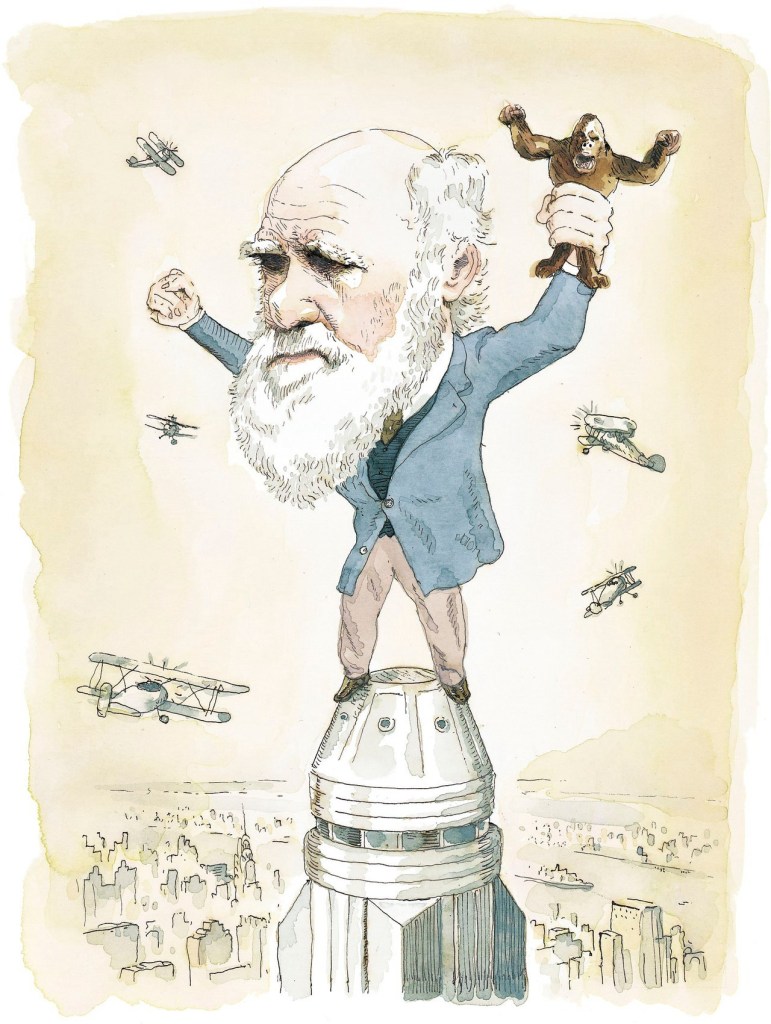
The Case of Charles Darwin: The Danger of Opposing God

Charles Darwin was given life, intelligence, and opportunity by God—but instead of using his gifts for God’s glory, he used them to oppose the very One who created him. With the brain God gave him, he had the audacity to try to outwit and contradict Almighty God, leading millions into deception. His theory of evolution has caused untold damage, weakening faith, sowing doubt, and giving many an excuse to reject their Creator.

This is a pattern we see throughout history. Margaret Sanger, the founder of Planned Parenthood, promoted wicked ideologies that have led to the deaths of countless unborn children. Like Darwin, she was used by Satan because her heart was not surrendered to God. This is what happens when people reject truth—they open themselves up to be tools for darkness.

The Bible warns in Romans 1:21-22, “For although they knew God, they did not honor Him as God or give thanks to Him, but they became futile in their thinking, and their foolish hearts were darkened. Claiming to be wise, they became fools.”

Darwin, like many others, thought he was pursuing wisdom, but in reality, he was being led astray. Human wisdom that rejects God is foolishness. And the devil knows exactly how to use people who are full of pride and rebellion.

Jesus said in John 8:44, “You are of your father the devil, and your will is to do your father’s desires. He was a murderer from the beginning, and does not stand in the truth, because there is no truth in him.”

Darwin may have thought he was simply following science, but in reality, he was being used to promote a lie that leads people away from God. This is exactly how Satan operates—he fills people with pride and deception so they will spread his rebellion to others.

Darwin’s Spiritual Decline: A Warning for Us All

Darwin started with some belief in God. He was raised in a Christian household and, as a young man, intended to become a clergyman in the Church of England. In fact, he studied theology at Christ’s College, Cambridge, and for a time, he accepted the argument for the design of nature as evidence of God’s existence.

However, as he developed his theory of evolution through natural selection, his religious beliefs began to change. The death of his beloved daughter Annie in 1851 also deeply affected him, contributing to his gradual loss of faith. But over time, instead of seeking God, he allowed doubt and personal pain to harden his heart. Instead of turning to God in his grief, he turned away.

Many people do the same today. They experience suffering and, rather than seeking God for answers, they blame Him and reject Him. But this is dangerous because when someone refuses to humble themselves before God, their heart grows cold, and Satan gains control over them.

The Deception of Religion Without Relationship

Many people, like Charles Darwin, grow up with the outward forms of religion but never experience the transformative power of a relationship with God. The Bible warns about this kind of empty religion in 2 Timothy 3:5, which says:

“Having a form of godliness but denying its power. Have nothing to do with such people.”

This verse describes a religion without power—a “form” that looks like faith but lacks the true transformation that comes from knowing God personally. Darwin, though raised in a Christian home, may have been familiar with Christian teachings and rituals, but he did not know God in the way the Bible describes.

Many today find themselves in similar positions. They attend church, know the Bible stories, and even follow certain Christian customs—but they have never experienced the power of God in their lives. They may think that religious activity can please God, but true Christianity is not about following rituals—it’s about knowing God personally. It’s about God reaching out to us and us responding to Him.

Christianity is unique in that it’s not about our efforts to reach God through rituals or sacrifices. God came to us in the person of Jesus Christ. He lived among us, died for us, and rose again to offer us forgiveness and eternal life. This is not a religion of human effort, but of divine grace. God does not want mere religious rituals—He wants our hearts, a living relationship with us. Jesus wants to know you personally.

In John 17:3, Jesus Himself says:

“This is eternal life, that they know you, the only true God, and Jesus Christ whom you have sent.”

This knowledge is not intellectual—it’s personal, a deep connection with God.

The Deception of Satan: How He Uses “Wisdom” to Lead People Astray

Satan doesn’t just work through obvious evil—he often works through what looks like intelligence and enlightenment. The Bible tells us:

“Satan disguises himself as an angel of light.” (2 Corinthians 11:14)

This means the devil doesn’t always tempt people with open wickedness; sometimes, he deceives them by making lies look like truth. Darwin’s theory, at first glance, seems scientific, but its real goal is to remove God from the picture.

This is Satan’s oldest trick! When he tempted Eve in the Garden of Eden, how did he do it?

“Did God really say…?” (Genesis 3:1)

He planted doubt in Eve’s mind, just as he does today with evolution, humanism, and self-reliance. Satan whispers: “Did God really create everything? Did He really make you? Or did you just evolve? Are you really accountable to a Creator?”

And just like Eve, millions have fallen for this deception. But Jesus said:

“You will know the truth, and the truth will set you free.” (John 8:32)

The truth is, God created everything, and all who reject Him will one day have to stand before Him in judgment.

How Evolution Attacks the Gospel Directly

Many think evolution is just a scientific theory, but it’s actually a direct attack on the gospel of Jesus Christ. Here’s why:

1. If evolution is true, then death existed before sin.

• The Bible teaches that death came as a result of sin (Romans 5:12).

• Evolution, however, claims that death was always part of nature.

• This means if evolution were true, there was no need for Jesus to die for sin—which completely destroys the message of the cross!

2. If humans are just evolved animals, then we have no real moral accountability.

• Without a Creator, people can justify any sin—abortion, sexual immorality, greed, pride—because there’s no “higher standard” to answer to.

• This is why society is in moral collapse—because when people reject God as Creator, they also reject His commandments.

3. It makes people put their faith in “science” instead of in God.

• Evolution is often presented as an undeniable fact, making people trust human theories over divine revelation.

• This is why many lose their faith—because they’re taught that the Bible is just a myth, while evolution is “proven.”

But God’s Word is the final truth, not human theories:

“Let God be true, and every man a liar.” (Romans 3:4)

The entire gospel message depends on the fact that God created us, we sinned, and Christ came to redeem us. Evolution tries to erase this truth, making it one of the most dangerous deceptions of our time.

Darwin’s Influence on Racism and Eugenics

Another devastating effect of Darwin’s ideas is how they contributed to racism and eugenics (the idea of “improving” humanity by eliminating “weaker” groups).

• Darwin’s book The Descent of Man suggested that some races were more evolved than others.

• His cousin, Francis Galton, took these ideas further and founded eugenics, which influenced Nazi ideology and racial supremacy movements.

• Margaret Sanger, the founder of Planned Parenthood, also supported eugenics, believing that certain people were “unfit” to reproduce.

Many don’t realize that Darwin’s ideas fueled some of the worst atrocities in history. The belief in “survival of the fittest” led to the dehumanization of entire groups, including Africans, Jews, and the disabled.

But the Bible says the opposite!

• “From one man, He made all the nations.” (Acts 17:26)

• “God created mankind in His own image.” (Genesis 1:27)

All humans, no matter their race or background, are made in God’s image and have equal worth. But when people reject this truth, they justify evil in ways they never would if they truly believed in the Creator.

The Real Issue: Sin and Rebellion

Darwin’s problem was not intellectual—it was spiritual. The Bible says in Psalm 14:1, “The fool says in his heart, ‘There is no God.’” Rejecting God is not a matter of intelligence but of the heart. People deny God not because they lack evidence but because they love sin and do not want to submit to Him.

Matthew 7:21-23:

“Not everyone who says to me, ‘Lord, Lord,’ will enter the kingdom of heaven, but the one who does the will of my Father who is in heaven. On that day many will say to me, ‘Lord, Lord, did we not prophesy in your name, and cast out demons in your name, and do many mighty works in your name?’ And then will I declare to them, ‘I never knew you; depart from me, you workers of lawlessness.’”

This is the truth: God does not want religious rituals, empty words, or intellectual knowledge. He wants a relationship. It’s not enough to know about God; we must know Him personally. This relationship begins with repentance—turning away from our sin and rebellion—and putting our faith in Jesus Christ, who is the only way to salvation.

True repentance involves acknowledging our sin, realizing that we cannot save ourselves, and surrendering our lives to Jesus as Lord and Savior. Jesus, through His death on the cross, took the punishment for our sin, and through His resurrection, He conquered death, offering us new life. This is the gospel—the good news that Jesus offers forgiveness to all who trust in Him.

The Call to True Faith

If you’ve never put your faith in Jesus, now is the time to make that decision. Repent of your sins, turn to Jesus, and trust in His work on the cross to save you. Jesus is not just a historical figure or a good teacher—He is the Savior, the Son of God, and He offers eternal life to anyone who believes in Him.

Romans 10:9-10 says,

“If you declare with your mouth, ‘Jesus is Lord,’ and believe in your heart that God raised Him from the dead, you will be saved. For it is with your heart that you believe and are justified, and it is with your mouth that you profess your faith and are saved.”

Jesus is the way, the truth, and the life (John 14:6). The only way to escape the penalty of sin, which is eternal separation from God, is through faith in Him. He offers forgiveness, eternal life, and a relationship with the Creator of the universe. It is not about religion; it is about knowing the living God.

Conclusion

Charles Darwin, though gifted with intellect, used his mind to oppose the very Creator who gave it to him. Like many others throughout history, his rejection of God led to devastating consequences—not just for himself, but for countless others. The lie of evolution has permeated society, encouraging people to live without acknowledging their Creator. But the gospel stands as the truth: Jesus Christ is the Creator, the Savior, and the only way to eternal life.

Don’t be deceived by empty religion or false ideologies. Repent and believe in the gospel of Jesus Christ. The world is full of lies, but Jesus is the truth. He calls all who are lost to come to Him and be saved.

“For God so loved the world, that He gave His only Son, that whoever believes in Him should not perish but have eternal life.” (John 3:16)

Choose life in Christ today.

Responding to God’s Call: Salvation, Repentance and Eternal Life

————

** Illustration by Barry Blitt

God Remains the Same Yesterday, Today, and Tomorrow

“…This is what the Sovereign Lord says: Whoever will listen let them listen, and whoever will refuse let them refuse; for they are a rebellious people.” ~ Ezekiel 3:27

In today’s rapidly changing world—where technology, culture, and views on right and wrong are in constant flux—many wonder why they should follow a God who revealed Himself thousands of years ago. They believe that because times have changed, God should change too. However, the Bible clearly tells us that God never changes: “Jesus Christ is the same yesterday and today and forever” (Hebrews 13:8). While everything around us may pass away, God’s Word remains eternal. As Isaiah 40:8 states, “The grass withers, the flower fades, but the word of our God will stand forever.” No matter how much the world shifts, God’s truth remains unchanged.

God’s Wisdom is Greater Than Ours

Many today trust in science, human reasoning, and their own opinions, believing themselves wiser than God. Yet, the Bible teaches that God’s ways are not our ways, and His thoughts are higher than ours (Isaiah 55:8-9). The very minds people use to argue against God are gifts from Him. Rather than thanking Him, many reject Him and attempt to convince others to do the same, believing they know better than the Creator. True wisdom begins with respecting the Lord (Proverbs 9:10).

God’s Word is Still Relevant

Despite claims that the Bible is outdated, human nature remains unchanged. The same issues we face today—greed, lust, selfishness, violence, and pride—are the problems we see in Scripture. People are still searching for love, peace, and purpose, just as they always have. The Bible offers timeless wisdom for every generation. The world may change, but people’s need for God remains constant.

Why Do People Reject God?

People often reject God, not because of a lack of evidence, but because they want to live according to their own desires. They are aware that their actions are sinful, but instead of seeking change, they refuse to turn to God. As John 3:20 says, “Everyone who does wicked things hates the light and does not come to the light, lest his works should be exposed.” Lust and sexual immorality are some of the most powerful forces that drive people away from God. Sin causes spiritual blindness, leading individuals to choose darkness over the light of God.

The Rejection of Jesus and Mocking His Name

An important aspect of rejecting God today is the casual use of Jesus’ name as a swear word. Many people use His name in vain, as though doing so diminishes His power or significance. However, Jesus is the One who gave us salvation—He is the only mediator between God and man (1 Timothy 2:5). To mock His name is not merely an attempt to trivialise Him, but an effort to justify sinful lifestyles. People who use Jesus’ name in this way aim to defy His authority and reject the truth of His gospel, which calls them to turn away from sin and embrace righteousness. Instead of respecting Him, they try to diminish who He is in their minds, hoping to justify their behaviours. This is not just disrespect—it’s a rejection of the only One who offers forgiveness and eternal life.

Leading Others into Sin

Not only do some reject God, but they also try to lead others into sin. They mock God, mislead others, and present His truth as irrelevant. Jesus warned against such hypocrisy in Matthew 23:13: “You shut the door of the kingdom of heaven in people’s faces. You yourselves do not enter, nor will you let those enter who are trying to.” People who mislead others know their actions are wrong but try to justify their rebellion by convincing others that living according to God’s Word is foolish. This deception leads others away from the truth and towards destruction.

Why Doesn’t God Punish Those Who Mock Him?

Some question why God doesn’t punish those who mock Him. The answer is simple: God is patient. As 2 Peter 3:9 explains, “The Lord is not slow in keeping His promise… Instead, He is patient with you, not wanting anyone to perish, but everyone to come to repentance.” God is offering everyone time to repent. His patience reflects His mercy, but one day, judgment will come, and everyone will have to answer for their actions. As Philippians 2:10-11 reminds us, “Every knee will bow, and every tongue will confess that Jesus Christ is Lord.”

Pray for Those Who Are Blinded

The rejection of God, especially by those who actively try to turn others away, stems from spiritual blindness. As 2 Corinthians 4:4 states, “The god of this world has blinded the minds of unbelievers, to keep them from seeing the light of the gospel of the glory of Christ.” Rather than harbouring anger, we must pray for those who are lost. Their blindness is not entirely their fault, as they are under the enemy’s influence. Just as Jesus prayed for His persecutors (Luke 23:34), we too must pray for God to open their eyes to the truth.

Stand Strong in Your Faith

In a world that rejects God’s truth, we must remain firm in our faith. Though the world may call us outdated or foolish, God’s Word never changes. As Hebrews 4:12 tells us, the Bible is alive and powerful. Regardless of the world’s changes, God’s love, power, and truth remain the same. As Christians, we are called to be salt and light in a world that needs the gospel. Even when others reject God, we must stand firm in His truth and pray for those who are lost, asking God to open their hearts to the message of salvation. For Jesus Christ is the same yesterday, today, and forever.

————-

***Photo by Cottonbro at Pexels

Made in God’s Image: A Radical Truth in a Confused World

In a world increasingly shaped by confusion and conflicting ideologies about our identity, it’s essential to return to the truth of Scripture to rediscover who we truly are. The profound and foundational truth that we are made in God’s image is not only the key to understanding our purpose but also the antidote to the confusion and despair that many face today. At the same time, we see a striking contradiction in society. On one hand, there is a growing emphasis on mental health and well-being, particularly for children and young people—a focus that is undeniably valuable. Yet, on the other hand, these same individuals are often taught that they are merely the accidental products of random, unguided processes. This disparity raises urgent questions about where our true value and sense of purpose come from.

This prevailing worldview, commonly seen in schools and even showcased in places like the Natural History Museum, suggests that humans originated from a “molecule-to-man” evolutionary process through natural selection. Under this framework, human beings are stripped of intrinsic value or ultimate purpose. If we are merely “rearranged atoms,” no different than the chairs we sit on, why should we consider ourselves more valuable than those objects? One bleak perspective even puts it this way: “It’s a fluke that you were born, all is futile while you live, and you’ll be fertilizer when you die.”

Environmental concerns, often valid, further deepen this narrative by portraying humanity as the planet’s primary problem. Influential figures like David Attenborough have even referred to mankind as a “plague on the planet.” These ideas contribute to widespread struggles among young people—challenges with identity, worth, and purpose—often leading them to cling desperately to fleeting causes.

The Bible’s Antidote: Our True Identity

Amid this cultural confusion, we find hope and clarity in the Bible. Genesis 1:26-27 teaches us a radically different truth about who we are. Humanity is made in the image of God. This phrase appears three times in just two verses, emphasizing its importance. “Then God said, “Let us make mankind in our image, in our likeness, so that they may rule over the fish in the sea and the birds in the sky, over the livestock and all the wild animals, and over all the creatures that move along the ground.” 27 So God created mankind in His own image, in the image of God He created them; male and female He created them.”

Humanity’s Unique Role in Creation

It is essential to note that only humans are described as being made in God’s image. While other living things are described as being made “according to their kind” (Genesis 1:24-25), humanity is set apart. Though we share similarities with animals, such as being made of the same physical elements and consuming similar foods, the differences are vast and profound:

Communication: Human communication is far more complex.

Innovation: Unlike spiders that spin the same web design repeatedly, humans innovate endlessly.

Self-awareness: Humans ponder their purpose, study the world, and plan for the future.

Appreciation of beauty: Our ability to create and appreciate art reflects the Creator Himself.

The Bible clearly teaches that the image of God was present from humanity’s beginning. This is not a trait added partway through a slow evolutionary process. Genesis 5:3 confirms that Adam passed this image onto his descendants, meaning all humans are bearers of God’s image. Furthermore, Genesis 1:31 declares that creation was not just “good” but “very good” only after humanity was created. Humanity is the pinnacle of God’s creation, the culmination of His work, as Psalm 8 poetically reflects: “You made man a little lower than the angels and crowned him with glory and honor.”

What Does It Mean to Be Made in God’s Image?

The phrase “image of God” comes from the Hebrew word “tselem,” meaning a replica or representative. In the ancient Near East, kings would place statues of themselves in far-flung regions of their empires to symbolize their authority. Similarly, humanity represents God’s authority and presence in the world.

Here are five “R’s” that summarize what it means to be made in God’s image:

1. Representing God

We are God’s representatives on Earth, symbolizing His dominion and authority. This is why the second commandment forbids creating images of God for worship; humanity itself is His intended representation.

2. Resembling God

The phrase “in His likeness” (Hebrew: “demuth”) expands the idea of resemblance. We resemble God in personal, moral, and rational ways:

• We are personal beings, capable of relationships.

• We are moral beings, understanding right and wrong.

• We think, reason, feel, and act with purpose, as God does.

While we are not divine—we are neither eternal nor self-sufficient like God—we reflect aspects of His character, much like the moon reflects the light of the sun.

3. Ruling for God

Genesis 1:26 continues: “…so that they may rule over the fish in the sea, the birds in the sky, and over all the earth.” The word for “rule” (Hebrew: “rāḏâ”) implies dominion and stewardship. Humans are entrusted with managing creation for its benefit, a role that remains positive despite the fall.

This stewardship involves cultivating and managing the earth to promote flourishing. Genesis 2 expands on this role, depicting Adam placed in the Garden to “work it and take care of it” (Genesis 2:15). Contrary to popular claims that nature would thrive without humans, evidence shows that human management often increases biodiversity and ecological health. For instance, even secular conservationists recognize that rewilding efforts (leaving land untouched) can reduce biodiversity. Carefully managed areas, such as gardens or cultivated lands, often support more diverse ecosystems than those left wild.

4. Reflecting God

As God’s image bearers, we are called to reflect His attributes—His love, righteousness, and justice. This reflection glorifies Him and points others to His character.

A Unique Design and Purpose

Humanity’s role as God’s image bearers underscores our unique purpose. Adam’s naming of the animals (Genesis 2:19-20) highlights this distinction; no animal was found to be a suitable helper for Adam because none shared God’s image.

When God declared it was “not good” for man to be alone (Genesis 2:18), He created woman as a complementary partner, further emphasizing the relational nature of humanity—a reflection of the relational nature of God Himself.

This foundational truth—that humanity is made in the image of God—contradicts the despairing messages of our culture. It affirms our value, dignity, and purpose, reminding us that we are more than atoms or accidents. We are God’s representatives, rulers, and reflections, created to glorify Him and enjoy His creation.

5. Made for Relationship

In addition to representing, resembling, and ruling for God, humanity was created for relationship. Genesis 1:27 emphasizes this: “male and female He created them.” Relationships are central to the human experience because they reflect the very nature of God Himself.

In Genesis 1:26, God says, “Let us make mankind in our image, in our likeness.” The plural pronouns point to the truth of the Trinity—God as one being in three persons: Father, Son, and Holy Spirit. This perfect, eternal relationship of love within the Trinity has profound implications. It reveals that love is intrinsic to God’s nature. Even before creating humanity, God existed in a communion of love. Unlike a solitary deity, a trinitarian God is inherently relational, making Him a God of love.

God’s design for us is rooted in this relational nature. He created us to participate in this love and to relate to Him in worship. In Genesis, God speaks to Adam and Eve, commands them, and walks with them in the garden. Humanity alone, among all creation, is given the capacity to communicate with God and with one another in meaningful ways.

Reflecting God in Human Relationships

God’s design extends to human relationships, starting with marriage. The union of man and woman reflects God’s relational nature and serves as a foundation for families. The psalmist speaks of God placing the lonely in families, emphasizing that all relationships—friendships, families, and communities—find their root in our shared identity as image-bearers of God.

However, society often promotes individualism and isolation, countering God’s intention for relationships. The idea of self-sufficiency, where everything is tailored for individual consumption, may seem appealing, but it directly opposes the biblical truth that we are created for connection.

The Marring of the Image

Although we are made in the image of God, that image has been marred by sin. Genesis 3 describes the fall of humanity through Adam and Eve’s disobedience. Though we retain God’s image, it has been distorted. Like graffiti defacing a masterpiece, sin obscures our ability to fully reflect God’s glory and carry out our God-given roles.

The Nature of the Fall

Satan’s temptation to Eve was rooted in pride and dissatisfaction. He suggested that she could “be like God,” ignoring the truth that humanity was already made in His image. Adam, failing to exercise his headship, joined in disobedience. As a result, sin entered the world, bringing suffering, pain, and death.

This is not how God created the world to be. Death and suffering are direct results of human sin, not inherent aspects of God’s creation. To argue otherwise undermines God’s goodness and the hope of redemption. The consequences of the fall are evident: fractured relationships, environmental exploitation, and a culture that either devalues humanity or elevates it to a godlike status.

Modern Rebellion Against God’s Design

Today, the rejection of God’s image leads to a host of societal issues. When we deny the intrinsic value of life, practices like abortion and euthanasia become normalized. The redefinition of marriage and gender further undermines God’s design, leaving people searching for identity and purpose in fleeting things like possessions, fame, or personal achievements. But these pursuits are inadequate. When our worth is tied to impermanent things, failure leaves us devastated. We begin to see others as objects, either competitors or tools for our benefit. This rejection of God’s image results in a society that dehumanizes itself.

The Mending of the Image

Thankfully, the story doesn’t end with the marring of the image. Through Jesus Christ, God has provided a way to restore what was broken.

Christ: The Perfect Image of God

Colossians 1:15 declares, “The Son is the image of the invisible God.” Unlike humanity, Christ is not merely made in the image of God—He is the image of God. As the Creator, Jesus demonstrates dominion over creation, calming storms, multiplying food, and even commanding fish to fulfill His purposes. He is the ultimate human, fully reflecting God’s glory while living in perfect obedience.

Yet, Christ did more than provide an example. He lived the life we were meant to live and bore the punishment for our sins. On the cross, He was marred for our transgressions so that we could be mended. Through His death and resurrection, He made reconciliation with God possible, restoring us to our original purpose as image-bearers.

Becoming Like Christ

When we repent and trust in Christ, God begins a process of transformation. Romans 8:29 explains that we are “predestined to be conformed to the image of His Son.” This transformation is not about adding religion to our lives but about aligning with the purpose for which we were created: to glorify God and enjoy Him forever.

This restoration affects every aspect of our lives. It shapes how we relate to others, how we steward creation, and how we pursue work and creativity. No longer striving for self-glory, we live to reflect God’s love, peace, and justice.

The Fulfillment of Restoration

One day, God will complete this work of restoration. Revelation promises a new creation where His people will dwell with Him forever, fully restored to His image. Until that day, we live with the hope and assurance that we are precious to God, not because of anything we achieve, but because of what Christ has done.

If you have not yet repented and turned to Christ, now is the time. Only through Him can we be restored to our true purpose and identity. May we all live as God intended, for His glory and the good of His creation.

Amen.

—-—————-

** How to become a child of God

** Summary of Talk By Matthew Pickhaver from Biblical Creation Trust / Picture by Mart Production at Pexels

** Recommended article: One Human Race – the Biblical, Scientific & Historical Truth about Human Diversity

Spiritual Pride: A Hidden Danger for Believers

“Your heart became proud on account of your beauty, and you corrupted your wisdom because of your splendor.” ~Ezekiel 28:17. The sin that corrupted Lucifer was self-generated pride. He became so impressed with his own beauty, intelligence, power, and position that he began to desire for himself the honor and glory that belonged to God alone, and thus he was cast out of heaven. ~Ezekiel 28:18.

As Christians, we are called to walk in humility, following the example of Jesus Christ. However, as we pursue a life of faith, we may unknowingly face a dangerous pitfall along the way: spiritual pride. Spiritual pride can be difficult to recognize because it often masquerades as a sense of religious conviction or spiritual accomplishment. This form of pride can harm our relationship with God and others, drawing us away from the humility Christ taught. Understanding what spiritual pride is, how it manifests, and how to guard against it can help us live a faith that is truly centered on God’s grace.

What Is Spiritual Pride?

Spiritual pride occurs when a believer begins to take undue pride in their own righteousness, knowledge, or “spiritual achievements.” It can start subtly, creeping in as we grow in our faith, gain biblical knowledge, or feel closer to God. Rather than focusing on God’s grace, we may start to view ourselves as more “holy” or “enlightened” than those around us. While growth in faith is a wonderful thing, the danger of spiritual pride lies in shifting our focus from God to ourselves.

Biblical Warnings About Spiritual Pride

The Bible provides numerous examples of spiritual pride, often contrasting it with humility. Here are some key passages that warn us about the dangers of pride, especially when it enters our spiritual lives:

1. The Pharisee and the Tax Collector (Luke 18:9-14)

Jesus tells the parable of a Pharisee and a tax collector who went to the temple to pray. The Pharisee’s prayer was filled with self-righteousness, thanking God that he was “not like other men.” The tax collector, on the other hand, humbly asked for mercy. Jesus declared that the tax collector, not the Pharisee, went home justified before God. This parable reminds us that God values humility over pride, especially pride based on religious actions.

2. Pride Before a Fall (Proverbs 16:18)

“Pride goes before destruction, a haughty spirit before a fall.” When we allow pride to seep into our spiritual lives, it blinds us to our need for God’s grace, making us vulnerable to stumbling. This verse reminds us that humility is essential to walking in alignment with God’s will.

3. Paul’s Teaching on Grace (Ephesians 2:8-9)

Paul emphasizes that salvation is a gift from God, “not of works, lest any man should boast.” If we start to view our faith as something we’ve achieved, we risk boasting in ourselves rather than in the saving grace of Christ. Spiritual pride undermines the foundation of the Gospel, which is based on God’s grace, not our own merit.

Signs of Spiritual Pride in Our Lives

Spiritual pride can be hard to spot, especially since it often comes disguised as faithfulness or dedication. Here are a few signs that spiritual pride may be creeping into our lives:

1. Judgmental Attitude Toward Others

Spiritual pride often manifests as a judgmental attitude. We may find ourselves looking down on others who don’t seem as “mature” in their faith, questioning their sincerity or devotion. This judgment is rooted in pride, not in God’s love. Jesus reminded us not to judge others, as only He can see the heart (Matthew 7:1-5), however we are called to discern the spirit (1 John 4:1).

2. Desire for Recognition

Do we feel a need for others to see or acknowledge our spiritual efforts? Jesus warned against practicing our faith for the sake of appearance. He taught that when we give, pray, or fast, we should do so in secret, so that our reward is from God, not human praise (Matthew 6:1-6).

3. A Sense of “Arrival” in Our Faith

Spiritual pride can make us feel as though we’ve “arrived” at a place of deep understanding or holiness, diminishing our desire for further growth. This mindset blocks the Holy Spirit’s work in our lives, as it blinds us to our own weaknesses. The Christian life is a lifelong journey, and we should always approach it with a teachable spirit.

4. Isolation from Those “Less Mature”

When spiritual pride takes hold, we may avoid those we consider “less mature” in faith, seeing ourselves as above them. Yet Jesus spent time with sinners and outcasts, showing us that true spirituality is marked by compassion and connection, not separation.

Touching God’s Glory: A Warning Against Self-Centered Faith

In Christian teaching, God’s glory is central to everything we do. Isaiah 42:8 reminds us, “I am the LORD; that is my name; my glory I give to no other.” When we take credit for spiritual accomplishments or make faith about our own achievements, we are at risk of “touching” or taking credit for God’s glory. This often happens subtly as we grow in our spiritual lives, especially if we start to feel more “advanced” or “righteous” than others. This desire for recognition or approval, even in matters of faith, can lead us to take ownership of things only God has done.

Spiritual pride, when unchecked, tempts us to claim credit for the growth, insights, and transformations that are truly the work of the Holy Spirit in us. We may forget that any good we do, any understanding we have, and any growth we experience are ultimately God’s gifts to us, not our own achievements. Jesus taught in John 15:5, “Apart from me you can do nothing.” This truth reminds us that the power and goodness in our lives flow from God alone. To take credit for them not only misrepresents the truth but also diminishes our awe and gratitude toward God, who deserves all the glory.

Misplacing Credit: Recognizing the Holy Spirit’s Role and Discernment Against Deception

As we grow in faith, it’s essential to recognize that every good work, every insight, and every blessing in our lives is ultimately from God through the power of the Holy Spirit. Sometimes, however, spiritual pride or a lack of discernment can lead us to give credit for these works elsewhere—perhaps to a revered saint, man of God or even our own strength—rather than acknowledging God’s hand in our lives. While people may honor and seek intercession from saints, Scripture is clear that the power to transform lives, perform miracles, and guide us into truth belongs to the Holy Spirit alone and there is only one intercessor between God and men, Jesus Christ (John 14:26, Acts 1:8, 1 Timothy 2:5). Misplacing this credit, however well-intentioned, can obscure our reliance on God and His truth.

Moreover, the Bible warns us about the enemy’s tactics to deceive through counterfeit signs and miracles. Jesus cautioned in Matthew 24:24 that false prophets and false signs could lead people astray, even those in the faith. Satan’s deceptive works are meant to distract us from the truth, enticing people to give honor where it doesn’t belong. Understanding this reminds us to remain vigilant and discerning, always comparing any spiritual experience to the truth of God’s Word.

When spiritual pride enters, it can make us more vulnerable to these deceptions, as we may become focused on external displays of faith rather than genuine reliance on God. By maintaining humility and giving credit to the Holy Spirit alone, we guard our hearts from both misplaced honor and deception.

How Spiritual Pride Affects Our Relationship with God and Others

Spiritual pride can be extremely damaging, both to our relationship with God and with our fellow believers. Here are some ways it impacts our walk with Christ:

Weakening Our Dependence on God

Spiritual pride makes us rely more on our own efforts than on God’s grace. When we focus on our accomplishments or knowledge, we lose sight of our continual need for God’s mercy and guidance.

Creating Barriers in Community

Pride can create walls between us and other believers. The body of Christ is meant to be unified, with each member supporting and learning from one another. Spiritual pride disrupts this unity by fostering a spirit of judgment or competition.

Preventing Personal Growth

Pride stops us from seeing our own shortcomings. When we’re too focused on what we think we know or have achieved, we close ourselves off to the refining work of the Holy Spirit. True growth requires humility and an openness to God’s correction.

How to Guard Against Spiritual Pride

Guarding against spiritual pride requires a commitment to humility, self-reflection, and a reliance on God’s grace. Here are some practical steps to help us stay on track:

1. Pray for a Humble Heart

Scripture encourages us to “clothe ourselves with humility” (1 Peter 5:5). We can pray that God would reveal any areas of pride in our hearts and give us a humble spirit. Regularly seeking God’s help in maintaining humility keeps us aware of our dependence on Him.

2. Examine Our Motives

It’s essential to check our motives, especially in our acts of faith. Are we seeking to glorify God or to receive approval from others? Taking time for honest self-reflection keeps our hearts aligned with God’s purposes.

3. Focus on Serving Others

Jesus taught us that the greatest among us should be a servant (Matthew 23:11). When we focus on quietly serving others rather than elevating ourselves, we are reminded of Christ’s humility and love. Acts of selfless service without looking for honour can help dismantle pride.

4. Remember Our Need for Grace

Meditating on God’s grace keeps us grounded. Paul wrote, “What do you have that you did not receive?” (1 Corinthians 4:7). Everything we have, including our faith, is a gift from God. By regularly reflecting on our dependence on His grace, we maintain a spirit of gratitude and humility, remembering that our spiritual journey is not one of personal achievement but one of God’s generosity and love.

A Prayer for Humility and Freedom from Spiritual Pride

Heavenly Father,

We come before You with humble hearts, acknowledging that without Your grace, we are nothing. Lord, we confess that pride sometimes creeps into our hearts, leading us to rely on ourselves rather than on You. Help us to see ourselves honestly and to root out any spiritual pride that blinds us to our dependence on You.

Holy Spirit, fill us with a deeper sense of Your presence and Your work in our lives. Remind us that every good thing, every insight, and every blessing comes from You alone. Guard our hearts against deception and any temptation to give glory to anyone or anything other than You. May we recognize the subtle ways the enemy seeks to distract us and remember that true power and goodness come from You alone.

Jesus, teach us to walk in the humility You modeled. Help us to focus not on our own achievements or knowledge but on serving others and bringing glory to Your name. May our lives be a reflection of Your love and grace, shining light not on ourselves but on You, our Lord and Savior.

In Your name we pray Jesus, Amen.

———————-

** Photo by Pixabay at Pexels / Intro by Ron Rhodes from Reasoning from the Scripture ministries