8 Ways to Embrace Our Identity in Christ: Living with Dignity, Self-Worth, and Love

Confidence and self-esteem are not merely products of worldly success or affirmation but are rooted in understanding who we are in Christ. The Bible is rich with truths about our worth, purpose, and identity, reminding us that we are fearfully and wonderfully made, loved with an everlasting love, and called to reflect God’s image.

When we align our view of ourselves with God’s truth, we are free to live with a sense of dignity and purpose that goes beyond external achievements or others’ opinions. Here’s a comprehensive guide to embracing and living out your God-given identity, grounded in Scripture and made actionable through daily choices.

1. Our Worth as Image-Bearers of God

The Bible’s opening chapters reveal a foundational truth: we are created in the image of God (Genesis 1:27). This means that our value doesn’t come from anything we do, but from the very fact that God has stamped His image upon us. Psalm 139:14 reminds us that we are “fearfully and wonderfully made,” declaring that our worth is not contingent on our appearance, achievements, or social standing.

Being made in God’s image means that we are called to reflect His character—His love, patience, and humility. When we truly understand this, we realize that our value is secure, rooted in God’s creation of us and His unchanging love.

In light of this, let your daily choices reflect this sacred identity. As image-bearers of God, seek to embody His character in your interactions with others, offering grace where there is conflict and patience where there is frustration. When negative thoughts about your appearance or achievements arise, combat them by declaring the truth of your worth in Christ. Surround yourself with reminders of God’s promises—write them down, meditate on them, and share them with others to help reinforce your understanding of your inherent value.

2. Replacing Negative Self-Talk with God’s Truth

It’s common to face an inner voice that highlights flaws, mistakes, or inadequacies. This negative self-talk can hinder us from embracing the truth of who we are in Christ. Scripture reminds us that we must “take every thought captive to make it obedient to Christ” (2 Corinthians 10:5). When we allow God’s truth to reshape our thoughts, we can silence the lies that undermine our confidence and self-esteem.

To incorporate this truth, begin by identifying the recurring negative thoughts that burden you. Each time a thought arises, intentionally replace it with a corresponding truth from Scripture. For instance, if you feel unworthy, remember the words of Isaiah 43:1: “Fear not, for I have redeemed you; I have called you by name, you are mine.” Practice speaking these truths aloud to reinforce them in your heart and mind.

Additionally, cultivate a habit of listening for God’s voice in moments of doubt. Spend time in prayer, asking Him to reveal His perspective on you. Over time, this practice will transform the way you think, enabling you to see yourself through His loving eyes.

3. Practicing Gratitude for the Way God Created You

When we focus on what we lack, we risk overlooking the gifts and blessings God has given us. Gratitude shifts our perspective from deficiency to abundance, reminding us that we are uniquely designed by God for His purposes. By celebrating how God created us, we strengthen our confidence and grow in our ability to love ourselves as He loves us.

Incorporate gratitude by pausing each day to reflect on the ways God has blessed and equipped you. Acknowledge the talents, traits, and abilities that make you uniquely suited to fulfill His purposes. Use these reflections to fuel acts of worship—whether through singing, journaling, or simply expressing thanks to God in prayer. Celebrate your individuality by exploring your gifts and finding ways to use them to glorify God, whether that’s through creativity or service.

4. Surrounding Yourself with Supportive, Faith-Filled Community

The people around us have a profound influence on how we view ourselves. A supportive, faith-centered community can encourage us to see ourselves as God does, offering the love, affirmation, and accountability we need to grow in confidence. Hebrews 10:24-25 reminds us of the importance of encouraging one another and building each other up.

Seek out opportunities to build deeper connections within your church or faith community. Participate in small groups, prayer circles, or Bible studies where you can share your struggles and victories. When you’re surrounded by those who uplift you in Christ, you’ll find it easier to believe the truths about your worth and identity. Be intentional about being that source of encouragement to others as well—whether through kind words, acts of service, or simply being a listening ear.

5. Stepping Out in Faith and Serving Others

One of the most powerful ways to build confidence is by serving others. When we focus on the needs of those around us, we experience the joy and purpose that comes from being part of God’s mission. Jesus Himself modeled this, reminding us in Mark 10:45 that He came “not to be served, but to serve.”

Consider where God may be calling you to step out in faith. Is there a ministry, outreach program, or community need that aligns with your gifts and passions? Serving others not only blesses them but also deepens your understanding of your own value in God’s plan. As you serve, take note of the ways God works through you—whether it’s through a kind word, a small gesture, or a shared moment of prayer. These experiences reinforce the truth that you are a vessel of His love and grace.

6. Embracing Growth and Letting Go of Perfectionism

Low self-esteem often stems from the pressure to meet unrealistic standards. But God doesn’t call us to perfection; He calls us to growth. Philippians 1:6 reassures us that “He who began a good work in you will carry it on to completion.” When we embrace growth as a journey rather than a destination, we free ourselves to make progress without the fear of failure.

Each day, ask God to guide your growth and show you where He wants to refine you. Be patient with yourself as you work toward your goals, and celebrate even the smallest victories as evidence of His transformative work in your life. Surround yourself with reminders of God’s grace, whether through Scripture, worship, or the testimonies of others. Over time, you’ll find that letting go of perfectionism allows you to live with greater peace and confidence.

7. Praying for God’s Perspective on Yourself

Despite our best efforts, we may sometimes struggle to see ourselves as God does. In these moments, prayer is a powerful tool for inviting God to renew our hearts and minds. When we ask Him to reveal His perspective, we open ourselves to a deeper understanding of His love.

Make prayer a consistent part of your daily routine, asking God to help you align your thoughts with His truth. Trust that He will answer by reminding you of His promises, whether through Scripture, worship, or the encouragement of others. As you cultivate this habit, you’ll begin to see yourself—and others—through the lens of His grace and compassion.

8. Honoring Our Bodies as Temples of the Holy Spirit

The Bible teaches that our bodies are temples of the Holy Spirit, sacred and worthy of respect. Paul writes in 1 Corinthians 6:19-20, “Do you not know that your bodies are temples of the Holy Spirit, who is in you, whom you have received from God? You are not your own; you were bought at a price. Therefore, honor God with your bodies.”

To honor your body as God’s temple, start by making choices that reflect care and respect. This could mean nourishing your body with healthy food, staying active, and ensuring you get enough rest. Avoid habits or behaviors that harm your body or compromise your well-being. Remember, your body is a gift from God—one that enables you to serve Him and others.

As you care for your physical health, consider how your actions can also reflect spiritual growth. Use your body to glorify God, whether through acts of service, worship, or simply by living a life that honors His presence within you.

Conclusion: Living Out Our Identity in Christ

The journey of embracing our identity in Christ is one of daily surrender and intentionality. By anchoring our self-worth in God’s truth, we can live with confidence, dignity, and love, reflecting His character in all we do.

Let your life be a testimony to God’s grace, a reflection of His love, and an expression of His purpose. As you grow in your understanding of who you are in Christ, may you find the strength to walk boldly in His truth, knowing that you are cherished, called, and equipped for His glory.

Closing Prayer:

“Lord, thank You for creating me in Your image and for loving me with an everlasting love. Help me to see myself through Your eyes and to walk in the worth and dignity You have given me. Guide me to live as an ambassador of Your love and to reflect Your grace in my relationships. May I honor my body as Your temple, cherishing it as a gift from You. Teach me to glorify You in all I do, and to live as an heir of Your kingdom. In Jesus’ name, Amen.”

————————

*** Photo by Heber Vazquez at Pexels

From Despair to Hope: A Lifeline for the Suicidal and Broken

“Come to me, all you who are weary and burdened, and I will give you rest…” ~ Matthew 11:28

In a world burdened by struggles, confusion, and despair, many find themselves in battles that feel overwhelming and unwinnable. Suicidal thoughts, depression, and feelings of worthlessness are weapons used by the enemy to isolate and weaken us. I know because I have been there. The Bible reminds us in Ephesians 6:12 that our struggle is not merely against flesh and blood, but against the spiritual forces of darkness.

People are being tormented by the enemy, Satan, through various means, including addictions, mental illness, and painful life circumstances. The enemy whispers lies of hopelessness, worthlessness, and fear into the hearts of the vulnerable. Yet even in these dark times, there is hope—hope found in the unfailing love of our Creator and the healing power of Jesus Christ.

Understanding the Struggle

Suicidal thoughts are often rooted in deep pain caused by life’s challenges—loss, trauma, addiction, or mental illness. Drugs and alcohol, while often used to numb the pain, can open doors to spiritual oppression, intensifying feelings of despair. Mental health conditions may leave individuals feeling trapped, and overwhelming life circumstances can make escape seem impossible.

It is vital to understand that these struggles are not signs of weakness or failure. Instead, they are symptoms of a larger spiritual and emotional battle. Suicidal thoughts are not who you are; they are part of the fight you are facing.

Hope in the Midst of Despair

Every life matters, and we are deeply loved by our Heavenly Father. God’s Word assures us of His love:

“The Lord is close to the brokenhearted and saves those who are crushed in spirit” (Psalm 34:18).

“For I know the plans I have for you,” declares the Lord, “plans to prosper you and not to harm you, plans to give you hope and a future” (Jeremiah 29:11).

God created each of us with purpose and value. He cares for us deeply, from the womb to the tomb, and longs to bring healing and restoration to our lives—mind, body, and soul.

The Gift of Salvation

When Jesus came to earth, He brought hope and freedom. He came to save us from sin and its consequences, offering eternal life to all who believe in Him. Sin, which separates us from God, takes many forms—sexual immorality, addictions, lying, unforgiveness, and more. While these sins weigh us down, Jesus offers forgiveness and redemption.

Through His death on the cross and resurrection, Jesus conquered sin and death. His sacrifice allows us to be restored to God, no matter how broken we feel. Romans 10:9 says, “If you declare with your mouth, ‘Jesus is Lord,’ and believe in your heart that God raised Him from the dead, you will be saved.” This invitation is for everyone, regardless of background or past mistakes.

Breaking the Chains of Hopelessness

The enemy thrives on lies, isolating us with thoughts of worthlessness and despair. To break free, we must replace these lies with God’s truth:

• Lie: “I am worthless.”

Truth: “You are fearfully and wonderfully made” (Psalm 139:14).

• Lie: “No one cares about me.”

Truth: “Cast all your anxiety on Him because He cares for you” (1 Peter 5:7).

• Lie: “There’s no hope for me.”

Truth: “For nothing will be impossible with God” (Luke 1:37).

Practical and Spiritual Steps Toward Healing

1. Seek God’s Deliverance and Healing

• Turn to Him in Prayer: Confess your struggles to God and ask Him to heal your heart and mind.

• Pray for Freedom from Oppression: Whether your struggles stem from addictions or spiritual attacks, ask God to break the chains.

• Invite the Holy Spirit to Fill You: The Holy Spirit strengthens and comforts us in ways no one else can.

2. Surround Yourself with a Supportive Community

Isolation is one of the enemy’s most powerful tools. Connect with a local church, prayer group, or supportive friends who can encourage you and walk alongside you in your healing journey.

3. Spend Time in God’s Word

The Bible is full of promises and encouragement for those who are hurting. Meditate on passages like these:

• “Come to me, all you who are weary and burdened, and I will give you rest” (Matthew 11:28).

• “I can do all things through Christ who strengthens me” (Philippians 4:13).

4. Seek Professional Help

• Mental Health Support: Therapy and medical care are essential tools in addressing depression and mental illness. God often works through professionals to bring healing.

• Faith-Based Recovery: If addiction plays a role in your struggles, consider joining a recovery group that focuses on both spiritual and practical growth.

Take One Day at a Time

Healing is a journey, not an instant transformation. Focus on trusting God each day and allowing Him to guide you step by step.

Finding Purpose in Pain

God can take the most painful experiences and use them for good. Your journey, as difficult as it may be, can become a testimony of hope for others. When you allow God to bring healing, your story can inspire and encourage those who feel lost and alone.

An Invitation to New Life

If you’re battling suicidal thoughts, Jesus invites you to come to Him as you are. He loves you unconditionally and offers rest for your weary soul. Lay your burdens at His feet, and trust that He will provide peace and strength to overcome.

As Romans 8:38-39 says, “For I am convinced that neither death nor life, neither angels nor demons, neither the present nor the future, nor any powers… will be able to separate us from the love of God that is in Christ Jesus our Lord.”

You Are Not Alone

If you are struggling with suicidal thoughts, please know that you are not alone. God sees your pain and loves you deeply. Reach out to a trusted person, counselor, or crisis hotline for immediate help. Healing and restoration are possible through Him.

No matter how dark life may feel right now, God has a purpose and a plan for you. He stands ready to embrace you with open arms and lead you into a future filled with hope and healing. Choose life today. Choose Jesus.

A list of organizations that provide support in the USA and UK:

Christian Organizations Offering Support and Resources (USA) 🇺🇸

  1. Focus on the Family
    www.focusonthefamily.com
    Offers counseling, resources, and guidance for individuals and families facing challenges.
  2. Celebrate Recovery
    www.celebraterecovery.com
    A Christ-centered 12-step recovery program for those struggling with addiction, pain, or trauma.
  3. National Association for Christian Recovery (NACR)
    www.nacr.org
    Provides resources for those in recovery and seeking healing through faith.
  4. The Hope Line
    www.thehopeline.com
    Offers free Christian counseling and support for those struggling with depression, anxiety, or suicidal thoughts.
  5. American Association of Christian Counselors (AACC)
    www.aacc.net
    Helps connect individuals with licensed Christian counselors for mental health and spiritual support.
  6. Billy Graham Evangelistic Association (BGEA) Prayer Line
    www.billygraham.org | Call: 1-877-247-2426
    Offers prayer and spiritual guidance for anyone in need.
  7. Teen Challenge USA
    www.teenchallengeusa.org
    Faith-based recovery programs for teens and adults struggling with life-controlling issues.
  8. Faithful Counseling
    www.faithfulcounseling.com
    A platform for online therapy with licensed Christian counselors.
  9. GriefShare
    www.griefshare.org
    A support group and resource network for those grieving the loss of a loved one.

Christian Organizations Offering Support and Resources (UK) 🇬🇧

  1. Premier Lifeline (Christian Helpline)
    www.premierlifeline.org.uk | Call: 0300 111 0101
    A confidential Christian helpline offering support and prayer.
  2. Mind and Soul Foundation
    www.mindandsoulfoundation.org
    Provides resources and support at the intersection of faith and mental health.
  3. Christian Counseling UK
    www.counsellinguk.org
    Connects individuals with Christian counselors across the UK.
  4. Hope UK
    www.hopeuk.org
    A Christian organization providing education and support around addiction and substance abuse.
  5. The Samaritans (Christian Volunteers Available)
    www.samaritans.org | Call: 116 123
    Offers 24/7 support for anyone in emotional distress, with Christian volunteers available upon request.
  6. CAP (Christians Against Poverty)
    www.capuk.org
    Provides free debt counseling and support for those in financial difficulty.
  7. Youth for Christ (YFC UK)
    www.yfc.co.uk
    Offers resources and support for young people, with a focus on faith and hope.
  8. Christian Helplines Association (CHA)
    www.christianhelplines.org.uk
    A network of Christian helplines offering prayer and emotional support.
  9. Alcoholics Victorious UK
    www.alcoholicsvictorious.co.uk
    A Christian-based support network for individuals overcoming addiction.
  10. Churches Together in England (CTE)
    www.cte.org.uk
    A nationwide resource to help connect individuals with local churches and support groups.

—————

** Lori McPherson’s Testimony / By Photo by Marcos Fernandes de Matos at Pexels

Healing from Toxic Relationships: A Guide to Restoring Your Heart and Moving Forward – Part 4

“Above all else, guard your heart, for everything you do flows from it.” ~ Proverbs 4:23 (NIV)

This is the part 4 of the 5 part series. As a Christian woman, navigating relationships can be both fulfilling and challenging. When a relationship becomes toxic, it can leave emotional scars that hinder your ability to move forward. Whether you’ve experienced manipulation, emotional neglect, or disappointment, healing is not only possible but vital. With God’s guidance, a commitment to self-care, and support from others, you can heal and grow stronger in your faith and your sense of self-worth. Here’s a comprehensive guide for healing from toxic relationships.

1. Embrace God’s Love and Forgiveness

The Power of God’s Healing Love

When healing from a toxic relationship, one of the first steps is to embrace the overwhelming love of God. Often, toxic relationships leave us feeling rejected or unworthy. However, as a Christian, you can find solace in the truth that God’s love for you is unconditional and never wavers.

What the Bible Says:

“The Lord is close to the brokenhearted and saves those who are crushed in spirit.” — Psalm 34:18

“I have loved you with an everlasting love; I have drawn you with unfailing kindness.” — Jeremiah 31:3

These scriptures remind you that God sees your pain and is ready to heal your heart. It’s essential to remind yourself that your identity is not defined by past relationships or negative experiences. You are loved, valued, and cherished by your Creator.

The healing process:

• Spend time in prayer, asking God to heal your heart and restore your emotional well-being.

• Focus on affirming scriptures that remind you of God’s love and forgiveness.

• Reflect on how God’s love has always been constant, and allow that truth to replace feelings of insecurity or hurt.

2. Let Go of Unforgiveness

The Freedom of Forgiveness

A toxic relationship can sometimes leave you holding onto anger, bitterness, or unforgiveness toward the person who hurt you. These feelings can be like a weight on your heart, hindering your ability to heal. As difficult as it may seem, forgiveness is a powerful step toward emotional freedom and restoration.

What the Bible Says:

“Be kind and compassionate to one another, forgiving each other, just as in Christ God forgave you.” — Ephesians 4:32

“Forgive us our sins, for we also forgive everyone who sins against us.” — Luke 11:4

Forgiveness doesn’t mean you condone the wrongs done to you, but it allows you to release control over the situation and surrender it to God. When you forgive, you free yourself from the toxic grip of the past and create space for God to work in your life.

The healing process:

• Ask God for the strength to forgive those who have hurt you, even when it feels impossible.

• Speak out loud or in your heart the words, “I forgive [name] for [hurt]. I release them to You, Lord.”

• Remember that forgiveness is a process, not a one-time event. It’s okay to take time and revisit the act of forgiving as you heal.

3. Reconnect with Your Identity in Christ

Rediscovering Who You Are in Christ

Toxic relationships often distort your self-image and cause you to forget who you are in Christ. During the healing process, it’s crucial to reconnect with your true identity — one that is grounded in God’s love, grace, and purpose for your life.

What the Bible Says:

“I am fearfully and wonderfully made.” — Psalm 139:14

“You are a chosen people, a royal priesthood, a holy nation, God’s special possession, that you may declare the praises of him who called you out of darkness into his wonderful light.” — 1 Peter 2:9

God has a unique purpose for your life, and it’s important to view yourself through His eyes. Healing involves reclaiming the truth of who you are as His beloved daughter, and understanding that your worth doesn’t depend on a relationship, but on God’s design for you.

The healing process:

• Spend time meditating on God’s Word to remind yourself of your identity and worth.

• Write down positive affirmations based on Scripture (e.g., “I am God’s masterpiece” or “I am worthy of love and respect”).

• Surround yourself with Christian community that encourages and reminds you of your value in Christ.

4. Set Healthy Boundaries Going Forward

Learning from the Past

One of the key lessons from a toxic relationship is understanding the importance of boundaries. Toxic relationships often occur when boundaries are not respected or established. As you heal, it’s essential to define and maintain healthy boundaries to protect your emotional well-being in the future.

What the Bible Says:

“Do to others as you would have them do to you.” — Luke 6:31

“Above all else, guard your heart, for everything you do flows from it.” — Proverbs 4:23

Setting boundaries is a form of self-care and stewardship over your heart. They allow you to prioritize your emotional health and ensure that you’re interacting with people who respect you and your needs.

The healing process:

• Reflect on what boundaries were crossed in past relationships and commit to not allowing those behaviors again.

• Be clear with others about your personal limits, whether emotional, physical, or spiritual.

• Practice saying “no” when necessary and ensure that your boundaries align with God’s will for your life.

5. Seek Healing in Community

The Importance of Support

Healing from a toxic relationship doesn’t have to be a solitary journey. As a Christian, leaning on your community can provide the support, wisdom, and encouragement you need during this difficult time. Whether it’s through close friends, a mentor, or a support group, healing is often facilitated by shared experiences and God-centered conversations.

What the Bible Says:

“Two are better than one…If either of them falls down, one can help the other up.” — Ecclesiastes 4:9-10

“Carry each other’s burdens, and in this way you will fulfill the law of Christ.” — Galatians 6:2

Your Christian community can offer love, encouragement, and accountability as you heal. Don’t hesitate to reach out for help — God created us for relationships and fellowship, and these connections can help you regain strength.

The healing process:

• Confide in trusted Christian friends, family, or a counselor about your feelings and experiences.

• Join a Bible study, prayer group, or therapy group that focuses on healing and emotional growth.

• Seek mentorship from a mature Christian woman who can offer guidance, wisdom, and support as you navigate the healing process.

6. Focus on Personal Growth and Spiritual Development

Growing in Your Faith and Purpose

While healing from a toxic relationship is important, this time also provides an opportunity for personal growth. Use this period to deepen your relationship with God, discover new passions, and strengthen your faith. Embrace this time of healing as a time to invest in your own spiritual, emotional, and physical growth.

What the Bible Says:

“I can do all things through Christ who strengthens me.” — Philippians 4:13

“For I know the plans I have for you, declares the Lord, plans for welfare and not for evil, to give you a future and a hope.” — Jeremiah 29:11

God has a purpose for your life that goes beyond relationships. Take this time to learn, grow, and pursue the calling He has placed on your heart. Your identity is in Christ, and He will guide you to become the woman He created you to be.

The healing process:

• Spend regular time in prayer, seeking God’s direction for your life.

• Read books, take courses, or engage in activities that will help you grow spiritually and emotionally.

• Consider joining ministry opportunities that align with your passions and give you purpose.

Prayer for Healing and Restoration

“Dear Heavenly Father,

I come before You with a heart that has been wounded and a spirit in need of Your healing touch. You know the pain I carry from relationships that have left me feeling unworthy, uncertain, and broken. I ask You to renew my heart and restore my sense of worth, reminding me that I am deeply loved and valued as Your child. Help me to release any bitterness, anger, or guilt that may hold me back from fully experiencing Your peace.

Lord, grant me the wisdom to see relationships as You see them. Help me recognize what is good, pure, and worthy, and give me the strength to walk away from anything that draws me away from Your love and truth. Heal the scars of my past, and lead me toward a future that aligns with the plans You have for me—plans of hope, joy, and purpose.

Surround me with friends and mentors who will support me on this journey of healing and growth. Fill my heart with Your love, so I may extend forgiveness, release what is not mine to carry, and grow in compassion and grace. Thank You for being my refuge and my healer. I place my future in Your hands, trusting that You are guiding me toward wholeness and preparing me for the blessings You have in store.

In Jesus’ name, I pray. Amen.”

Conclusion

Healing from a toxic relationship takes time, prayer, and a commitment to self-care. As a Christian woman, you have the ultimate support of God, who promises to restore and strengthen you. Lean into His love, forgive those who have hurt you, and focus on rebuilding your life with a firm foundation in Christ. With time, you’ll not only heal but grow stronger and more equipped for the healthy, fulfilling relationships God has planned for you.

Remember, God’s love for you is unwavering, and He is with you every step of the way in your journey to healing.

Article: 10 Things To Do Whilst Your Single

—————

*** Photo by Pixabay at Pexels

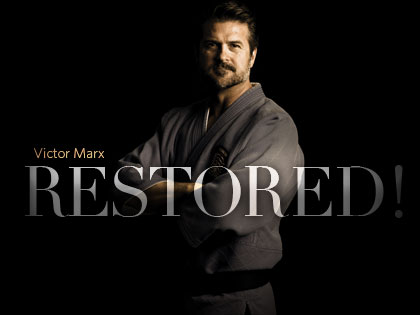
Victor Marx “A Warrior for Christ” From Victim to Victory

Video – Victor Mark’s testimony is one of the redemptive power of God

Nothing is impossible for God! He is the restorer and healer of all things, if you give it to Him.

Victor Marx is a remarkable figure who has dedicated his life to humanitarian efforts and helping those trapped in devastating circumstances, including victims of human trafficking. Overcoming his own traumatic childhood of serious abuse and neglect, he transformed his pain into a mission to bring hope and restoration to others.

Through his organisation, All Things Possible Ministries, Victor works in high-risk areas, including war zones and regions plagued by human trafficking, to rescue and rehabilitate those in need. His ministry has impacted tens of thousands of lives, including children and survivors of abuse, as well as prisoners through his outreach programmes. His work exemplifies courage, faith, and perseverance.

Victor Marx is also a devoted family man with over 34 years of marriage, five children, and five grandchildren. He shares his wisdom and experiences to inspire others, blending his military discipline, faith, and compassionate outlook to build successful relationships and empower individuals to thrive despite life’s challenges.

Notable Quotes by Victor Marx:

“Kids who are born in the fire , will not be burned by the heat of life”

“Forgiveness is giving up your right to hurt someone back for hurting you.”

“Forgiving: gaining real estate in your heart to both give and receive love”

Support

To support Victor Marx’s ministry and his mission to bring hope, freedom, and restoration to those in desperate need, consider contributing to All Things Possible Ministries: Support

Outstanding interviews with Victor Marx at the Shaun Ryan show

Part 1 – How Victor became the Guinness book of records fastest gun disarmer in the world

Part 2 – Overcoming childhood terror

Part 3 – How big tech and AI influence child predators

Helpful Posts:

Trusting God to Heal the Scars of Sexual Abuse

8 Steps to Forgiveness and Learning How to Forgive

Who I am in Christ

———————

*** By Lori McPherson / Photo: Outreach magazine / YouTube Video Victor Marx / Victor Marx book: The Dangerous Gentlemen

Testimonies to Strengthen Faith: Trials and Tribulation


“I have told you these things, so that in me you may have peace. In this world you will have trouble. But take heart! I have overcome the world.” John 16:33

These video testimonies will strengthen your faith. In times of trials and tribulations, many lessons can be learned from these: hope, endurance, patience, forgiveness and much more, as well as how to be over-comers in these last days.

As Christian believers we’re to look unto Jesus and His finished work on the Cross, as He is the author and perfecter of our faith. We’re not to be afraid of those who want to kill the body; they cannot touch our soul. Fear only God, who can destroy both soul and body in hell. We don’t put our trust in man, but in God alone. Jesus will give us His peace that surpasses all understanding, and help us to rest in Him amidst the storms. Jesus, our Lord and saviour and soon coming King forewarned us that times of tribulation will come as we’re in the last days: And all nations will hate you because you are my followers. But everyone who endures to the end will be saved (Matthew 10:22 NLT)

And they have defeated him by the blood of the Lamb and by their testimony. And they did not love their lives so much that they were afraid to die. (Revelation 12:11)

Blessed is the man who remains steadfast under trial, for when he has stood the test he will receive the crown of life, which God has promised to those who love Him. (James 1:12)

For if you forgive other people when they sin against you, your heavenly Father will also forgive you. But if you do not forgive others their sins, your Father will not forgive your sins (Matthew 6:14-15)

I have said these things to you, that in me you may have peace. In the world you will have tribulation. But take heart; I have overcome the world. (John 16:33)

For there will be greater anguish than at any time since the world began. And it will never be so great again. In fact, unless that time of calamity is shortened, not a single person will survive. But it will be shortened for the sake of God’s chosen ones… See, I have warned you about this ahead of time… Immediately after the anguish of those days, the sun will be darkened, the moon will give no light, the stars will fall from the sky, and the powers in the heavens will be shaken. And then at last, the sign that the Son of Man is coming will appear in the heavens, and there will be deep mourning among all the peoples of the earth. And they will see the Son of Man coming on the clouds of heaven with power and great glory. And he will send out his angels with the mighty blast of a trumpet, and they will gather his chosen ones from all over the world—from the farthest ends of the earth and heaven. (Matthew 24:21-22; 25; 29-31 NLT)

but those who hope in the Lord will renew their strength.They will soar on wings like eagles; they will run and not grow weary, they will walk and not be faint. (Isaiah 40:31)

Can anything ever separate us from Christ’s love? Does it mean he no longer loves us if we have trouble or calamity, or are persecuted, or hungry, or destitute, or in danger, or threatened with death? As the Scriptures say, “For your sake we are killed every day; we are being slaughtered like sheep.” No, despite all these things, overwhelming victory is ours through Christ, who loved us. And I am convinced that nothing can ever separate us from God’s love. Neither death nor life, neither angels nor demons, neither our fears for today nor our worries about tomorrow—not even the powers of hell can separate us from God’s love. No power in the sky above or in the earth below—indeed, nothing in all creation will ever be able to separate us from the love of God that is revealed in Christ Jesus our Lord. (Romans 8:35-39).

By Lori McPherson