“If My people who are called by My name will humble themselves, and pray and seek My face, and turn from their wicked ways, then I will hear from heaven, and will forgive their sin and heal their land.” ~ 2 Chronicles 7:14 NKJV
As believers, we are called to intercede for our leaders, nations, and for peace, especially in Jerusalem. In times of uncertainty and need, communal prayer is a powerful way to ask God to bring change, guidance, and healing. Below is a structured prayer for anyone who wishes to lift up these petitions over a community, a nation, or even the entire world.
Heavenly Father,
We come before You with humble hearts, united as Your people. You are the Almighty God, Creator of Heaven and Earth, and we honor You, acknowledging Your sovereign power over all nations. We gather in Your holy presence, seeking Your guidance, love, and protection over all people and lands.
Lord, we worship You
For You are good, and Your mercy endures forever. You are the King of Kings and the Lord of Lords, worthy of all honor and glory. We lift Your name high above all the earth, praising You for Your greatness, Your compassion, and Your mighty works.
Thank You, Lord,
For the blessings You have poured out upon us and our nations. You have sustained us through every season, and Your provision and protection have been unwavering. We are grateful for Your faithfulness, for hearing our prayers, and for Your unending love that guides us.
Forgive us, Lord,
For any ways we have strayed from Your will. We confess any sins of our nations, communities, and ourselves. We ask for Your cleansing, renewing us and bringing us back into alignment with Your ways. As we turn to You, we seek Your mercy and forgiveness, knowing that You are a gracious and compassionate God.
Father, we intercede for the leaders of every nation,
Grant them wisdom, courage, and integrity as they make decisions that impact millions. May they lead with righteousness, justice, and compassion, promoting peace and unity. Let Your justice prevail in all nations, and let truth and fairness guide every action and law.
We pray for peace among all people, especially in Jerusalem.
You have asked us to pray for its peace, and we humbly lift this city and its people to You. Bring harmony and understanding to regions marked by conflict, and heal the divisions that have separated us. Surround every nation with Your protection, Lord, shielding the innocent and vulnerable from harm.
Lord, we ask for a spiritual awakening across the world.
Pour out Your Spirit on every land and community, that hearts may turn toward You. Bring about a revival in faith, hope, and love, so that we may see Your Kingdom come and Your will be done on earth as it is in heaven.
As Your Word declares,
“If my people, who are called by my name, will humble themselves and pray and seek my face and turn from their wicked ways, then I will hear from heaven, and I will forgive their sin and will heal their land” (2 Chronicles 7:14). We stand on this promise, believing that as we humble ourselves, You will hear and bring healing and restoration.
Lord, we also pray for specific needs among the nations:
For those suffering from poverty and hunger, may You provide. For those impacted by natural disasters, may You bring comfort and relief. For the sick, may You bring healing, and for those who mourn, may You bring peace.
We trust in You, Lord,
Believing that You can do exceedingly and abundantly more than we ask or imagine. We thank You for hearing our prayers and for the answers that are already on the way. May Your will be done, Lord, and may Your name be glorified in all nations.
In Jesus’ name, we pray. Amen 🙏
May this prayer bring unity and strength, inviting God’s presence, protection, and guidance over all people and nations.
As followers of Jesus, we are called to live out our faith in tangible ways, embodying love and compassion toward others. This isn’t about ticking off boxes on a checklist to earn our way to heaven; it’s about letting our actions flow from a heart transformed by God’s love. Salvation is a gift that comes through faith in Jesus, who completed the work for our redemption. Our good deeds are responses to that love, not a means to gain favor with God or impress others.
In Matthew 25:34-40, Jesus emphasizes the importance of serving those in need: “For I was hungry and you gave me something to eat, I was thirsty and you gave me something to drink, I was a stranger and you invited me in, I needed clothes and you clothed me, I was sick and you looked after me, I was in prison and you came to visit me.” He reminds us that when we serve others, we are serving Him.
Engaging in acts of compassion is a vital part of living out our faith. When we actively seek to help others, we open our hearts to the transformative power of God’s grace. This not only blesses those we serve but also deepens our relationship with God as we reflect His character in our actions.
1. Feed the Hungry
You can make a difference in your community by volunteering at a local food bank or organizing food drives. These acts not only help those who struggle to feed their families but also foster a spirit of community and love. Remember, it’s not just about the food; it’s about showing care and compassion.
USA:The Salvation Army: A Christian organization providing food assistance, shelter, and other services to those in need.
UK:The Trussell Trust: A charity that supports a network of food banks providing emergency food and support, motivated by Christian principles.
2. Give Drink to the Thirsty
Support efforts to provide clean drinking water to those in need, especially in areas where it is scarce. You might participate in campaigns or donate to organizations that focus on this vital resource. Your involvement can bring life and hope to those who are parched.
USA:Charity: Water: A nonprofit organization bringing clean and safe drinking water to people in developing nations.
UK:WaterAid: An organization that works in 28 countries to improve access to clean water and sanitation, inspired by Christian values.
3. Clothe the Naked
Consider donating clothes you no longer wear or organizing a clothing drive. A clothing drive is an event where individuals gather gently used clothing to donate to those in need. This can be done through churches, schools, or community groups, helping to provide warmth and dignity to someone in need. This simple act can have a profound impact on someone’s life.
USA:Goodwill Industries: A nonprofit organization that provides job training and employment services while accepting clothing donations.
UK: Whitechapel Mission: A charitable organization providing essential support to the homeless, including free clothing, showers, and meals. It operates one of the largest clothing donation and distribution services.
4. Shelter the Homeless
Support local shelters or initiatives that assist the homeless by donating supplies or volunteering your time. You could also advocate for policies that create affordable housing. It’s essential to remember that every person deserves a safe place to call home.
USA:The Salvation Army: Offers various services, including shelters for the homeless and support for families in need.
UK:Shelter: A charity that supports people in housing need, offering advice and assistance to the homeless and those at risk of homelessness.
5. Visit Those in Prison
Visiting inmates can profoundly impact their lives. Many feel forgotten, and your presence can provide them with hope and encouragement. If you’re not comfortable visiting, consider writing letters of support or contributing to organizations that help reintegrate ex-offenders into society.
USA:Prison Fellowship: A national nonprofit that serves prisoners, former prisoners, and their families.
UK:The Prison Fellowship: This organization seeks to transform the lives of prisoners and their families through various programs.
6. Comfort the Sick
Being there for someone who is ill can be a tremendous source of comfort. Simple gestures, like bringing meals or just spending time with them, show that you care. You could also volunteer at hospitals or nursing homes, providing companionship to those who may be lonely.
USA:American Cancer Society: This organization provides support, education, and resources for cancer patients and their families.
Grief often leaves people feeling lost and uncertain, especially about what happens after death. As Christians, we are called to bring comfort and hope, showing Christ’s love through practical support and gentle encouragement.
You can live out this work of mercy by simply being present—offering a listening ear, sitting with someone in their pain, or helping with practical tasks like preparing meals, running errands, or assisting with funeral arrangements. Sharing comforting Scriptures, like Psalm 34:18 (“The Lord is close to the brokenhearted”), can also bring peace.
When appropriate, gently share the hope we have in Jesus. Grief often opens hearts, and you can lovingly speak about the eternal life Christ offers. Scripture reminds us in Hebrews 9:27 that after death comes judgment, and salvation is through faith, not works (Ephesians 2:8-9). By listening, helping, and sharing the truth with compassion, we fulfill our calling to be Christ’s hands and feet.
USA:The Compassionate Friends: An organization that provides support for families after the death of a child, helping them through grief.
UK:Cruse Bereavement Support: A charity that offers support for people grieving the death of a loved one.
A Heart for Service
Living out our faith through acts of compassion is not about earning our way into heaven; rather, it reflects the love that has already been poured into our hearts by God. We are called to respond to that love by caring for others and sharing the message of grace.
As we engage in these actions, we do so with the knowledge that our good works are not a means to secure salvation but a response to the incredible grace we have received. Let us commit to living out our faith actively, loving our neighbors as ourselves, and shining the light of Christ in a world that desperately needs it. By making compassion a part of our daily lives, we truly reflect the heart of Christ and contribute to the transformation of our communities.
Need help? Empowering women with compassionate care for crisis pregnancies, you are not alone – pregnancy support, guidance and resources in the UK and USA at Pro Life Connect.
If you’re pregnant and unsure of what comes next, you’re not alone. This page is dedicated to providing you with compassionate support and valuable resources to help you through your journey. We have gathered a list of trusted organizations offering assistance with pregnancy, parenting, adoption, and emotional support. Explore the links to find practical help, whether you need medical care, counselling, or simply someone to talk to. No matter where you are in your journey, there are options available, and we’re here to help you find the path that’s right for you and your baby.
HOPE PREGNANCY
HOPE Pregnancy offers kindness, truth, and support for anyone in an unexpected or challenging pregnancy who is unsure what to do and looking for help.
We are here to listen, and with compassion, we use honest language to help them think through their situation for themselves.
If you are a mother or father bereaved by abortion. If you are seeking to support a mother grieving the loss of her baby to abortion, if you are a church leader looking for ways to make access to support after abortion easier in your church, Welcome! Abortion affects the whole society. Each of us bears some responsibility for the death of each baby. Together we have let down the parents who carry the burden, but together we can make a way for them to find peace again.
Rachel’s Vineyard is a healing ministry for those who are suffering from the trauma of abortion(s) or have been closely connected to someone who is; this includes siblings, grandparents, aunts etc. We recognise that abortion impacts the wider family and community.
We also support those that have worked in the abortion industry and subsequently regret the part they played in abortion decisions.
CONTACT
Website: rachelsvineyard.org.uk
National Support Centre – Call: 07734 059 080
Email: rachel@rachelsvineyard.org.uk
THE GOOD COUNSEL NETWORK
The Good Counsel Network is a life-affirming women’s organisation which offers moral support, medical information, legal advice and practical help to women seeking abortion. We reach out to these women to inform them about the risks to their physical and psychological health and present them with realistic alternatives to abortion. We deal with the hardest cases of crisis pregnancy every day.
Life is a UK charity from women and families facing unexpected pregnancy or pregnancy loss, including abortion. Services include: emotional help, counselling, housing and community support around the country for mums and their babies, free supplies and much more…
COERCED ABORTION IS ABUSE. PRESSURIZED CONSENT IS NOT CONSENT.
The narrative around abortion decisions is often focused on ‘choice’ and ‘autonomy’, but that is far from the reality that many women face. Women often find themselves subject to coercion and pressure to have an abortion from partners, family members, employers, healthcare staff or others in their life. This pressure can be subtle, like suggesting she would be unable to cope with parenthood, to severe, like threatening violence if she refuses to have an abortion. This coercion often goes unidentified by clinic and healthcare staff, and women go on to have abortions they never wanted. This is not informed consent. Coerced abortion is abuse, and women deserve to be protected from it.
Life is a UK charity from women and families facing unexpected pregnancy or pregnancy loss, including abortion. Services include: emotional help, counselling, housing and community support around the country for mums and their babies, free supplies and much more…
The Alma Mater Fund provides financial grants to pregnant students facing difficulties at universities across the UK, in order to support them in pursuing their academic and personal goals. Through the work of the initiative, the Alma Mater Fund coordinator can also direct students to further sources of support and advice.
Treatment for infertility and miscarriage. Committed to keeping conception the natural way by combining restorative reproductive medicine with naturopathy. Did your heart sink when IVF was mentioned at your fertility consultation? Want to keep the ‘lovingly conceived’ aspect of your fertility story?
We are here to guide how to stay true to God’s plan for conception and make your dream for a family a reality.
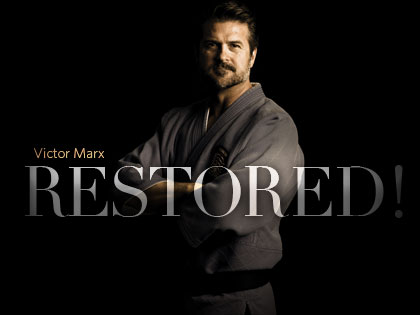
Video – Victor Mark’s testimony is one of the redemptive power of God
Nothing is impossible for God! He is the restorer and healer of all things, if you give it to Him.
Victor Marx is a remarkable figure who has dedicated his life to humanitarian efforts and helping those trapped in devastating circumstances, including victims of human trafficking. Overcoming his own traumatic childhood of serious abuse and neglect, he transformed his pain into a mission to bring hope and restoration to others.
Through his organisation, All Things Possible Ministries, Victor works in high-risk areas, including war zones and regions plagued by human trafficking, to rescue and rehabilitate those in need. His ministry has impacted tens of thousands of lives, including children and survivors of abuse, as well as prisoners through his outreach programmes. His work exemplifies courage, faith, and perseverance.
Victor Marx is also a devoted family man with over 34 years of marriage, five children, and five grandchildren. He shares his wisdom and experiences to inspire others, blending his military discipline, faith, and compassionate outlook to build successful relationships and empower individuals to thrive despite life’s challenges.
Notable Quotes by Victor Marx:
“Kids who are born in the fire , will not be burned by the heat of life”
“Forgiveness is giving up your right to hurt someone back for hurting you.”
“Forgiving: gaining real estate in your heart to both give and receive love”
Support
To support Victor Marx’s ministry and his mission to bring hope, freedom, and restoration to those in desperate need, consider contributing to All Things Possible Ministries: Support
Outstanding interviews with Victor Marx at the Shaun Ryan show
Part 1 – How Victor became the Guinness book of records fastest gun disarmer in the world
Stonewalling is more than just giving someone “the silent treatment.” In this day and age, it has become a calculated and harmful tactic used not only by individuals but also by media, governments, and other institutions, undermining healthy communication and relationships. While some people may disengage temporarily to process emotions, stonewalling as a control mechanism is a deliberate act designed to silence a person and a people, frustrating or demeaning them in the process. When employed systematically, it becomes a tool of manipulation and, arguably, a form of psychological abuse.
What Is Stonewalling?
Stonewalling occurs when someone refuses to engage in meaningful communication. Instead of addressing a concern or issue, they shut down the conversation, leaving the other party feeling unheard, invalidated, and often helpless. When paired with gaslighting—a tactic where someone denies or distorts the truth to make you doubt your perception—it becomes even more damaging. Victims of this behavior might be told:
• “You’re overreacting.”
• “You’re putting words in my mouth.”
• “That didn’t happen.”
These responses can make you question your feelings, your memory, and even your sense of reality.
Common Stonewalling Tactics
Stonewalling isn’t limited to silence. It manifests in a variety of behaviors that signal an unwillingness to engage, including:
• Abruptly stopping responses: They may cut off mid-conversation, refusing to acknowledge your words.
• Turning away: Physically turning their body or looking away as if to dismiss you.
• Feigning busyness: Pretending to be occupied with something else to avoid the conversation.
• Avoiding questions: Refusing to give direct answers or dodging accountability.
• Interrupting: Preventing you from completing your thoughts or sentences.
• Repetition: Using dismissive or one-word replies like “fine” or “okay” no matter what you say.
• Declaring the conversation “over”: Abruptly ending discussions without resolution.
• Ignoring outright: Acting as though they don’t hear you, treating you as invisible.
• Deflecting blame: Turning the issue back on you instead of taking responsibility.
• Walking away: Leaving without indication of when—or if—they’ll return.
• Ghosting: Ignoring texts, calls, or other communication entirely.
Additionally, stonewallers often employ “word salad”—rambling, incoherent, or evasive speech that avoids addressing the real issue. They may talk over someone to prevent them from expressing the truth, deliberately take statements out of context, or spin the conversation in a way that stirs division, fear, and mistrust. These tactics are frequently used by manipulative individuals, but they are also employed by institutions like the media and politicians to silence dissent or control narratives.
All these behaviors signal a disregard for the other person’s thoughts and feelings, often leaving the victim feeling isolated and powerless.
Stonewalling Beyond Personal Relationships
While stonewalling is most commonly discussed in personal relationships, it is a tactic increasingly used in broader societal and political contexts. Governments, organizations, and ideological groups have been observed using stonewalling to silence dissent, avoid accountability, and maintain control.
When governments engage in stonewalling, it is particularly harmful, as it undermines trust and accountability. Citizens often find their voices dismissed or ignored, with governments deploying these tactics to sidestep responsibility and evade questions.
For example:
• Avoiding transparency: Officials may refuse to provide clear answers or respond to legitimate public concerns.
• Deflecting blame: Shifting responsibility to others rather than addressing systemic issues.
• Ignoring demands for accountability: Stonewalling inquiries from citizens, journalists, or watchdog groups.
• Labelling dissent as extreme or irrelevant: Marginalizing opposition by dismissing it as unworthy of engagement.
• Silencing criticism: Using censorship, regulatory barriers, or social pressure to stifle opposing voices.
This deliberate refusal to engage creates frustration, confusion, and mistrust, ultimately alienating the very people the government is supposed to serve. When combined with misrepresentation, sensationalism, or fearmongering by media outlets, this behavior becomes a powerful tool of division and control, further eroding public trust.
Signs You’re Experiencing Stonewalling
If you suspect you’re being stonewalled—whether in a relationship, workplace, or community—check in with yourself. Ask:
• Do I feel heard and understood?
• Do I hesitate to voice concerns for fear of punishment or conflict?
• Am I holding back because I’m afraid the other person won’t listen or will escalate the situation?
• Do I feel like I constantly need to convince or “win over” the other person?
If the answer is “yes” to any of these, you might be dealing with stonewalling.
Why Stonewalling Is “Satanic”
Some may describe stonewalling as “satanic” because it embodies traits often associated with deceit, manipulation, and oppression. It fosters division, breeds confusion, and undermines trust and understanding—essentially creating chaos where there could be harmony. In personal relationships, this destruction of connection and mutual respect is devastating. When used by governments or institutions, it becomes a weapon of control that erodes freedom, trust, and democracy.
Stonewalling denies the humanity of the person being silenced, treating them as though their thoughts, feelings, and existence are insignificant. This is why many view it as fundamentally immoral and harmful—a tactic that perpetuates harm and isolates individuals or entire communities.
How to Address Stonewalling
Whether in personal relationships, social settings, or government interactions, combating stonewalling requires courage, clarity, and boundaries:
• Acknowledge it: Recognize when stonewalling is happening and name it for what it is.
• Set boundaries: Clearly communicate that such behavior is unacceptable and enforce consequences if necessary.
• Seek support: Turn to trusted friends, family, or professionals for guidance and affirmation.
• Engage with others who listen: Focus your energy on constructive conversations and relationships.
At a societal level, addressing stonewalling means encouraging accountability, transparency, and open dialogue from governments, organizations, and leaders. Christians are called to engage society in ways that reflect Christ’s example of truth, justice, and love. The prophetic voices of Isaiah and Amos offer biblical examples of standing against corruption and oppression, while Jesus Himself confronted societal hypocrisy and lifted up the marginalized. However, He did so with humility, wisdom, and a focus on personal transformation, not through rebellion or force.
The Bible instructs Christians to respect governing authorities (Romans 13:1-7), yet it also prioritizes obedience to God over human authority (Acts 5:29). This balance calls believers to thoughtfully address injustice, always pursuing peace and righteousness. Advocacy for justice—when conducted with humility and integrity—aligns with Jesus’ teaching to be the “salt of the earth” and the “light of the world” (Matthew 5:13-16).
While peaceful protests, petitions, or dialogue may serve as tools to challenge injustice, these actions must reflect Christ’s spirit of love, not division. True engagement happens when believers focus on sharing truth with grace and trust in God’s power to bring change. In Matthew 10:14, Jesus advised His disciples to leave those who rejected the message, emphasizing that Christians are not called to force dialogue or resolution but to faithfully stand in truth and peace.
When dealing with stonewalling—whether in relationships, workplaces, or societal issues—Christians should:
• Recognise the Signs of Manipulation: Understand when someone is purposefully evading responsibility or avoiding meaningful dialogue.
• Pursue Peace, But Set Boundaries: Seek reconciliation and peace where possible, but do not enable abusive behavior or passively submit to those who use tactics like stonewalling to control or silence others.
• Call Out Wrongdoing: Jesus did not hesitate to call out injustice or hypocrisy. As His followers, we are called to stand firm for truth and righteousness, even when it is uncomfortable or unpopular.
• Shake the Dust Off: If someone consistently refuses to engage in honest dialogue, it may be necessary to walk away from the situation, not out of bitterness, but to avoid being complicit in their manipulation or deceit.
By doing so, Christians can foster healthy, respectful relationships without tolerating harmful or controlling behaviors. We must always strive for peace, but also stand firm in our commitment to truth, justice, and the integrity of our faith.







 The Sisterhood Hub