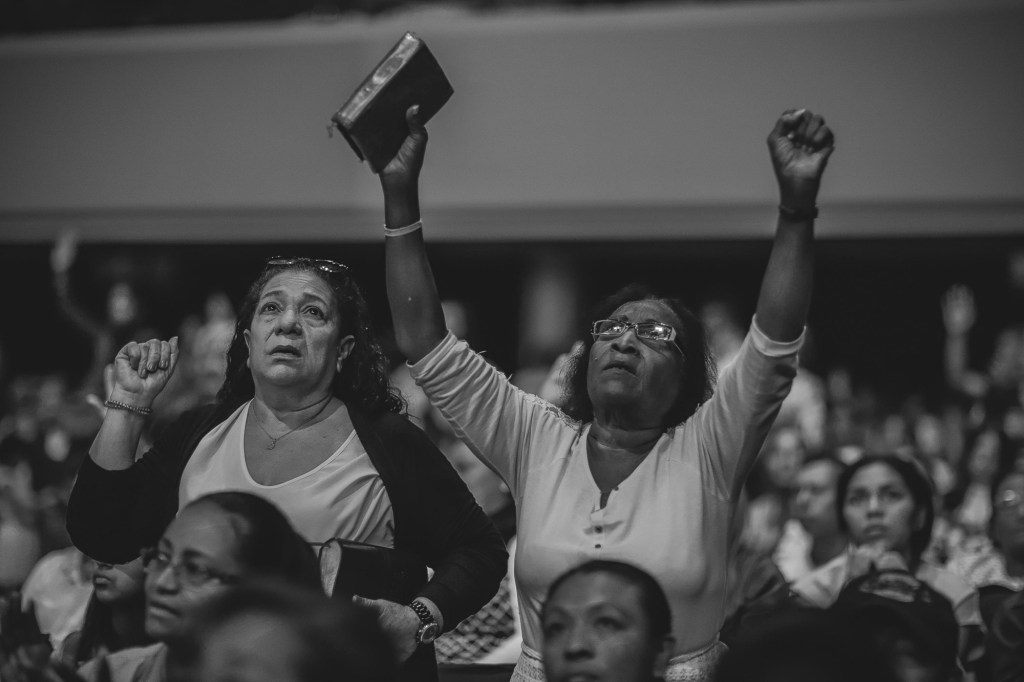
Jesus is The Reason for the Season

In a season filled with lights, sales, schedules, and celebrations, it’s easy to get caught up in everything surrounding Christmas. The consumerism. The shopping lists. The time off from work. The pressure to keep up, to smile, to spend, to attend. The gatherings, the traditions, the expectations. Even believers—those who sincerely love Jesus—can find their hearts distracted by the noise.

None of these things are wrong in themselves.

But they were never meant to be the focus.

At the center of it all stands Jesus.

Jesus came not wrapped in luxury, but in humility—born in a stable, laid in a manger, unnoticed by the powerful, yet announced by heaven. While the world celebrates what it can buy, God reminds us of what can only be received: grace, mercy, forgiveness, and everlasting love.

“The Word became flesh and dwelt among us.” (John 1:14)

The gospel tells us that God stepped into our brokenness—not to sell us something, not to impress us, but to save us, to restore us, and to invite us into real hope.

Because the truth is, we all need saving.

“For all have sinned and fall short of the glory of God.” (Romans 3:23)

Christmas exists because humanity was lost—and God refused to leave us that way.

“For God so loved the world that He gave His one and only Son, that whoever believes in Him shall not perish but have eternal life.” (John 3:16)

Jesus lived the life we could not live and willingly died the death we deserved. On the cross, He carried our sin, our shame, our guilt, and our rebellion against God.

“But God demonstrates His own love for us in this: while we were still sinners, Christ died for us.” (Romans 5:8)

The gospel calls us to respond—not just with warm feelings, but with repentance and faith.

“Repent therefore, and turn back, that your sins may be blotted out.” (Acts 3:19)

To repent means to turn—to turn away from ungodly ways, from self-rule, from sin, and to turn toward God. It is not about being perfect; it is about surrender. It is about laying down our pride, our excuses, and our old life, and placing our faith fully in Jesus Christ.

“If anyone is in Christ, he is a new creation; the old has gone, the new has come.” (2 Corinthians 5:17)

And the story does not end at the cross.

Jesus rose again on the 3rd day.

“He is not here; He has risen, just as He said.” (Matthew 28:6)

Because He lives, forgiveness is real. Because He lives, new life is possible. Because He lives, salvation is offered freely to all who believe.

“If you confess with your mouth that Jesus is Lord and believe in your heart that God raised Him from the dead, you will be saved.” (Romans 10:9)

This season calls us to pause. To step away from the rush, the pressure, and the endless pursuit of “more,” and remember the miracle that changed everything: Emmanuel—God with us.

“For unto us a Child is born… and He will be called Wonderful Counselor, Mighty God, Everlasting Father, Prince of Peace.” (Isaiah 9:6)

And to those who feel alone—this message is especially for you.

To the one spending this season without family.

To the heart carrying grief, loss, or disappointment.

To the person surrounded by people yet feeling unseen.

To the weary soul wondering if anyone truly cares.

Jesus came for you.

“The Lord is near to the brokenhearted and saves the crushed in spirit.” (Psalm 34:18)

You are not invisible to God. You are not forgotten. You are not beyond hope. The manger tells us God draws near. The cross tells us how far His love will go. The empty tomb tells us that darkness does not win.

Jesus is our peace when life is busy. Our comfort in lonely nights. Our hope when the world feels uncertain. Our joy beyond gifts and gatherings.

As we reflect on all that Jesus has done, this season also calls us to gratitude. Not gratitude rooted in circumstances, but thankfulness anchored in truth.

“Give thanks in all circumstances; for this is the will of God in Christ Jesus for you.” (1 Thessalonians 5:18)

Even when the year has been hard, even when prayers seemed delayed, we can give thanks—not because everything was easy, but because God was faithful through it all. The greatest gift has already been given, and His presence has never left us. Gratitude shifts our eyes from what we lack to Who we have—Jesus.

If you are struggling or feeling alone this season, please know that reaching out is not weakness—it is courage. There are people who care and are ready to listen:

UK: Samaritans — call 116 123 (24/7)

USA: 988 Suicide & Crisis Lifeline — call or text 988 (24/7)

And beyond any human support, Jesus Himself invites you:

“Come to Me, all who are weary and burdened, and I will give you rest.” (Matthew 11:28)

Salvation is not found in traditions, good works, or religion—but in Jesus alone.

“For it is by grace you have been saved, through faith… it is the gift of God.” (Ephesians 2:8–9)

May we enjoy the celebrations, but never lose sight of the reason we celebrate. Because without Him, it’s just another season—but with Jesus, it is the story of repentance, redemption, forgiveness, love, and eternal life.

Hope has a name.

Love has a name.

Salvation has a name.

And His name is Jesus. ❤️

Why It Is Important to Reflect on the True Meaning of Christmas

In a world where consumerism, materialism, and gluttony are pervasive, it seems that every day is treated as an opportunity to indulge, and holidays like Christmas have become occasions of excess rather than moments of gratitude. Yet, in the hustle of buying the latest gadgets, preparing lavish meals, and creating elaborate decorations, the deeper meaning of these celebrations risks being overshadowed. As Christians, we are reminded that Christmas is not just another day of festivity or an excuse for indulgence—it is a sacred time to give thanks and reflect on the greatest gift humanity has ever received: Jesus Christ.

The Reason for the Season

The world may often overlook the significance of Christmas, reducing it to commercial exchanges, but for believers, Christmas is a time to honor the birth of Jesus, God’s ultimate gift to the world. This is not just a day to exchange gifts, but a time to remember the immense love that God showed by sending His only son to save a broken world. John 3:16 states: “For God so loved the world that He gave His only begotten Son, that whoever believes in Him should not perish but have everlasting life.” This verse beautifully encapsulates the core of what Christmas represents—God’s gift of salvation, freely given to all who would receive it.

The Problem of Consumerism and Gluttony

It is no secret that, particularly during the holiday season, we see an increase in spending, overindulgence, and sometimes even stress as people attempt to create a “perfect” Christmas. From overspending on presents to overloading on food, the season can easily become a frenzy of excess, often leaving people feeling more drained than fulfilled. Instead of bringing joy and peace, it often creates anxiety, debt, and dissatisfaction.

What was meant to be a time of reflection and gratitude has, for many, morphed into a pressure-cooker of social expectations. This is in stark contrast to the simple, yet profound, reason for Christmas: the birth of Christ, who came to give us eternal life, not fleeting material possessions.

A Call to Give Thanks and Return to the Heart of Christmas

Christmas should remind us of the importance of gratitude, not just for earthly blessings but for the eternal gift of salvation through Jesus. Romans 6:23 says, “For the wages of sin is death, but the gift of God is eternal life through Jesus Christ our Lord.” This gift is freely offered to all of us. It is not something we can buy, nor something we deserve, but a testament to God’s infinite love for us.

Instead of focusing on the material aspects of the season, we are invited to reflect on Jesus’s life, His teachings, and most importantly, His sacrifice. As Christians, we are called to celebrate Christmas by remembering why Jesus came to this earth—to pay the price for our sins and offer us the gift of eternal life. This is the heart of the holiday, the reason behind all the joy, lights, and music. Without Christ, there would be no Christmas.

The Greatest Gift of All

The poem “The Greatest Gift” beautifully highlights the core message of the gospel: God’s love for us was so great that He sent His son to die in our place, offering us salvation and eternal life. This is the greatest gift the world has ever known—far more valuable than any material possession we might receive during the holiday season. It is a gift that cannot be earned, only accepted, through faith in Christ.

To receive this gift, we are invited to trust Jesus as our Savior and call upon His name. Through repentance and belief, we are born again, and our sins are forgiven, as Jesus already paid the price on the cross. This is the good news we celebrate during Christmas—a reminder that no matter how flawed or unworthy we may feel, God’s love for us is boundless.

Bringing the Focus Back to Christ

As the holiday season approaches, let us challenge ourselves to return to the true meaning of Christmas. Yes, it is a time for gathering with loved ones, enjoying good food, and exchanging gifts—but most importantly, it is a time to reflect on the immeasurable love of God shown through the birth of Jesus. Rather than getting lost in the distractions of consumerism and excess, we can choose to celebrate Christmas with a heart of gratitude, worship, and remembrance of God’s eternal gift.

In a world that constantly encourages us to seek more, Christmas reminds us that we have already been given the greatest gift—Jesus. Let us remember that Jesus is the reason for the season, and let that truth shape how we celebrate.

John 3:16: “For God so loved the world that He gave His only begotten Son, that whoever believes in Him should not perish but have everlasting life.”

——————

*** Photo by George Dolgikh by Pexels

How to Protect Your Heart from Emotional Manipulation in Relationships – Part 3

“Above all else, guard your heart, for everything you do flows from it.” ~ Proverbs 4:23 (NIV)

This is part 3 of a 5-part series on guarding your heart in relationships. As women, we are nurturing by nature and referred to in the Bible as the “weaker vessel” (1 Peter 3:7). This isn’t a reflection of value but a design that calls us to be helpers to men, wired to bring support and care into relationships. Men instinctively know this about us, and while this dynamic can bring balance and beauty, it also leaves room for misuse when not approached with God’s wisdom and guidance.

Navigating relationships as a woman is both rewarding and challenging. The desire for meaningful connection is God-given, but it is essential to protect your heart from those who might exploit your trust and affection. This article will help you recognize emotional manipulation, safeguard your heart, and keep your relationships aligned with God’s design.

Understanding the Issue

In Christian communities, marriage is often emphasized as the goal of relationships. Traditionally, men are seen as leaders in pursuing this commitment. However, some misuse this dynamic, taking advantage of women’s nurturing nature to gain emotional support, companionship or even material benefits without the intention of genuine commitment, dodging the responsibility and accountability God places on the man.

This behavior distorts the biblical model of relationships, which calls for love, mutual respect, and service. Scripture, especially passages like 1 Corinthians 13 and Ephesians 5:25, reminds us that relationships should reflect Christ-like love. When someone enjoys the benefits of a relationship—such as emotional support or marital privileges—without accountability, it can leave women feeling devalued and disrespected.

How Women Can Protect Themselves

Guarding your heart requires awareness, boundaries, and trust in God’s plan for your life. Below are practical steps to help you stay vigilant and protect yourself from emotional manipulation.

1. Recognize Red Flags Early On

Understanding warning signs can save you from heartache.

Signs to Watch For:

• He avoids discussing long-term plans or commitment.

• He benefits emotionally, practically, or financially but does not reciprocate.

• He dodges conversations about defining the relationship or its future.

What to Do:

• Trust patterns, not promises. Actions speak louder than words.

• If he consistently avoids clarity, prayerfully consider whether the relationship is aligned with God’s will.

2. Set Healthy Boundaries

Boundaries are essential for protecting your emotional and spiritual well-being.

Practical Steps:

• Define your boundaries early and communicate them clearly.

• Avoid giving “marital privileges” without a commitment, such as deep emotional investment, financial support, or physical intimacy.

• Stand firm when someone pressures you to compromise your values.

3. Avoid Rushing into Emotional Investment

Deep emotional connections should develop gradually, based on proven sincerity.

Suggestion:

• Take time to assess his character and intentions.

• Observe his response to your boundaries. Respect is a crucial indicator of genuine love.

• Trust God’s timing and allow relationships to grow organically.

4. Seek Accountability and Godly Counsel

Sometimes emotions can cloud judgment. Trusted counsel can help you see clearly.

Why It’s Important:

• Trusted friends, mentors, or spiritual leaders provide objective insights.

• A godly community helps you stay grounded in biblical principles.

5. Embrace Your Value and Worth in Christ

Your identity is rooted in Christ, not in a relationship or another person’s validation.

Reminders:

• Reflect on Psalm 139:14: “I am fearfully and wonderfully made.”

• When you know your worth in God’s eyes, you won’t settle for less than His best for you.

What to Look for in a Healthy Relationship

A godly relationship should reflect the principles of love, respect, and mutual commitment. Seek these qualities in a potential partner:

• Respect: He honors your boundaries and values your emotions.

• Clear Intentions: He communicates openly and aligns his actions with his words.

• Sacrificial Love: He demonstrates Christ-like love through selflessness and support.

• Accountability: He welcomes godly counsel and community oversight.

Taking Control of the Situation

If you notice red flags or feel uncertain about someone’s intentions, take proactive steps to protect your heart:

1. Clarify Your Own Needs: Align your relationship expectations with God’s principles.

2. Evaluate Actions Over Words: Look for consistency between what he says and does.

3. Have a Direct Conversation: Express your concerns openly and see how he responds.

4. Be Willing to Walk Away: If he doesn’t respect your boundaries or intentions, trust God’s plan and let go.

Conclusion

Relationships are designed to reflect God’s love—honest, sacrificial, and committed. Emotional manipulation undermines this purpose and can leave women feeling used and devalued. By staying vigilant, setting boundaries, and seeking godly counsel, you can protect your heart and honor both God and yourself in your relationships.

It’s essential to remember that you cannot change a person—only God can transform hearts. Men are not “build-a-bear” projects, and it’s not your responsibility to fix or mold someone into who you hope they could be. Trying to do so often leads to frustration and heartache.

The fear of being alone or not finding someone can make it tempting to settle for less than God’s best. But settling out of fear compromises your values and leads to unfulfilling relationships. Trust God’s timing, knowing that He has good plans for you (Jeremiah 29:11).

Never forget: your worth is found in Christ, not in a man’s approval. True love reflects God’s design, where respect, integrity, and godliness thrive. Stay rooted in His Word, embrace your identity in Him, and let Him guide you toward relationships that bring joy, growth, and lasting love.

The Traditions of Men Versus the Word of God

In Mark 7:8, Jesus speaks with profound clarity: “You disregard and neglect the commandment of God, and cling [faithfully] to the tradition of men.” This verse cuts to the heart of an ongoing tension that has existed since the days of Christ: the elevation of human traditions over the divine Word of God. Jesus’ confrontation with the Pharisees reveals a dangerous practice where man-made traditions overshadow and even invalidate God’s commandments.

Traditions: A Challenge in Jesus’ Time

Mark 7:2-9 paints a vivid picture of this confrontation. The Pharisees and scribes, having observed Jesus’ disciples eating with unwashed hands, found fault with them. They weren’t just concerned with hygiene, but with the breaking of religious customs—the “tradition of the elders”—which had become a cornerstone of Jewish religious practice. They viewed this tradition as equal to, or even above, God’s commandments.

Jesus’ response is striking. He calls them hypocrites, quoting Isaiah: “This people honors Me with their lips, but their heart is far from Me.” He condemns their practices, stating, “For laying aside the commandment of God, you hold the tradition of men.” This indictment is as relevant today as it was then. The Pharisees placed their traditions on a pedestal, and in doing so, lost sight of the heart of God’s law. They honored God with outward rituals, but their hearts were far from Him.

The Danger of Tradition Today

In the present age, many Christians find themselves at a similar crossroads. The traditions of men can still creep into our faith, subtly undermining the pure Word of God. Colossians 2:8 warns us to be vigilant: “Beware lest anyone cheat you through philosophy and empty deceit, according to the tradition of men, according to the basic principles of the world, and not according to Christ.” Tradition, when unchecked by Scripture, can lead us into a form of religion that has the appearance of wisdom but lacks the power to transform.

One of the greatest dangers of these traditions is that they often seem harmless or even beneficial. After all, they may have been passed down for generations and become ingrained in our communities and culture. But as 1 Peter 1:17-19 reminds us, we were not redeemed with corruptible things, like silver or gold, “from your aimless conduct received by tradition from your fathers, but with the precious blood of Christ.” Our salvation is not found in human traditions but in the sacrifice of Jesus Christ.

The Pharisees’ Blindness: An Ongoing Struggle

When Jesus rebuked the Pharisees for their traditions, He pointed to the deeper issue of the heart. The Pharisees had developed a system of religion that was all about outward appearances, with rules about washing hands and cleaning vessels (Mark 7:4). But their focus on external purity blinded them to the internal transformation that God desires. As Romans 10:3 states, “They being ignorant of God’s righteousness, and seeking to establish their own righteousness, have not submitted to the righteousness of God.”

This is a profound warning for believers today. If we are not careful, we can also fall into the trap of relying on human traditions or self-imposed practices to define our righteousness. But no amount of religious ritual can make us right with God—only faith in Jesus Christ, submission to His Word, and His finished work on the Cross can do that. No amount of external works or accolades will suffice, for obedience is better than sacrifice.

God’s Commandments are Sufficient

Deuteronomy 12:29-32 gives a stern warning: “Whatever I command you, be careful to observe it; you shall not add to it nor take away from it.” God’s Word is complete and sufficient. We are not to add to it with human traditions, nor are we to take away from it through selective obedience. The Scripture is clear: anything that detracts from the purity of God’s Word is not to be followed.

Traditions often evolve over time and may start with good intentions, but they can lead us away from the truth of the Gospel. In Matthew 15:1-9, Jesus again confronts the Pharisees, accusing them of transgressing the commandments of God in favor of their traditions. Their interpretation of the law had become twisted, allowing them to bypass God’s true commands—such as honoring father and mother—while upholding human rules that seemed religious.

Direct Access to God Through Christ

One of the most beautiful gifts that Christians have is direct access to God through Jesus Christ. As believers, we are not bound by the traditions of men that create barriers between us and God. The veil has been torn (Matthew 27:51), and we can approach the throne of grace with confidence (Hebrews 4:16). Through the sacrifice of Jesus, we have the privilege of a personal relationship with God. We no longer need a human intermediary to offer sacrifices or perform rituals on our behalf.

Because Jesus is our mediator, we have the incredible privilege of direct communication with God through prayer. He intercedes for us (Romans 8:34), making our prayers effective and heard by the Father. This divine access reminds us that our relationship with God is intimate and unbroken, secured through Christ’s finished work on the cross, as He alone died for our sins.

Conclusion: Cling to God’s Word, Not Man’s Tradition

The Word of God is living and powerful (Hebrews 4:12). It is our guide, our light, and our foundation. We must be careful not to allow human traditions—however well-meaning they may seem—to overshadow the authority of Scripture. Galatians 1:8 gives a sobering warning: “But even if we, or an angel from heaven, preach any other gospel to you than what we have preached to you, let him be accursed.” This shows the seriousness with which we must guard the purity of God’s Word, for Jesus Himself warned, “Get away from Me; I never knew you, you who practice disobedience” (Matthew 7:23). To neglect the truth of Scripture and substitute it with human traditions is to risk eternal separation from God.

As born-again believers, our allegiance is to Christ alone, not to any denomination, human traditions, or rituals. Let us examine our hearts and lives to ensure that we are following the Word of God rather than the traditions of men. Only by doing so can we worship God in spirit and truth (John 4:24), honoring Him with our lives and not just our lips. Our faith must be rooted in a personal relationship with Jesus, guided by His Word, and not defined by external affiliations or practices.

When A Spiritual Leader Falls From Grace

This is what the LORD says: “Cursed is the one who trusts in man, who depends on flesh for his strength and whose heart turns away from the Lord.”Jeremiah 17:5

When Spiritual Leaders Fall: How to Stay Strong

A lot of Christians face moments when a spiritual hero falls. This could be a father, coach, mentor, pastor, or leader—someone you admire, whose books you read or whose ministry you follow. The awareness that they’ve fallen can deeply shake any believer’s faith. Here are a few ways to recover and remain strong when faced with instances like this.

Understand This to Remain Unmovable

1. Miracles Are a Sign That God Is Good, Not a Confirmation of a Minister’s Integrity

When you discover that a minister you follow has had a moral failing, scandals surface, and your faith might get shaken. Many become distrustful, skeptical, and afraid, closing their hearts to new leaders.

I experienced this at 16 or 17 when a gentleman, whom God used in another country, fell. I had followed him closely—buying every book he had, listening to every sermon, and trying to pray and fast like he did. But when I found out about his immoral behavior, it shook me. You go from admiring them to suddenly distrusting all leaders. This skepticism can settle in your heart, making it difficult to trust again.

It’s important to understand that while miracles are a sign that God is good, they do not always confirm that the minister is good. When people are used by God for miracles like prophesying, healing, or deliverance, we often assume it’s because of their holiness. However, this view is incomplete and inaccurate.

2. It’s the Devil’s Goal to Allow the Minister to Rise as High as Possible Before a Big Fall

I believe that sometimes the devil allows a minister to live in secret sin for a long time, allowing them to rise to prominence. When they eventually fall, the damage is much greater. The more well-known the minister, the greater the harm within the body of Christ.

The devil knows this and waits for the right moment to cause the most damage. When a leader with influence falls, it can create widespread distrust and pain among believers.

3. God Is the One Who Brings Hidden Things to Light

Luke 8:17 says, “For nothing is secret that will not be revealed, nor anything hidden that will not be known and come to light.”

God reveals both good and bad things done in secret. He is patient, wanting everyone to come to repentance, but when leaders refuse to repent, God eventually exposes their sin to prevent further harm.

4. When We Notice Unrepentant Sin in Our Leaders, We Can’t Ignore It

Don’t ignore unrepentant sin in your leaders. Address issues like sexual immorality, dishonesty, denial of core doctrines, abuse of power, or lack of self-control in a respectful manner. If leaders isolate followers and demand absolute loyalty, it’s a sign of a cult.

When leaders control aspects of their followers’ lives—associations, living arrangements, finances—and manipulate them through fear, they are leading through a demonic trap of control and witchcraft.

5. You Can Receive a Blessing from a Ministry Without It Being Contaminated

Even if a ministry later falls into scandal, the blessings you received from it are still from God. For example, if Judas gave a gift from Jesus’s ministry fund before his betrayal, the gift was still valid. Similarly, if you were blessed by a ministry that later faced moral failure, those blessings came from God, not the fallen leader, and therefore, they are not contaminated.

How to Heal

Grieve, Don’t Gloat

When leaders fall, it’s painful. Grieve for them instead of gloating. We see in the Bible that Samuel grieved for Saul (1 Samuel 16), and we should do the same for fallen leaders.

Heal with Time

Healing takes time, but with Jesus, it is possible. Spend time in His presence and allow Him to guide you through the process. Don’t let betrayal turn into bitterness. Release unforgiveness and trust that God has a better future for you. Remember, just because one leader fell doesn’t mean all will. God has still raised up good leaders.

Trust Slowly

Forgiveness doesn’t mean instant trust. Trust must be earned over time. It’s important to forgive fallen leaders, but trust is something they need to rebuild.

Be Hopeful

Despite some ministers falling, many others remain strong and faithful. Focus on leaders who demonstrate godly character and consistent good fruit, rather than those who are merely famous. Trust that God can restore what has been lost and bring healing and hope for the future.

Bible Verses to Reflect On

It is better to trust in the Lord than to put confidence in man. It is better to trust in the Lord than to put confidence in princes.Psalm 118:8-9

Trust in the LORD with all your heart, and do not lean on your own understanding. In all your ways acknowledge Him, and He will make straight your paths.Proverbs 3:5-6

There is no distinction: for all have sinned and fall short of the glory of God.Romans 3:23

If we say we have no sin, we deceive ourselves, and the truth is not in us. If we confess our sins, He is faithful and just to forgive us our sins and to cleanse us from all unrighteousness.1 John 1:8-10

“I am the Lord! That is My name! I will not share My glory with anyone else, or the praise due Me with idols.”Isaiah 42:8

—————

By Vladimir Savchuk | © Copyright – Vladimir Savchuk. No changes whatsoever are to be made to the content of the article without written permission from the author at HungryGen. / Photo by Luis Quintero.