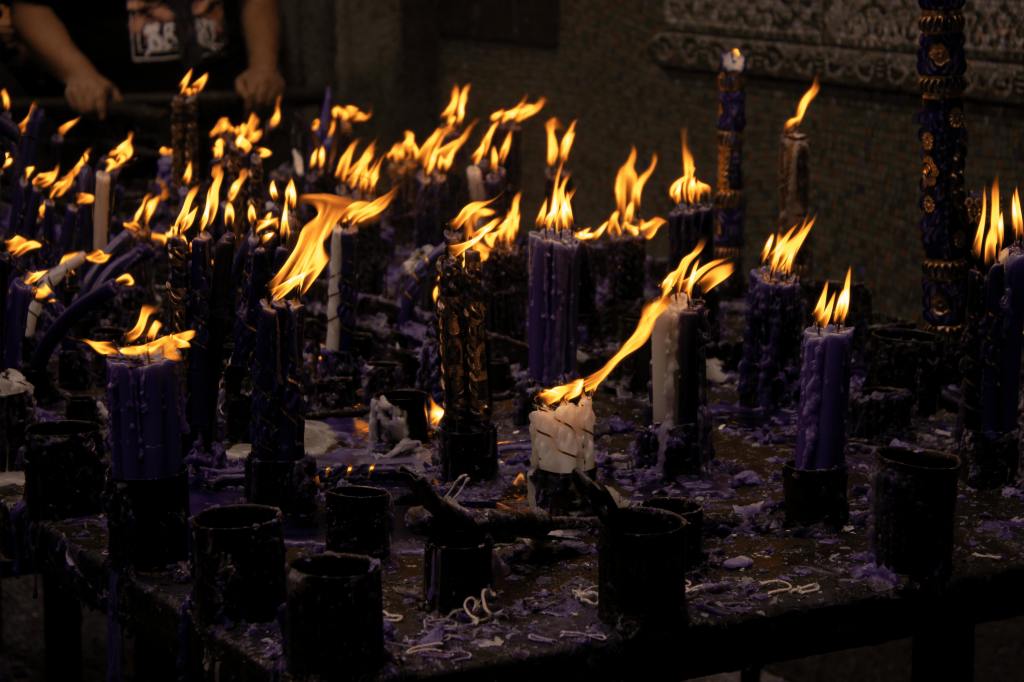
Walking in Your God-Given Confidence: Overcoming Jealousy, Criticism, and Toxic People

How to recognize and navigate jealousy, manipulation, and criticism — without dimming your light or losing your peace.

When you start experiencing strange reactions at work—or anywhere—such as jealousy, unnecessary opposition, gossip, or being treated like a threat, it’s easy to assume something is wrong with you. In reality, it can be a sign of God’s hand on your life.

This is a familiar spiritual pattern—one seen in the lives of David, Joseph, and ultimately Jesus. People aren’t reacting to your mistakes; they’re responding to your light, your anointing, and the confidence you carry.

Confidence Attracts Criticism

When you walk in your purpose with faith and inner strength, your presence can expose the insecurities of others. Their reactions are rarely about you—they’re about what your light reveals in them.

Carrying God’s Holy Spirit gives confidence a deeper meaning. It’s no longer pride, but spiritual purpose. That kind of assurance can feel threatening to those still wrestling with darkness. You were never meant to dim your light to make others comfortable. When you carry the Light of God, it naturally pierces the darkness—and that disruption often stirs resistance.

True confidence isn’t loud or boastful. It’s steady, grounded, and rooted in knowing who you are, whose you are, and what you carry within. For some, that confidence is inspiring. For others, it exposes what they’ve tried to hide—and that’s when certain behaviors begin to surface.

Biblical Examples

David: Attacked for His Anointing, Not His Actions

David did nothing to Saul.

He honored him. He served him. He played music for him. He killed Goliath for Israel.

And still—Saul hated him. Why? Because Saul felt threatened by David’s favor, confidence, and God-given anointing.

“Saul was afraid of David because the LORD was with David.” — 1 Samuel 18:12

Your coworkers aren’t necessarily threatened by your words or actions. Your presence bothers them. Your confidence exposes their insecurity. Your light irritates their darkness. Just like David.

Joseph: Hated for His Dreams

Joseph’s brothers didn’t hate him because he did something wrong. They hated him because of what God placed in him:

His dreams His favor His calling His confidence His future greatness

Those things stirred jealousy and insecurity in others.

“They hated him even more because of his dream and his words.” — Genesis 37:8

Sometimes people react not to who you are right now, but to who you’re becoming. They can sense potential. They can feel elevation coming. Your destiny bothers their demons.

Jesus: Rejected for His Light

If the perfect Son of God was criticized, attacked, mocked, misunderstood, and plotted against, we can expect to experience the same.

Jesus didn’t dim His light to make others comfortable. He didn’t shrink to ease their insecurity. He walked fully in His calling—even when the religious leaders were irritated by His authority, confidence, and truth.

“The light shines in the darkness, and the darkness has not overcome it.” — John 1:5

Your confidence and spiritual glow are not arrogance—they are evidence of what you carry. And darkness always reacts to light.

The Truth About What You’re Experiencing

Your confidence threatens their insecurity. Your favor threatens their ego. Your light disturbs their shadows. Your potential makes them uneasy. Your spirit irritates whatever is unhealed or unclean in them.

It’s not personal—it’s spiritual. You’re not the problem. You’re the proof that God’s presence is with you.

The Spiritual Reality Behind What You’re Experiencing

This is where the situation shifts from psychological to spiritual.

Your light disturbs what is dark.

Your peace agitates hidden demons.

Your obedience exposes compromise.

Your refusal to conform becomes a reminder of God’s truth.

You are not being opposed because you are wrong — you are being opposed because you are aligned. Your life reflects truth others chose not to obey. When someone lives in partial obedience or outright rebellion, your faithfulness becomes conviction without words.

You don’t have to preach for this to happen. Your presence alone carries it.

Why Your Light Triggers Strong Reactions

Light does more than illuminate — it reveals.

And revelation is uncomfortable for those who have chosen darkness, denial, or compromise.

Your confidence confronts insecurity.

Your integrity exposes dishonesty.

Your obedience highlights rebellion.

Your growth reminds others of what they abandoned.

This is why the reaction often feels disproportionate. It isn’t about the moment — it’s about the mirror your life holds up.

Common Reactions When Light Disturbs Darkness

– Attempts to Undermine or “Humble” You

When demons are disturbed, resistance often shows up as subtle criticism, dismissiveness, gossip, or passive attempts to shrink you. This isn’t correction — it’s discomfort with authority and conviction.

– Mislabeling Conviction as Arrogance

There is a difference between arrogance and grounded confidence. But those unwilling to submit to God’s truth often call obedience pride. What they resent isn’t your tone — it’s your refusal to compromise.

– Emotional Withdrawal or Avoidance

Some people pull away because your obedience reminds them of truth they ignored. Your peace exposes their unrest; your consistency highlights their inconsistency.

– Passive-Aggressive Criticism or Judgment

When conviction becomes too uncomfortable, it often turns into criticism. What they refuse to confront internally, they project externally.

– Competition, Comparison, or Resentment

Your favor, clarity, or progress may provoke rivalry or envy. Not because you invited it — but because your light challenges their comfort with stagnation.

It’s Not Personal — It’s Spiritual

This isn’t about personality clashes, communication styles, or misunderstandings.

It’s about:

Light versus darkness Obedience versus rebellion Truth versus compromise

Your life becomes a living witness. And witnesses convict — even in silence.

You are not the problem.

You are the proof that God’s presence is real, active, and uncompromised.

Why You Must Keep Shining

Your light is not vanity — it is testimony.

Your confidence is not ego — it is identity.

Confidence rooted in God reflects the Holy Spirit, not self-exaltation. Light always exposes darkness, and demons never remain comfortable where truth stands firm.

The discomfort your obedience causes is not your burden to manage. You are not called to dim what God ignited to preserve false peace.

What Uncompromising Confidence Looks Like

It looks like humility without insecurity.

Peace without apology.

Conviction without hostility.

Obedience without negotiation.

You continue walking in your calling even when misunderstood.

You respond with calm authority rather than defensiveness.

You lift others without shrinking yourself.

You reflect God’s truth without seeking approval.

When Your Light Exposes Darkness in Others

People with controlling or narcissistic tendencies often react most strongly to those who carry clarity, peace, confidence, and spiritual authority. These qualities expose insecurity, false identity, and resistance to God’s truth.

This is why the opposition can feel intense.

Demons recognize authority — even when people deny it.

Remember: those most disturbed by your light are often those most convicted by it.

Narcissistic Behavior in the Workplace: Why Your Confidence Triggers It

Narcissistic personalities thrive on control, admiration, dominance, superiority, and keeping others “small.” Their sense of stability depends on feeling above others.

When someone enters a space with confidence, competence, emotional stability, peace, spiritual grounding, and a strong identity, it threatens that fragile structure. Your presence challenges their need for control—and that’s when problems begin.

How Narcissistic Insecurity Shows Up

When threatened, narcissistic or deeply insecure individuals often respond with predictable behaviors: subtle put-downs, gossip, competition, attempts to undermine you, anger when you don’t fold, silent treatment, passive aggression, triangulation (turning others against you), and ultimately reframing you as “the problem.”

This is textbook narcissistic insecurity. Narcissists can sense strength—and they resent it.

The Spiritual Side: Why Light Triggers Them

As stated before, your light irritates their demons.

Narcissistic traits flourish in insecurity, pride, ego, manipulation, fear, and the need for control. God-given light threatens that darkness.

People with narcissistic tendencies are deeply uncomfortable around truth, confidence, emotional maturity, spiritual discernment, kindness, and genuine peace—because those qualities expose what they work hard to hide.

This is why narcissists are triggered by people who walk in identity and favor.

When Your Confidence Increases, Their Mask Slips

Narcissists cannot tolerate someone who is not intimidated, does not seek their approval, does not fold under pressure, and remains calm, grounded, and joyful.

The more confident and steady you become, the more their behavior escalates—because your presence reveals everything they try to conceal.

Biblical Pattern + Psychology: The Same Story

David triggered Saul’s jealousy.

Joseph triggered his brothers’ envy and inferiority.

Jesus triggered the Pharisees’ pride and insecurity.

In every case, the chosen one did nothing wrong. The opposition flowed from insecurity, and the response became manipulative, controlling, or abusive. Yet the chosen one rose anyway.

This pattern appears both in Scripture and in modern psychology.

What You’re Experiencing: The “Narcissistic Infection Effect”

One toxic person can shift an entire atmosphere.

They begin by gossiping subtly—not with direct accusations, but with “concerns,” jokes, or observations. These seeds are absorbed without people realizing they’re being influenced.

They use triangulation, saying things like “Everyone’s noticed…” or “People have been saying…” to turn others against you. They play the victim to gain sympathy, act like the “concerned friend” to mask jealousy, and slowly isolate you by filtering how others see you.

Before long, people grow distant or judgmental—without you doing a single thing wrong.

Why They Chose You as the Target

Narcissistic or deeply insecure people target those who are confident, skilled, liked, spiritually grounded, independent thinkers, not easily manipulated, and not intimidated.

Your presence exposes their insecurity. Their unspoken goal becomes: If I can’t shine, I’ll dim their light.

But here’s the truth: you can only dim someone’s light if they allow it. You haven’t—and that’s why the behavior escalates.

How They Pull Others In

Those around them—especially weaker or more insecure individuals—often become easily influenced. They don’t want to be the next target, so they go along. They’re afraid to speak up, emotionally manipulated into thinking they’re being loyal, and drawn into drama under the belief that you are the problem.

This creates a “team-versus-you” dynamic that is both psychological and spiritual.

Scripture shows this clearly: one jealous brother infected the others against Joseph. Saul turned Israel against David through fear and lies. The Pharisees manipulated crowds who once loved Jesus.

One insecure person can poison many—until truth surfaces.

The Good News: The Infection Never Lasts

Toxic influence always burns out. Manipulation cannot stand forever. Truth eventually exposes the manipulator, and the one targeted is elevated.

Joseph became a ruler.

David became king.

Jesus rose in glory.

The pattern never changes.

When One Narcissistic Person Infects a Workplace

Psychology recognizes this behavior as triangulation, projection, smear campaigns, group manipulation, and the use of “flying monkeys.”

A narcissist cannot tolerate someone they can’t control, intimidate, or overshadow. So they isolate you indirectly—planting doubt, spreading concern-based gossip, recruiting others through fear, playing the victim, and reframing you as the issue.

Soon, people who once treated you warmly act differently—not because of who you are, but because of what they’ve been fed.

Psychological Reality Meets Spiritual Truth

Narcissists are drawn to people who are confident, don’t seek approval, can’t be controlled, peaceful, purposeful, and spiritually grounded.

Your confidence threatens their façade.

Your peace threatens their chaos.

Your purpose threatens their stagnation.

In other words, your light irritates everything in them that is dark, unhealed, or insecure. This is both psychological truth and spiritual warfare.

The Pattern Repeats—But So Does the Outcome

David was smeared.

Joseph was betrayed.

Jesus was falsely accused.

One insecure person can turn many cold—until truth is revealed.

And when it is, the chosen one rises.

Final Word: Keep Shining

What you’re experiencing is not personal—it is spiritual and psychological.

Confidence exposes insecurity.

Light exposes darkness.

Purpose exposes jealousy.

Favor exposes pride.

Narcissists react to what threatens them, not to who you truly are.

So keep shining. Keep walking in your purpose. Keep carrying the Holy Spirit boldly. Never dim your God-given light to make someone else comfortable in darkness.

Your rise is coming. Nothing—and no one—can stop what God has ordained.

———————

** By Ricardo Gomez Angel at Unsplash

A Guide to Understanding and Addressing Bullying

What is Bullying?

Bullying is a repeated, intentional behavior that exploits a power imbalance. It can occur in schools, workplaces, social groups, online spaces, or even in communities that are expected to be safe. Bullying is harmful and manipulative, and its effects can be long-lasting, impacting emotional, psychological, social, and physical well-being.

Forms of Bullying

Bullying can manifest in numerous ways:

Physical bullying: Harming someone’s body or belongings through hitting, pushing, theft, or vandalism.

Verbal bullying: Name-calling, teasing, threats, or degrading comments.

Emotional bullying: Intimidation, humiliation, belittling, shaming, or undermining a person’s confidence.

Social bullying: Collective isolation, exclusion from groups, spreading rumors, withholding important information, and manipulating friendships or social relationships.

Cyberbullying: Harassment, threats, or humiliation online via social media, messaging, or email, often anonymous and relentless, leaving victims with no safe space to retreat.

Bullying often combines several forms simultaneously. For example, social bullying can be accompanied by emotional manipulation, and cyberbullying may amplify verbal attacks.

Why People Bully

Individuals engage in bullying behavior for a variety of reasons. Some act out of a desire for control, dominance, or social power. Others may have insecurities, jealousy, or fear of being exposed, using bullying to deflect attention from their vulnerabilities. Some have learned aggressive or manipulative behaviors from past environments or family dynamics. Bullies often present a socially acceptable or competent exterior to hide harmful tendencies.

In group situations, bullying can escalate as individuals join in to protect themselves, gain favor, or conform to social pressures, especially when the bully is popular or influential. This group dynamic can make bullying more intimidating and difficult to address.

Why Victims Often Do Not Report

Victims frequently do not report bullying due to fear, shame, embarrassment, or uncertainty about how to respond. Many endure it silently, hoping it will die down, only to find the behavior escalates. Bullies frequently triangulate conflicts, drawing others in, spreading misinformation, or manipulating peers to isolate the victim. This can intensify the victim’s sense of powerlessness and encourage more people to participate, particularly if the bully is socially dominant.

Impacts on Victims

Bullying can affect individuals in multiple ways:

Emotional impacts: Anxiety, depression, fear, loss of confidence, and social withdrawal.

Physical impacts: Headaches, stomach aches, sleep disturbances, or other stress-related symptoms.

Social impacts: Isolation, loss of friendships, or reluctance to engage in school, work, or community activities.

Academic or professional impacts: Decreased performance, absenteeism, or disengagement.

Warning Signs of Bullying

Early recognition of warning signs is essential for timely intervention. Victims may exhibit:

Avoidance of certain people, places, or social situations. Sudden changes in mood, behavior, or personality. Unexplained physical injuries or complaints such as headaches or stomach aches. Withdrawal from friends, colleagues, or usual activities. Reluctance or anxiety about engaging with digital devices or online spaces. Decreased performance at school or work, missed deadlines, or frequent absenteeism.

Recognizing these warning signs can allow friends, family, educators, or colleagues to intervene and provide support before bullying escalates further.

Addressing Bullying

For Children

Parents and guardians play a critical role by encouraging open communication, creating safe spaces to discuss experiences, and teaching empathy and coping strategies. Practical steps include supporting children in forming healthy friendships, knowing when to remove themselves from harmful situations, and seeking help from trusted adults or school authorities. Schools play a key role by establishing anti-bullying policies, fostering inclusion and empathy, and responding promptly to cyberbullying with digital safety education.

For Adults

Bullying in adulthood can be subtle and complex, including exclusion from key information, undermining work or professional contributions, intimidation, or social manipulation. Adults can respond by documenting incidents, setting firm boundaries, seeking guidance from trusted colleagues or human resources, and escalating concerns through formal channels when necessary. Maintaining self-care through counseling, stress management, and supportive relationships is vital for coping with the impact of bullying.

Cyberbullying

Special precautions are needed for online harassment. Protective strategies include monitoring online interactions, using privacy settings, reporting harassment, and seeking support from trusted individuals or professionals. Communities, organizations, and institutions must foster cultures of accountability, respect, and inclusion to minimize opportunities for bullying to thrive.

Collective and Group Dynamics

Bullying often escalates in group settings. A popular or influential individual may orchestrate or encourage others to participate, using peer pressure, triangulation, or manipulation. Victims may be socially ostracized or misrepresented, reinforcing the bully’s control and isolation. Recognizing these patterns is essential in schools, workplaces, and social settings to prevent escalation and protect vulnerable individuals.

What Can Be Done About Bullying

Addressing and preventing bullying requires coordinated action from both individuals and organizations. Effective strategies include:

Recognize and acknowledge bullying: Understand its various forms and warning signs.

Document incidents: Keep detailed records for reporting or escalation.

Set boundaries: Clearly communicate limits and refuse to tolerate abuse.

Seek support: Engage trusted friends, family, colleagues, mentors, or professional advisors.

Report: Escalate concerns to schools, HR departments, or legal authorities when necessary.

Promote safe environments: Encourage policies, training, and programs that prevent bullying and support victims. Practice self-care: Prioritize mental and physical well-being, counseling, stress management, and supportive relationships.

Bullying thrives in secrecy and silence. By recognizing harmful behavior, standing firm in boundaries, supporting victims, reporting incidents, and creating accountable environments, individuals and organizations can reduce the prevalence and impact of bullying. Awareness, intervention, and consistent action are essential for creating communities where all individuals feel respected, safe, and valued.

Practical Strategies for Immediate Response

When facing bullying in real time, victims can use several practical strategies to protect themselves and respond safely:

Stay calm: Take deep breaths and avoid responding impulsively, which can escalate the situation.

Document immediately: Write down what happened, including times, dates, people involved, and witnesses. This creates a factual record for future reporting.

Set clear boundaries: If safe to do so, assertively communicate that the behavior is unacceptable. Simple statements like “I do not accept being treated this way” can establish limits.

Remove yourself if possible: Step away from the situation to reduce immediate risk and regain emotional control.

Seek support immediately: Contact a trusted friend, colleague, family member, or supervisor.

Having someone aware of the situation provides validation and protection.

Report through formal channels: Inform HR, school authorities, managers, or other relevant authorities.

Include documented evidence. Do not isolate yourself: Engage with supportive networks or professional help, such as counseling or advocacy groups, to process emotions and plan next steps.

Practice self-care: Prioritize physical and mental well-being through rest, healthy routines, and stress management techniques.

These strategies help victims respond safely, protect themselves, and prevent bullying from escalating further. Combined with organizational accountability and proactive measures, they form a comprehensive approach to reducing harm and fostering safer environments.

What to Do if You or Someone You Know is Being Bullied

The Bible reminds us that God is “a refuge for the oppressed” (Psalm 9:9). Whether you’re experiencing bullying or supporting someone who is, take these steps:

1. Pray for strength and wisdom: Trust in God’s power to protect and guide you (Psalm 46:1).

2. Seek support from trusted individuals: Speak with a parent, teacher, supervisor, or pastor.

3. Avoid harmful situations: Stay in safe, supportive environments and seek godly counsel.

4. Report the behavior: Escalate concerns to appropriate authorities, trusting that God is a God of justice (Isaiah 30:18).

Self-Care and Mental Health: Restoring Hope Through Christ

Bullying can leave deep emotional scars, but God offers healing and hope.

• Find peace in God’s presence: Turn to Scriptures like Philippians 4:6-7 to experience God’s peace in times of distress.

• Seek help from Christian counselors: Don’t hesitate to involve professionals who share a biblical perspective on healing and wholeness.

• Celebrate your worth in Christ: Remember, you are fearfully and wonderfully made (Psalm 139:14). Surround yourself with uplifting people who affirm your value in God’s eyes.

Seeking Help and Support

If you or someone you know is experiencing bullying, remember that you are not alone. Reach out for help and trust in God’s promise: “The Lord is close to the brokenhearted and saves those who are crushed in spirit” (Psalm 34:18).

Below are resources to guide you toward safety and healing:

In the USA

• National Bullying Prevention Center (PACER): Offers resources for children, parents, and educators to address bullying. Visit pacer.org/bullying or call 1-952-838-9000.

• StopBullying.gov: A government resource that provides information on how to recognize, prevent, and address bullying. Visit stopbullying.gov.

• National Suicide Prevention Lifeline: If bullying has caused emotional distress, contact 988 (or 1-800-273-TALK) for immediate assistance.

• Christian Counseling Resources: Seek guidance from faith-based counseling services such as Focus on the Family (focusonthefamily.com) or the American Association of Christian Counselors (aacc.net).

In the UK

• National Bullying Helpline: Provides practical advice for individuals dealing with bullying. Call 0300 323 0169 or email help@nationalbullyinghelpline.co.uk.

• Anti-Bullying Alliance: Offers resources and campaigns to help prevent bullying in schools and communities. Visit anti-bullyingalliance.org.uk.

• Childline: A resource for children and young people facing bullying. Call 0800 1111 or visit childline.org.uk.

• Bullying UK (Family Lives): Support for families and individuals dealing with bullying. Call their helpline at 0808 800 2222 or visit bullying.co.uk.

Encourage your church community to support anti-bullying efforts by sharing these resources and fostering environments where individuals feel safe and valued. Remember, “God is our refuge and strength, an ever-present help in trouble” (Psalm 46:1).


*** Photo by Alexander Krivitskiy at Pexels

7 Truths About Halloween Every Christian Needs to Know

Should Christians celebrate Halloween? Every year, this question stirs conversations among believers. Some say it’s harmless fun, just costumes and candy. Others sense something darker behind it. But what does the Bible say? In this post, “7 Truths About Halloween Every Christian Needs to Know,” I’ll share seven biblical reasons why followers of Jesus should stay away from this holiday and walk in the light instead of darkness.

The Bible’s Warning About Fellowship with Darkness

In 1 Corinthians 10:14–22, Paul warns believers to flee from idol worship. He reminds us that while idols themselves are nothing, demons hide behind them. When we participate in pagan practices, we are not just engaging in culture, we are having fellowship with demons.

Paul outlined four principles for Christians living in a pagan society:

  1. Meat in the market – Buy it without worrying about where it came from.
  2. Invitation to dinner – Eat freely unless someone tells you the food was offered to idols.
  3. Eating in temple restaurants – It’s fine unless it causes a weaker believer to stumble.
  4. Pagan temple parties – Do not attend, because they involve fellowship with demons.

So when we think about Halloween, which of these do you think it resembles? Is it a casual dinner or a pagan party? I believe it’s more like the latter. Here’s why.

1. The Origins of Halloween Are Pagan

Halloween’s roots go back to an ancient Celtic festival called Samhain. People believed the veil between the physical and spiritual worlds was thinnest on October 31. They wore costumes to ward off evil spirits, lit bonfires, and practiced rituals to communicate with the dead.

Even today, those in witchcraft and occult circles view Halloween as a sacred night. The Bible clearly instructs believers not to imitate the customs of those who practice sorcery or divination. God told His people in Leviticus 18:3, “Do not follow their practices.” Some things can be redeemed, others must be removed. Halloween falls into the latter.

2. Halloween Means More Than Candy to Those in Witchcraft

For many, Halloween is just about treats and costumes. But for those involved in witchcraft and Satanism, it’s one of the most spiritually charged nights of the year.

Anton LaVey, the founder of the Church of Satan, once said he was glad that Christian parents let their kids “worship the devil at least one night a year.” While we don’t take his words as truth, they reveal how significant Halloween is for the dark side.

As Christians, we must recognize that what the world sees as entertainment, the enemy sees as opportunity. We can’t mix light with darkness.

3. Halloween Has Not Been Redeemed for God

Some Christians try to “redeem” Halloween by hosting alternative events. But let’s be honest, Halloween is darker today than ever before. The rise of witchcraft, horror films, and fascination with the demonic proves that culture isn’t being redeemed, it’s being hijacked.

The early church responded to pagan celebrations by creating All Saints’ Dayon November 1 to honor godly men and women. Yet the evening before, All Hallows’ Eve, eventually turned into what we know as Halloween. Instead of becoming more Christian, it became more demonic.

You can’t purify what was designed to glorify darkness. Sometimes, the most spiritual thing we can do is separate instead of repackage.

If you want to learn how to close every open door to the enemy and live fully free in Christ, read my book Make the Devil Homeless. It will help you take authority and keep the devil out of your life for good.

4. Celebrating Halloween Is Conforming to Culture

Many Christians celebrate Halloween out of fear of looking strange or missing out. But Scripture tells us in Romans 12:2, “Do not be conformed to this world, but be transformed by the renewing of your mind.”

When we join in the same celebrations as the world, especially ones rooted in darkness, we blur the line between holy and unholy. Daniel didn’t bow to Babylon’s idols to fit in. Neither should we.

The world promotes spirituality without Christ, supernatural experiences without truth, and darkness disguised as fun. We are called to be set apart, not strange, but different because of Jesus.

5. Halloween Promotes Darkness, Death, and Fear

Christianity celebrates life, light, and faith, not darkness, death, and fear. The Bible says in 1 John 4:18, “Perfect love casts out fear.”

Think about it. Halloween glorifies skulls, ghosts, and the grave. It celebrates the night rather than the light. The only death Christians celebrate is the death of Jesus, which defeated sin and death once and for all.

Jesus is the Light of the World, and He calls us to reflect His light. You can’t do that while participating in what glorifies fear and evil.

6. Halloween Is Fellowship with the Works of Darkness

Paul wrote in Ephesians 5:8–11, “Have no fellowship with the unfruitful works of darkness, but rather expose them.”

If you walk into any store in October, what do you see? Ghosts, witches, blood, horror, and fear. Nothing about it reflects light, faith, or purity. We don’t need to wait for a label saying “this is demonic” to know what is dark.

When you participate in Halloween, even “innocently,” you are still engaging with what Scripture calls unfruitful. Light cannot coexist with darkness.

7. Halloween Activities Don’t Honor the Lord

Finally, many of the activities tied to Halloween simply don’t honor God. Dressing up as demons, witches, or provocative characters grieves the Holy Spirit. The Bible says in 1 John 2:15–17, “Do not love the world or the things in the world.”

Halloween often involves drunkenness, drugs, and identity confusion. On this night, people pretend to be something they’re not, while the world is already drowning in confusion about identity. Why would we join that?

Satanists don’t celebrate Good Friday, so why should we celebrate their holiday? We don’t owe darkness a single day of our devotion.

What We Should Celebrate Instead

Instead of joining in with Halloween, let’s turn our focus to what truly matters as believers. This season is a perfect time to lift up the name of Jesus and celebrate what He has done for us.

  1. Celebrate the death, burial, and resurrection of Jesus. That’s where our victory over sin and darkness was won. Every day is Resurrection Sunday for those who walk in His light.
  2. Celebrate the light of God’s Word.His Word drives out darkness and gives direction when the world around us feels confused and lost.
  3. Celebrate faith over fear. Fear opens the door to torment, but faith opens the door to peace. When you trust the Holy Spirit, you live with confidence and courage.
  4. Celebrate purity instead of popularity. Holiness will never go out of style in heaven. Choosing what pleases God, even when it’s unpopular, brings real joy and freedom.
  5. Celebrate evangelism over entertainment. While others give out candy, give out hope. Use this time to share the gospel with someone who needs Jesus.

When the world grows darker, the light of Christ in us should shine even brighter. Don’t just avoid Halloween. Use this time to glorify Jesus and show that real joy is found in Him.

When you understand its origins, its meaning, and the spiritual influence behind it, it becomes clear that Halloween does not belong in the life of a believer.

We are called to walk in holiness and reflect Christ in everything we do. There is no fellowship between light and darkness. Instead of filling our homes with fear and shadows, let’s fill them with worship, prayer, and faith.

Light does not hide from darkness. It exposes it. Let the light of Jesus shine through your life.

——————-

** By Vlad Savchuk / Photo by Vlad Chețan at Pexels

The Dark Legacy of Margaret Sanger, Eugenics and Modern Parallels

Question: What does Hitler, Margaret Sanger and modern day ideologies all have in common?

Throughout history, ideas cloaked in progress and compassion have often concealed darker agendas. One clear example is Margaret Sanger, the founder of Planned Parenthood, while widely recognized for advocating birth control, her work was deeply rooted in eugenics—a pseudoscience claiming that humanity could be “improved” by controlling who reproduces. This ideology targeted the poor, minorities, and the disabled and was a precursor to policies that influenced Adolf Hitler’s Nazi regime. Sanger was the face of the eugenics movement in the United States.

Disturbingly, these ideologies are resurfacing today under the guise of compassionate policies aimed at solving global problems like poverty and climate change. Bills currently being passed in parts of Europe, for example, advocate for euthanasia and abortion as solutions to societal issues. These practices echo the destructive ideas of eugenics and serve as a chilling reminder of history repeating itself.

This article unpacks Margaret Sanger’s troubling beliefs, her connections to eugenics, the parallels between her ideologies and Adolf Hitler’s policies, and how these concepts persist in modern society. It also examines these issues from a spiritual perspective, revealing the deception and destruction that underpins them.


Who Was Margaret Sanger and What Did She Believe?

Margaret Sanger was an American born in the 1800’s who is celebrated as a pioneer for women’s rights and reproductive health. However, a closer look reveals that her advocacy for birth control was deeply intertwined with harmful, dark and oppressive ideologies. Recently Planned Parenthood has tried to distance itself from Sanger’s eugenics ties, with many branches removing her name from clinics in order to try and erase historical facts of Planned Parenthood’s disturbing origins.

1. Eugenics: The Idea of “Weeding Out” Society

  • Margaret Sanger believed that society could be “improved” by preventing certain groups from reproducing. This idea, rooted in eugenics, targeted those she deemed “unfit,” such as individuals with disabilities, mental illnesses, or extreme poverty.
  • She infamously referred to such individuals as “human weeds” in her book The Pivot of Civilization (1922). This dehumanizing language revealed her belief that some lives were less valuable than others.
  • Her push for birth control wasn’t just about family planning; it was about controlling who had the right to have children, and how many, she once callously quoted, “one of the most merciful thing that a large family does to one of it’s infant members is to kill it.”

2. Targeting Minorities and the Poor

  • Sanger spearheaded initiatives like the “Negro Project” in 1939, which promoted birth control among African American communities. While some viewed this as an effort to address poverty, critics argue it was a covert attempt to control black and other minority populations. Sanger was quoted, “The most successful educational approach to the negro is through a religious appeal. We do not want word to go out that we want to exterminate the negro population, and the (Church) Minister is the man who can straighten out that idea if it ever occurs to any of their more rebellious members.”
  • Sanger and her colleagues framed these efforts as “help,” but they were rooted in the same racist ideologies that underpin eugenics.

3. Connections to Racist Groups

  • Sanger’s support for eugenics has led to allegations of racism, particularly given her associations with eugenicists who promoted sterilization and birth control to curb the reproduction of marginalized groups. In writings and speeches, Sanger expressed views that are classist and ableist, and she once addressed a women’s group associated with the Ku Klux Klan in an effort to promote birth control. While she later criticized their ignorance, her willingness to engage with such groups demonstrates how far she would go to promote her agenda, even if it meant making morally dubious alliances.

Adolf Hitler, Eugenics, and Parallels with Margaret Sanger

The ideology of eugenics didn’t stop with Margaret Sanger, it extended beyond her work and had a significant global impact, influencing Adolf Hitler and the policies of the Nazi regime. Hitler’s early gas chamber experiments on the institutionalised disabled and mentally ill German and Austrian citizens, called ‘the Aktion T4 program’ foreshadowed the broader atrocities of the Holocaust, illustrating the dangers of dehumanizing policies. Critics of modern global health initiatives express concern that contemporary policies aimed at public health or climate change could follow a similar trajectory, evolving into coercive population control measures.

How Hitler Used Eugenics

  • Hitler’s policies on sterilization, euthanasia, and genocide were directly inspired by eugenics principles. He sought to create a “master race” by eliminating groups he deemed inferior, such as Jews, Romani people, and the disabled.
  • The Nazis’ forced sterilization programs were modeled after similar laws in the United States, which Sanger supported.

Did Hitler Admire Sanger?

Although cited, there is no direct evidence that Adolf Hitler personally admired Margaret Sanger, even though they shared the same ideologies and rooted for similar goals. There are significant connections between the eugenics movements in the U.S. and Europe, which influenced the policies of Nazi Germany.

Nazi Eugenics Influenced by American Policies

Historians agree that Nazi eugenics policies, including forced sterilizations and euthanasia programs, were strongly influenced by American eugenics laws. Key figures in the U.S. eugenics movement, such as Charles Davenport and Harry Laughlin, were cited in Nazi propaganda. This influence contributed to the Holocaust, where millions were murdered under the guise of racial purity. The Nazi regime cited American eugenics programs as justification for their policies, including forced sterilizations and the implementation of genocidal measures. Both Sanger and Nazi officials used pseudoscientific rhetoric to justify their actions, presenting them as efforts to improve the human race, despite the harmful and oppressive consequences. This ideological connection was also referenced during the Nuremberg Trials, where the links between U.S. eugenics programs and Nazi practices were acknowledged.

The Link to Margaret Sanger and Planned Parenthood

Margaret Sanger was an active member of the American eugenics movement, advocating for birth control and sterilization to “improve” society. As noted in research (e.g., Margaret Sanger and the Nazis: How Many Degrees of Separation), the eugenics movement in the U.S. strongly influenced Nazi eugenics. This association ties Sanger’s work and Planned Parenthood to the horrors of Nazism, as both shared a belief in controlling reproduction to shape a “better” society, often through coercive and oppressive means.

Sanger also embraced Darwinism, particularly its emphasis on survival of the fittest. She believed that applying Darwinian principles to human society could improve the gene pool and eliminate those deemed “unfit.” This belief further aligns her views with the ideas of Nazi eugenics, which sought to rid society of “undesirable” individuals.

Rebranding Eugenics

After World War II, the term “eugenics” fell out of favor due to its association with Nazi atrocities. However, the principles of eugenics were rebranded as “family planning,” a term still used today. Planned Parenthood’s early mission reflects this ideological shift.


Modern Policies: The Return of Eugenics?

Eugenics never truly disappeared—it has simply evolved. Many modern policies echo these harmful ideas while being marketed as compassionate or progressive solutions.

1. Abortion and Minority Communities

  • Planned Parenthood continues to disproportionately serve minority neighborhoods. While supporters argue this improves healthcare access, critics point to Sanger’s eugenics legacy, suggesting these clinics target the same groups she sought to suppress.
  • Abortion rates among African American and Hispanic communities are significantly higher than among white populations, raising concerns about systemic targeting.

2. Euthanasia and Assisted Suicide

  • In Europe and parts of Canada, euthanasia laws have expanded to include individuals with disabilities and mental illnesses. These policies, marketed as compassionate “choices,” echo the eugenics-era belief in eliminating those deemed burdensome to society.
  • These laws disproportionately impact vulnerable groups, raising ethical concerns about coercion and societal devaluation of life.

3. Global Population Control

  • Organizations like the World Health Organization (WHO) and World Economic Forum (WEF) advocate for population control in developing countries, often tying these programs to climate change initiatives.
  • In some cases, nations have reported being pressured to implement sterilization programs or abortion policies in exchange for foreign aid—echoing the coercive tactics of eugenics campaigns.

4. Genetic Screening and Selective Abortion

  • Advances in prenatal testing allow parents to screen for disabilities like Down syndrome. In countries such as Iceland, nearly all pregnancies with a Down syndrome diagnosis end in abortion. Critics argue this amounts to modern eugenics, targeting those deemed less “perfect.”

The Spiritual and Ethical Perspective

For many of us, the debate over abortion and related policies feels like part of a larger spiritual battle. Citing passages like Ephesians 6:12, “For we do not wrestle against flesh and blood, but against principalities, against powers, against the rulers of the darkness of this age,” it becomes clear that these issues reflect a deeper struggle between good and evil.

From this perspective, policies that promote abortion or population control are seen as opposing the sanctity of life. These actions are viewed as contrary to divine principles, as they undermine God’s plan for humanity. In this way, the modern debate is not just a political issue, but a spiritual one, where we are called to stay vigilant and resist the moral decay in society.


Playing God: A Sinful Rebellion Against the Creator

At the core of eugenics and similar ideologies is the desire to play God with human lives—determining who is worthy to live and who is not. This inflated sense of power and nefarious manipulation reflects the nature of their father, the devil, who “was a murderer from the beginning, not holding to the truth, for there is no truth in him” (John 8:44).

A Spiritual Battle: Why This is Satanic

From a biblical perspective, the dehumanization and destruction central to eugenics reflect satanic influence. The Bible teaches that every person is made in God’s image (Genesis 1:27) and has inherent value.

  1. Deception: Satan often disguises evil as good, twisting compassion into harm. Eugenics was presented as “scientific progress,” while modern policies like euthanasia and abortion are framed as acts of kindness.
  2. Dehumanization: By labeling people as “weeds” or “unfit,” eugenics denies the God-given dignity of every individual. This devaluation of life is a direct rebellion against God’s creation.
  3. Mass Destruction: The ultimate goal of eugenics—whether through sterilization, abortion, or euthanasia—is the destruction of life. This reflects Satan’s role as a murderer and deceiver (John 8:44).
  4. Spiritual Warfare: Ephesians 6:12 reminds us that our struggle is not merely against human systems but against “spiritual forces of evil.” Recognizing these influences helps us stand firm against them.

Recognizing and Resisting Evil

Margaret Sanger’s advocacy for birth control was rooted in eugenics, targeting minorities, the poor, and the disabled. Her ideas influenced Nazi policies and continue to echo in modern practices like abortion, euthanasia, and population control.

As Christians and as a society, we must remain vigilant against these deceptions. Upholding the sanctity of life and recognizing the inherent worth of every individual is essential to combating these ideologies. We are all made in the image of God, and He did not make a mistake when He knitted us together in our mothers’ wombs. All our days are numbered, and we are deeply loved by God. The enemy’s efforts to continuously mar the ‘image’ of God reflect his desire to destroy and distort the inherent dignity of each person. We must resist these lies, stand firm in the truth, and honor the sanctity of every life.


Defund Planned Parenthood:

Planned Parenthood, America’s largest abortion provider, performs over 1,000 abortions every day—approximately one every 80 seconds. In the 2022-2023 fiscal year alone, the organization received $699 million in taxpayer funding. Over the years, this has amounted to billions of dollars supporting practices that many Americans oppose.

Live Action, a leader in the pro-life movement, is pioneering the effort to end this taxpayer funding. Sign the petition today to join the fight and demand that the government stops funding Planned Parenthood.


Further Reading and References

  • Margaret Sanger: Darwinian Eugenicist (Creation Ministries International)
  • Timeline of Eugenics in America (Genome.gov)
  • Time: Planned Parenthood and Margaret Sanger’s Troubling Legacy
  • Academia.edu: Margaret Sanger and the Holocaust
  • America Magazine: Sanger’s Eugenicist Legacy
  • Courier Herald: Hitler, the KKK, and Margaret Sanger
  • EWTN: Who Was Margaret Sanger?
  • Edwin Black: War Against the Weak: Eugenics and America’s Campaign to Create a Master Race

————————————

***Photo by Newsbusters

Topics of Interest:

Support for Crisis Pregnancies in USA & UK

GET INFORMED:

Please be informed and educated about abortion procedures and gain a better understanding of what they entail, visit: PRO LIFE CONNECT. This resource provides accurate, evidence based information designed to educate and inform people about the medical, emotional, and social aspects of abortion. Understanding the facts is a critical step in making informed decisions and engaging thoughtfully in the abortion debate.

A Modern-Day Stephen: Why Charlie Kirk’s Death Must Wake Us Up

In the wake of the assassination of Charlie Kirk, I cannot stay silent. He stood for righteousness, confronted lies, and reminded me of Stephen in the book of Acts — bold, unflinching, refuting nonsense with truth. And just like then, the world couldn’t stand to hear it. So, they killed him.

“Have I then become your enemy by telling you the truth?” — Galatians 4:16

The Pattern of Hatred

Stephen spoke with wisdom and spirit that his enemies could not refute. They plugged their ears, gnashed their teeth, and raged against the truth until they stoned him. Charlie faced the same spirit — a generation that hates the light, calls good evil and evil good, and literally shoots down anyone who dares to dissent, celebrating and rejoicing at his death.

“Woe to those who call evil good and good evil, who put darkness for light and light for darkness.” — Isaiah 5:20

We are watching the same story unfold. Then it was Stephen. Now it is Charlie. The names change, but the hatred for truth remains the same.

The Death of “Tolerance”

We are told to value “inclusion.” Yet the same voices that preach tolerance exclude anyone who refuses to bow. Disagreement is no longer allowed; only silence or surrender. “Let’s agree to disagree” has been replaced by “submit or be destroyed.”

As one supporter put it: “Charlie Kirk did not spread hate speech. He spread speech the left hated.”

And as George R.R. Martin warned: “When you tear out a man’s tongue, you are not proving him a liar, you’re only telling the world that you fear what he might say.”

What once was free debate is now suppression. What once was respect for dissent is now cancellation and violence. We have abandoned even Voltaire’s simple creed:

“I disapprove of what you say, but I will defend to the death your right to say it.”

Charlie refused to bow. He refused to surrender. He stood. And they could not endure it.

The Real Danger: Our Silence

His death woke me up out of my slumber, I pray it has awoken you too. And I will not go back. Because the greatest danger isn’t their hatred — it’s our silence. For too long we have remained silent when we could have spoken truth in love. Christian witness is not loud anger but faithful proclamation, even when it draws opposition.

Martyrdom is a megaphone. Stephen’s death shook Jerusalem. Charlie’s death must shake us. This is not the time to retreat.

“Do not be afraid of those who kill the body but cannot kill the soul.” — Matthew 10:28

The Rallying Cry

We will not shrink from speaking the truth in love. We will not be silenced, for our mission is to proclaim God’s Word, even when it is unpopular. We were born to stand in faith, to proclaim truth patiently and lovingly, trusting God with the results.

“You stiff-necked people, uncircumcised in heart and ears! You always resist the Holy Spirit.” — Stephen, Acts 7:51

A Word of Comfort

To those who knew Charlie, who mourn his loss, and to those who are curious why he stood so boldly: hear this truth. Death is not the end for those who believe in Christ. The moment Charlie’s body fell, his spirit was received into the arms of Jesus.

“To be absent from the body is to be present with the Lord — for those who trust in Him.” — 2 Corinthians 5:8

Stephen, as he was stoned, looked up and saw Jesus standing at the right hand of God, ready to receive him. And I believe the same Lord stood to welcome Charlie home. Like Stephen, who prayed for those who stoned him (‘Lord, do not hold this sin against them’ — Acts 7:60), we are called to hold truth and grace together — to speak boldly but forgive freely. May we also be reminded to number our days, trusting the Lord to decide the span of our lives, and to live faithfully in the time He gives us.

For those who grieve, may you be strengthened and given grace. May Jesus draw near to your broken hearts, comforting you in your loss.

Though he will be deeply missed, let us hold fast to the hope we have in Christ — the hope of resurrection, the hope of eternal life, and the hope that one day every tear will be wiped away. His race is finished, his crown of life secured, his rest eternal.

But his story is not over. Because every martyr points us to the cross — where Jesus Himself conquered death. And through that victory, all who repent and believe in Him will share in the same hope: everlasting life.

Born for Such a Time as This

Charlie Kirk — a modern-day Stephen — has joined the cloud of witnesses who stood unashamed for truth. His blood is not wasted. His voice is not silenced.

“The blood of the martyrs is the seed of the Church.” — Tertullian

Like Stephen’s martyrdom sparked Saul’s conversion and propelled the gospel outward, so too will Charlie’s stand spark awakening.

“Therefore, since we are surrounded by so great a cloud of witnesses, let us lay aside every weight… and run with endurance the race that is set before us.” — Hebrews 12:1

If they thought ending Charlie’s life would silence the truth, they are mistaken. His witness lives on in those who speak faithfully and lovingly for Christ. Like Stephen’s death, his example inspires boldness and truth to spread like fire. His voice continues through us as we proclaim God’s Word with courage and love.

“For if you remain silent at this time, relief and deliverance… will arise from another place. But who knows whether you have come to the kingdom for such a time as this?” — Esther 4:14

We were born for such a time as this. Not to shrink back. Not to compromise truth. Not to hide our faith. We were born to stand in faith, to proclaim God’s Word with courage and love, and to trust Him with the results.

The Gospel Charlie Believed and Preached

Charlie would not want this moment to end without the message that defined his life: Jesus Christ. His boldness did not come from politics, or from himself — it came from the Word of God and the person of Jesus Christ.

Here is that message:

We are all sinners, separated from God by our rebellion and pride. “For all have sinned and fall short of the glory of God.” — Romans 3:23

Sin earns death — not only physical death, but eternal separation from God. “For the wages of sin is death, but the free gift of God is eternal life in Christ Jesus our Lord.” — Romans 6:23

God, in His mercy, sent His Son Jesus to die in our place, to take the penalty we deserved. “But God shows His love for us in that while we were still sinners, Christ died for us.” — Romans 5:8

Jesus did not remain in the grave — He rose from the dead, defeating sin and death once for all. To be saved, you must repent and trust in Him. “If you confess with your mouth that Jesus is Lord and believe in your heart that God raised Him from the dead, you will be saved.” — Romans 10:9

That is the hope Charlie carried. That is the reason he stood fearless. He knew death was not the end, but the beginning of eternity with Christ.

A Call to Respond

If your heart is stirred, God is calling you today. Salvation comes through repentance — turning away from sin, which is anything we know is wrong or that separates us from God — and trusting Jesus Christ as your Lord and Savior.

Repentance means honestly acknowledging your sins, asking God to forgive them, and choosing to turn from them with His help. Trusting Jesus means believing that His death on the cross paid for your sins, that He rose again, and that He is alive to guide, strengthen, and transform your life.

You can respond with a simple prayer, such as:

“Lord Jesus, I repent of my sins. I turn from all that I know is wrong and turn to You. I believe You died for me and rose again. I trust You as my Lord and Savior. Take my life, forgive me, and make me Yours forever. Amen.”

When you do this, you are forgiven, welcomed into God’s family, and given the Holy Spirit to guide you every day. Your old life begins to be transformed, and your eternal life with Christ begins.

“Repent therefore, and turn again, that your sins may be blotted out.” — Acts 3:19

“Everyone who calls on the name of the Lord will be saved.” — Romans 10:13

Charlie is with Christ now, and his witness continues through every person who stands for truth and every heart that responds to Jesus. Stand. Believe. Live.

What next?  If you are ready to respond to Jesus’ gift of salvation:

+ How to be saved: The Path to Salvation – Click here

+ 7 Things to Do After Getting Saved – Download PDF

——————

Pic courtesy: Facebook/ Charlie Kirk