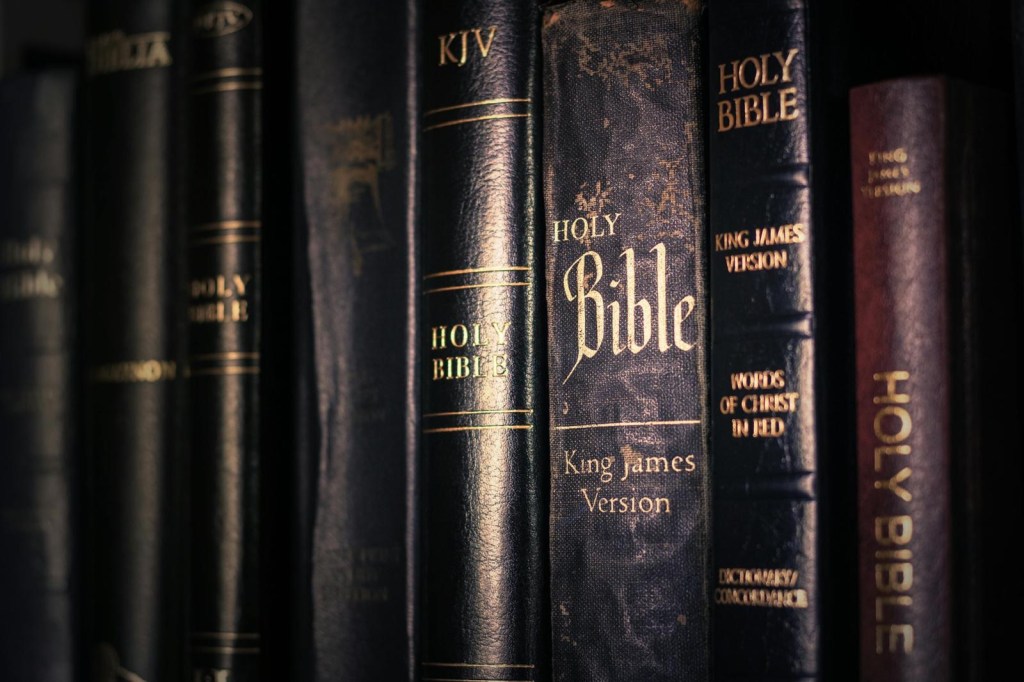
5 Ways to Be Dressed Ready for Service

The Bible often uses the imagery of clothing to describe the believer’s readiness to serve God. When Jesus told His disciples, “Be dressed ready for service and keep your lamps burning” (Luke 12:35), He was not talking about garments of fabric, but garments of the heart. To be “dressed” in the biblical sense means to be spiritually prepared, equipped, and vigilant—ready at all times to live for Christ and serve others.

1. The Call to Readiness

In the days of Jesus, servants who were “dressed for service” had their belts fastened and robes tucked in, prepared to work or travel at a moment’s notice. Likewise, believers are called to live with an attitude of expectancy, not distracted by worldly cares, but alert and watchful for the Lord’s return.

Readiness is not a passive waiting—it is active, faithful living. It means that at any given moment, our lives should reflect obedience, faith, and love.

2. The Armor of God (Ephesians 6:10–18)

The apostle Paul describes a spiritual uniform that equips the believer for service and battle against spiritual opposition:

Belt of Truth – Living with integrity and holding firmly to God’s truth.

Breastplate of Righteousness – Guarding our hearts by living in alignment with God’s commands.

Shoes of the Gospel of Peace – Ready to share the Good News wherever we go.

Shield of Faith – Trusting God in all circumstances, extinguishing doubts and lies.

Helmet of Salvation – Protecting our minds with the assurance of God’s saving work.

Sword of the Spirit – Applying God’s Word to discern truth and resist temptation.

Prayer – The lifeline that empowers and sustains all spiritual readiness.

3. Clothed in Christlike Character (Colossians 3:12–14)

Service to God is not just about defense against the enemy; it is also about reflecting Christ’s love to the world. Paul writes:

“Clothe yourselves with compassion, kindness, humility, gentleness, and patience… And over all these virtues put on love, which binds them all together in perfect unity.”

When we put on these virtues daily, we become living demonstrations of God’s kingdom—our service becomes both practical and spiritual.

4. Lamps Burning Bright

Jesus adds, “keep your lamps burning” (Luke 12:35), a picture of ongoing spiritual vitality. Just as a lamp requires oil to stay lit, our hearts require the continual filling of the Holy Spirit through prayer, worship, and God’s Word. A ready servant is one who is spiritually alive and shining brightly in a dark world.

5. Living the Prepared Life

To be dressed ready for service means:

Living with watchfulness for Christ’s return. Equipping yourself daily with God’s truth and righteousness. Walking in love, kindness, and humility. Staying spiritually alert through prayer and Scripture. Being available for God’s work at any time.

When our spiritual garments are in place, we are not only protected but also positioned to bless others and honor our Lord.

Conclusion

The Christian life is not a call to occasional acts of devotion but to a constant state of readiness. Whether in times of joy or hardship, the true servant of Christ is always dressed—spiritually armed, clothed in love, and fueled by the Spirit—ready to serve the Master until He comes.

“Blessed is that servant whom the master finds doing so when he comes” (Luke 12:43).

————————

** Photo by Tima Miroshnichenko at Pexels

Stop Blaming God for the Bad Things

When tragedy strikes or life takes a painful turn, it’s natural to look for someone to blame. For many, that blame is directed at God. “Why did He let this happen?” “Why didn’t He stop it?” “Why didn’t He answer my prayer?” These are real and raw questions that come from deep places of heartbreak. But one truth must be remembered: just because something happens doesn’t mean God caused it.

Free Will and Human Responsibility

From the very beginning, God gave humanity one of the greatest—and most dangerous—gifts: free will. We are not robots, but people with the ability to choose. And with that freedom comes the possibility of both great good and deep harm. Much of the world’s suffering isn’t authored by God—it is the result of human choices.

When someone chooses hatred, greed, violence, or selfishness, others are often caught in the fallout. God allows us to choose because real love, obedience, and faith can only exist where there is freedom. But with that gift comes great responsibility—and real consequences.

So Why Doesn’t God Intervene?

If God is good and powerful, why doesn’t He stop all evil and suffering? Why doesn’t He intervene in every tragedy?

Because to do so every time would mean overriding human free will. He would have to stop every harmful thought before it became action, every wrong word before it was spoken. We would no longer be free beings, but pre-programmed automatons. And real love cannot exist without real choice.

But there’s another, deeply hopeful reason God delays intervention: He is merciful and longsuffering. Scripture tells us, “The Lord is not slow in keeping His promise… He is patient with you, not wanting anyone to perish, but everyone to come to repentance” (2 Peter 3:9). God endures the evil and brokenness in the world not because He doesn’t care—but because He longs to give every soul a chance to turn to Him.

His delay is not absence; it’s grace.

When God Doesn’t Heal

Perhaps one of the most painful tests of faith is when we pray fervently for someone to be healed, and God chooses not to heal them—at least not on this side of eternity. It feels unfair. We wonder, “Why did He heal them and not my loved one?” “Did I not have enough faith?” “Did He not hear me?”

This is where the mystery of God’s sovereignty meets our limited understanding. Healing is one way God shows His power—but it’s not the only way. Sometimes, in His eternal wisdom, God allows a person to pass into eternity, even though it breaks our hearts.

We must remember that death is not the end for those who are in Christ. In God’s eyes, healing may come in the form of release from earthly suffering and entrance into eternal wholeness. To us, it looks like loss—but to God, it may be mercy. Isaiah 57:1 says, “The righteous perish, and no one takes it to heart; the devout are taken away, and no one understands that the righteous are taken away to be spared from evil.”

It also challenges the entitlement mentality that says, “Well, He did it for them, so He owes it to me.” But God is not a vending machine. He is not obligated to operate by our timelines or our logic. He is a loving Father who sees the whole picture—past, present, and future—and acts from a place of perfect wisdom.

Who Are We to Question the Potter?

In these moments of confusion, frustration, or even anger, it’s easy to question God’s decisions. But Scripture reminds us of our place—and God’s authority—in Romans 9:20–21:

“But who are you, a human being, to talk back to God? Shall what is formed say to the one who formed it, ‘Why did you make me like this?’ Does not the potter have the right to make out of the same lump of clay some pottery for special purposes and some for common use?”

We are the clay. He is the Potter. He sees the design, the purpose, the future we cannot see. There’s a holy humility in accepting that we won’t always understand, but we can always trust the One who shaped us.

And that’s the essence of faith—trusting even when we don’t see the full picture. God allows certain things not because He is cruel, but because He sees the full story when we only see a chapter. He knows what we do not. And in His sovereignty and wisdom, He allows things we don’t understand for purposes we may not yet see. We don’t have to understand—we are simply called to trust that He is good, He is just, and He is in control.

God Is Still at Work

Even when we don’t understand, Romans 8:28 assures us: “And we know that all things work together for good to those who love God, to those who are the called according to His purpose.” Not that all things are good, but that God can use even the worst circumstances to produce something redemptive.

He is the only One who can bring beauty from ashes, purpose from pain, and hope from heartache.

A Different Perspective

Blaming God may feel justified in the moment—but it often blinds us to what He’s doing behind the scenes. Instead of asking “Why didn’t God…?” we can begin to ask, “What might God want to do through this?” or “How can I trust Him more deeply in this season?”

Faith doesn’t mean we always get the answers we want. It means we trust the One who holds the answers—even when they’re hidden from us.

Conclusion

God is not the source of evil. He is not indifferent to our pain. He honors the free will He gave us—even when it leads to suffering. In His great patience, He gives space for repentance. In His wisdom, He sometimes says no when we ask for healing. And in His sovereignty, He allows what we don’t always understand—because He sees what we cannot.

Rather than blaming God for the brokenness in this world, let us turn to Him—the only One who can truly heal it. He is the Potter. We are the clay. And He can be trusted, even in the dark.

——————

** Photo by Jane Mir at Pexels

Nothing New Under the Sun: Jezebel and the New Age Movements

“See to it that no one takes you captive by philosophy and empty deceit, according to human tradition, according to the elemental spirits of the world, and not according to Christ.” ~ Colossians 2:8

Wicked women are presented as they truly are in the Bible—without any attempt to sanitize their lives or actions. One such infamous figure is Jezebel, the wife of King Ahab of Israel. She was not a believer in the one true God, and her reign over northern Israel marked the introduction and spread of a false religion—worship of Baal. This religion quickly took hold because Jezebel became a role model for many women of her time. Her religion was rooted in the worship of Baal, or Satan, who is behind all false religions.

To please the queen was politically savvy, so she filled Israel with 850 priests practicing her religion, leading the people further astray. Jezebel’s impact was profound and deeply harmful, as she turned the nation away from the true God.

The Parallels Between Baal Worship and the New Age Movement

“The god of this age has blinded the minds of unbelievers, so that they cannot see the light of the gospel that displays the glory of Christ, who is the image of God.” ~ 2 Corinthians 4:4

Do you want to know what Jezebel’s religion was like? We are witnessing the rise of a similar, swift, and powerful religion sweeping the planet today—the New Age / Golden Age Movement. This belief system, like the false worship of Baal, denies the existence of a personal God who loves His people. Instead, it promotes an impersonal, universal energy force. In the New Age Movement, God can be referred to in many ways— she or he, mother or father, god or goddess, the Earth, the sun, the stars, or even nature itself can be worshipped as God. New Age teachers claim to receive guidance from so-called “spirit guides,” “ascended masters,” “masters of wisdom” “angels,” and “higher beings,” all of whom make up the hierarchy of this movement. They state that some of their guides are angels.

However, Jezebel’s priests, when confronted by the prophet Elijah, were exposed for their reliance on demonic forces – fallen angels, whilst practicing their false religion. Elijah challenged all 850 of them to prove the power of their gods, demonstrating that their supposed deities were powerless before the one true God. When they failed, the false nature of their religion was revealed, along with their demon guides posing as angels.

The New Age Movement bears striking similarities to Jezebel’s worship of Baal. For example, the New Age movement claims that Jesus Christ was merely a reincarnated messenger—not the Son of God. They assert that Christ was sent by the demon hierarchy of angels to provide “spiritually advanced revelations” to their group. In fact, they teach that Jesus is just one of many “Christs,” alongside figures like Buddha, Mohammed, and Confucius. This system accepts anyone who rejects Jesus Christ as the Son of God—whether they are Shintoists, Satanists, Buddhists, secular humanists, witches, or anyone else who doesn’t acknowledge the truth or accept the Christ, and that He is a personal God. They teach that man is not sinful, nor evil, and that Jesus’s sacrifice on the Cross has no meaning, according to them it was meaningless.

Moreover, the New Age Movement denies the existence of sin, judgment, and the need for salvation. Instead, it teaches that humanity has evolved over thousands of years and that there is no need for a savior. This philosophy is the basis of all false religions; rooted in ancient lies, echoing the deceptions of Satan, who hides the reality of judgment, hell, and sin, and all of his followers do the same, because they have been blinded to the truth. It’s no surprise that Jezebel’s actions—her cheating, lying, and murder—were reflections of her allegiance to Satan, the father of lies. Her conscience was so seared with unbelief in the one true God that she had no fear of judgment, she never expected to meet a righteous and holy God one day, who will judge her for things done in the flesh, her thoughts, her deeds and her motives.

Modern Echoes: The Age of Aquarius

Today, the New Age Movement is spreading rapidly, with some even calling it the “Age of Aquarius.” Many people are drawn to its teachings, including secular humanists, witches, Satanists, and celebrities. One prominent TV and movie star has become a spokesperson for the movement, claiming to receive instructions from an ancient being, that tells her things and guides her. This celebrity, like Jezebel, serves as a role model for many, leading others into deception.

The New Age Movement teaches that being “born again” is simply a personal transformation or healing of the self. It says that you must “let go” and allow your “inner guide” or “higher self” to direct your life, without any belief or need for the Holy Spirit and Him indwelling you. They speak of something called “kundalini,” a Hindu term meaning “serpent power,” which has clear connections to Satan. This mimics spiritual experiences, but it is a counterfeit of true Christian transformational quality of the Holy Spirit.

Satan, as always, has counterfeited the things of Jesus Christ and Christianity. The New Age Movement, much like the false prophets in Jezebel’s time, speaks of a “Christ-like” figure who will come to establish a utopian Kingdom of peace on Earth, that he will reign over the new age, bringing about a one world religion and consolidating all nations into one government. This is eerily similar to the Antichrist, who will deceive many and promise a one-world government and a counterfeit peace—something the Bible warns will happen before the true return of Jesus Christ.

Distinguishing Truth from Deception

In a nutshell, here is what the New Age Movement teaches:

• God is impersonal; He is not loving, He can be a he or she, but not the sovereign, holy, and righteous God of the Bible.

• Jesus is not the Son of God, not the Christ and someone greater than Jesus will come, not realising there will be an anti-Christ connected to Satan, who will try to imitate the Christ, as we have been forewarned in scriptures.

• There is no need for being born again, as they reject the Holy Spirit and encourage people to follow their demon guides.

• And about the 2nd coming of Jesus Christ that the anti-Christ will rule in Earth and Heaven is the Kingdom of God during the Age of Aquarius and that it is not a real place, but merely an Earthly utopia.

• There is no sin, judgment, evil or hell.

As believers in Christ, we know these claims are false. We have the truth from the Bible, which tells us that God is our loving Father, He is not a she or a goddess, but the supreme being. Jesus is His only begotten Son, the express image of the invisible God, and salvation comes through Him alone. The Holy Spirit, sent by the Father and the Son, dwells within us, guiding and empowering us to live according to God’s will. Heaven is a real, physical place where God the Father and God the Son reign in glory, and hell is a real and horrible place for those who reject the truth of the gospel. Through the Holy Spirit, we are assured of our salvation and strengthened in our faith as we await eternal life with God. He tells us that angels are messengers of God and named in scripture and He tells us to be born again, by the spirit of God by receiving Jesus as our personal Saviour.

A Call to Stand Firm in the Truth

Throughout history, God has warned His people about false religions. From Jezebel’s priests to the builders of the Tower of Babel, we have seen it through the ages. These instances of idolatry and rebellion against God serve as lessons for us today. Even in Noah’s time, when wickedness was rampant, God had to destroy the world with a flood. This, too, is a forewarning for us today. Jesus Himself tells us in Matthew 24 that when we see the same kinds of lawlessness and rebellion happening again, it is a sign that His return is near.

In Matthew 24:29-30, Jesus speaks of the signs preceding His second coming: “Immediately after the distress of those days, the sun will be darkened, and the moon will not give its light; the stars will fall from the sky, and the heavenly bodies will be shaken. Then will appear the sign of the Son of Man in heaven.”

We know that in the end times, false prophets will rise up to deceive even the elect (Matthew 24:24). Deception has led to destruction throughout the ages, and it will culminate in the final days before Jesus’ return. This New Age Movement, like its predecessors, may fade into the background only to be replaced by another. Yet, there is the real possibility that this movement could lead to the rise of the Antichrist, who will deceive many with promises of peace and a one-world government. Scripture warns us that the Antichrist will set up his rule on Earth, even establishing himself in Jerusalem and claiming to be the Christ (2 Thessalonians 2:3-4). However, we who know the Bible recognize this for the lie that it is.

Jesus warned: “If anyone tells you, ‘There he is, out in the wilderness,’ do not go out; or, ‘Here he is, in the inner rooms,’ do not believe it” (Matthew 24:26). His true return will not be secret or localized. We are told in 1 Thessalonians 4:16-17 that He will descend from heaven with a loud command, with the voice of the archangel, and with the trumpet call of God. The dead in Christ will rise first, and those who are still alive will be caught up to meet Him in the air. This event, known as the rapture, will take place in an instant, in the twinkling of an eye (1 Corinthians 15:52).

Jesus will gather His elect and take them to be with Him for seven years, during which time the Great Tribulation will unfold on Earth. After this period, He will return with His saints to establish His Kingdom on Earth and reign for a thousand years (Revelation 20:4-6). Unlike the false peace promised by the New Age Movement, this will be the true and lasting reign of the Prince of Peace.

We are warned in Scripture that the Antichrist will bring about a false peace and deceive many. Jesus Himself cautioned us against following these lies. We are also reminded of the lessons of history—Jezebel and her false prophets led Israel into idolatry, and the builders of the Tower of Babel sought to defy God’s sovereignty. These stories serve as warnings for us today. Wide is the gate that leads to destruction, but narrow is the gate that leads to life (Matthew 7:13-14).

As believers, we look forward to the Lord’s return. By God’s grace, we will not be caught up in the ecumenical movement or New Age ideologies that attempt to unify all religions and philosophies into one deceptive system. This “Age of Aquarius” promises enlightenment and unity but leads people to follow the Antichrist instead of Christ. The Bible is clear: there can be no lasting peace on Earth until Jesus Himself returns to set up His Kingdom.

We must stand firm in the truth, remembering Jesus’ words and promises. Let us choose the narrow path that leads to life. Choose wisely—choose Christ!

Conclusion: Lessons from Jezebel and the Bible

God’s sovereignty remains unshaken; He knows the beginning from the end. The warnings drawn from Jezebel’s life and scripture provide us with timeless clarity. As Ecclesiastes 1:9 reminds us, “There is nothing new under the sun.” Satan’s methods of deception have not changed, and false religions like the New Age / Golden Age Movement are modern manifestations of these ancient lies. These deceptions, cloaked in promises of enlightenment, peace, and unity, echo the spiritual rebellion seen in Jezebel’s time, the Tower of Babel, and countless other moments in history.

Even those movements that claim to acknowledge Christ often compromise truth, embracing all religions in the name of an ecumenical ‘unity and peace.’ This push toward a one-world religion is yet another ploy by Satan, setting the stage for the rise of the Antichrist, who will seek to establish his rule over a one-world government. Scripture warns us of this, and as believers, we are called to be vigilant.

Our anchor is the Word of God. We must remain grounded, discerning, and uncompromising in our faith. The false promises of movements like the New Age and the allure of unity at the expense of truth must be rejected. Instead, we fix our eyes on Christ, awaiting His glorious return when He will establish His eternal Kingdom—a Kingdom of true peace and righteousness.

Let us hold fast to God’s promises, stand firm in His truth, and keep our hearts prepared for the day when the Prince of Peace will reign forever.

The free gift of salvation

————-

“Nothing New Under the Sun” is adapted from Eleanor Page’s talk on ‘Jezebel’ in the ‘Women in the Bible’ series, broadcasted on BBN Radio / Photo by RDNE Stock at Pexels.

Trusting God’s Timing and Faithfulness

In a world that often values productivity over presence, it’s easy to get caught up in the rush to achieve the next goal or check off the next task. The pressure to keep moving forward can blind us to the beauty and purpose of where we are right now. Yet, there is a sacred invitation in the present moment, a call to slow down, breathe, and trust that God is at work—even when we cannot yet see the full picture.

Finding Joy in the Journey

Life is not a race to the next milestone; it is a journey filled with moments meant to be cherished. Each baby step of progress is a gift, a reminder that growth takes time and patience. There is profound joy in pausing to appreciate the small victories and savoring the simple pleasures of life. Perhaps it’s noticing the intricate beauty of a flower, hearing the laughter of a loved one, or experiencing the quiet peace of prayer. These moments remind us that life is not about capturing every highlight for the world to see but about holding those memories close in our hearts.

The world may tell us to hurry, to strive, and to capture every moment for display, but God calls us to be still, to trust, and to rest in His presence. Psalm 46:10 reminds us, “Be still, and know that I am God.” It is in stillness and trust that we discover the richness of the present moment.

The Faithfulness of Preparation

When we reflect on the life of Jesus, we see a profound example of patience and preparation. Though He was the Son of God, He waited 30 years before stepping into public ministry. During those three decades, He was faithful in the little things—working as a carpenter, living in obedience to His earthly parents, and growing in wisdom and stature (Luke 2:52).

God used those quiet years to prepare Jesus for the extraordinary purpose that lay ahead. In the same way, God often uses the ordinary moments of our lives to shape us for His extraordinary plans. Every task, no matter how small, becomes an opportunity to grow in faith, character, and obedience.

We may not always understand why God asks us to wait or why progress seems slow, but we can trust that He is working all things together for our good (Romans 8:28). His timing is perfect, and His plans are far greater than anything we could imagine. As Ecclesiastes 3:11 says, “He has made everything beautiful in its time.”

Leaning into the Lord

As we journey through life, it is essential to lean into the Lord and allow Him to guide our steps. Proverbs 3:5-6 encourages us to “Trust in the Lord with all your heart and lean not on your own understanding; in all your ways submit to Him, and He will make your paths straight.” Trusting God means letting go of our need to control every outcome and resting in the assurance that He is faithful.

Leaning on God also means embracing the present with gratitude and trust. Instead of rushing through life, we can slow down and take time to seek His presence. In those quiet moments of prayer and reflection, He renews our strength and reminds us of His love.

Living Fully in the Present

To live fully in the moment requires a shift in perspective. It means releasing the need to constantly document or share every experience and instead being present to savor it fully. Not every beautiful flower needs to be photographed; sometimes, it’s enough to simply admire its beauty and let it become a fond memory. Not every milestone needs to be rushed toward; sometimes, it’s enough to trust that God’s timing is perfect.

When we focus too much on what’s next, we risk missing the blessings of today. But when we embrace the present with gratitude and trust, we discover the joy and peace that come from living in alignment with God’s will.

Faithful in the Little Things

As we navigate life, let us remember the example of Jesus. He was faithful in the little things, trusting that God was preparing Him for something greater. In the same way, we are called to be faithful in the small, everyday tasks of life. Whether it’s caring for a loved one, showing kindness to a stranger, or simply taking time to rest in God’s presence, these acts of faithfulness prepare us for the purposes God has for us.

God does not waste any part of our journey. Each moment—whether it feels significant or small—is part of His divine plan. As we trust Him and embrace the present, we can rest in the assurance that He is preparing us for such a time as this (Esther 4:14).

Conclusion

Life is a journey of trust, faithfulness, and presence. It is not about racing to the next task but about walking in step with the Lord, finding joy in the process, and being faithful in the little things. Just as Jesus waited 30 years for His ministry to begin, we too can trust that God’s timing is perfect. He is always at work, preparing us for the plans He has for us.

So, take a moment to pause, to breathe, and to savor the beauty of today. Trust that God is with you, guiding your steps and shaping your journey. Lean into Him, and let Him fill your heart with peace and joy. Life is not about capturing every moment but about living each one fully, knowing that God’s faithfulness never fails.

A Prayer for Living in the Moment and Trusting God’s Timing

Heavenly Father,

Thank You for the gift of today and for the many blessings You surround us with in every moment. Teach us, Lord, to slow down and savor the beauty of Your creation, to find joy in the simple things, and to embrace the journey You have set before us. Help us not to rush ahead or grow impatient, but to trust in Your perfect timing and faithfulness.

Father, we acknowledge that waiting can be hard, but we know that You are always working, even in the unseen. Prepare our hearts for the plans You have for us, and give us the strength to be faithful in the little things, just as Jesus was. Help us to lean into You when we feel uncertain, and remind us that Your love and guidance never fail.

Lord, give us eyes to see the beauty in the present moment, ears to hear Your voice, and hearts that are open to Your leading. Free us from the need to control or strive, and instead fill us with peace and trust in Your ways. Let us walk in step with You, knowing that each step is part of Your greater purpose for our lives.

Thank You, Father, for Your goodness and faithfulness. May we always live with gratitude for the present and hope for the future, resting in the knowledge that You hold all things in Your hands.

In Jesus’ name, we pray, Amen.

———————-

***Photo by Philippe Donn at Pexels

In God’s Will: When Obedience Costs Everything

What does it truly mean to walk in the will of the Lord? Often, following God means swimming against the current of human expectations, risking rejection, and sacrificing comfort. The Bible is replete with stories of individuals who remained faithful to God’s call, even when they were criticized, misunderstood, or seemingly abandoned. Their examples challenge us to ask: Are we seeking God’s approval or the world’s? Are we willing to serve where He places us, whether in the spotlight or in obscurity?

Living in God’s will isn’t about earthly popularity or personal ambition. It’s about surrender, obedience, and faithfulness—whether our path leads to acclaim or hardship.

1. Obedience Often Invites Opposition

From the earliest pages of Scripture, we see that walking in obedience to God frequently comes at a cost. The world’s values often clash with God’s standards, and His servants are called to choose between human approval and divine allegiance.

Noah: Noah was asked to build an ark in a time when rain, let alone a flood, seemed implausible. For decades, he endured mockery from a corrupt generation, yet he obeyed God without wavering (Genesis 6:9-22, Hebrews 11:7). Noah’s story reminds us that obedience may isolate us but positions us to receive God’s protection and favor.

Jeremiah: Known as the “weeping prophet,” Jeremiah was tasked with delivering messages of judgment to a rebellious people. He faced imprisonment, public scorn, and even death threats (Jeremiah 20:1-2, Jeremiah 26:8-9). Despite his suffering, Jeremiah remained faithful, demonstrating that obedience to God sometimes means bearing burdens no one else understands.

Jesus Christ: The perfect example of obedience, Jesus consistently chose the will of the Father over human approval. He healed the sick, forgave sinners, and preached the kingdom of God, yet He was despised and rejected (Isaiah 53:3, John 1:11). Even in the Garden of Gethsemane, He prayed, “Not my will, but yours be done” (Luke 22:42). His life teaches us that the cost of obedience is worth it because it fulfills God’s ultimate purpose.

2. God’s Ways Are Higher

Scripture reminds us that God’s plans often defy human logic and expectations: “For my thoughts are not your thoughts, neither are your ways my ways,” declares the Lord (Isaiah 55:8). Walking in the will of God requires trust in His sovereignty, even when His path seems counterintuitive or unpopular. Consider the Apostle Paul, who left a promising career as a Pharisee to follow Christ, facing beatings, imprisonment, and ultimately martyrdom (2 Corinthians 11:23-27). His motivation? To please God, not man (Galatians 1:10).

3. Eternal Rewards for Faithfulness

While obedience to God may bring earthly challenges, it also brings eternal rewards. Paul writes in 2 Timothy 4:7-8, “I have fought the good fight, I have finished the race, I have kept the faith. Now there is in store for me the crown of righteousness.” Those who remain faithful to God will be honored by Him, even if they are disregarded by the world.

Staying Faithful Where You Are

1. God Often Prepares Us in Obscurity

Many of God’s servants were shaped by years of quiet preparation before stepping into their ultimate calling.

Moses: Before leading Israel, Moses spent 40 years tending sheep in Midian (Exodus 3:1). This seemingly mundane task was God’s training ground, teaching him patience, humility, and reliance on divine guidance. When Moses later faced opposition from the Israelites in the wilderness, his years in obscurity had prepared him to lead with perseverance.

David: Before becoming king, David spent years as a shepherd and later as a fugitive, fleeing from Saul. These years of obscurity taught him to trust God in all circumstances, a lesson reflected in his psalms (Psalm 23, Psalm 27).

2. Faithfulness in Small Things

Jesus emphasized the importance of being faithful in the small, unseen tasks: “Whoever can be trusted with very little can also be trusted with much” (Luke 16:10). Whether serving as a shepherd like Moses or simply remaining steadfast in prayer, God sees and values our faithfulness.

3. Perseverance Through Rejection

Jesus Himself experienced rejection by His own people: “No prophet is accepted in his hometown” (Luke 4:24). Yet He continued His mission, modeling for us the importance of serving where God places us, regardless of recognition. Similarly, Paul encouraged believers: “Let us not grow weary in doing good, for at the proper time we will reap a harvest if we do not give up” (Galatians 6:9).

Key Takeaways for Us Today

1. God’s Sovereignty Over Popularity

Walking in God’s will requires surrendering our desire for approval and trusting His higher purposes. Whether we are called to stand boldly like Jeremiah or serve quietly like Moses, our focus should be on pleasing Him, not the crowd (Proverbs 29:25).

2. Purpose in Pain

Opposition and obscurity are not signs of failure but of refinement. As James 1:2-4 reminds us: “Consider it pure joy… whenever you face trials of many kinds, because you know that the testing of your faith produces perseverance.” God uses difficult seasons to deepen our trust and prepare us for greater assignments.

3. Faithfulness Defines Success

Success in God’s kingdom is not measured by numbers, recognition, or worldly accolades but by faithfulness. Jesus’ words in Matthew 25:21 echo this truth: “Well done, good and faithful servant!” Whether leading a nation, building an ark, or caring for sheep, the true measure of our lives is found in our obedience to God.

Conclusion

The most important question for any believer is not, “Am I successful?” or “Am I appreciated?” but “Am I where God wants me to be?” Whether standing firm against popular opinion or serving faithfully in an unseen place, the ultimate goal is to honor God and fulfill His purpose. His rewards are eternal, and His approval is worth far more than the fleeting favor of man. Let us remain steadfast, knowing that our labor in the Lord is never in vain (1 Corinthians 15:58).

A Prayer for Faithfulness and Obedience

Heavenly Father,

We come before You with hearts longing to do Your will. Teach us to walk in obedience to Your plans, even when the path is difficult or misunderstood by others. Strengthen us to stand firm in faith when the world opposes us, just as Noah, Jeremiah, and Your Son, Jesus, did.

Lord, help us to seek Your approval above all else. Free us from the need for human recognition, and remind us that Your favor is our greatest reward. When we feel unseen or unappreciated, reassure us of Your presence and Your eternal purposes for our lives.

Father, give us patience in seasons of waiting and courage in moments of opposition. Help us to be faithful in the small things, trusting that You are using them to prepare us for greater things. Teach us to trust Your timing and Your ways, even when they seem unclear.

May we never grow weary in doing good, and may we remain steadfast in our service to You. Let our lives bring glory to Your name, whether we are called to stand boldly in the spotlight or to serve quietly in the background.

Thank You, Lord, for the promise that our labor in You is never in vain. Help us to hear the words “Well done, good and faithful servant” at the end of our race. Until that day, keep our hearts focused on You, our strength rooted in Your Spirit, and our joy anchored in Your love.

In the mighty name of Jesus Christ, we pray.

Amen.

———————-

** Photo by Evelyn Chong at Pexels