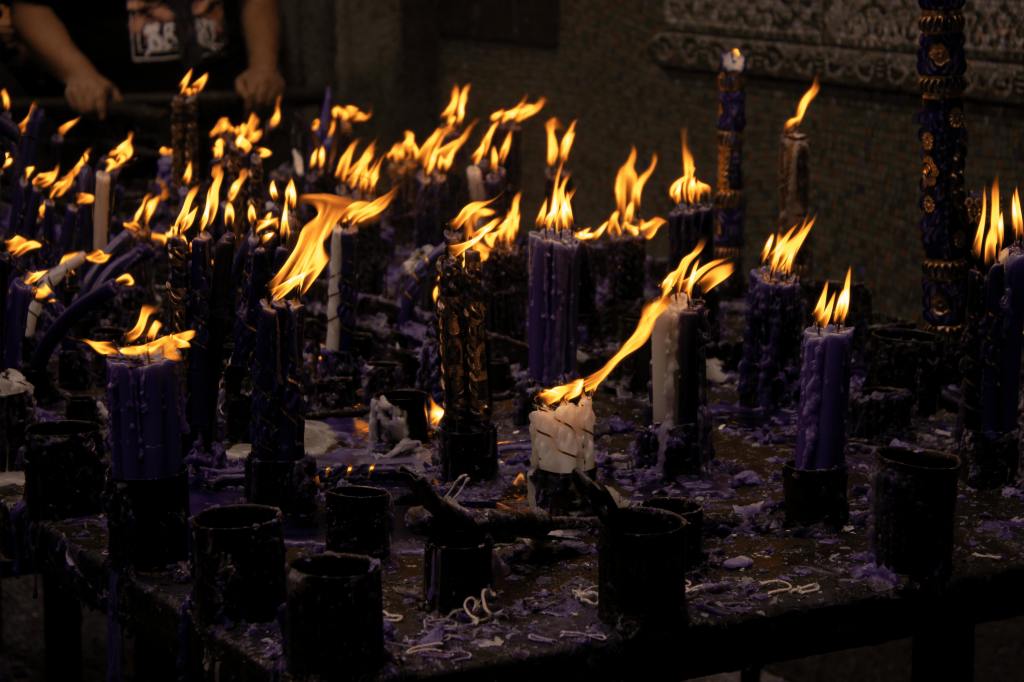
The Silent Holocaust: Humanity Sacrificed in the Modern Age

Humanity is witnessing a horror so pervasive, so normalized, that it has become almost invisible — a silent holocaust consuming the most innocent among us. Every year, tens of millions of unborn children are terminated worldwide, their lives extinguished before they even draw their first breath. This is not a debate about choice; this is a confrontation with evil.

According to global data from multiple public health organizations, an estimated around 73 million induced abortions occur worldwide each year, translating to nearly 200,000 terminations every single day, and about 29% of all pregnancies globally end in abortion. Nearly three out of every five unintended pregnancies end in abortion.

In the United Kingdom alone, abortion numbers reached a record high in 2023, with nearly 300,000 pregnancies ending in abortion, marking continued increases across age groups year after year.

These numbers represent real human lives — not statistics. And yet, the world turns a blind eye, debating semantics while ignoring the massacre.

The Mechanism of Dehumanization — Then and Now

History has shown us how atrocities begin. In the 20th century, the Nazi regime systematically dehumanized entire populations, labeling them as less than human, creating a language and a mindset that justified systematic murder. Once a group is stripped of humanity in the collective mind, killing them becomes a moral non‑issue.

We are seeing the same linguistic and moral framework at work today. By referring to unborn children as “fetuses” or reducing them to abstract concepts — rather than acknowledging them as living, developing human beings — society creates the very moral distance needed to justify mass killing. This dehumanization is not a trivial matter; it is a spiritual and ethical failure on a massive scale.

It did not begin with Hitler. This evil, wickedness goes way back — to the Moloch worship of ancient times, when children were sacrificed on altars to appease false gods. Humanity has repeatedly turned away from God, offering the innocent as sacrifices in misguided devotion. Today, the same pattern repeats, clothed in legality and culture instead of pagan ritual, but the darkness is identical.

What Is Life?

What is it when a child is moments away from birth? Is it still a “fetus,” or is it an innocent human being, fully formed, fully alive, and utterly defenseless? Scripture is unambiguous: life begins in the womb. Psalm 139 declares that God knits us together even before birth. Jeremiah 1:5 says, “Before I formed you in the womb, I knew you.” Humanity is made in the image of God. To destroy that life is nothing less than moral and spiritual depravity.

Humanity is made in the image of God. Every man, woman, and child bears His divine imprint, endowed with intrinsic worth and purpose. To destroy that life is nothing less than moral and spiritual depravity. This is not merely about biology; it is about the sanctity of God’s creation. When we take life, we strike at the image of God Himself.

This is not a local problem. This is a global spiritual crisis. Governments, institutions, and even religious bodies have abandoned their duty to protect life. Leaders compromise morality for political expediency. Traditions are erased. The sanctity of life is reduced to a calculation, a convenience, a momentary whim. Across continents, unborn children are sacrificed on the altar of secular ideology, as generations watch in silence.

The Culture of Selfishness and Sexual Immorality

The holocaust of the unborn is fueled not only by law and ideology but by the moral decay of society itself. Selfishness reigns. Sexual immorality is celebrated. Marriage is mocked. Casual sex is normalized. Pornography is rampant. Society teaches people to gratify every desire without restraint, to seek pleasure above responsibility, and to discard consequences as irrelevant.

Children are conceived in the chaos of irresponsibility and abandoned to death, while culture tells parents, “It’s your choice; it’s your body.” The truth is that society has chosen convenience, comfort, and self-interest over morality and life itself. Pleasure has become an idol, and the eternal consequences of sin are ignored. This casual-sex culture, divorced from covenantal responsibility, feeds directly into the silent holocaust, ensuring that each generation grows more desensitized to human suffering.

Broader Societal Collapse

This moral decay does not stop with abortion. It spreads like a virus, infecting every aspect of society:

  • Families are broken; divorce rates and absent fathers leave children without guidance or stability.
  • Substance abuse rises as people seek escape from guilt and despair.
  • Mental health crises skyrocket — anxiety, depression, and hopelessness become epidemic.
  • Societies increasingly reward self-interest, greed, and the pursuit of pleasure over justice and righteousness.

The silent holocaust is only one symptom of this spiritual and moral rot. It is part of a broader collapse, a culture losing its capacity to care, to protect, and to honor God’s image in humanity.

The Spiritual Warfare Dimension

This phenomenon is demonic in its reach. It is the modern echo of the ancient dark ages, when blood was shed in vain under the guise of devotion. Today, the rituals are legal, socially accepted, and financially sanctioned, but the spiritual reality is the same: humanity is being defiled, innocence is being slaughtered, and the conscience of the world has gone numb.

Abortion attacks God’s creation directly. Sexual immorality opens the door to exploitation, trafficking, and addiction. Pornography and lust enslave the mind, while society celebrates them as freedom. This is not simply lawlessness; this is spiritual warfare — a battle for the souls of individuals and the conscience of nations.

Historical Parallels & Warnings

History repeats itself when the innocent are forsaken:

  • Ancient Canaanites sacrificed children on altars to idols; societies condoned evil for perceived benefit.
  • The collapse of Rome followed moral decay and the abandonment of divine principles.
  • Nazi Germany systematically dehumanised certain groups, declaring some lives “unworthy of life,” and used language and ideology to justify the mass murder of millions, including many children.

Today, the echoes of those atrocities are alive in our modern culture. The dehumanization of the unborn, the casual sex culture, and the abandonment of covenant morality are warning signs that civilization itself is in peril.

The Call to Moral Awakening

The time for compromise is over. To ignore this atrocity is to participate in it. The world must awaken to the reality of this silent slaughter and recognize it for what it is: a spiritual plague, a moral abyss, and a crime against God’s creation. Humanity must rise, speak out, and act — not just to debate legality, but to defend life itself.

Even within the church, many so-called Christian leaders have failed to raise their voices for the voiceless. They compromise morality for convenience, politics, or popularity, abandoning the defenseless unborn to the darkness of this silent holocaust. When those entrusted with spiritual authority turn a blind eye, the weight of guilt and complicity grows heavier, and the culture drifts further into moral decay.

The silent holocaust is real. Its victims are defenseless. Its perpetrators are legion. And the moral decay that enables it is profound. History repeats itself when societies forsake the innocent, and today, the world stands on that precipice. The question is not if we will act — but when, and how fiercely, we will confront this evil.

A Call to Individual and Community Responsibility

Change begins with the heart. Families, churches, and communities must:

  • Protect life at every stage.
  • Teach and uphold sexual morality, honoring marriage and abstinence before marriage.
  • Support and mentor youth to resist cultural pressures and pursue holiness.
  • Pray and actively oppose the spiritual darkness influencing our culture.

Without personal and collective action, the silent holocaust will continue, and culture will continue to decay.

There Is Hope — True Change Begins in the Heart

Even in the midst of darkness, hope is possible. Change begins not with despair, but with hearts turning toward truth, mercy, and life. God offers a way to overcome the moral decay of our age—not through human strength alone, but through His Spirit, which renews hearts, restores conscience, and empowers communities to stand for what is right.

When individuals embrace life, holiness, and responsibility, their choices ripple outward, shaping families, neighborhoods, and society itself. True change springs from hearts willing to reject selfishness, honor the sanctity of life, and act courageously in the face of evil.

The message of salvation is central to this transformation. Through faith in Jesus Christ, people find forgiveness, wisdom, and eternal hope. He restores what is broken, strengthens what is weak, and lights the path for a culture lost in moral darkness. When hearts turn to Him, the patterns of sin and indifference can be broken, and a society that honors life and righteousness can begin to flourish.

The fight for the defenseless begins within each of us. When hearts are changed, culture follows. The silent holocaust can be confronted, and the world can once again bear witness to the value of every human life.

——————

***Photo by Ángel León Lara at Pexels

Mind Games the Devil Plays: 5 Lies You Must Defeat

Mind games the devil plays are not imaginary battles. In this post, we uncover how the enemy manipulates your thoughts and how you can shut those lies down with truth.

Have you ever experienced a day where nothing catastrophic actually happened, yet internally it felt like everything was collapsing? You felt anxious for no clear reason. Condemnation lingered. Confusion clouded your thinking. Temptation felt stronger than usual. Later, when you stepped back, you realized most of the battle did not happen around you. It happened within you. That is not random emotion or personality. That is spiritual warfare targeting the mind.

Jesus called Satan the father of lies. Paul instructed believers to take every thought captive. Scripture tells us we are transformed by renewing our mind. Therefore, the battlefield is often not external drama but internal dialogue. The enemy understands that if he can influence your thoughts, he can influence your direction, your decisions, and eventually your destiny. Let us expose five mind games he frequently uses and learn how to shut each one down with truth.

Game One: What If Anxiety

One of the most common mind games the devil plays is the “what if” scenario. It is fear projected into a future that does not exist. The whispers sound subtle at first. What if you fail? What if you lose everything? What if God does not come through this time? What if you fall back into the same mistake? Gradually, your imagination becomes a theater of worst case outcomes. Although nothing has happened, your emotions respond as if disaster is certain.

Jesus addressed this directly when He told His followers not to worry about tomorrow. He was not teaching irresponsibility. He was protecting peace. Anxiety is faith pointed in the wrong direction. It uses your God given imagination to rehearse defeat instead of trusting promise. That is why breaking this pattern requires intentional redirection. Replace “what if” with “even if.” Even if the storm comes, God will sustain me. Even if the door closes, He remains faithful. Even if I stumble, He will lift me again. When you bring your requests to God with thanksgiving, as Scripture teaches, gratitude interrupts fear and peace begins to guard your heart.

Game Two: Condemnation After You Fall

Another powerful mind game is condemnation. Many believers confuse conviction with condemnation, yet they function very differently. Conviction pulls you toward God for restoration. Condemnation pushes you away from Him in shame. Conviction says repent and return. Condemnation says you are a hypocrite and God is tired of you.

Because of this lie, many people stay stuck not because they sinned, but because they believed they cannot come back. However, Scripture clearly declares that there is now no condemnation for those who are in Christ Jesus. That statement is not emotional comfort. It is a legal truth established at the cross. The enemy wants distance between you and God because distance weakens your devotion and dulls your sensitivity. Therefore, the solution is immediate response. Confess quickly. Receive forgiveness confidently. Run toward God instead of hiding from Him. The cross covered your worst days as much as your best ones.

Game Three: Comparison and Insecurity

Comparison is another subtle but destructive mind game. The enemy constantly invites you to measure your life against someone else’s visible success. He highlights their growth, their platform, their gifting, and then magnifies your perceived lack. Before long, you feel behind and overlooked.

Comparison does more than steal joy. It slowly erodes calling. When you compete in someone else’s lane, you neglect your own assignment. Instead of stewarding the grace on your life, you resent the grace on theirs. Yet Scripture reminds us that we have gifts according to the grace given to us. Grace is not distributed equally, but it is distributed intentionally. Calling is not a competition, and God does not grade you based on someone else’s obedience.

Breaking this mind game requires gratitude and perspective. Thank God for what He is doing in others. Celebrate their victories sincerely. At the same time, thank Him for your season and your process. When gratitude grows, insecurity loses its grip.

Game Four: Delay Does Not Mean Denial

Few mind games test faith more than delay. The enemy whispers that if God were going to answer, He would have done it already. He suggests that silence equals rejection and waiting equals abandonment. Over time, delay can feel personal.

Yet Scripture repeatedly shows that delay often precedes breakthrough. Lazarus was raised after hope appeared gone. Jairus’ daughter was restored when the situation seemed final. The Red Sea parted when there was no visible escape. In each case, timing did not match human expectation, but God’s faithfulness never failed.

Delay is not denial. Often it is development. God builds endurance in hidden seasons. He forms character where applause is absent. Therefore, hold onto His promise more tightly than your preferred timeline. Faith does not require visible progress every day. It requires trust in the One who holds the outcome.

Game Five: Isolation and Mental Fog

The final mind game attacks clarity because clarity produces courage. When confusion, heaviness, and distraction fill your thoughts, decision making becomes difficult and faith feels distant. Then the enemy adds isolation. He suggests staying silent. He convinces you that nobody will understand.

Isolation amplifies lies because there is no external voice speaking truth. However, bringing struggle into the light weakens deception immediately. Speaking with a mature believer or trusted leader often restores perspective. Worship shifts atmosphere. Honest prayer realigns the heart. Even practical steps such as rest, proper nutrition, and stepping outside can restore mental clarity. Spiritual warfare does not exclude practical wisdom. Your body affects your mind, and healthy rhythms support spiritual strength.

How to Win the Mind War

To defeat mind games the devil plays, follow a clear pattern. First, name the lie specifically. Identify whether it is fear, condemnation, comparison, delay, or isolation. Second, replace that lie with Scripture and speak truth aloud. Third, refuse agreement. Thoughts may come, but you choose whether they stay. Fourth, refocus your attention through worship and gratitude. Finally, resist consistently. Scripture promises that when you resist the devil, he will flee.

Victory in the mind is not achieved by ignoring the battle but by confronting it with truth. Many struggles feel overwhelming because they are believed, not because they are true. When agreement shifts, power shifts.

You are not a victim of illusions. The battlefield may be the mind, but the victory was secured at the cross. Renew your thoughts daily. Guard your focus intentionally. Stand firmly in truth.

Editor’s Note

If you recognize some of these mind games in your own life, do not feel discouraged. Awareness is often the first step toward freedom. When the enemy’s strategies are exposed, they lose much of their influence. Identifying the patterns described above can help believers confront them with truth rather than silently struggling against them.

Spiritual battles in the mind are rarely won in a single moment. They are usually overcome through daily renewal, consistent prayer, and returning to truth when lies attempt to take root. Over time, what once felt overwhelming becomes easier to recognize and resist.

——————

** Copyright (C) 2026 Article By Vladimir Savchuk Ministries / Photo by Vinícius Vieira at Pexels

Preparing for Christ’s Return, the Anti-Christ and Potential Tribulation

As believers, the return of Christ is not only a promise but a profound call to be ready. Christ Himself told us how He will return. Scripture declares that He will come personally, visibly, and in power and glory. Jesus said, “For as the lightning comes from the east and flashes to the west, so also will the coming of the Son of Man be” (Matthew 24:27). He also said, “They will see the Son of Man coming on the clouds of heaven, with power and great glory” (Matthew 24:30).

The angels testified at His ascension, “This same Jesus, who has been taken from you into heaven, will come back in the same way you have seen him go into heaven” (Acts 1:11). Paul wrote that “the Lord Himself will descend from heaven with a shout, with the voice of the archangel and with the trumpet of God” (1 Thessalonians 4:16), and Revelation declares, “Look, He is coming with the clouds, and every eye will see Him” (Revelation 1:7).

While we may not know when Christ will return, Scripture offers us clear guidance on how we should live in anticipation. Our lives are fragile—like a vapor here today and gone tomorrow. This truth underscores the urgency for us to get right with God and live in accordance with His Word.

We must also understand that tribulation, as warned in Scripture, is inevitable. We should not be surprised by it; rather, we should act with the awareness that God commands us to prepare for it. Regardless of whether the Church experiences tribulation pre-, mid-, or post-Rapture, God’s Word assures us of His faithfulness. While we may not know the exact time of Christ Jesus’ return, He has given us clear signs to watch for, including the rise of the Antichrist, widespread deception, and other prophetic events described in Scripture. The Rapture refers to the event described in 1 Thessalonians 4:16–17, when believers are caught up to meet the Lord.

Faithfulness and Obedience to Christ

Our allegiance is to Jesus, the Christ, the One who gave His life for us. Our obedience is the expression of that faithfulness, born out of love and reverence for Him, not fear. Tribulation, suffering, or even the threat of death will not separate us from God. Revelation 2:10 reminds us: “Be faithful, even to the point of death, and I will give you life as your victor’s crown.” Scripture teaches us to “fear Him who can kill both body and soul in hell” (Matthew 10:28). In this world, we are called to work out our salvation with fear and trembling (Philippians 2:12), acknowledging that our lives are not our own, and the fear of the Lord is the beginning of wisdom (Proverbs 9:10).

Understanding Tribulation

As believers, we are not promised a life free from hardship. Scripture makes it clear that tribulation is to be expected. As Peter wrote, “Do not be surprised at the fiery ordeal that has come on you to test you, as though something strange were happening to you” (1 Peter 4:12). Rather than feeling shocked when we face trials, we are told to expect them as a part of the Christian journey. Additionally, Jesus warned us that “What does it profit a man to gain the whole world but forfeit his soul?” (Mark 8:36). Your earthly status, wealth, or possessions will not save you, your denomination will not save you. We must wake up to the reality that our status or material wealth means nothing in light of eternity, you cannot buy salvation for yourself or relatives—dead or alive. Only faith in Christ and His finished work on the Cross will secure our salvation.

Jesus’ Teachings on the Signs of His Return

Jesus Himself gave us signs to look for in the Scriptures to help us recognize the approach of His return. In Matthew 24, Mark 13, and Luke 21, He spoke about wars, rumors of wars, famines, earthquakes, and widespread deception—signs that would increase as the time drew near. He warned that many would come in His name, claiming to be Christ, and that false prophets and deceivers would abound, even performing great signs and wonders to lead many astray, as the enemy Satan comes dressed as an angel of light, in many forms (Matthew 24:24). This deception is one of the major tools the enemy will use to mislead people and distract them from the truth of the gospel, hence we should read God’s Word for ourselves to know exactly what it says—let God be true and every man a liar (Romans 3:4).

The Book of Revelation and Christ’s Return

The Book of Revelation further outlines the events that will unfold before Christ’s return. It describes the rise of the Antichrist, the great tribulation, the seal, trumpet, and bowl judgments, and the ultimate victory of Christ over evil. Though the language is symbolic and filled with mysteries, it also provides us with the certainty of Christ’s final triumph and the establishment of a new heaven and new earth (Revelation 21:1). Revelation serves as both a warning and an encouragement to believers: be faithful and remain steadfast in your faith, for in the end, Christ will reign victorious, and His followers will share in that victory.

Urgency: Our Lives Are Like a Vapor

Our time here on earth is brief. James 4:14 reminds us, “What is your life? You are a mist that appears for a little while and then vanishes.” The brevity of life demands that we prioritize what truly matters: our relationship with Christ, our obedience to His Word, and our readiness for His return. We should never act as if we have an abundance of time to get right with God, for tomorrow is not promised.

Practical Steps for Preparing for Christ’s Return and Tribulation

Live in Holiness and Obedience

Holiness involves being set apart for God’s purposes. Obedience is a natural outflow of our love for Christ. As His followers, we should live to reflect His character—His love, kindness, patience, forgiveness.

  • Repent Regularly: Acknowledge and confess sin.
  • Follow God’s Word: Make the Bible your daily guide.
  • Avoid Temptation: Take deliberate steps to avoid sin.

Develop an Intimate Relationship with Christ

Having an intimate relationship with Jesus is foundational to preparing for His return.

  • Pray Daily: Talk to God about everything in your life.
  • Read Scripture: Let God’s Word shape and guide your life.
  • Worship and Give Thanks: Keep your heart focused on Him.

Be Watchful and Alert

Christ’s return could happen at any time. Be spiritually awake and prepared for whatever lies ahead.

  • Avoid Complacency: Keep your focus on eternal matters, not earthly distractions.
  • Stay Informed: Be watchful Bible prophecy and signs of the end times.
  • Encourage Others: Remind fellow believers of the importance of staying strong in their faith.

Bear Fruit for God’s Kingdom

A life that reflects Christ’s love and service is one that bears fruit.

  • Share the Gospel: Tell others about the love and hope found in Christ.
  • Serve Others: Meet the practical needs of those around you.
  • Grow in the Fruits of the Spirit: Let your life reflect the qualities of love, joy, peace, patience, and kindness (Galatians 5:22-23).

Preparing for Tribulation: Pre, Mid, or Post-Rapture

Pre-Tribulation: Rapture Could Happen Any Time
We should live each day as if it is our last chance to share the love of Christ with others. Stay hopeful in the promise of God’s protection and deliverance. Keep your heart and mind ready to meet Jesus.

Mid-Tribulation: Persecution Before Deliverance
Prepare your heart for persecution, trusting that God will provide strength. Reflect on the courage of Daniel in the lion’s den or Shadrach, Meshach, and Abednego in the fiery furnace. Let their unwavering faith inspire you.

Post-Tribulation: Full Tribulation
Regardless of the severity of tribulation, remain hopeful and faithful. Keep close fellowship with fellow believers for mutual encouragement and support.

Practical Steps for All Scenarios

  • Build Your Faith: Trust in God’s promises, such as His promise to never leave you (Hebrews 13:5).
  • Strengthen Community: Join a church or small group for mutual encouragement.
  • Prepare Resources: As led by God, prepare practical essentials (food, water), but live without fear.

Conclusion

The return of Christ is a central reality of our faith. It compels us to live with urgency and purpose, reflecting His love, obedience, and readiness for His return. Jesus has already given us signs to watch for, including deception, wars, and natural disasters. As we study the Book of Revelation, we see the certainty of Christ’s victory over evil and His faithful return. Whether we face tribulation before, during, or after His return, we can trust in His promises. As Scripture affirms, “In all these things we are more than conquerors through Him who loved us” (Romans 8:37).

Prayer for Readiness and Faithfulness

Heavenly Father,
Thank You for Your love and the promise of Christ’s return. Help us to live each day ready, reflecting Your character in our lives. Strengthen our faith and prepare our hearts for whatever lies ahead. May we bear fruit for Your Kingdom and stay steadfast in the hope of eternal life with You. In Jesus’ name, Amen.

The Gospel: A Call to Salvation

As we reflect on Christ’s return and the urgency to prepare, let us also remember the foundational truth of the Gospel: that salvation comes only through Jesus Christ.

To be saved or ‘born again’, we must:

  • Acknowledge our sin: Scripture declares, “For all have sinned and fall short of the glory of God” (Romans 3:23). Recognizing our need for forgiveness is the first step toward salvation.
  • Believe in Jesus Christ as Lord and Savior: Jesus said, “I am the way and the truth and the life. No one comes to the Father except through me” (John 14:6). His death on the cross paid the penalty for our sins, and His resurrection assures us of eternal life (Romans 10:9).
  • Repent and turn to God: True repentance means turning away from sin and aligning our lives with God’s will. As Acts 3:19 urges, “Repent, then, and turn to God, so that your sins may be wiped out, that times of refreshing may come from the Lord.”
  • Be baptized and receive the Holy Spirit: Baptism is a public declaration of faith, symbolizing our death to sin and resurrection to new life in Christ (Romans 6:4). Jesus also promises, “You will receive power when the Holy Spirit comes on you” (Acts 1:8), equipping us to live righteously and fulfill His purpose.

Do not delay. The urgency of Christ’s return calls us to repentance and faith today. If you have not yet made this decision, now is the time to receive the grace of God and begin living a life fully devoted to Him. As Scripture reminds us, “Now is the time of God’s favor, now is the day of salvation” (2 Corinthians 6:2).

————————

What next? 

7 Things To Do After Getting Saved

7-things-to-do-after-getting-saved-copy-copy.pdf

**Photo by Bradikan at Pexels

God Is Not a Celestial Santa Claus or a Genie in a Bottle

Many, when they think of Almighty God, view Him as some kind of celestial Santa Claus or a genie in a bottle—someone who exists to grant wishes if approached the “right” way. And when life does not unfold according to their desires, when prayers are not answered on their terms or in their timing, disappointment quickly turns into resentment. They begin to accuse God of not loving them, withdraw from prayer and fellowship, and eventually declare, “Christianity didn’t work for me.”

The truth is, many never came to Christ for the right reasons. They did not come in repentance, seeking deliverance from sin and reconciliation with God. Instead, they were sold a counterfeit gospel—the ever-prevalent health and wealth message that tickles the ears and flatters the flesh. This false gospel promises comfort without surrender, blessing without obedience, and salvation without sanctification. It appeals to a worldly mindset that believes it can live as it pleases while still doing “business” with God, as if the Creator were on the same level as His creation.

When expectations go unmet, some respond by punishing God—by withholding worship, abandoning church, and returning to their former way of life. They blame God and His Church, citing offenses, disappointments, or the failures of people. “No one visited me when I was sick. No one helped me. There are wicked people in the church.” And while these experiences may be painful and even real, they must be understood rightly.

God’s people are not perfect. The Church is not a museum of saints; it is a hospital for sinners. Every believer is a work in progress, being sanctified day by day until Christ returns. Jesus alone is perfect. People—saved or unsaved—will let you down. That reality should never be used as a reason to take offense at God or to reject His Church. The failures of people are not a reflection of God’s holiness, but of the broken world in which we live.

The Bible makes it clear that not everyone who goes to church goes for the right reasons. Satan himself goes to church; Scripture tells us he comes as an angel of light, seeking to deceive, to kill, steal, and destroy. Some people hide behind religion while harboring unrepentant sin. Others resist the work of the Holy Spirit, resulting in no spiritual growth, no transformation, and no sanctification. When such individuals act wickedly, it brings reproach upon the Church—but it does not negate the truth of the gospel.

This is why believers must remain spiritually alert. We are called to forgive quickly, walk in humility, and use the discernment God has given us. We must continually seek His wisdom and guidance, especially in these evil, wicked, and degenerate times. The chaos we see in the world is not random—it points to one undeniable truth: Jesus is coming back soon.

We do not go to church to get; we go to church to give—our worship, our gratitude, our obedience, and our lives. Church is not a consumer service, and God is not a vendor. He is the Holy One, the Creator of heaven and earth, before whom every knee will bow and every tongue will confess. Fellowship is not about what benefits me first, but about loving God above all and loving others as ourselves. When the focus becomes, “What did I receive?” rather than, “How did I honor God?” the heart has already drifted from true faith.

The Christian life was never promised to be easy, comfortable, or free from suffering. Scripture is clear: we are called to deny ourselves, take up our cross, and follow Christ. Trials refine us; they do not disprove God’s love. Suffering does not mean abandonment—it often means discipline, growth, and deeper dependence on Him. The early church did not grow through comfort, wealth, and applause, but through persecution, sacrifice, and unwavering devotion to Christ.

Blaming God or the church for unmet expectations only reveals that the foundation was never repentance and surrender, but self-interest. True faith does not ask, “What can God do for me?” but rather, “Lord, what would You have me do?” A relationship with God is not transactional; it is transformational. He is not here to serve our desires—we are here to serve His will.

The gospel is not about self-fulfillment; it is about salvation. Jesus did not come to make us rich, popular, or comfortable—He came to save sinners, to reconcile us to God, and to give us new hearts. Grace is not a license to continue in sin, but the power to walk in holiness. Those who truly encounter Christ are changed—not because life becomes easier, but because their allegiance has shifted from self to Savior.

So let us examine ourselves honestly. Are we following Christ for who He is, or for what we think He can give us? Are we worshipping God, or using Him? True Christianity perseveres when prayers seem unanswered, when people disappoint us, when the church feels imperfect, and when obedience costs something. Faith that only survives prosperity was never faith at all.

God is not mocked. He is worthy of reverence, obedience, humility, and awe. And when we finally understand that He owes us nothing—yet has given us everything in Christ—we will stop sulking, stop bargaining, stop blaming, and stop walking away. Instead, we will stand firm, forgive freely, discern wisely, and worship Him in spirit and in truth as we await the glorious return of our Lord Jesus Christ.

In light of all this, let us pause and remember who God truly is.

So let us give Him the praise, thanks, and reverence due to who He truly is—the Almighty God: holy, glorious, and wondrous to behold; the Creator of the entire universe. He is the One who holds our very breath in His hands, the One who has numbered our days, the One who knitted us together in our mother’s womb and ordained a plan and purpose for our lives before we ever drew our first breath. Let us lay aside false expectations, pride, and self-centered faith, and begin again—here, in humility, repentance, gratitude, and wholehearted worship of the one true and living God.

——————

**Photo by Elena Bash at Pexels

Walking in Your God-Given Confidence: Overcoming Jealousy, Criticism, and Toxic People

How to recognize and navigate jealousy, manipulation, and criticism — without dimming your light or losing your peace.

When you start experiencing strange reactions at work—or anywhere—such as jealousy, unnecessary opposition, gossip, or being treated like a threat, it’s easy to assume something is wrong with you. In reality, it can be a sign of God’s hand on your life.

This is a familiar spiritual pattern—one seen in the lives of David, Joseph, and ultimately Jesus. People aren’t reacting to your mistakes; they’re responding to your light, your anointing, and the confidence you carry.

Confidence Attracts Criticism

When you walk in your purpose with faith and inner strength, your presence can expose the insecurities of others. Their reactions are rarely about you—they’re about what your light reveals in them.

Carrying God’s Holy Spirit gives confidence a deeper meaning. It’s no longer pride, but spiritual purpose. That kind of assurance can feel threatening to those still wrestling with darkness. You were never meant to dim your light to make others comfortable. When you carry the Light of God, it naturally pierces the darkness—and that disruption often stirs resistance.

True confidence isn’t loud or boastful. It’s steady, grounded, and rooted in knowing who you are, whose you are, and what you carry within. For some, that confidence is inspiring. For others, it exposes what they’ve tried to hide—and that’s when certain behaviors begin to surface.

Biblical Examples

David: Attacked for His Anointing, Not His Actions

David did nothing to Saul.

He honored him. He served him. He played music for him. He killed Goliath for Israel.

And still—Saul hated him. Why? Because Saul felt threatened by David’s favor, confidence, and God-given anointing.

“Saul was afraid of David because the LORD was with David.” — 1 Samuel 18:12

Your coworkers aren’t necessarily threatened by your words or actions. Your presence bothers them. Your confidence exposes their insecurity. Your light irritates their darkness. Just like David.

Joseph: Hated for His Dreams

Joseph’s brothers didn’t hate him because he did something wrong. They hated him because of what God placed in him:

His dreams His favor His calling His confidence His future greatness

Those things stirred jealousy and insecurity in others.

“They hated him even more because of his dream and his words.” — Genesis 37:8

Sometimes people react not to who you are right now, but to who you’re becoming. They can sense potential. They can feel elevation coming. Your destiny bothers their demons.

Jesus: Rejected for His Light

If the perfect Son of God was criticized, attacked, mocked, misunderstood, and plotted against, we can expect to experience the same.

Jesus didn’t dim His light to make others comfortable. He didn’t shrink to ease their insecurity. He walked fully in His calling—even when the religious leaders were irritated by His authority, confidence, and truth.

“The light shines in the darkness, and the darkness has not overcome it.” — John 1:5

Your confidence and spiritual glow are not arrogance—they are evidence of what you carry. And darkness always reacts to light.

The Truth About What You’re Experiencing

Your confidence threatens their insecurity. Your favor threatens their ego. Your light disturbs their shadows. Your potential makes them uneasy. Your spirit irritates whatever is unhealed or unclean in them.

It’s not personal—it’s spiritual. You’re not the problem. You’re the proof that God’s presence is with you.

The Spiritual Reality Behind What You’re Experiencing

This is where the situation shifts from psychological to spiritual.

Your light disturbs what is dark.

Your peace agitates hidden demons.

Your obedience exposes compromise.

Your refusal to conform becomes a reminder of God’s truth.

You are not being opposed because you are wrong — you are being opposed because you are aligned. Your life reflects truth others chose not to obey. When someone lives in partial obedience or outright rebellion, your faithfulness becomes conviction without words.

You don’t have to preach for this to happen. Your presence alone carries it.

Why Your Light Triggers Strong Reactions

Light does more than illuminate — it reveals.

And revelation is uncomfortable for those who have chosen darkness, denial, or compromise.

Your confidence confronts insecurity.

Your integrity exposes dishonesty.

Your obedience highlights rebellion.

Your growth reminds others of what they abandoned.

This is why the reaction often feels disproportionate. It isn’t about the moment — it’s about the mirror your life holds up.

Common Reactions When Light Disturbs Darkness

– Attempts to Undermine or “Humble” You

When demons are disturbed, resistance often shows up as subtle criticism, dismissiveness, gossip, or passive attempts to shrink you. This isn’t correction — it’s discomfort with authority and conviction.

– Mislabeling Conviction as Arrogance

There is a difference between arrogance and grounded confidence. But those unwilling to submit to God’s truth often call obedience pride. What they resent isn’t your tone — it’s your refusal to compromise.

– Emotional Withdrawal or Avoidance

Some people pull away because your obedience reminds them of truth they ignored. Your peace exposes their unrest; your consistency highlights their inconsistency.

– Passive-Aggressive Criticism or Judgment

When conviction becomes too uncomfortable, it often turns into criticism. What they refuse to confront internally, they project externally.

– Competition, Comparison, or Resentment

Your favor, clarity, or progress may provoke rivalry or envy. Not because you invited it — but because your light challenges their comfort with stagnation.

It’s Not Personal — It’s Spiritual

This isn’t about personality clashes, communication styles, or misunderstandings.

It’s about:

Light versus darkness Obedience versus rebellion Truth versus compromise

Your life becomes a living witness. And witnesses convict — even in silence.

You are not the problem.

You are the proof that God’s presence is real, active, and uncompromised.

Why You Must Keep Shining

Your light is not vanity — it is testimony.

Your confidence is not ego — it is identity.

Confidence rooted in God reflects the Holy Spirit, not self-exaltation. Light always exposes darkness, and demons never remain comfortable where truth stands firm.

The discomfort your obedience causes is not your burden to manage. You are not called to dim what God ignited to preserve false peace.

What Uncompromising Confidence Looks Like

It looks like humility without insecurity.

Peace without apology.

Conviction without hostility.

Obedience without negotiation.

You continue walking in your calling even when misunderstood.

You respond with calm authority rather than defensiveness.

You lift others without shrinking yourself.

You reflect God’s truth without seeking approval.

When Your Light Exposes Darkness in Others

People with controlling or narcissistic tendencies often react most strongly to those who carry clarity, peace, confidence, and spiritual authority. These qualities expose insecurity, false identity, and resistance to God’s truth.

This is why the opposition can feel intense.

Demons recognize authority — even when people deny it.

Remember: those most disturbed by your light are often those most convicted by it.

Narcissistic Behavior in the Workplace: Why Your Confidence Triggers It

Narcissistic personalities thrive on control, admiration, dominance, superiority, and keeping others “small.” Their sense of stability depends on feeling above others.

When someone enters a space with confidence, competence, emotional stability, peace, spiritual grounding, and a strong identity, it threatens that fragile structure. Your presence challenges their need for control—and that’s when problems begin.

How Narcissistic Insecurity Shows Up

When threatened, narcissistic or deeply insecure individuals often respond with predictable behaviors: subtle put-downs, gossip, competition, attempts to undermine you, anger when you don’t fold, silent treatment, passive aggression, triangulation (turning others against you), and ultimately reframing you as “the problem.”

This is textbook narcissistic insecurity. Narcissists can sense strength—and they resent it.

The Spiritual Side: Why Light Triggers Them

As stated before, your light irritates their demons.

Narcissistic traits flourish in insecurity, pride, ego, manipulation, fear, and the need for control. God-given light threatens that darkness.

People with narcissistic tendencies are deeply uncomfortable around truth, confidence, emotional maturity, spiritual discernment, kindness, and genuine peace—because those qualities expose what they work hard to hide.

This is why narcissists are triggered by people who walk in identity and favor.

When Your Confidence Increases, Their Mask Slips

Narcissists cannot tolerate someone who is not intimidated, does not seek their approval, does not fold under pressure, and remains calm, grounded, and joyful.

The more confident and steady you become, the more their behavior escalates—because your presence reveals everything they try to conceal.

Biblical Pattern + Psychology: The Same Story

David triggered Saul’s jealousy.

Joseph triggered his brothers’ envy and inferiority.

Jesus triggered the Pharisees’ pride and insecurity.

In every case, the chosen one did nothing wrong. The opposition flowed from insecurity, and the response became manipulative, controlling, or abusive. Yet the chosen one rose anyway.

This pattern appears both in Scripture and in modern psychology.

What You’re Experiencing: The “Narcissistic Infection Effect”

One toxic person can shift an entire atmosphere.

They begin by gossiping subtly—not with direct accusations, but with “concerns,” jokes, or observations. These seeds are absorbed without people realizing they’re being influenced.

They use triangulation, saying things like “Everyone’s noticed…” or “People have been saying…” to turn others against you. They play the victim to gain sympathy, act like the “concerned friend” to mask jealousy, and slowly isolate you by filtering how others see you.

Before long, people grow distant or judgmental—without you doing a single thing wrong.

Why They Chose You as the Target

Narcissistic or deeply insecure people target those who are confident, skilled, liked, spiritually grounded, independent thinkers, not easily manipulated, and not intimidated.

Your presence exposes their insecurity. Their unspoken goal becomes: If I can’t shine, I’ll dim their light.

But here’s the truth: you can only dim someone’s light if they allow it. You haven’t—and that’s why the behavior escalates.

How They Pull Others In

Those around them—especially weaker or more insecure individuals—often become easily influenced. They don’t want to be the next target, so they go along. They’re afraid to speak up, emotionally manipulated into thinking they’re being loyal, and drawn into drama under the belief that you are the problem.

This creates a “team-versus-you” dynamic that is both psychological and spiritual.

Scripture shows this clearly: one jealous brother infected the others against Joseph. Saul turned Israel against David through fear and lies. The Pharisees manipulated crowds who once loved Jesus.

One insecure person can poison many—until truth surfaces.

The Good News: The Infection Never Lasts

Toxic influence always burns out. Manipulation cannot stand forever. Truth eventually exposes the manipulator, and the one targeted is elevated.

Joseph became a ruler.

David became king.

Jesus rose in glory.

The pattern never changes.

When One Narcissistic Person Infects a Workplace

Psychology recognizes this behavior as triangulation, projection, smear campaigns, group manipulation, and the use of “flying monkeys.”

A narcissist cannot tolerate someone they can’t control, intimidate, or overshadow. So they isolate you indirectly—planting doubt, spreading concern-based gossip, recruiting others through fear, playing the victim, and reframing you as the issue.

Soon, people who once treated you warmly act differently—not because of who you are, but because of what they’ve been fed.

Psychological Reality Meets Spiritual Truth

Narcissists are drawn to people who are confident, don’t seek approval, can’t be controlled, peaceful, purposeful, and spiritually grounded.

Your confidence threatens their façade.

Your peace threatens their chaos.

Your purpose threatens their stagnation.

In other words, your light irritates everything in them that is dark, unhealed, or insecure. This is both psychological truth and spiritual warfare.

The Pattern Repeats—But So Does the Outcome

David was smeared.

Joseph was betrayed.

Jesus was falsely accused.

One insecure person can turn many cold—until truth is revealed.

And when it is, the chosen one rises.

Final Word: Keep Shining

What you’re experiencing is not personal—it is spiritual and psychological.

Confidence exposes insecurity.

Light exposes darkness.

Purpose exposes jealousy.

Favor exposes pride.

Narcissists react to what threatens them, not to who you truly are.

So keep shining. Keep walking in your purpose. Keep carrying the Holy Spirit boldly. Never dim your God-given light to make someone else comfortable in darkness.

Your rise is coming. Nothing—and no one—can stop what God has ordained.

———————

** By Ricardo Gomez Angel at Unsplash