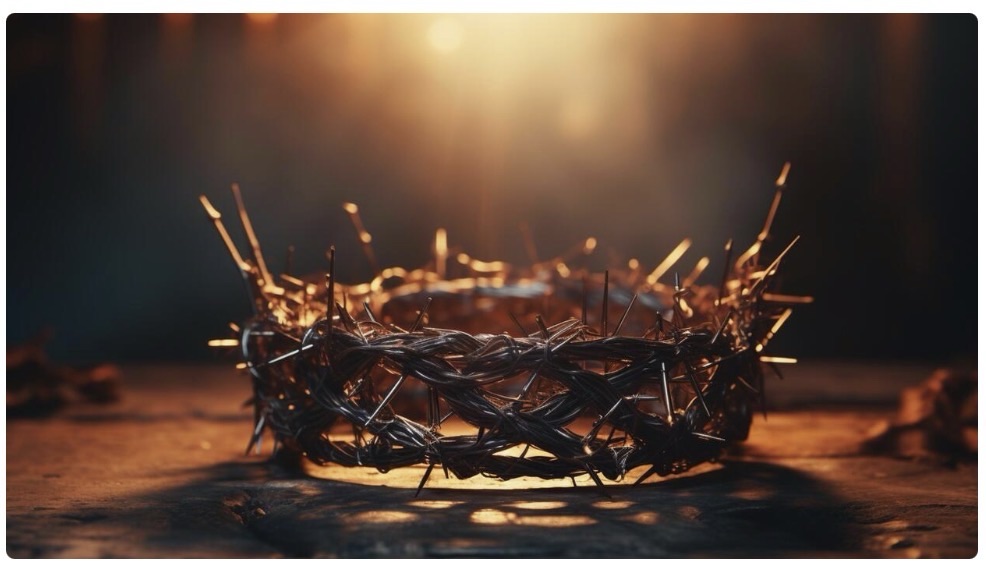
Unshakeable Faith is Essential in a Wavering World

Standing on the solid rock of faith means holding firmly to God’s Word while also being open to learning and growing in our understanding of it. Today, we are commonly told to keep an open mind about our beliefs and how we interpret the Word of God. Many people are encouraged to avoid being dogmatic, leading some to cherry-pick Scriptures or change their meanings altogether. This practice often involves using the Bible only when its teachings align with personal preferences or the expectations of the audience. Such a liberal view distorts the integrity of God’s Word—if you don’t like it, change it! What use is the Word of God if it can be altered? How can we have faith in truth if truth is seen as variable?

The Word of God is meant to assure us of both God’s nature and our future in Him. If we maintain an open mind to the point of compromising its teachings, we risk dismissing Christ’s promises and missing out on the fullness of what He guarantees. True Christians do not keep an open mind when it comes to God’s Word; you either believe it or you don’t. You cannot sit on the fence. The journey of faith requires a foundation rooted in the unchanging truth of God’s Word.

How many of you would board a plane knowing that the pilot was going to keep an open mind about the destination? Well just as a pilot must navigate their course with precision, they cannot afford to be liberal or selective about the path they choose to reach their destination. Each decision made in the cockpit matters greatly; even small adjustments can have significant consequences for the journey, and so it is with God’s Word. We are invited to align our lives with God’s truth, but this does not mean altering His Word to fit our preferences. His truth remains constant, and our understanding should deepen without compromising Scripture’s principles. Faith demands humility; there is always more to discover in the Bible.

As Paul reminds us in 2 Timothy 1:2, we are called to be faithful to the truth that has been entrusted to us. Our belief in Christ Jesus is our sure foundation—He is the rock upon which we stand and the anchor of hope for our blood-bought souls. Psalm 18:2 describes Him as the everlasting rock for those who fear and esteem Him, a steadfast refuge in times of trouble. There’s nothing wishy-washy about Jesus or His Word. He is the Word made flesh who dwelt among us and our soon-coming King, to whom every knee will bow and confess He is Lord.

Times may change, and people’s views may shift, but God remains the same yesterday, today, and tomorrow. His promises provide a firm foundation amidst a world of uncertainty.

Being open does not mean abandoning core beliefs. Instead, it helps us build a stronger foundation based on God’s eternal Word while remaining teachable. The Bible encourages us to think deeply about Scripture and to stay receptive to what God may reveal each day. This isn’t about changing God’s Word; it’s about allowing it to transform us. Our foundation is solid because it rests on God’s promises and truth.

As James 1:6-8 warns, we should not be double-minded in our faith, for such uncertainty leads to instability. We are called to take every thought captive to obey Christ, as stated in 2 Corinthians 10:5. Faith is not about rigidity; it’s about standing confidently on God’s promises, knowing His Word gives us a firm foundation. While we can be sure of what we believe, we should also allow God to enrich that understanding over time.

Let this balance between a solid foundation and an open heart inspire you today. Stand firm on the rock of God’s Word, knowing that you are both grounded and growing—rooted in unchanging truth yet open to the richness of God’s wisdom and grace as He reveals it, because God Himself backs it up.

———————

**Excerpt based on Reinhard Bonnke’s book, “Faith: The Link with God’s Power.” / Photo by Pixabay at Pexels

10 Ways God Provides Protection in Ways We May Not Recognise

God’s Unseen Protection

As Christians, we journey through life not just as God’s creation but as His redeemed children. Yet, even as His own, we may feel vulnerable to both visible and invisible challenges. However, whether we realise it or not, our Heavenly Father’s hand is always at work—shielding, guiding, and providing for us in countless ways. His protection may not always be obvious, but it is intricately woven into the fabric of our daily lives.

As those who have been born again into His family, we walk under a divine covering that the world does not have. Here are some powerful ways in which the Lord protects us, even when we fail to recognise it:

1. Divine Delays

There are times when life doesn’t go according to our plans. We miss a train, encounter unexpected delays, or find ourselves rerouted in ways that feel frustrating. These disruptions can actually be God’s way of protecting us. By allowing a delay, He might be keeping us from danger or setting us up to encounter someone or something He intends for us to experience. While we may see delays as setbacks, they can be God’s unseen hand of protection.

2. Unseen Angels and Spiritual Protection

The Bible reminds us that angels are often at work on our behalf, defending us in ways that we cannot see. Hebrews 1:14 refers to angels as “ministering spirits sent to serve those who will inherit salvation.” Whether it’s protection from physical harm or spiritual safeguarding, God sends His angels to guard and guide us. Though we may not see them, these divine beings are continually surrounding us, keeping us safe from dangers we may never be aware of.

3. Inner Promptings or “Gut Feelings”

Have you ever had an unexplained feeling that you should take a different route, speak to a particular person, or avoid a certain place? These inner promptings, often felt as “gut feelings,” can be the Holy Spirit’s gentle way of guiding us. Through these subtle nudges, God may be steering us toward opportunities or away from harm. Recognizing and following these promptings can lead us along paths of safety and blessing.

4. Emotional Resilience in Hard Times

In seasons of suffering or difficulty, we may feel an inner strength or peace that surpasses understanding. This resilience is often a gift from God, shielding our hearts and minds when life becomes overwhelming. When we encounter hard times, God’s protective love can fortify us, giving us the endurance and hope to persevere. This strength may not erase our struggles, but it equips us to bear them.

5. Unexpected Provision

God’s protection is also evident in how He provides for our needs, often just in time and in ways we don’t anticipate. Whether it’s a timely financial gift, a helping hand from a friend, or an unexpected opportunity, these blessings are not random. They are expressions of God’s faithfulness, shielding us from scarcity and reminding us that He is our provider.

6. Protection Through Loving Relationships

The Lord often places people in our lives who act as shields and support systems. Family, friends, mentors, and even acquaintances can serve as instruments of God’s protection. These people encourage us, guide us, or offer help during times of need. Their presence may prevent us from making unwise decisions, offering wisdom and love that protects us from harm.

7. Spiritual Growth Through Trials

While difficult times may seem anything but protective, God often allows trials to refine us. These challenges deepen our faith, strengthen our character, and increase our dependence on Him. Though it may not feel like protection at the time, enduring these trials equips us to handle future challenges with a stronger, more resilient spirit, ultimately protecting us in ways we can only see in hindsight.

8. Redirection and Closed Doors

Sometimes, when our hopes or plans don’t work out, it’s easy to feel frustrated or discouraged. But when certain doors close, it may be God’s way of redirecting us to paths that align more closely with His purpose. What we see as disappointment, God sees as divine redirection—a way of protecting us from choices that don’t serve His greater plan for our lives.

9. Scripture and Wisdom as a Guide

The Bible is a powerful tool for our protection. Through His Word, God provides guidance, discernment, and the wisdom to make choices that lead to peace, wholeness, and well-being. When we root ourselves in Scripture, we are less vulnerable to temptation, poor choices, and harm. God’s Word acts as a lamp to our feet, lighting our path and offering a shield of wisdom.

10. Forgiveness and Mercy

One of the greatest ways God protects us is through forgiveness and grace. Rather than allowing us to be consumed by the consequences of our mistakes, He provides mercy that renews us and offers us a fresh start, when we confess our sins to Him and turn from them. Through His forgiveness, God shields us from guilt and harm, encouraging our spiritual growth rather than allowing us to remain trapped in regret.

Conclusion: Trusting God’s Invisible Hand

God’s protection surrounds us daily, even when it goes unrecognized. By reflecting on these subtle yet profound ways He shields and guides us, we are reminded of His faithful love. Trusting in His invisible hand, we can walk forward with confidence, knowing that He is always at work—seen and unseen—guarding and protecting us.

Prayer of Gratitude

Dear Heavenly Father,

Thank You for Your constant love and protection over my life. Even when I cannot see or understand the ways You shield me, I know that Your hand is always guiding and guarding me. Thank You for the unseen angels You send, for the gentle promptings of Your Spirit, and for every delay and closed door that steers me away from harm.

Lord, I am grateful for the strength and peace You give me during difficult times, and for the people You place in my life who offer support and encouragement. Thank You for Your provision, meeting my needs in ways I could never expect. I’m humbled by Your forgiveness and mercy, which shield me from guilt and give me hope each day.

Help me to trust in Your invisible hand, knowing that You are always working for my good. May I walk with faith, finding comfort in Your love and guidance.

In Jesus’ name, I pray,

Amen.

————————

*** Photo By Rahul Pandit

Trusting God’s Plan for You

In life, some may walk, and others may run, but remember—the same Creator gave both the tortoise and the horse time to reach Noah’s ark. It’s not about the speed or pace of your journey but rather the perseverance to stay the course, trusting in God’s timing. Life can be rough and full of challenges, but if you rely on His guidance, you will reach your destination.

When Jesus encountered Peter, he was an ordinary fisherman—not a religious scholar, a leader, or a figure of faith. Peter was impulsive, hot-tempered, and unrefined, known for using rough language and even denying Jesus at a crucial moment. Yet, Jesus still called Peter, saying, “Follow Me, and I will make you fishers of men” (Matthew 4:19). Jesus didn’t focus on Peter’s weaknesses; He saw beyond them to Peter’s potential to become a history-maker. God doesn’t see us through the lens of our flaws or failures but with eyes of love and purpose, calling each of us to leave behind our past and step into His divine plan.

Consider Joseph’s journey in the Bible. His father, Jacob, saw him as a beloved son, but his brothers only saw a dreamer and plotted against him. To travelers, Joseph was merely a slave; to Potiphar, a loyal servant; and to Potiphar’s wife, a man she could try to seduce and manipulate. Even in prison, Joseph was labeled a prisoner. But through God’s eyes, Joseph was something far more: he was a leader, a future Prime Minister of Egypt in the making. His story reminds us that, while others’ judgments can feel limiting, God’s vision surpasses them all. He sees the purpose, promise, and potential within each of us. Don’t let others’ labels define you—God sees a masterpiece being shaped within you.

Throughout the Bible, God calls people from humble, flawed, or broken circumstances and transforms them for His purpose. David was a shepherd boy, unseen and overlooked, yet chosen by God to be king. Esther, an orphan, was elevated to queen and used her influence to save her people. Even those you might overlook today, like a gardener or a maid, may be destined for greatness, seen by God with unique purpose. God’s grace isn’t limited by background, social standing, or appearances; He sees beyond our pasts to the hearts and potential within us.

God’s transformative power touches lives from all backgrounds and walks of life. Abraham was elderly, yet he became the father of nations. David was young, yet anointed as king. Esther was a woman in a male-dominated society, yet she rose to royalty. Paul was once a violent persecutor of Christians, yet he became a pillar of the church. Moses stuttered and doubted himself, yet God chose him to lead His people to freedom. Zacchaeus was short and despised as a tax collector, yet Jesus chose to visit his home. Mary Magdalene was once a prostitute, known for a sinful life, yet she became a devoted follower of Jesus and a symbol of redemption. These lives show that God’s power can redeem anyone, turning brokenness into testimony and struggles into stories of faith.

Our God is a God of transformation. He has never made a promise He couldn’t keep. He has never encountered a person He couldn’t help, a prayer He wouldn’t answer, or a sinner He wouldn’t forgive. This is the God we serve—unchanging, ever-present, and all-powerful. No matter what stage of life you find yourself in, rest in the knowledge that God sees the best in you. His love is without limits, His grace is sufficient, and His plans for you are always for good. As you walk through life, remember: it doesn’t matter how people see you; it only matters how God sees you.

Prayer

“Father, thank You that You look beyond my flaws and see a masterpiece in the making. I trust that You’re working in my life, transforming weaknesses into strengths, brokenness into purpose, and my journey into testimony. Help me to see myself as You see me, full of potential and purpose. I am grateful that Your grace is sufficient for every step of my journey. In Jesus’ Name, Amen.”

Take heart, and trust in His plan. Share His love with others, lift each other up, and be reminded every day that God’s grace covers all. Embrace the journey, lean into His grace, and know you are loved, chosen, and called. Be encouraged—God’s grace covers all.

————

** Photo by Pixabay at Pexels

The Story of The Birdcage

“For our struggle is not against flesh and blood [contending only with physical opponents], but against the rulers, against the powers, against the world forces of this [present] darkness, against the spiritual forces of wickedness in the heavenly (supernatural) places.” ~ Ephesians 6:12

In the 1800s, an old Baptist pastor was preparing his Sunday sermon on a Saturday afternoon. After several hours of study, he grew tired and went for a walk to stretch his legs. While wandering through town, he saw a young boy carrying a birdcage in one hand and a stick in the other. Inside the cage were a dozen little field birds. The boy was jabbing the birds through the bars with the stick. The birds shrieked, feathers flew, and the boy laughed.

The pastor approached the boy and asked, “Son, why are you tormenting those birds?”

The boy replied, “Sir, I love to hear them shriek. I love to see their feathers fly. It is so much fun.”

“What will you do when you are finished having your fun?” the pastor asked.

The boy smiled broadly. “Oh sir, that’s the best part. I will bring them home, take them out of the cage one by one, pluck their feathers, and feed them to my cat.”

The pastor’s heart was broken. “Son, let me have those birds,” he said.

“No, these are my birds. I caught them myself. You can get your own birds. You can catch some in the field.”

“But I want those birds.”

“Why? They don’t even sing. They aren’t canaries, you know. They are just ordinary field birds.”

“Please, son. I’ll buy them from you. How much do you want?”

The pastor took out his wallet and opened it up. The boy saw an opportunity. “How much money do you have, sir?”

The pastor counted two hundred dollars, which was a significant amount of money in those days. “What a coincidence,” the boy said. “They cost exactly two hundred dollars, cage included.”

Knowing he was being taken advantage of, the pastor handed over all his money. The next day, he recounted this story to his congregation. He said, “I took that cage out into the field, opened the door, and backed away. One by one, the birds hopped to the open door. One by one, they spread their wings and began to fly. As they flew to freedom, they sang the same song: ‘Redeemed, Redeemed, Redeemed.’”

The Message of Redemption

You might wonder, what does this story have to do with us? The tale of the birdcage mirrors our relationship with God. Just as the birds were tormented by the boy, we too can feel trapped, harassed, and tormented by the enemy—Satan, who delights in our suffering and captivity to sin, addiction, and depression. The enemy Satan uses people who are willing to do his bidding. The Lord said he was a liar and murderer from the beginning, who comes to kill, steal, and destroy everything good in people’s lives. People are being tormented by the enemy and are hurting by present methods used to oppress the people. Satan torments with feelings of hopelessness, worthlessness, fear, depression, and suicidal thoughts.

The old Baptist pastor symbolizes God, who intervenes to set us free. Just as the pastor bought the birds at a great cost, God paid the ultimate price for our freedom through Jesus Christ. Jesus came to set the captives free and to break the chains that bind us, whether they are chains of sin, addiction, or despair.

When the pastor let the birds go, they flew away one by one, just like how God sets us free from being trapped by the things of this world and sin. The birds’ joyful song of “Redeemed, Redeemed, Redeemed” illustrates the happiness and freedom we feel when we accept God’s rescue—His redemption through Jesus Christ. This story beautifully shows how God’s love and grace change us, freeing us from sin’s chains so we can live freely and praise Him.

Understanding Our Condition

All of us have done wrong and fallen short of God’s standards. Sin is not just about major wrongdoings but also includes knowing what is right and failing to do it. It encompasses acts like lying, stealing, unforgiveness, hatred, jealousy, anger, sexual immorality, idolatry, addictions, pornography, drugs, and wanting to live separately from God. These wrongdoings separate us from a holy and righteous God.

God judges the heart, including our thoughts, words, deeds, and motives. While people can pretend to have a holy exterior and act pious, God sees through our facades and knows our true nature. It’s not about religion, where you have to do things to be accepted by God. It’s about a relationship with God who is near and accessible. Our good works cannot save us; they are like filthy rags in comparison to God’s purity, you cannot buy salvation. The Bible states that the wages of sin is death—eternal separation from God in hell, a fate none of us would wish upon anyone.

The Sacrifice of Jesus

Jesus Christ paid the price for our sins on the cross so we can be restored to God, our heavenly Father. There needed to be a sacrifice, and God so loved the world that He gave His only begotten Son, Jesus, who was sinless, to take our place. It’s like a mother giving away her newborn baby or you giving away your only child to pay someone else’s debt, someone who couldn’t care less about you or love you back. God was willing to do that for you and me.

Jesus Christ was crucified, with nails driven through His hands and feet and a crown of thorns pressed onto His head. He was whipped until His skin was torn off, becoming unrecognizable. As He hung on that cross, He did it for your sins. He took our sins upon Himself, including the very sins that have destroyed our lives. He was destroyed for those sins on that cross. He bled and died for our sins, which were buried with Him in the grave. Three days later, Jesus Christ was raised from the dead. Jesus is alive!

The Call to Salvation

This message is for everyone. Regardless of your wealth, status, sexual orientation or religious background, Jesus invites you to turn from sin and accept His gift of salvation. No amount of money, social standing, or religious observance can save you. It’s not about comparing yourself to others; the only comparison that matters is with God, and we all fall short, we all have sinned. God doesn’t want our religion; He wants a relationship with us. We are created with a God-shaped vacuum that nothing else can fill. He said, “I am the light of the world. Whoever follows me will never walk in darkness but will have the light of life.”

A Prayer of Salvation

If you feel the call in your heart, don’t wait. Embrace this good news today and pray:

Remember, it’s not the prayer that saves you; it’s the heartfelt belief and confession, turning away from sin, and choosing to trust in Jesus for a righteous life. Now is the time for salvation. Turn from darkness to light, from sin to salvation, and follow Jesus.


What Next?

Download the free guide on the 7 Things To Do After Getting Saved:


Photo by Kai-Chieh Chan at Pexels

Healing from Toxic Relationships: A Guide to Restoring Your Heart and Moving Forward – Part 4

“Above all else, guard your heart, for everything you do flows from it.” ~ Proverbs 4:23 (NIV)

This is the part 4 of the 5 part series. As a Christian woman, navigating relationships can be both fulfilling and challenging. When a relationship becomes toxic, it can leave emotional scars that hinder your ability to move forward. Whether you’ve experienced manipulation, emotional neglect, or disappointment, healing is not only possible but vital. With God’s guidance, a commitment to self-care, and support from others, you can heal and grow stronger in your faith and your sense of self-worth. Here’s a comprehensive guide for healing from toxic relationships.

1. Embrace God’s Love and Forgiveness

The Power of God’s Healing Love

When healing from a toxic relationship, one of the first steps is to embrace the overwhelming love of God. Often, toxic relationships leave us feeling rejected or unworthy. However, as a Christian, you can find solace in the truth that God’s love for you is unconditional and never wavers.

What the Bible Says:

“The Lord is close to the brokenhearted and saves those who are crushed in spirit.” — Psalm 34:18

“I have loved you with an everlasting love; I have drawn you with unfailing kindness.” — Jeremiah 31:3

These scriptures remind you that God sees your pain and is ready to heal your heart. It’s essential to remind yourself that your identity is not defined by past relationships or negative experiences. You are loved, valued, and cherished by your Creator.

The healing process:

• Spend time in prayer, asking God to heal your heart and restore your emotional well-being.

• Focus on affirming scriptures that remind you of God’s love and forgiveness.

• Reflect on how God’s love has always been constant, and allow that truth to replace feelings of insecurity or hurt.

2. Let Go of Unforgiveness

The Freedom of Forgiveness

A toxic relationship can sometimes leave you holding onto anger, bitterness, or unforgiveness toward the person who hurt you. These feelings can be like a weight on your heart, hindering your ability to heal. As difficult as it may seem, forgiveness is a powerful step toward emotional freedom and restoration.

What the Bible Says:

“Be kind and compassionate to one another, forgiving each other, just as in Christ God forgave you.” — Ephesians 4:32

“Forgive us our sins, for we also forgive everyone who sins against us.” — Luke 11:4

Forgiveness doesn’t mean you condone the wrongs done to you, but it allows you to release control over the situation and surrender it to God. When you forgive, you free yourself from the toxic grip of the past and create space for God to work in your life.

The healing process:

• Ask God for the strength to forgive those who have hurt you, even when it feels impossible.

• Speak out loud or in your heart the words, “I forgive [name] for [hurt]. I release them to You, Lord.”

• Remember that forgiveness is a process, not a one-time event. It’s okay to take time and revisit the act of forgiving as you heal.

3. Reconnect with Your Identity in Christ

Rediscovering Who You Are in Christ

Toxic relationships often distort your self-image and cause you to forget who you are in Christ. During the healing process, it’s crucial to reconnect with your true identity — one that is grounded in God’s love, grace, and purpose for your life.

What the Bible Says:

“I am fearfully and wonderfully made.” — Psalm 139:14

“You are a chosen people, a royal priesthood, a holy nation, God’s special possession, that you may declare the praises of him who called you out of darkness into his wonderful light.” — 1 Peter 2:9

God has a unique purpose for your life, and it’s important to view yourself through His eyes. Healing involves reclaiming the truth of who you are as His beloved daughter, and understanding that your worth doesn’t depend on a relationship, but on God’s design for you.

The healing process:

• Spend time meditating on God’s Word to remind yourself of your identity and worth.

• Write down positive affirmations based on Scripture (e.g., “I am God’s masterpiece” or “I am worthy of love and respect”).

• Surround yourself with Christian community that encourages and reminds you of your value in Christ.

4. Set Healthy Boundaries Going Forward

Learning from the Past

One of the key lessons from a toxic relationship is understanding the importance of boundaries. Toxic relationships often occur when boundaries are not respected or established. As you heal, it’s essential to define and maintain healthy boundaries to protect your emotional well-being in the future.

What the Bible Says:

“Do to others as you would have them do to you.” — Luke 6:31

“Above all else, guard your heart, for everything you do flows from it.” — Proverbs 4:23

Setting boundaries is a form of self-care and stewardship over your heart. They allow you to prioritize your emotional health and ensure that you’re interacting with people who respect you and your needs.

The healing process:

• Reflect on what boundaries were crossed in past relationships and commit to not allowing those behaviors again.

• Be clear with others about your personal limits, whether emotional, physical, or spiritual.

• Practice saying “no” when necessary and ensure that your boundaries align with God’s will for your life.

5. Seek Healing in Community

The Importance of Support

Healing from a toxic relationship doesn’t have to be a solitary journey. As a Christian, leaning on your community can provide the support, wisdom, and encouragement you need during this difficult time. Whether it’s through close friends, a mentor, or a support group, healing is often facilitated by shared experiences and God-centered conversations.

What the Bible Says:

“Two are better than one…If either of them falls down, one can help the other up.” — Ecclesiastes 4:9-10

“Carry each other’s burdens, and in this way you will fulfill the law of Christ.” — Galatians 6:2

Your Christian community can offer love, encouragement, and accountability as you heal. Don’t hesitate to reach out for help — God created us for relationships and fellowship, and these connections can help you regain strength.

The healing process:

• Confide in trusted Christian friends, family, or a counselor about your feelings and experiences.

• Join a Bible study, prayer group, or therapy group that focuses on healing and emotional growth.

• Seek mentorship from a mature Christian woman who can offer guidance, wisdom, and support as you navigate the healing process.

6. Focus on Personal Growth and Spiritual Development

Growing in Your Faith and Purpose

While healing from a toxic relationship is important, this time also provides an opportunity for personal growth. Use this period to deepen your relationship with God, discover new passions, and strengthen your faith. Embrace this time of healing as a time to invest in your own spiritual, emotional, and physical growth.

What the Bible Says:

“I can do all things through Christ who strengthens me.” — Philippians 4:13

“For I know the plans I have for you, declares the Lord, plans for welfare and not for evil, to give you a future and a hope.” — Jeremiah 29:11

God has a purpose for your life that goes beyond relationships. Take this time to learn, grow, and pursue the calling He has placed on your heart. Your identity is in Christ, and He will guide you to become the woman He created you to be.

The healing process:

• Spend regular time in prayer, seeking God’s direction for your life.

• Read books, take courses, or engage in activities that will help you grow spiritually and emotionally.

• Consider joining ministry opportunities that align with your passions and give you purpose.

Prayer for Healing and Restoration

“Dear Heavenly Father,

I come before You with a heart that has been wounded and a spirit in need of Your healing touch. You know the pain I carry from relationships that have left me feeling unworthy, uncertain, and broken. I ask You to renew my heart and restore my sense of worth, reminding me that I am deeply loved and valued as Your child. Help me to release any bitterness, anger, or guilt that may hold me back from fully experiencing Your peace.

Lord, grant me the wisdom to see relationships as You see them. Help me recognize what is good, pure, and worthy, and give me the strength to walk away from anything that draws me away from Your love and truth. Heal the scars of my past, and lead me toward a future that aligns with the plans You have for me—plans of hope, joy, and purpose.

Surround me with friends and mentors who will support me on this journey of healing and growth. Fill my heart with Your love, so I may extend forgiveness, release what is not mine to carry, and grow in compassion and grace. Thank You for being my refuge and my healer. I place my future in Your hands, trusting that You are guiding me toward wholeness and preparing me for the blessings You have in store.

In Jesus’ name, I pray. Amen.”

Conclusion

Healing from a toxic relationship takes time, prayer, and a commitment to self-care. As a Christian woman, you have the ultimate support of God, who promises to restore and strengthen you. Lean into His love, forgive those who have hurt you, and focus on rebuilding your life with a firm foundation in Christ. With time, you’ll not only heal but grow stronger and more equipped for the healthy, fulfilling relationships God has planned for you.

Remember, God’s love for you is unwavering, and He is with you every step of the way in your journey to healing.

Article: 10 Things To Do Whilst Your Single

—————

*** Photo by Pixabay at Pexels