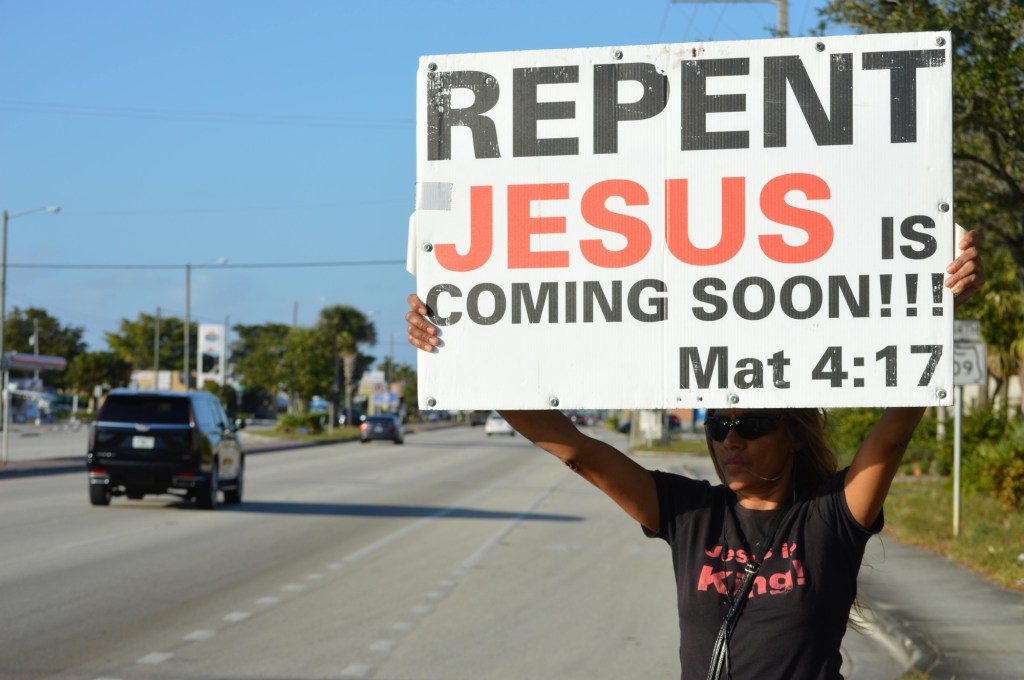
The Traditions of Men Versus the Word of God

In Mark 7:8, Jesus speaks with profound clarity: “You disregard and neglect the commandment of God, and cling [faithfully] to the tradition of men.” This verse cuts to the heart of an ongoing tension that has existed since the days of Christ: the elevation of human traditions over the divine Word of God. Jesus’ confrontation with the Pharisees reveals a dangerous practice where man-made traditions overshadow and even invalidate God’s commandments.

Traditions: A Challenge in Jesus’ Time

Mark 7:2-9 paints a vivid picture of this confrontation. The Pharisees and scribes, having observed Jesus’ disciples eating with unwashed hands, found fault with them. They weren’t just concerned with hygiene, but with the breaking of religious customs—the “tradition of the elders”—which had become a cornerstone of Jewish religious practice. They viewed this tradition as equal to, or even above, God’s commandments.

Jesus’ response is striking. He calls them hypocrites, quoting Isaiah: “This people honors Me with their lips, but their heart is far from Me.” He condemns their practices, stating, “For laying aside the commandment of God, you hold the tradition of men.” This indictment is as relevant today as it was then. The Pharisees placed their traditions on a pedestal, and in doing so, lost sight of the heart of God’s law. They honored God with outward rituals, but their hearts were far from Him.

The Danger of Tradition Today

In the present age, many Christians find themselves at a similar crossroads. The traditions of men can still creep into our faith, subtly undermining the pure Word of God. Colossians 2:8 warns us to be vigilant: “Beware lest anyone cheat you through philosophy and empty deceit, according to the tradition of men, according to the basic principles of the world, and not according to Christ.” Tradition, when unchecked by Scripture, can lead us into a form of religion that has the appearance of wisdom but lacks the power to transform.

One of the greatest dangers of these traditions is that they often seem harmless or even beneficial. After all, they may have been passed down for generations and become ingrained in our communities and culture. But as 1 Peter 1:17-19 reminds us, we were not redeemed with corruptible things, like silver or gold, “from your aimless conduct received by tradition from your fathers, but with the precious blood of Christ.” Our salvation is not found in human traditions but in the sacrifice of Jesus Christ.

The Pharisees’ Blindness: An Ongoing Struggle

When Jesus rebuked the Pharisees for their traditions, He pointed to the deeper issue of the heart. The Pharisees had developed a system of religion that was all about outward appearances, with rules about washing hands and cleaning vessels (Mark 7:4). But their focus on external purity blinded them to the internal transformation that God desires. As Romans 10:3 states, “They being ignorant of God’s righteousness, and seeking to establish their own righteousness, have not submitted to the righteousness of God.”

This is a profound warning for believers today. If we are not careful, we can also fall into the trap of relying on human traditions or self-imposed practices to define our righteousness. But no amount of religious ritual can make us right with God—only faith in Jesus Christ, submission to His Word, and His finished work on the Cross can do that. No amount of external works or accolades will suffice, for obedience is better than sacrifice.

God’s Commandments are Sufficient

Deuteronomy 12:29-32 gives a stern warning: “Whatever I command you, be careful to observe it; you shall not add to it nor take away from it.” God’s Word is complete and sufficient. We are not to add to it with human traditions, nor are we to take away from it through selective obedience. The Scripture is clear: anything that detracts from the purity of God’s Word is not to be followed.

Traditions often evolve over time and may start with good intentions, but they can lead us away from the truth of the Gospel. In Matthew 15:1-9, Jesus again confronts the Pharisees, accusing them of transgressing the commandments of God in favor of their traditions. Their interpretation of the law had become twisted, allowing them to bypass God’s true commands—such as honoring father and mother—while upholding human rules that seemed religious.

Direct Access to God Through Christ

One of the most beautiful gifts that Christians have is direct access to God through Jesus Christ. As believers, we are not bound by the traditions of men that create barriers between us and God. The veil has been torn (Matthew 27:51), and we can approach the throne of grace with confidence (Hebrews 4:16). Through the sacrifice of Jesus, we have the privilege of a personal relationship with God. We no longer need a human intermediary to offer sacrifices or perform rituals on our behalf.

Because Jesus is our mediator, we have the incredible privilege of direct communication with God through prayer. He intercedes for us (Romans 8:34), making our prayers effective and heard by the Father. This divine access reminds us that our relationship with God is intimate and unbroken, secured through Christ’s finished work on the cross, as He alone died for our sins.

Conclusion: Cling to God’s Word, Not Man’s Tradition

The Word of God is living and powerful (Hebrews 4:12). It is our guide, our light, and our foundation. We must be careful not to allow human traditions—however well-meaning they may seem—to overshadow the authority of Scripture. Galatians 1:8 gives a sobering warning: “But even if we, or an angel from heaven, preach any other gospel to you than what we have preached to you, let him be accursed.” This shows the seriousness with which we must guard the purity of God’s Word, for Jesus Himself warned, “Get away from Me; I never knew you, you who practice disobedience” (Matthew 7:23). To neglect the truth of Scripture and substitute it with human traditions is to risk eternal separation from God.

As born-again believers, our allegiance is to Christ alone, not to any denomination, human traditions, or rituals. Let us examine our hearts and lives to ensure that we are following the Word of God rather than the traditions of men. Only by doing so can we worship God in spirit and truth (John 4:24), honoring Him with our lives and not just our lips. Our faith must be rooted in a personal relationship with Jesus, guided by His Word, and not defined by external affiliations or practices.

When A Spiritual Leader Falls From Grace

This is what the LORD says: “Cursed is the one who trusts in man, who depends on flesh for his strength and whose heart turns away from the Lord.”Jeremiah 17:5

When Spiritual Leaders Fall: How to Stay Strong

A lot of Christians face moments when a spiritual hero falls. This could be a father, coach, mentor, pastor, or leader—someone you admire, whose books you read or whose ministry you follow. The awareness that they’ve fallen can deeply shake any believer’s faith. Here are a few ways to recover and remain strong when faced with instances like this.

Understand This to Remain Unmovable

1. Miracles Are a Sign That God Is Good, Not a Confirmation of a Minister’s Integrity

When you discover that a minister you follow has had a moral failing, scandals surface, and your faith might get shaken. Many become distrustful, skeptical, and afraid, closing their hearts to new leaders.

I experienced this at 16 or 17 when a gentleman, whom God used in another country, fell. I had followed him closely—buying every book he had, listening to every sermon, and trying to pray and fast like he did. But when I found out about his immoral behavior, it shook me. You go from admiring them to suddenly distrusting all leaders. This skepticism can settle in your heart, making it difficult to trust again.

It’s important to understand that while miracles are a sign that God is good, they do not always confirm that the minister is good. When people are used by God for miracles like prophesying, healing, or deliverance, we often assume it’s because of their holiness. However, this view is incomplete and inaccurate.

2. It’s the Devil’s Goal to Allow the Minister to Rise as High as Possible Before a Big Fall

I believe that sometimes the devil allows a minister to live in secret sin for a long time, allowing them to rise to prominence. When they eventually fall, the damage is much greater. The more well-known the minister, the greater the harm within the body of Christ.

The devil knows this and waits for the right moment to cause the most damage. When a leader with influence falls, it can create widespread distrust and pain among believers.

3. God Is the One Who Brings Hidden Things to Light

Luke 8:17 says, “For nothing is secret that will not be revealed, nor anything hidden that will not be known and come to light.”

God reveals both good and bad things done in secret. He is patient, wanting everyone to come to repentance, but when leaders refuse to repent, God eventually exposes their sin to prevent further harm.

4. When We Notice Unrepentant Sin in Our Leaders, We Can’t Ignore It

Don’t ignore unrepentant sin in your leaders. Address issues like sexual immorality, dishonesty, denial of core doctrines, abuse of power, or lack of self-control in a respectful manner. If leaders isolate followers and demand absolute loyalty, it’s a sign of a cult.

When leaders control aspects of their followers’ lives—associations, living arrangements, finances—and manipulate them through fear, they are leading through a demonic trap of control and witchcraft.

5. You Can Receive a Blessing from a Ministry Without It Being Contaminated

Even if a ministry later falls into scandal, the blessings you received from it are still from God. For example, if Judas gave a gift from Jesus’s ministry fund before his betrayal, the gift was still valid. Similarly, if you were blessed by a ministry that later faced moral failure, those blessings came from God, not the fallen leader, and therefore, they are not contaminated.

How to Heal

Grieve, Don’t Gloat

When leaders fall, it’s painful. Grieve for them instead of gloating. We see in the Bible that Samuel grieved for Saul (1 Samuel 16), and we should do the same for fallen leaders.

Heal with Time

Healing takes time, but with Jesus, it is possible. Spend time in His presence and allow Him to guide you through the process. Don’t let betrayal turn into bitterness. Release unforgiveness and trust that God has a better future for you. Remember, just because one leader fell doesn’t mean all will. God has still raised up good leaders.

Trust Slowly

Forgiveness doesn’t mean instant trust. Trust must be earned over time. It’s important to forgive fallen leaders, but trust is something they need to rebuild.

Be Hopeful

Despite some ministers falling, many others remain strong and faithful. Focus on leaders who demonstrate godly character and consistent good fruit, rather than those who are merely famous. Trust that God can restore what has been lost and bring healing and hope for the future.

Bible Verses to Reflect On

It is better to trust in the Lord than to put confidence in man. It is better to trust in the Lord than to put confidence in princes.Psalm 118:8-9

Trust in the LORD with all your heart, and do not lean on your own understanding. In all your ways acknowledge Him, and He will make straight your paths.Proverbs 3:5-6

There is no distinction: for all have sinned and fall short of the glory of God.Romans 3:23

If we say we have no sin, we deceive ourselves, and the truth is not in us. If we confess our sins, He is faithful and just to forgive us our sins and to cleanse us from all unrighteousness.1 John 1:8-10

“I am the Lord! That is My name! I will not share My glory with anyone else, or the praise due Me with idols.”Isaiah 42:8

—————

By Vladimir Savchuk | © Copyright – Vladimir Savchuk. No changes whatsoever are to be made to the content of the article without written permission from the author at HungryGen. / Photo by Luis Quintero.

Crisis Pregnancy Help: Find the Support You Need

Need help? Empowering women with compassionate care for crisis pregnancies, you are not alone – pregnancy support, guidance and resources in the UK and USA at Pro Life Connect.

If you’re pregnant and unsure of what comes next, you’re not alone. This page is dedicated to providing you with compassionate support and valuable resources to help you through your journey. We have gathered a list of trusted organizations offering assistance with pregnancy, parenting, adoption, and emotional support. Explore the links to find practical help, whether you need medical care, counselling, or simply someone to talk to. No matter where you are in your journey, there are options available, and we’re here to help you find the path that’s right for you and your baby.

HOPE Pregnancy offers kindness, truth, and support for anyone in an unexpected or challenging pregnancy who is unsure what to do and looking for help. 

We are here to listen, and with compassion, we use honest language to help them think through their situation for themselves. 

CONTACT  

Website: www.hopepregnancy.org.uk 

Contact page on their website link

If you are a mother or father bereaved by abortion. If you are seeking to support a mother grieving the loss of her baby to abortion, if you are a church leader looking for ways to make access to support after abortion easier in your church, Welcome! Abortion affects the whole society. Each of us bears some responsibility for the death of each baby. Together we have let down the parents who carry the burden, but together we can make a way for them to find peace again. 

CONTACT 

Website: http://www.postabortsupport.org.uk 

Rachel’s Vineyard is a healing ministry for those who are suffering from the trauma of abortion(s) or have been closely connected to someone who is; this includes siblings, grandparents, aunts etc.  We recognise that abortion impacts the wider family and community.  

We also support those that have worked in the abortion industry and subsequently regret the part they played in abortion decisions. 

CONTACT 

Website: rachelsvineyard.org.uk 

National Support Centre – Call:  07734 059 080 

Email: rachel@rachelsvineyard.org.uk 

The Good Counsel Network is a life-affirming women’s organisation which offers moral support, medical information, legal advice and practical help to women seeking abortion. We reach out to these women to inform them about the risks to their physical and psychological health and present them with realistic alternatives to abortion. We deal with the hardest cases of crisis pregnancy every day. 

CONTACT 

Website: www.goodcounselnet.co.uk 

Email: info@goodcounselnetwork.com 

Call:  020-7723-1740  

Life is a UK charity from women and families facing unexpected pregnancy or pregnancy loss, including abortion. Services include: emotional help, counselling, housing and community support around the country for mums and their babies, free supplies and much more… 

CONTACT 

Website: www.lifecharity.org.uk 

Call:  0808 802 5433  

Text: 07860 077339 

Contact page on their website link

COERCED ABORTION IS ABUSE. PRESSURIZED CONSENT IS NOT CONSENT.  

The narrative around abortion decisions is often focused on ‘choice’ and ‘autonomy’, but that is far from the reality that many women face. Women often find themselves subject to coercion and pressure to have an abortion from partners, family members, employers, healthcare staff or others in their life. This pressure can be subtle, like suggesting she would be unable to cope with parenthood, to severe, like threatening violence if she refuses to have an abortion. This coercion often goes unidentified by clinic and healthcare staff, and women go on to have abortions they never wanted. This is not informed consent. Coerced abortion is abuse, and women deserve to be protected from it.  

Life is a UK charity from women and families facing unexpected pregnancy or pregnancy loss, including abortion. Services include: emotional help, counselling, housing and community support around the country for mums and their babies, free supplies and much more… 

CONTACT 

Website: www.coercionisabuse.org 

Call the helpline: 0345 603 8501 

Email: info@archtrust.org.uk 

The Alma Mater Fund provides financial grants to pregnant students facing difficulties at universities across the UK, in order to support them in pursuing their academic and personal goals. Through the work of the initiative, the Alma Mater Fund coordinator can also direct students to further sources of support and advice.  

CONTACT 

Website: www.spuc.org.uk/alma-mater-fund 

Call, text or WhatsApp:  07849 088 244  

Treatment for infertility and miscarriage. Committed to keeping conception the natural way by combining restorative reproductive medicine with naturopathy. Did your heart sink when IVF was mentioned at your fertility consultation? Want to keep the ‘lovingly conceived’ aspect of your fertility story?  

We are here to guide how to stay true to God’s plan for conception and make your dream for a family a reality. 

CONTACT 

Website: www.fiatfertilitycare.co.uk 

Email: fertilitycare@lifecharity.org.uk 

Call: 01926 834654 

Contact page of their website link

Victor Marx “A Warrior for Christ” From Victim to Victory

Video – Victor Mark’s testimony is one of the redemptive power of God

Nothing is impossible for God! He is the restorer and healer of all things, if you give it to Him.

Victor Marx is a remarkable figure who has dedicated his life to humanitarian efforts and helping those trapped in devastating circumstances, including victims of human trafficking. Overcoming his own traumatic childhood of serious abuse and neglect, he transformed his pain into a mission to bring hope and restoration to others.

Through his organisation, All Things Possible Ministries, Victor works in high-risk areas, including war zones and regions plagued by human trafficking, to rescue and rehabilitate those in need. His ministry has impacted tens of thousands of lives, including children and survivors of abuse, as well as prisoners through his outreach programmes. His work exemplifies courage, faith, and perseverance.

Victor Marx is also a devoted family man with over 34 years of marriage, five children, and five grandchildren. He shares his wisdom and experiences to inspire others, blending his military discipline, faith, and compassionate outlook to build successful relationships and empower individuals to thrive despite life’s challenges.

Notable Quotes by Victor Marx:

“Kids who are born in the fire , will not be burned by the heat of life”

“Forgiveness is giving up your right to hurt someone back for hurting you.”

“Forgiving: gaining real estate in your heart to both give and receive love”

Support

To support Victor Marx’s ministry and his mission to bring hope, freedom, and restoration to those in desperate need, consider contributing to All Things Possible Ministries: Support

Outstanding interviews with Victor Marx at the Shaun Ryan show

Part 1 – How Victor became the Guinness book of records fastest gun disarmer in the world

Part 2 – Overcoming childhood terror

Part 3 – How big tech and AI influence child predators

Helpful Posts:

Trusting God to Heal the Scars of Sexual Abuse

8 Steps to Forgiveness and Learning How to Forgive

Who I am in Christ

———————

*** By Lori McPherson / Photo: Outreach magazine / YouTube Video Victor Marx / Victor Marx book: The Dangerous Gentlemen

Stonewalling: The Art of Smokescreen

Why Stonewalling Is Harmful and Manipulative

Stonewalling is more than just giving someone “the silent treatment.” In this day and age, it has become a calculated and harmful tactic used not only by individuals but also by media, governments, and other institutions, undermining healthy communication and relationships. While some people may disengage temporarily to process emotions, stonewalling as a control mechanism is a deliberate act designed to silence a person and a people, frustrating or demeaning them in the process. When employed systematically, it becomes a tool of manipulation and, arguably, a form of psychological abuse.

What Is Stonewalling?

Stonewalling occurs when someone refuses to engage in meaningful communication. Instead of addressing a concern or issue, they shut down the conversation, leaving the other party feeling unheard, invalidated, and often helpless. When paired with gaslighting—a tactic where someone denies or distorts the truth to make you doubt your perception—it becomes even more damaging. Victims of this behavior might be told:

• “You’re overreacting.

• “You’re putting words in my mouth.

• “That didn’t happen.”

These responses can make you question your feelings, your memory, and even your sense of reality.

Common Stonewalling Tactics

Stonewalling isn’t limited to silence. It manifests in a variety of behaviors that signal an unwillingness to engage, including:

• Abruptly stopping responses: They may cut off mid-conversation, refusing to acknowledge your words.

Turning away: Physically turning their body or looking away as if to dismiss you.

Feigning busyness: Pretending to be occupied with something else to avoid the conversation.

Avoiding questions: Refusing to give direct answers or dodging accountability.

Interrupting: Preventing you from completing your thoughts or sentences.

Repetition: Using dismissive or one-word replies like “fine” or “okay” no matter what you say.

Declaring the conversation “over”: Abruptly ending discussions without resolution.

Ignoring outright: Acting as though they don’t hear you, treating you as invisible.

Deflecting blame: Turning the issue back on you instead of taking responsibility.

Walking away: Leaving without indication of when—or if—they’ll return.

Ghosting: Ignoring texts, calls, or other communication entirely.

Additionally, stonewallers often employ “word salad”—rambling, incoherent, or evasive speech that avoids addressing the real issue. They may talk over someone to prevent them from expressing the truth, deliberately take statements out of context, or spin the conversation in a way that stirs division, fear, and mistrust. These tactics are frequently used by manipulative individuals, but they are also employed by institutions like the media and politicians to silence dissent or control narratives.

All these behaviors signal a disregard for the other person’s thoughts and feelings, often leaving the victim feeling isolated and powerless.

Stonewalling Beyond Personal Relationships

While stonewalling is most commonly discussed in personal relationships, it is a tactic increasingly used in broader societal and political contexts. Governments, organizations, and ideological groups have been observed using stonewalling to silence dissent, avoid accountability, and maintain control.

When governments engage in stonewalling, it is particularly harmful, as it undermines trust and accountability. Citizens often find their voices dismissed or ignored, with governments deploying these tactics to sidestep responsibility and evade questions.

For example:

Avoiding transparency: Officials may refuse to provide clear answers or respond to legitimate public concerns.

Deflecting blame: Shifting responsibility to others rather than addressing systemic issues.

Ignoring demands for accountability: Stonewalling inquiries from citizens, journalists, or watchdog groups.

Labelling dissent as extreme or irrelevant: Marginalizing opposition by dismissing it as unworthy of engagement.

Silencing criticism: Using censorship, regulatory barriers, or social pressure to stifle opposing voices.

This deliberate refusal to engage creates frustration, confusion, and mistrust, ultimately alienating the very people the government is supposed to serve. When combined with misrepresentation, sensationalism, or fearmongering by media outlets, this behavior becomes a powerful tool of division and control, further eroding public trust.

Signs You’re Experiencing Stonewalling

If you suspect you’re being stonewalled—whether in a relationship, workplace, or community—check in with yourself. Ask:

• Do I feel heard and understood?

• Do I hesitate to voice concerns for fear of punishment or conflict?

• Am I holding back because I’m afraid the other person won’t listen or will escalate the situation?

• Do I feel like I constantly need to convince or “win over” the other person?

If the answer is “yes” to any of these, you might be dealing with stonewalling.

Why Stonewalling Is “Satanic”

Some may describe stonewalling as “satanic” because it embodies traits often associated with deceit, manipulation, and oppression. It fosters division, breeds confusion, and undermines trust and understanding—essentially creating chaos where there could be harmony. In personal relationships, this destruction of connection and mutual respect is devastating. When used by governments or institutions, it becomes a weapon of control that erodes freedom, trust, and democracy.

Stonewalling denies the humanity of the person being silenced, treating them as though their thoughts, feelings, and existence are insignificant. This is why many view it as fundamentally immoral and harmful—a tactic that perpetuates harm and isolates individuals or entire communities.

How to Address Stonewalling

Whether in personal relationships, social settings, or government interactions, combating stonewalling requires courage, clarity, and boundaries:

Acknowledge it: Recognize when stonewalling is happening and name it for what it is.

Set boundaries: Clearly communicate that such behavior is unacceptable and enforce consequences if necessary.

Seek support: Turn to trusted friends, family, or professionals for guidance and affirmation.

Engage with others who listen: Focus your energy on constructive conversations and relationships.

At a societal level, addressing stonewalling means encouraging accountability, transparency, and open dialogue from governments, organizations, and leaders. Christians are called to engage society in ways that reflect Christ’s example of truth, justice, and love. The prophetic voices of Isaiah and Amos offer biblical examples of standing against corruption and oppression, while Jesus Himself confronted societal hypocrisy and lifted up the marginalized. However, He did so with humility, wisdom, and a focus on personal transformation, not through rebellion or force.

The Bible instructs Christians to respect governing authorities (Romans 13:1-7), yet it also prioritizes obedience to God over human authority (Acts 5:29). This balance calls believers to thoughtfully address injustice, always pursuing peace and righteousness. Advocacy for justice—when conducted with humility and integrity—aligns with Jesus’ teaching to be the “salt of the earth” and the “light of the world” (Matthew 5:13-16).

While peaceful protests, petitions, or dialogue may serve as tools to challenge injustice, these actions must reflect Christ’s spirit of love, not division. True engagement happens when believers focus on sharing truth with grace and trust in God’s power to bring change. In Matthew 10:14, Jesus advised His disciples to leave those who rejected the message, emphasizing that Christians are not called to force dialogue or resolution but to faithfully stand in truth and peace.

When dealing with stonewalling—whether in relationships, workplaces, or societal issues—Christians should:

Recognise the Signs of Manipulation: Understand when someone is purposefully evading responsibility or avoiding meaningful dialogue.

Pursue Peace, But Set Boundaries: Seek reconciliation and peace where possible, but do not enable abusive behavior or passively submit to those who use tactics like stonewalling to control or silence others.

Call Out Wrongdoing: Jesus did not hesitate to call out injustice or hypocrisy. As His followers, we are called to stand firm for truth and righteousness, even when it is uncomfortable or unpopular.

Shake the Dust Off: If someone consistently refuses to engage in honest dialogue, it may be necessary to walk away from the situation, not out of bitterness, but to avoid being complicit in their manipulation or deceit.

By doing so, Christians can foster healthy, respectful relationships without tolerating harmful or controlling behaviors. We must always strive for peace, but also stand firm in our commitment to truth, justice, and the integrity of our faith.

———————-

*** Photo by Jiarong Deng at Pexels