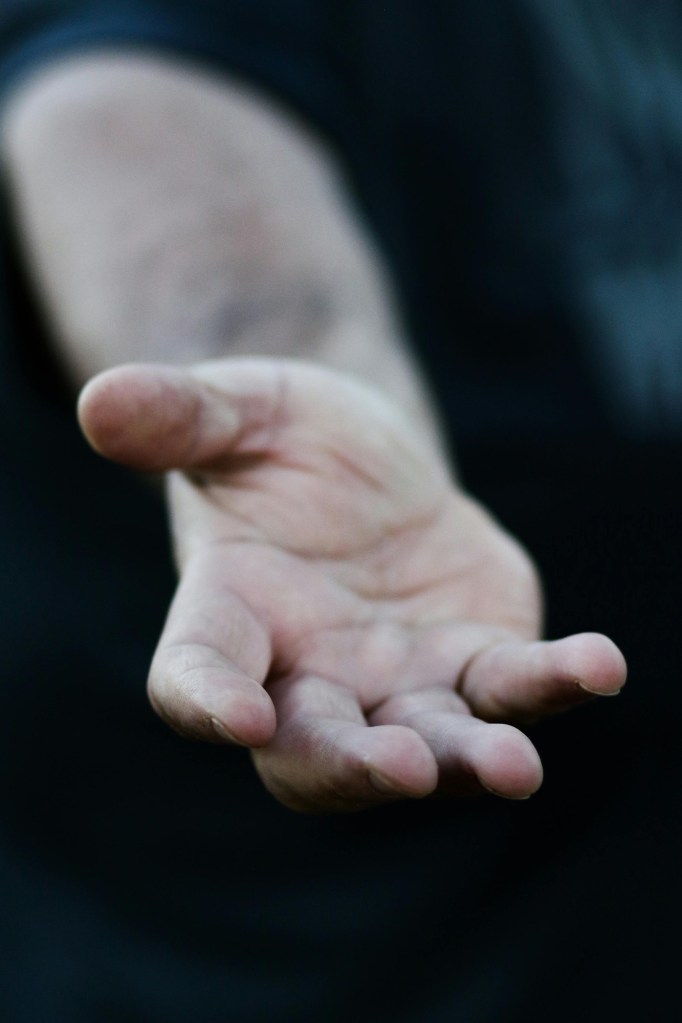
From Despair to Hope: A Lifeline for the Suicidal and Broken

“Come to me, all you who are weary and burdened, and I will give you rest…” ~ Matthew 11:28

In a world burdened by struggles, confusion, and despair, many find themselves in battles that feel overwhelming and unwinnable. Suicidal thoughts, depression, and feelings of worthlessness are weapons used by the enemy to isolate and weaken us. I know because I have been there. The Bible reminds us in Ephesians 6:12 that our struggle is not merely against flesh and blood, but against the spiritual forces of darkness.

People are being tormented by the enemy, Satan, through various means, including addictions, mental illness, and painful life circumstances. The enemy whispers lies of hopelessness, worthlessness, and fear into the hearts of the vulnerable. Yet even in these dark times, there is hope—hope found in the unfailing love of our Creator and the healing power of Jesus Christ.

Understanding the Struggle

Suicidal thoughts are often rooted in deep pain caused by life’s challenges—loss, trauma, addiction, or mental illness. Drugs and alcohol, while often used to numb the pain, can open doors to spiritual oppression, intensifying feelings of despair. Mental health conditions may leave individuals feeling trapped, and overwhelming life circumstances can make escape seem impossible.

It is vital to understand that these struggles are not signs of weakness or failure. Instead, they are symptoms of a larger spiritual and emotional battle. Suicidal thoughts are not who you are; they are part of the fight you are facing.

Hope in the Midst of Despair

Every life matters, and we are deeply loved by our Heavenly Father. God’s Word assures us of His love:

“The Lord is close to the brokenhearted and saves those who are crushed in spirit” (Psalm 34:18).

“For I know the plans I have for you,” declares the Lord, “plans to prosper you and not to harm you, plans to give you hope and a future” (Jeremiah 29:11).

God created each of us with purpose and value. He cares for us deeply, from the womb to the tomb, and longs to bring healing and restoration to our lives—mind, body, and soul.

The Gift of Salvation

When Jesus came to earth, He brought hope and freedom. He came to save us from sin and its consequences, offering eternal life to all who believe in Him. Sin, which separates us from God, takes many forms—sexual immorality, addictions, lying, unforgiveness, and more. While these sins weigh us down, Jesus offers forgiveness and redemption.

Through His death on the cross and resurrection, Jesus conquered sin and death. His sacrifice allows us to be restored to God, no matter how broken we feel. Romans 10:9 says, “If you declare with your mouth, ‘Jesus is Lord,’ and believe in your heart that God raised Him from the dead, you will be saved.” This invitation is for everyone, regardless of background or past mistakes.

Breaking the Chains of Hopelessness

The enemy thrives on lies, isolating us with thoughts of worthlessness and despair. To break free, we must replace these lies with God’s truth:

• Lie: “I am worthless.”

Truth: “You are fearfully and wonderfully made” (Psalm 139:14).

• Lie: “No one cares about me.”

Truth: “Cast all your anxiety on Him because He cares for you” (1 Peter 5:7).

• Lie: “There’s no hope for me.”

Truth: “For nothing will be impossible with God” (Luke 1:37).

Practical and Spiritual Steps Toward Healing

1. Seek God’s Deliverance and Healing

• Turn to Him in Prayer: Confess your struggles to God and ask Him to heal your heart and mind.

• Pray for Freedom from Oppression: Whether your struggles stem from addictions or spiritual attacks, ask God to break the chains.

• Invite the Holy Spirit to Fill You: The Holy Spirit strengthens and comforts us in ways no one else can.

2. Surround Yourself with a Supportive Community

Isolation is one of the enemy’s most powerful tools. Connect with a local church, prayer group, or supportive friends who can encourage you and walk alongside you in your healing journey.

3. Spend Time in God’s Word

The Bible is full of promises and encouragement for those who are hurting. Meditate on passages like these:

• “Come to me, all you who are weary and burdened, and I will give you rest” (Matthew 11:28).

• “I can do all things through Christ who strengthens me” (Philippians 4:13).

4. Seek Professional Help

• Mental Health Support: Therapy and medical care are essential tools in addressing depression and mental illness. God often works through professionals to bring healing.

• Faith-Based Recovery: If addiction plays a role in your struggles, consider joining a recovery group that focuses on both spiritual and practical growth.

Take One Day at a Time

Healing is a journey, not an instant transformation. Focus on trusting God each day and allowing Him to guide you step by step.

Finding Purpose in Pain

God can take the most painful experiences and use them for good. Your journey, as difficult as it may be, can become a testimony of hope for others. When you allow God to bring healing, your story can inspire and encourage those who feel lost and alone.

An Invitation to New Life

If you’re battling suicidal thoughts, Jesus invites you to come to Him as you are. He loves you unconditionally and offers rest for your weary soul. Lay your burdens at His feet, and trust that He will provide peace and strength to overcome.

As Romans 8:38-39 says, “For I am convinced that neither death nor life, neither angels nor demons, neither the present nor the future, nor any powers… will be able to separate us from the love of God that is in Christ Jesus our Lord.”

You Are Not Alone

If you are struggling with suicidal thoughts, please know that you are not alone. God sees your pain and loves you deeply. Reach out to a trusted person, counselor, or crisis hotline for immediate help. Healing and restoration are possible through Him.

No matter how dark life may feel right now, God has a purpose and a plan for you. He stands ready to embrace you with open arms and lead you into a future filled with hope and healing. Choose life today. Choose Jesus.

A list of organizations that provide support in the USA and UK:

Christian Organizations Offering Support and Resources (USA) 🇺🇸

  1. Focus on the Family
    www.focusonthefamily.com
    Offers counseling, resources, and guidance for individuals and families facing challenges.
  2. Celebrate Recovery
    www.celebraterecovery.com
    A Christ-centered 12-step recovery program for those struggling with addiction, pain, or trauma.
  3. National Association for Christian Recovery (NACR)
    www.nacr.org
    Provides resources for those in recovery and seeking healing through faith.
  4. The Hope Line
    www.thehopeline.com
    Offers free Christian counseling and support for those struggling with depression, anxiety, or suicidal thoughts.
  5. American Association of Christian Counselors (AACC)
    www.aacc.net
    Helps connect individuals with licensed Christian counselors for mental health and spiritual support.
  6. Billy Graham Evangelistic Association (BGEA) Prayer Line
    www.billygraham.org | Call: 1-877-247-2426
    Offers prayer and spiritual guidance for anyone in need.
  7. Teen Challenge USA
    www.teenchallengeusa.org
    Faith-based recovery programs for teens and adults struggling with life-controlling issues.
  8. Faithful Counseling
    www.faithfulcounseling.com
    A platform for online therapy with licensed Christian counselors.
  9. GriefShare
    www.griefshare.org
    A support group and resource network for those grieving the loss of a loved one.

Christian Organizations Offering Support and Resources (UK) 🇬🇧

  1. Premier Lifeline (Christian Helpline)
    www.premierlifeline.org.uk | Call: 0300 111 0101
    A confidential Christian helpline offering support and prayer.
  2. Mind and Soul Foundation
    www.mindandsoulfoundation.org
    Provides resources and support at the intersection of faith and mental health.
  3. Christian Counseling UK
    www.counsellinguk.org
    Connects individuals with Christian counselors across the UK.
  4. Hope UK
    www.hopeuk.org
    A Christian organization providing education and support around addiction and substance abuse.
  5. The Samaritans (Christian Volunteers Available)
    www.samaritans.org | Call: 116 123
    Offers 24/7 support for anyone in emotional distress, with Christian volunteers available upon request.
  6. CAP (Christians Against Poverty)
    www.capuk.org
    Provides free debt counseling and support for those in financial difficulty.
  7. Youth for Christ (YFC UK)
    www.yfc.co.uk
    Offers resources and support for young people, with a focus on faith and hope.
  8. Christian Helplines Association (CHA)
    www.christianhelplines.org.uk
    A network of Christian helplines offering prayer and emotional support.
  9. Alcoholics Victorious UK
    www.alcoholicsvictorious.co.uk
    A Christian-based support network for individuals overcoming addiction.
  10. Churches Together in England (CTE)
    www.cte.org.uk
    A nationwide resource to help connect individuals with local churches and support groups.

—————

** Lori McPherson’s Testimony / By Photo by Marcos Fernandes de Matos at Pexels

Made in God’s Image: A Radical Truth in a Confused World

In a world increasingly shaped by confusion and conflicting ideologies about our identity, it’s essential to return to the truth of Scripture to rediscover who we truly are. The profound and foundational truth that we are made in God’s image is not only the key to understanding our purpose but also the antidote to the confusion and despair that many face today. At the same time, we see a striking contradiction in society. On one hand, there is a growing emphasis on mental health and well-being, particularly for children and young people—a focus that is undeniably valuable. Yet, on the other hand, these same individuals are often taught that they are merely the accidental products of random, unguided processes. This disparity raises urgent questions about where our true value and sense of purpose come from.

This prevailing worldview, commonly seen in schools and even showcased in places like the Natural History Museum, suggests that humans originated from a “molecule-to-man” evolutionary process through natural selection. Under this framework, human beings are stripped of intrinsic value or ultimate purpose. If we are merely “rearranged atoms,” no different than the chairs we sit on, why should we consider ourselves more valuable than those objects? One bleak perspective even puts it this way: “It’s a fluke that you were born, all is futile while you live, and you’ll be fertilizer when you die.”

Environmental concerns, often valid, further deepen this narrative by portraying humanity as the planet’s primary problem. Influential figures like David Attenborough have even referred to mankind as a “plague on the planet.” These ideas contribute to widespread struggles among young people—challenges with identity, worth, and purpose—often leading them to cling desperately to fleeting causes.

The Bible’s Antidote: Our True Identity

Amid this cultural confusion, we find hope and clarity in the Bible. Genesis 1:26-27 teaches us a radically different truth about who we are. Humanity is made in the image of God. This phrase appears three times in just two verses, emphasizing its importance. “Then God said, “Let us make mankind in our image, in our likeness, so that they may rule over the fish in the sea and the birds in the sky, over the livestock and all the wild animals, and over all the creatures that move along the ground.” 27 So God created mankind in His own image, in the image of God He created them; male and female He created them.”

Humanity’s Unique Role in Creation

It is essential to note that only humans are described as being made in God’s image. While other living things are described as being made “according to their kind” (Genesis 1:24-25), humanity is set apart. Though we share similarities with animals, such as being made of the same physical elements and consuming similar foods, the differences are vast and profound:

Communication: Human communication is far more complex.

Innovation: Unlike spiders that spin the same web design repeatedly, humans innovate endlessly.

Self-awareness: Humans ponder their purpose, study the world, and plan for the future.

Appreciation of beauty: Our ability to create and appreciate art reflects the Creator Himself.

The Bible clearly teaches that the image of God was present from humanity’s beginning. This is not a trait added partway through a slow evolutionary process. Genesis 5:3 confirms that Adam passed this image onto his descendants, meaning all humans are bearers of God’s image. Furthermore, Genesis 1:31 declares that creation was not just “good” but “very good” only after humanity was created. Humanity is the pinnacle of God’s creation, the culmination of His work, as Psalm 8 poetically reflects: “You made man a little lower than the angels and crowned him with glory and honor.”

What Does It Mean to Be Made in God’s Image?

The phrase “image of God” comes from the Hebrew word “tselem,” meaning a replica or representative. In the ancient Near East, kings would place statues of themselves in far-flung regions of their empires to symbolize their authority. Similarly, humanity represents God’s authority and presence in the world.

Here are five “R’s” that summarize what it means to be made in God’s image:

1. Representing God

We are God’s representatives on Earth, symbolizing His dominion and authority. This is why the second commandment forbids creating images of God for worship; humanity itself is His intended representation.

2. Resembling God

The phrase “in His likeness” (Hebrew: “demuth”) expands the idea of resemblance. We resemble God in personal, moral, and rational ways:

• We are personal beings, capable of relationships.

• We are moral beings, understanding right and wrong.

• We think, reason, feel, and act with purpose, as God does.

While we are not divine—we are neither eternal nor self-sufficient like God—we reflect aspects of His character, much like the moon reflects the light of the sun.

3. Ruling for God

Genesis 1:26 continues: “…so that they may rule over the fish in the sea, the birds in the sky, and over all the earth.” The word for “rule” (Hebrew: “rāḏâ”) implies dominion and stewardship. Humans are entrusted with managing creation for its benefit, a role that remains positive despite the fall.

This stewardship involves cultivating and managing the earth to promote flourishing. Genesis 2 expands on this role, depicting Adam placed in the Garden to “work it and take care of it” (Genesis 2:15). Contrary to popular claims that nature would thrive without humans, evidence shows that human management often increases biodiversity and ecological health. For instance, even secular conservationists recognize that rewilding efforts (leaving land untouched) can reduce biodiversity. Carefully managed areas, such as gardens or cultivated lands, often support more diverse ecosystems than those left wild.

4. Reflecting God

As God’s image bearers, we are called to reflect His attributes—His love, righteousness, and justice. This reflection glorifies Him and points others to His character.

A Unique Design and Purpose

Humanity’s role as God’s image bearers underscores our unique purpose. Adam’s naming of the animals (Genesis 2:19-20) highlights this distinction; no animal was found to be a suitable helper for Adam because none shared God’s image.

When God declared it was “not good” for man to be alone (Genesis 2:18), He created woman as a complementary partner, further emphasizing the relational nature of humanity—a reflection of the relational nature of God Himself.

This foundational truth—that humanity is made in the image of God—contradicts the despairing messages of our culture. It affirms our value, dignity, and purpose, reminding us that we are more than atoms or accidents. We are God’s representatives, rulers, and reflections, created to glorify Him and enjoy His creation.

5. Made for Relationship

In addition to representing, resembling, and ruling for God, humanity was created for relationship. Genesis 1:27 emphasizes this: “male and female He created them.” Relationships are central to the human experience because they reflect the very nature of God Himself.

In Genesis 1:26, God says, “Let us make mankind in our image, in our likeness.” The plural pronouns point to the truth of the Trinity—God as one being in three persons: Father, Son, and Holy Spirit. This perfect, eternal relationship of love within the Trinity has profound implications. It reveals that love is intrinsic to God’s nature. Even before creating humanity, God existed in a communion of love. Unlike a solitary deity, a trinitarian God is inherently relational, making Him a God of love.

God’s design for us is rooted in this relational nature. He created us to participate in this love and to relate to Him in worship. In Genesis, God speaks to Adam and Eve, commands them, and walks with them in the garden. Humanity alone, among all creation, is given the capacity to communicate with God and with one another in meaningful ways.

Reflecting God in Human Relationships

God’s design extends to human relationships, starting with marriage. The union of man and woman reflects God’s relational nature and serves as a foundation for families. The psalmist speaks of God placing the lonely in families, emphasizing that all relationships—friendships, families, and communities—find their root in our shared identity as image-bearers of God.

However, society often promotes individualism and isolation, countering God’s intention for relationships. The idea of self-sufficiency, where everything is tailored for individual consumption, may seem appealing, but it directly opposes the biblical truth that we are created for connection.

The Marring of the Image

Although we are made in the image of God, that image has been marred by sin. Genesis 3 describes the fall of humanity through Adam and Eve’s disobedience. Though we retain God’s image, it has been distorted. Like graffiti defacing a masterpiece, sin obscures our ability to fully reflect God’s glory and carry out our God-given roles.

The Nature of the Fall

Satan’s temptation to Eve was rooted in pride and dissatisfaction. He suggested that she could “be like God,” ignoring the truth that humanity was already made in His image. Adam, failing to exercise his headship, joined in disobedience. As a result, sin entered the world, bringing suffering, pain, and death.

This is not how God created the world to be. Death and suffering are direct results of human sin, not inherent aspects of God’s creation. To argue otherwise undermines God’s goodness and the hope of redemption. The consequences of the fall are evident: fractured relationships, environmental exploitation, and a culture that either devalues humanity or elevates it to a godlike status.

Modern Rebellion Against God’s Design

Today, the rejection of God’s image leads to a host of societal issues. When we deny the intrinsic value of life, practices like abortion and euthanasia become normalized. The redefinition of marriage and gender further undermines God’s design, leaving people searching for identity and purpose in fleeting things like possessions, fame, or personal achievements. But these pursuits are inadequate. When our worth is tied to impermanent things, failure leaves us devastated. We begin to see others as objects, either competitors or tools for our benefit. This rejection of God’s image results in a society that dehumanizes itself.

The Mending of the Image

Thankfully, the story doesn’t end with the marring of the image. Through Jesus Christ, God has provided a way to restore what was broken.

Christ: The Perfect Image of God

Colossians 1:15 declares, “The Son is the image of the invisible God.” Unlike humanity, Christ is not merely made in the image of God—He is the image of God. As the Creator, Jesus demonstrates dominion over creation, calming storms, multiplying food, and even commanding fish to fulfill His purposes. He is the ultimate human, fully reflecting God’s glory while living in perfect obedience.

Yet, Christ did more than provide an example. He lived the life we were meant to live and bore the punishment for our sins. On the cross, He was marred for our transgressions so that we could be mended. Through His death and resurrection, He made reconciliation with God possible, restoring us to our original purpose as image-bearers.

Becoming Like Christ

When we repent and trust in Christ, God begins a process of transformation. Romans 8:29 explains that we are “predestined to be conformed to the image of His Son.” This transformation is not about adding religion to our lives but about aligning with the purpose for which we were created: to glorify God and enjoy Him forever.

This restoration affects every aspect of our lives. It shapes how we relate to others, how we steward creation, and how we pursue work and creativity. No longer striving for self-glory, we live to reflect God’s love, peace, and justice.

The Fulfillment of Restoration

One day, God will complete this work of restoration. Revelation promises a new creation where His people will dwell with Him forever, fully restored to His image. Until that day, we live with the hope and assurance that we are precious to God, not because of anything we achieve, but because of what Christ has done.

If you have not yet repented and turned to Christ, now is the time. Only through Him can we be restored to our true purpose and identity. May we all live as God intended, for His glory and the good of His creation.

Amen.

—-—————-

** How to become a child of God

** Summary of Talk By Matthew Pickhaver from Biblical Creation Trust / Picture by Mart Production at Pexels

** Recommended article: One Human Race – the Biblical, Scientific & Historical Truth about Human Diversity