False and True Repentance

Then Judas, His betrayer, seeing that He had been condemned, was remorseful and brought back the thirty pieces of silver to the chief priests and elders, saying, “I have sinned by betraying innocent blood.” ~ Matthew 27:3-5 NKJV

Most of today’s believers do not seem to have the depth, the dedication, or the power that the early Christians had. What do you think is the reason for this?

The primary reason is that they have not repented properly.

The message Jesus Himself preached was: “Repent and believe in the gospel” (Mark 1:15). He commanded His apostles to preach the same message (Luke 24:47). And that’s exactly what they did (Acts 20:21).

The Word of God is very clear on this. Repentance and faith cannot be separated if you want to be well and truly converted. God has joined these two together. And what God has joined together no man should separate.

Repentance and faith are actually the first two elements of the foundation of the Christian life (Hebrews 6:1). If you have not repented properly, then your foundation is bound to be faulty. And then, of course, the whole of your Christian life will be shaky.

We see some examples in the Bible of those whose repentance was false.

“True repentance will involve our whole personality – our mind, our emotions and our will.”

When King Saul disobeyed God, he admitted to Samuel that he had sinned. But he did not want the people to know that. He still sought man’s honour. He had not really repented. He was just sorry that he was caught (1 Samuel 15:24-30). That was the difference between him and King David who openly acknowledged his sin when he fell (Psalm 51).

King Ahab was another like Saul. He felt really sorry for himself when Elijah warned him that God was going to judge him. He even put sackcloth on himself and mourned for his sins (1 Kings 21:27-29). But he did not really repent. He was just afraid of God’s judgement.

Judas Iscariot’s case is a clear example of false repentance. When he saw that Jesus had been condemned to death he felt bad and said, “I have sinned” (Matthew 27:3-5). But he made his confession to the priests – just like some do even today! He did not repent – even though he may have felt sad about what he had done. If he had truly repented, he would have gone to the Lord in brokenness and asked for forgiveness. But he did not do that.

There is a lot that we can learn from these examples – as to what repentance is not!

True repentance is a “turning to God from idols” (1 Thessalonians 1:9).

Idols are not just those made of wood and stone found in heathen temples. There are equally dangerous idols that people worship that do not look so ugly. These are the idols of pleasure, comfort, money, one’s reputation, wanting one’s own way etc.

All of us have worshipped these for many years. To repent means to stop worshipping these idols, and to turn away from them to God.

True repentance will involve our whole personality – our mind, our emotions, and our will.

First of all, repentance means that we change our mind about sin and the world. We realise that our sin has separated us from God. We also see that the whole way of life of this world is anti-God. And we want to turn away from that God-dishonouring way of life.

Secondly, repentance involves our emotions. We feel sorrowful about the way we have lived (2 Corinthians 7:10). We hate ourselves for our past actions; and more than that, we detest the greater evil that we see within us that no one else can see (Ezekiel 36:31).

We weep and mourn that we have hurt God so much by the way we have lived. That was the reaction of many great men in the Bible when they became aware of their sins. David (Psalm 51), Job (Job 42:6) and Peter (Matthew 26:75) – all wept bitterly when they repented of their sins.

Both Jesus and the apostles have encouraged us to weep and mourn for our sins (Matthew 5:4; James 4:9). That is the way back to God.

Finally, repentance involves our will. We have to yield our stubborn self-will – ‘wanting our own way’ – and make Jesus Lord of our lives. That means that we are willing to do whatever God wants us to do from now on, whatever the cost and however humiliating it may be.

The prodigal son came back home to his father as a broken, yielded young man who was willing to do anything that his father told him to. That is true repentance (Luke 15:11-24).

We do not have to confess to God every single sin that we have ever committed. It would be impossible to remember all of them in any case. The prodigal son did not do that. All that he said was, “Father, I have sinned.” And that is all we need to say too.

But remember that Judas Iscariot also said, “I have sinned.” There was a world of difference however, between his confession and the prodigal son’s confession. God does not listen only to the words we say. He senses the spirit behind the words, and deals with us accordingly.

——-——-

** Copyright – Zac Poonen. No changes whatsoever are to be made to the content of the article without written permission from the author at CFC India.com / Photo by Jahoo Clouseau at Pexels

Healing from Toxic Relationships: A Guide to Restoring Your Heart and Moving Forward – Part 4

“Above all else, guard your heart, for everything you do flows from it.” ~ Proverbs 4:23 (NIV)

This is the part 4 of the 5 part series. As a Christian woman, navigating relationships can be both fulfilling and challenging. When a relationship becomes toxic, it can leave emotional scars that hinder your ability to move forward. Whether you’ve experienced manipulation, emotional neglect, or disappointment, healing is not only possible but vital. With God’s guidance, a commitment to self-care, and support from others, you can heal and grow stronger in your faith and your sense of self-worth. Here’s a comprehensive guide for healing from toxic relationships.

1. Embrace God’s Love and Forgiveness

The Power of God’s Healing Love

When healing from a toxic relationship, one of the first steps is to embrace the overwhelming love of God. Often, toxic relationships leave us feeling rejected or unworthy. However, as a Christian, you can find solace in the truth that God’s love for you is unconditional and never wavers.

What the Bible Says:

• “The Lord is close to the brokenhearted and saves those who are crushed in spirit.” — Psalm 34:18

• “I have loved you with an everlasting love; I have drawn you with unfailing kindness.” — Jeremiah 31:3

These scriptures remind you that God sees your pain and is ready to heal your heart. It’s essential to remind yourself that your identity is not defined by past relationships or negative experiences. You are loved, valued, and cherished by your Creator.

The healing process:

• Spend time in prayer, asking God to heal your heart and restore your emotional well-being.

• Focus on affirming scriptures that remind you of God’s love and forgiveness.

• Reflect on how God’s love has always been constant, and allow that truth to replace feelings of insecurity or hurt.

2. Let Go of Unforgiveness

The Freedom of Forgiveness

A toxic relationship can sometimes leave you holding onto anger, bitterness, or unforgiveness toward the person who hurt you. These feelings can be like a weight on your heart, hindering your ability to heal. As difficult as it may seem, forgiveness is a powerful step toward emotional freedom and restoration.

What the Bible Says:

• “Be kind and compassionate to one another, forgiving each other, just as in Christ God forgave you.” — Ephesians 4:32

• “Forgive us our sins, for we also forgive everyone who sins against us.” — Luke 11:4

Forgiveness doesn’t mean you condone the wrongs done to you, but it allows you to release control over the situation and surrender it to God. When you forgive, you free yourself from the toxic grip of the past and create space for God to work in your life.

The healing process:

• Ask God for the strength to forgive those who have hurt you, even when it feels impossible.

• Speak out loud or in your heart the words, “I forgive [name] for [hurt]. I release them to You, Lord.”

• Remember that forgiveness is a process, not a one-time event. It’s okay to take time and revisit the act of forgiving as you heal.

3. Reconnect with Your Identity in Christ

Rediscovering Who You Are in Christ

Toxic relationships often distort your self-image and cause you to forget who you are in Christ. During the healing process, it’s crucial to reconnect with your true identity — one that is grounded in God’s love, grace, and purpose for your life.

What the Bible Says:

• “I am fearfully and wonderfully made.” — Psalm 139:14

• “You are a chosen people, a royal priesthood, a holy nation, God’s special possession, that you may declare the praises of him who called you out of darkness into his wonderful light.” — 1 Peter 2:9

God has a unique purpose for your life, and it’s important to view yourself through His eyes. Healing involves reclaiming the truth of who you are as His beloved daughter, and understanding that your worth doesn’t depend on a relationship, but on God’s design for you.

The healing process:

• Spend time meditating on God’s Word to remind yourself of your identity and worth.

• Write down positive affirmations based on Scripture (e.g., “I am God’s masterpiece” or “I am worthy of love and respect”).

• Surround yourself with Christian community that encourages and reminds you of your value in Christ.

4. Set Healthy Boundaries Going Forward

Learning from the Past

One of the key lessons from a toxic relationship is understanding the importance of boundaries. Toxic relationships often occur when boundaries are not respected or established. As you heal, it’s essential to define and maintain healthy boundaries to protect your emotional well-being in the future.

What the Bible Says:

• “Do to others as you would have them do to you.” — Luke 6:31

• “Above all else, guard your heart, for everything you do flows from it.” — Proverbs 4:23

Setting boundaries is a form of self-care and stewardship over your heart. They allow you to prioritize your emotional health and ensure that you’re interacting with people who respect you and your needs.

The healing process:

• Reflect on what boundaries were crossed in past relationships and commit to not allowing those behaviors again.

• Be clear with others about your personal limits, whether emotional, physical, or spiritual.

• Practice saying “no” when necessary and ensure that your boundaries align with God’s will for your life.

5. Seek Healing in Community

The Importance of Support

Healing from a toxic relationship doesn’t have to be a solitary journey. As a Christian, leaning on your community can provide the support, wisdom, and encouragement you need during this difficult time. Whether it’s through close friends, a mentor, or a support group, healing is often facilitated by shared experiences and God-centered conversations.

What the Bible Says:

• “Two are better than one…If either of them falls down, one can help the other up.” — Ecclesiastes 4:9-10

• “Carry each other’s burdens, and in this way you will fulfill the law of Christ.” — Galatians 6:2

Your Christian community can offer love, encouragement, and accountability as you heal. Don’t hesitate to reach out for help — God created us for relationships and fellowship, and these connections can help you regain strength.

The healing process:

• Confide in trusted Christian friends, family, or a counselor about your feelings and experiences.

• Join a Bible study, prayer group, or therapy group that focuses on healing and emotional growth.

• Seek mentorship from a mature Christian woman who can offer guidance, wisdom, and support as you navigate the healing process.

6. Focus on Personal Growth and Spiritual Development

Growing in Your Faith and Purpose

While healing from a toxic relationship is important, this time also provides an opportunity for personal growth. Use this period to deepen your relationship with God, discover new passions, and strengthen your faith. Embrace this time of healing as a time to invest in your own spiritual, emotional, and physical growth.

What the Bible Says:

• “I can do all things through Christ who strengthens me.” — Philippians 4:13

• “For I know the plans I have for you, declares the Lord, plans for welfare and not for evil, to give you a future and a hope.” — Jeremiah 29:11

God has a purpose for your life that goes beyond relationships. Take this time to learn, grow, and pursue the calling He has placed on your heart. Your identity is in Christ, and He will guide you to become the woman He created you to be.

The healing process:

• Spend regular time in prayer, seeking God’s direction for your life.

• Read books, take courses, or engage in activities that will help you grow spiritually and emotionally.

• Consider joining ministry opportunities that align with your passions and give you purpose.

Prayer for Healing and Restoration

“Dear Heavenly Father,

I come before You with a heart that has been wounded and a spirit in need of Your healing touch. You know the pain I carry from relationships that have left me feeling unworthy, uncertain, and broken. I ask You to renew my heart and restore my sense of worth, reminding me that I am deeply loved and valued as Your child. Help me to release any bitterness, anger, or guilt that may hold me back from fully experiencing Your peace.

Lord, grant me the wisdom to see relationships as You see them. Help me recognize what is good, pure, and worthy, and give me the strength to walk away from anything that draws me away from Your love and truth. Heal the scars of my past, and lead me toward a future that aligns with the plans You have for me—plans of hope, joy, and purpose.

Surround me with friends and mentors who will support me on this journey of healing and growth. Fill my heart with Your love, so I may extend forgiveness, release what is not mine to carry, and grow in compassion and grace. Thank You for being my refuge and my healer. I place my future in Your hands, trusting that You are guiding me toward wholeness and preparing me for the blessings You have in store.

In Jesus’ name, I pray. Amen.”

Conclusion

Healing from a toxic relationship takes time, prayer, and a commitment to self-care. As a Christian woman, you have the ultimate support of God, who promises to restore and strengthen you. Lean into His love, forgive those who have hurt you, and focus on rebuilding your life with a firm foundation in Christ. With time, you’ll not only heal but grow stronger and more equipped for the healthy, fulfilling relationships God has planned for you.

Remember, God’s love for you is unwavering, and He is with you every step of the way in your journey to healing.

Article: 10 Things To Do Whilst Your Single

—————

*** Photo by Pixabay at Pexels

A Mass Prayer for Nations, Leaders, and Peace

 “If My people who are called by My name will humble themselves, and pray and seek My face, and turn from their wicked ways, then I will hear from heaven, and will forgive their sin and heal their land.” ~ 2 Chronicles 7:14 NKJV

As believers, we are called to intercede for our leaders, nations, and for peace, especially in Jerusalem. In times of uncertainty and need, communal prayer is a powerful way to ask God to bring change, guidance, and healing. Below is a structured prayer for anyone who wishes to lift up these petitions over a community, a nation, or even the entire world.

Heavenly Father,

We come before You with humble hearts, united as Your people. You are the Almighty God, Creator of Heaven and Earth, and we honor You, acknowledging Your sovereign power over all nations. We gather in Your holy presence, seeking Your guidance, love, and protection over all people and lands.

Lord, we worship You

For You are good, and Your mercy endures forever. You are the King of Kings and the Lord of Lords, worthy of all honor and glory. We lift Your name high above all the earth, praising You for Your greatness, Your compassion, and Your mighty works.

Thank You, Lord,

For the blessings You have poured out upon us and our nations. You have sustained us through every season, and Your provision and protection have been unwavering. We are grateful for Your faithfulness, for hearing our prayers, and for Your unending love that guides us.

Forgive us, Lord,

For any ways we have strayed from Your will. We confess any sins of our nations, communities, and ourselves. We ask for Your cleansing, renewing us and bringing us back into alignment with Your ways. As we turn to You, we seek Your mercy and forgiveness, knowing that You are a gracious and compassionate God.

Father, we intercede for the leaders of every nation,

Grant them wisdom, courage, and integrity as they make decisions that impact millions. May they lead with righteousness, justice, and compassion, promoting peace and unity. Let Your justice prevail in all nations, and let truth and fairness guide every action and law.

We pray for peace among all people, especially in Jerusalem.

You have asked us to pray for its peace, and we humbly lift this city and its people to You. Bring harmony and understanding to regions marked by conflict, and heal the divisions that have separated us. Surround every nation with Your protection, Lord, shielding the innocent and vulnerable from harm.

Lord, we ask for a spiritual awakening across the world.

Pour out Your Spirit on every land and community, that hearts may turn toward You. Bring about a revival in faith, hope, and love, so that we may see Your Kingdom come and Your will be done on earth as it is in heaven.

As Your Word declares,

“If my people, who are called by my name, will humble themselves and pray and seek my face and turn from their wicked ways, then I will hear from heaven, and I will forgive their sin and will heal their land” (2 Chronicles 7:14). We stand on this promise, believing that as we humble ourselves, You will hear and bring healing and restoration.

Lord, we also pray for specific needs among the nations:

For those suffering from poverty and hunger, may You provide. For those impacted by natural disasters, may You bring comfort and relief. For the sick, may You bring healing, and for those who mourn, may You bring peace.

We trust in You, Lord,

Believing that You can do exceedingly and abundantly more than we ask or imagine. We thank You for hearing our prayers and for the answers that are already on the way. May Your will be done, Lord, and may Your name be glorified in all nations.

In Jesus’ name, we pray. Amen 🙏

May this prayer bring unity and strength, inviting God’s presence, protection, and guidance over all people and nations.

——————

** Photo by Hugo Magalhaes at Pexels

Do You Cause Another To Stumble?

“If anyone causes one of these little ones—those who believe in me—to stumble, it would be better for them to have a large millstone hung around their neck and to be drowned in the depths of the sea” ~ Matthew 18:6, NASB

The Responsibility of Encouraging Others in Faith

The Bible warns believers about the critical responsibility of not causing others to stumble in their faith. As followers of Christ, we are called to support and strengthen each other on our spiritual journeys. However, our actions and beliefs can sometimes unintentionally hinder others. God’s Word addresses this responsibility in examining how our conduct can either build others up or lead them astray.

Leading Others Astray

Idolatry—whether it involves prioritizing worldly desires, personal achievements, or even religious practices over genuine faith—can mislead those who are weaker in faith. The Apostle Paul cautions us about actions that might affect less spiritually mature individuals: “But take care that this liberty of yours does not somehow become a stumbling block to the weak. For if someone sees you, who have knowledge, dining in an idol’s temple, will not his conscience, if he is weak, be strengthened to eat things sacrificed to idols? For through your knowledge the one who is weak is ruined, the brother or sister for whose sake Christ died” (1 Corinthians 8:9-11, NASB). Paul’s words remind us that even permissible actions can lead others into confusion or compromise, compelling us to reflect on whether our behaviors could inadvertently cause someone to stumble.

Honoring God’s Commandments

In Matthew 5:19, Jesus warns against disregarding God’s commandments: “Whoever then annuls one of the least of these commandments, and teaches others to do the same, shall be called least in the kingdom of heaven; but whoever keeps and teaches them, he shall be called great in the kingdom of heaven” (Matthew 5:19, NASB). Disregarding even the smallest commandment can weaken the faith of others. Conversely, by honoring God’s Word, we inspire others to do the same, thereby strengthening the community’s faith. Moreover, we must be cautious about adopting the ways of the world and the traditions of men that may conflict with Scripture. Following societal norms or customs that contradict God’s Word can create confusion and lead others away from the truth.

The Importance of Integrity in Conduct

One area where we must be particularly vigilant is in our honesty and integrity. Lying or stealing, no matter how small, is still stealing. This includes taking office supplies, time, or anything from work simply because “everyone else is doing it.” Justifying theft based on others’ actions does not make it right. Our faith calls us to uphold honesty in all areas of our lives, setting an example for those around us. By living with integrity, we not only honor God but also encourage others to do the same. This integrity extends beyond work to encompass all aspects of life, including our interactions in society and our commitment to ethical living.

Revealing Truth to the Humble

In Luke 10:21, Jesus speaks about God’s revelation to those with humble hearts: “At that very time He rejoiced greatly in the Holy Spirit, and said, ‘I praise You, O Father, Lord of heaven and earth, that You have hidden these things from the wise and intelligent and have revealed them to infants. Yes, Father, for this way was well-pleasing in Your sight’” (Luke 10:21, NASB). Jesus highlights that God’s truths are often hidden from those who rely on their own wisdom and instead revealed to those who approach with humility, like “infants.” This reinforces that spiritual understanding isn’t about intellectual superiority but rather a sincere, open heart. When we humble ourselves and live according to God’s Word, we set an example that can attract others to the faith instead of pushing them away.

Humility in Spiritual Leadership

Jesus warns against self-exaltation in spiritual roles, encouraging humility rather than titles: “Do not be called Rabbi; for One is your Teacher… Do not call anyone on earth your father; for One is your Father, He who is in heaven… Whoever exalts himself shall be humbled; and whoever humbles himself shall be exalted” (Matthew 23:8-12, NASB). Jesus’ instruction here warns us not only against the spiritual titles themselves but also against the implications that often come with them. Titles such as “Rabbi” or “Father” can create a perception of spiritual superiority, subtly implying that these leaders hold an authority or seniority in faith above even Christ Himself. Such titles risk positioning human leaders as intermediaries between believers and God, a role meant for Jesus alone. True greatness, as Jesus teaches, lies in humility and servanthood rather than in positions or titles that might elevate one believer over others. Embracing humility ensures that others are drawn to God rather than to individuals.

Living as a Guide, Not a Stumbling Block

Each believer has a role in encouraging others on their spiritual journey. Whether through our words, actions, or attitudes, we have the power to guide others toward God or potentially lead them away. This is a serious responsibility and one that requires careful reflection. Are there areas in our lives where we might be causing others to stumble, even unintentionally? In the end, living a life that honors God’s teachings, seeks humility, and serves others strengthens our own faith and provides a positive example for others. Jesus taught that greatness in God’s Kingdom is found not in titles or self-exaltation but in humility, obedience, and servanthood. Let us strive to live in a way that lifts others up, helping them grow in faith, rather than becoming a stumbling block in their journey toward God.

The Call to Action

We must also be vigilant about the sins that may not be overtly addressed in Scripture but can lead ourselves and others astray. Consider the following examples of behaviors that could lead to spiritual compromise:

• Encouraging Unethical Behavior: Engaging in unethical acts or covering up wrongdoing sends a message that ethical boundaries can be compromised. Things like bribing or covering up wrongdoing harms individuals and contributes to a culture of lawlessness. Such actions send a message that ethical boundaries can be compromised for convenience or personal gain.

• Coercing Others to Compromise: Pressuring individuals to act against their conscience. A common example is a boss demanding inappropriate behavior from a subordinate, showing how authority can be abused to lead others into compromise. Even subtle pressure to agree with ungodly standards or engage in dishonest practices undermines integrity and can cause spiritual harm.

• Immodest Behavior and Negative Role Modeling: Dressing indecently, promoting sexual promiscuity, or using God’s name in vain and profanity can have negative effects on others. In a society that often celebrates immodesty, these behaviors can lead others into inappropriate thoughts or actions. Social media frequently glamorizes such behavior, misleading many to believe it’s desirable or acceptable, distracting them from God’s call to purity. When individuals, especially those who profess faith, live in a way that contradicts biblical teachings, it creates confusion and weakens their witness. Additionally, religious idolatry—placing traditions of men or false doctrines above God’s Word—can steer others away from the true Gospel.

• Misleading Others in Faith: Preaching doctrines that contradict the Gospel leads many away from true teachings. The rise of the “prosperity gospel” and similar messages that twist scripture to justify lavish lifestyles distorts followers’ understanding of faith, emphasizing material gain over spiritual growth. When the traditions of men or false doctrines are given precedence over God’s Word, it further misleads people, as they begin to value human interpretations over God’s truth as revealed in the Bible.

• Neglecting Responsibilities: Being irresponsible in relationships—whether by failing to provide for family, abandoning children, or neglecting elderly parents—harms those directly affected and can influence others to act similarly. In a society that often prioritizes individual freedom over commitment, such neglect can have far-reaching effects on families and communities.

• Disrespecting the Body as a Temple: Behaviors like excessive drinking, smoking, overeating, or other actions that harm the body show disregard for the teaching that the body is the temple of the Holy Spirit. By damaging one’s physical health, these actions not only harm the individual but also suggest to others that caring for the body isn’t necessary. Living in a way that honors God includes taking care of one’s body as an act of respect and worship, modeling that our lives should glorify God in all aspects.

As followers of Christ, we must heed the warning found in Matthew 18:6: “If anyone causes one of these little ones—those who believe in me—to stumble, it would be better for them to have a large millstone hung around their neck and to be drowned in the depths of the sea” (Matthew 18:6, NASB). Such a fate underscores the serious consequences of leading others astray. While temptation is rampant, each individual is called to strive against these influences and uphold God’s commandments. As we grow in faith and knowledge, let us encourage one another to seek humility, holiness, and integrity. Overcoming sin and living a life that reflects God’s love and truth is only possible through His grace and intervention. As Jesus reminds us, “With man this is impossible, but with God all things are possible” (Matthew 19:26).

Prayer

Heavenly Father, we come before You in humility and sincere repentance. We acknowledge that our actions and words may have caused others to stumble or even turn away from You. We confess that, at times, our behavior has not reflected the holiness and love You call us to live by. Forgive us, Lord, for every instance where we have failed to be a true example of Christ to others.

Lord, we recognize that our unchristlike actions might have led others astray. For each person we may have harmed in their journey, we ask that You bring healing and restoration. Draw them back to Your heart, Father, and redeem every situation where we may have been a stumbling block. By Your mercy, erase the damage caused by our shortcomings and rekindle their faith, drawing them closer to You.

Cleanse us from our sins, and give us a new heart that seeks only to honor You in all we say and do. Holy Spirit, we invite You to dwell within us, guiding us and empowering us to live righteously as Your ambassadors here on earth. Grant us the strength to overcome our weaknesses, and help us to walk in holiness and humility, as You are holy.

Lord, we thank You for Your unfailing grace and forgiveness. We trust that, as we confess our sins and turn from them, You are faithful to forgive and restore us. Shape us into vessels of love, compassion, and truth, that we may uplift those around us and bring honor to Your name.

In Jesus’ name, we pray. Amen!

Let us be blessed as we live as examples of Christ’s love, lifting each other up on our journey toward faith.

———————–

** Based on article by Musawenkosi Dube at Holiness Advocate

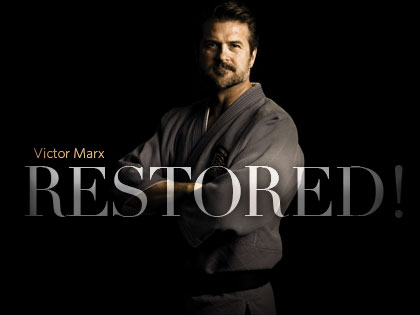
Victor Marx “A Warrior for Christ” From Victim to Victory

Video – Victor Mark’s testimony is one of the redemptive power of God

Nothing is impossible for God! He is the restorer and healer of all things, if you give it to Him.

Victor Marx is a remarkable figure who has dedicated his life to humanitarian efforts and helping those trapped in devastating circumstances, including victims of human trafficking. Overcoming his own traumatic childhood of serious abuse and neglect, he transformed his pain into a mission to bring hope and restoration to others.

Through his organisation, All Things Possible Ministries, Victor works in high-risk areas, including war zones and regions plagued by human trafficking, to rescue and rehabilitate those in need. His ministry has impacted tens of thousands of lives, including children and survivors of abuse, as well as prisoners through his outreach programmes. His work exemplifies courage, faith, and perseverance.

Victor Marx is also a devoted family man with over 34 years of marriage, five children, and five grandchildren. He shares his wisdom and experiences to inspire others, blending his military discipline, faith, and compassionate outlook to build successful relationships and empower individuals to thrive despite life’s challenges.

Notable Quotes by Victor Marx:

“Kids who are born in the fire , will not be burned by the heat of life”

“Forgiveness is giving up your right to hurt someone back for hurting you.”

“Forgiving: gaining real estate in your heart to both give and receive love”

Support

To support Victor Marx’s ministry and his mission to bring hope, freedom, and restoration to those in desperate need, consider contributing to All Things Possible Ministries: Support

Outstanding interviews with Victor Marx at the Shaun Ryan show

Part 1 – How Victor became the Guinness book of records fastest gun disarmer in the world

Part 2 – Overcoming childhood terror

Part 3 – How big tech and AI influence child predators

Helpful Posts:

Trusting God to Heal the Scars of Sexual Abuse

8 Steps to Forgiveness and Learning How to Forgive

Who I am in Christ

———————

*** By Lori McPherson / Photo: Outreach magazine / YouTube Video Victor Marx / Victor Marx book: The Dangerous Gentlemen