6 Hidden Forms of Adultery: Betrayal Beyond the Physical Act

Adultery is often equated with physical infidelity, such as engaging in sexual relations outside of a committed relationship. However, adultery can manifest in various forms beyond the physical act. In today’s digital age and evolving relationship dynamics, emotional, mental, and virtual infidelities can be just as damaging as any physical transgression. Understanding these non-physical forms of infidelity is crucial for recognizing the many ways in which trust can be violated within a relationship.

1. Emotional Infidelity

One of the most common forms of non-physical adultery is emotional infidelity. This occurs when a person develops an intimate emotional connection with someone outside of their committed relationship. Friendships with the opposite sex, though often perceived as innocent, can unknowingly foster this type of bond. Emotional infidelity involves sharing deep personal thoughts, feelings, and experiences with someone other than a spouse. While it may not involve physical contact, the emotional closeness formed can lead to feelings of betrayal, especially when the intimacy shared with a friend mirrors or even surpasses the closeness meant for the partner. This shift in emotional focus creates distance in the primary relationship, leading to tension, dissatisfaction, and a slow breakdown of trust.

Many physical affairs begin as emotional infidelity. A strong emotional connection creates a foundation for attraction, making individuals more vulnerable to temptation. Men and women were designed to be attracted to each other, meaning that these so-called “harmless” friendships are often anything but. When a man or woman spends increasing amounts of time with a friend of the opposite sex instead of investing that time in their spouse, it’s not just a misplaced priority—it’s an erosion of the marriage. That time should be strengthening the marital bond, not fostering closeness with someone else.

The danger lies in the fact that, more often than not, one person in the friendship is being dishonest—whether with themselves or their friend. They may claim the relationship is purely platonic, but deep down, they’re waiting for an opportunity. They stay in the wings, hoping that one day a door will open—perhaps when the marriage hits a rough patch or when the emotional bond between the spouses weakens—and they can slide in. This is why emotional infidelity is so deceptive. It doesn’t happen in an instant but through small compromises over time, until the lines between friendship and something more are completely blurred.

Bible Verse:

“The heart is deceitful above all things, and desperately wicked; who can understand it?” – Jeremiah 17:9 (Emotional attachments can distort the heart and create hidden paths to betrayal.)

2. Online or Virtual Infidelity

With the rise of digital communication, the line between platonic interaction and infidelity has blurred. Online or virtual infidelity refers to engaging in flirtatious or sexual conversations with someone outside the relationship through social media, messaging apps, or online dating platforms. These interactions, while not physically intimate, can form emotional or sexual bonds that undermine trust. Often, this kind of behavior is hidden, which makes it even more damaging. The anonymity and distance provided by digital platforms can also lead to behaviors that would not otherwise occur in person.

Bible Verses:

“But I tell you that anyone who looks at a woman lustfully has already committed adultery with her in his heart.” – Matthew 5:28 (This highlights how virtual or emotional acts can be as damaging as physical ones when they involve lust or attraction outside of the marriage.)

“You have heard that it was said, ‘You shall not commit adultery.’ … – Matthew 5:27

3. Sexual Fantasies about Someone Else

Though often overlooked, sexual fantasies about someone other than a partner can also be considered a form of adultery. While thinking about someone else sexually does not involve direct action, it can signify a lack of emotional and sexual connection with the primary partner. Repeated fantasies about another person can cause emotional distress, especially if they become a focal point of desire or attention. When sexual thoughts stray far from the partner, it leads to a disconnection or dissatisfaction within the relationship, it is also a form of betrayal.

Bible Verses:

“But each person is tempted when he is lured and enticed by his own desire. Then desire when it has conceived gives birth to sin, and sin when it is fully grown brings forth death.” – James 1:14-15 (This verse speaks to how lustful thoughts can lead to destructive actions, even if not physically acted upon.)

“Let marriage be held in honor among all, and let the marriage bed be undefiled; for God will judge the sexually immoral and adulterous.” – Hebrews 13:4

4. Secretive Behavior or Deception

A common way that adultery can occur without physical acts is through secretive behavior or deception. This could involve hiding communications with someone outside the relationship, such as secret text messages, phone calls, or meetings. Even if these interactions are not overtly romantic, the fact that they are kept hidden can breed a sense of dishonesty or betrayal. The lack of transparency can erode trust and make the other partner feel disrespected, as it undermines the integrity of the relationship, even without any physical intimacy.

Bible Verses:

“For nothing is hidden that will not be made manifest, nor is anything secret that will not be known and come to light.” – Luke 8:17 (All secret actions will eventually come to light, and the damage done is often just as harmful as physical acts of infidelity.)

5. Inappropriate Touching or Flirting

While not as overt as full physical infidelity, inappropriate touching or flirting with someone outside the relationship can also constitute adultery. This behavior might involve leading someone on, engaging in flirtatious conversations, or even inappropriate physical contact, such as touching that is more intimate than what would be acceptable in a platonic setting. Such actions can erode the boundaries of the relationship, creating confusion. It may not be “cheating” in the traditional sense, but it certainly reflects a disregard for the emotional safety and trust of the partner.

Bible Verse:

“Flee from sexual immorality. Every other sin a person commits is outside the body, but the sexually immoral person sins against his own body.” – 1 Corinthians 6:18 (The Bible encourages fleeing from sexual temptation in all forms, whether physical or emotional.)

6. Using Pornography or Seeking Other Sexual Content

In many relationships, seeking out pornography or other forms of sexual content can be viewed as a form of infidelity. For some people, the use of pornography can signify emotional or sexual dissatisfaction in the relationship. If one partner seeks out these materials in secret or uses them as a substitute for intimacy within the relationship, it can create a rift between partners. The partner might feel neglected, replaced, or unimportant, leading to a breakdown in intimacy and trust. In this case, the betrayal is not physical, but the emotional impact can be profound.

Bible Verses:

“I made a covenant with my eyes not to look lustfully at a young woman.” – Job 31:1 (This verse speaks to the importance of protecting one’s thoughts and avoiding lustful images, which is often the core issue with pornography.)

“For God will judge the sexually immoral and adulterous.” – Hebrews 13:4 (The use of pornography often constitutes sexual immorality, which the Bible warns against.)

Conclusion

While physical infidelity remains the most recognized form of adultery, it is important to understand that betrayal can occur in many other ways. Emotional connections, online interactions, secretive behaviors, and even mental or sexual distractions can all serve to undermine the trust and intimacy of a relationship. In many cases, these actions are forms of emotional betrayal, as they erode the bond between partners and leave lasting scars on the relationship.

A good rule of thumb to remember is this: if you wouldn’t say or do something in front of your spouse, then it’s likely not appropriate. This can serve as a clear boundary to help avoid crossing lines that may hurt your partner emotionally or otherwise. However, some individuals may knowingly disregard these boundaries, which only further damages the relationship.

One of the most overlooked yet dangerous forms of emotional betrayal is developing close friendships with the opposite sex. What starts as an innocent connection can quickly evolve into misplaced emotional intimacy. Time spent confiding in or prioritizing a friend over one’s spouse slowly weakens the marriage. These friendships often involve at least one person who secretly hopes for an opportunity—waiting for a weak moment to slide in when the marriage faces challenges. The reality is that men and women are naturally drawn to one another, and ignoring this truth can lead to dangerous compromises.

To protect a relationship from these hidden forms of infidelity, couples must set firm boundaries. This includes avoiding excessive time alone with friends of the opposite sex, keeping conversations appropriate and transparent, and ensuring that emotional support comes from the marriage rather than outside relationships. Open communication, mutual respect, and clear boundaries are essential in maintaining a healthy, trustworthy partnership. Recognizing these subtler forms of infidelity allows couples to address potential issues early and protect the integrity of their relationship.

————-

** More on this topic, tangible ways to discern the signs of adultery “discerning adultery” video by Bindi Marc / Photo by Cottonbro studio at Pexels

Understanding Familiar Spirits: Demons Imitating Loved Ones

In the Bible, familiar spirits are deceptive entities, often believed to be demons, that imitate deceased loved ones. These spirits don’t just appear randomly—they are closely connected to families and individuals, having observed them for years. They know personal details and can mimic the voices, personalities, and behaviors of family members or loved ones, making them incredibly convincing. Their primary goal is to deceive, mislead, and pull people away from the truth of God.

The Bible and Familiar Spirits

The Bible warns against interacting with familiar spirits. In Leviticus 19:31, God tells His people, “Regard not them that have familiar spirits, neither seek after wizards, to be defiled by them: I am the LORD your God.” This warning is clear: communicating with the dead or trying to summon spirits is forbidden because it opens the door to demonic influence.

One of the most notable biblical stories that shows the danger of familiar spirits involves King Saul. In 1 Samuel 28, Saul, desperate for guidance after God stopped speaking to him, visits the Witch of Endor. He asks her to summon the spirit of the prophet Samuel. However, instead of Samuel, a deceptive spirit appears, giving Saul false counsel. This interaction leads to Saul’s eventual downfall, proving how dangerous it is to consult spirits, even if they appear to be loved ones or revered figures.

How Demons Imitate

Demons have been around for a long time. They observe families and individuals over many years, which allows them to learn details about people’s lives. By using this knowledge, demons can impersonate deceased family members with alarming accuracy. They may appear as a deceased parent, sibling, or friend, speaking in ways that feel familiar, even down to their tone of voice and mannerisms. These imitations can be so convincing that it’s easy to believe the spirit is truly the loved one.

However, the Bible warns that these spirits are not the souls of the dead but rather demonic forces trying to deceive. In 2 Corinthians 11:14, it says, “And no marvel; for Satan himself is transformed into an angel of light.” This means that Satan and his demons can disguise themselves as something good, something comforting, to mislead people.

The Role of Satan: A Deceiver and Murderer

Satan’s primary aim is to deceive. Jesus Himself described Satan in John 8:44 as “a murderer from the beginning, and abode not in the truth, because there is no truth in him.” Satan uses lies, manipulation, and deception to lead people away from God. He doesn’t come with obvious evil; instead, he often appears as an “angel of light”—something good, something trustworthy. This makes him incredibly dangerous, as people are more likely to follow his lies if they seem like truth.

Familiar spirits, then, are just one of Satan’s many tools. They disguise themselves as familiar, comforting figures to gain a person’s trust, making them more likely to follow their false messages. They may claim to bring messages from beyond the grave or offer advice, but in reality, their only goal is to lead people astray.

The Bible’s Truth About Life After Death

The Bible clearly teaches that after death, a person’s fate is determined. Hebrews 9:27 states, “It is appointed unto men once to die, but after this the judgment.” There is no biblical support for the idea that the dead can return to communicate with the living (Ecclesiastes 9:5-6, Job 7:9-10, Isaiah 8:19). Instead, Scripture indicates that the souls of the deceased are either in God’s presence (Philippians 1:23, 2 Corinthians 5:8, Luke 23:43) or in a place of waiting, anticipating final judgment (Luke 16:22-23, 2 Peter 2:9, Revelation 20:12-15).

Any spirit that appears to be a deceased person is not truly their soul but rather a deceptive manifestation meant to mislead. Matthew 22:32 affirms this distinction, where Jesus says, “I am the God of Abraham, and the God of Isaac, and the God of Jacob. God is not the God of the dead, but of the living.” This passage emphasizes the separation between the living and the dead, reinforcing that once someone has passed away, they do not return to interact with the living.

How Familiar Spirits Manifest

Familiar spirits are not limited to appearing in human form; they manifest in many ways to create an emotional bond with the grieving person. These spirits have studied their target families for years, allowing them to replicate sounds, smells, appearances, and behaviors that make their deception seem more genuine.

1. Scents:

One of the most common ways familiar spirits manifest is through the use of scent. People who have lost a loved one might suddenly experience a familiar smell—such as a favorite perfume, cigarette smoke, or a unique scent that reminds them of the deceased. These smells can be incredibly powerful, evoking vivid memories and feelings of closeness. For instance, someone who recently lost a mother might suddenly smell her perfume or cooking odors from her favorite dish. While the scent seems comforting, it is important to recognize that this is a demonic attempt to manipulate emotions and reinforce the illusion that the deceased is still present.

2. Ghostly Appearances:

Familiar spirits are also known to appear as ghostly figures. People often report seeing shadows or apparitions of loved ones shortly after their passing. These ghostly figures might appear in dreams or even in the waking world, seeming to stand in the corner of a room or walk through a house. For those in deep mourning, these experiences can feel very real, and the person may believe their loved one is reaching out from the beyond. But these “ghosts” are actually demons using the appearance of the deceased to deceive and distract the grieving person from the truth.

3. Dreams and Visions:

Dreams are another common way for familiar spirits to interact with the living. A person grieving a loss may have vivid dreams in which the deceased loved one appears, offering advice, comfort, or even warnings. These dreams can seem incredibly realistic, and the emotional bond between the dreamer and the deceased can make them feel even more genuine. In these dreams, the loved one may speak words of reassurance or say something familiar, like “I’m okay now” or “Don’t worry, I’m watching over you.” These spirits often use dreams to sow confusion, making the person believe their loved one is still trying to communicate, when in fact, it is a demonic deception meant to mislead.

How to Protect Yourself from Deception

The Bible calls believers to resist the deceptive tactics of familiar spirits and to seek God’s protection. During times of grief, it is tempting to look for comfort anywhere, but turning to familiar spirits for solace is spiritually dangerous. Instead, God encourages us to find comfort in Him alone.

Ephesians 6:11 tells believers, “Put on the whole armor of God, that ye may be able to stand against the wiles of the devil.” The armor of God includes prayer, reading Scripture, and relying on the strength of the Holy Spirit to resist demonic influence. These spiritual practices help believers stay grounded in the truth, which protects them from the lies of familiar spirits.

Psalm 34:18 offers a promise for those grieving: “The LORD is near to the brokenhearted and saves those who are crushed in spirit.” God’s healing is the true comfort that grieving hearts need, not the false solace offered by familiar spirits.

It is also important to avoid any practice of necromancy, seeking contact with the dead, or consulting mediums. These practices open doors for demonic influence and bring spiritual danger. Instead, seek God’s Word and prayer to find peace and healing during grief.

Conclusion

Familiar spirits are one of the many ways Satan tries to deceive and lead people astray. These demons can imitate family members or loved ones who have passed away, using their knowledge of your life to appear genuine. However, the Bible teaches that once someone dies, they are either with God or awaiting judgment. Any spirit that pretends to be a loved one is a lie meant to deceive you. To protect yourself, it’s important to stay grounded in God’s truth and avoid seeking out spirits, trusting instead in His Word and guidance.

——————-

*** By Karl Byron at Pexels

Breaking Free from the Orphan Spirit, Self-Pity, and Victim Mentality

The spirit of self-pity is a powerful and deceptive force that keeps people trapped in cycles of discouragement, victimhood, and isolation. It is a subdivision of the orphan spirit, which operates through feelings of rejection, abandonment, and a lack of true identity in Christ. While the orphan spirit causes people to feel fatherless—struggling with belonging and love—the spirit of self-pity keeps them focused on their pain, disappointments, and perceived injustices rather than on God’s truth and healing.

The world is filled with people who, despite their successes or outward confidence, struggle with a deep-rooted sense of rejection, abandonment, and victimhood. This unseen yet powerful force is often referred to as the orphan spirit—a mindset that convinces people they are alone, unwanted, and must fight for everything on their own.

Closely tied to this is the spirit of self-pity and victim mentality, which leads individuals to dwell on past hurts, blame others for their struggles, and believe that life is unfairly stacked against them. But there is good news: God never intended for us to live as orphans, slaves to our past, or prisoners of self-pity. Through Christ, we are offered sonship, freedom, and identity as beloved children of God. This article explores the orphan spirit, its effects, and how we can fully embrace our God-given identity through the renewal of our minds.

Understanding the Spirit of Self-Pity and Victim Mentality

Characteristics of the Spirit of Self-Pity

1. Victim Mentality – A person under this influence constantly feels like life is unfair, that others are against them, and that they are always on the receiving end of mistreatment.

2. Emotional Paralysis – Instead of seeking healing or moving forward, self-pity keeps people stuck in their wounds, reliving past hurts instead of embracing growth.

3. Attention-Seeking Behavior – Those struggling with self-pity may often seek affirmation from others, hoping to receive sympathy rather than seeking true healing from God.

4. Resentment and Bitterness – When self-pity goes unchecked, it can turn into deep resentment toward God and others, leading to an inability to forgive.

5. Isolation and Loneliness – It convinces people that no one understands them or cares, reinforcing the orphan spirit’s lie that they are alone.

How It Ties into the Orphan Spirit

The orphan spirit makes people feel unloved, unwanted, and abandoned, leading them to seek identity and worth outside of God. The spirit of self-pity then feeds off this orphan mindset, reinforcing the idea that “no one cares” or “God has forgotten me.” This combination prevents people from embracing their identity as sons and daughters of God, keeping them in bondage to their emotions, past experiences, and negative perceptions of life.

Understanding the Orphan Spirit

The orphan spirit is not just about being physically fatherless; it is a spiritual condition that makes people feel abandoned, rejected, and unworthy. Those who struggle with this spirit often:

• Feel like they must earn love and approval

• Live in constant fear of rejection

• Have difficulty trusting others, including God

• Struggle with deep-seated insecurities

• Operate in self-reliance rather than surrender to God

This mindset is dangerous because it keeps people from fully embracing the love and security that God offers. Instead of seeing themselves as sons and daughters of God, they see themselves as outsiders looking in—never truly belonging.

Romans 8:15 (NIV) – “The Spirit you received does not make you slaves, so that you live in fear again; rather, the Spirit you received brought about your adoption to sonship. And by him we cry out, ‘Abba, Father.’”

God calls us His children, not orphans. To live in an orphan spirit is to deny the full inheritance and identity He has given us.

How Family Wounds Contribute to the Orphan Spirit

The Connection Between the Orphan Spirit, Self-Pity, and a Victim Mentality

Many people struggle with the orphan spirit, self-pity, and a victim mentality because of deep wounds from past relationships—especially with parents, family, or authority figures. When we experience rejection, neglect, or abandonment, it can shape how we see ourselves, how we relate to others, and even how we view God.

These wounds can make us feel like:

We are unloved or not good enough.

We must strive for approval and prove our worth.

No one truly understands or cares about us.

We are alone, with no one to protect or provide for us.

If these wounds are not healed, they can open the door for the orphan spirit, leading to self-pity and a victim mentality.

1. How Family Wounds Create the Orphan Spirit

Many struggles with identity and self-worth begin in childhood, often due to broken relationships with fathers, mothers, or caregivers.

Father Wounds

The father’s role is to provide love, protection, guidance, and affirmation. If a father was absent, neglectful, abusive, or emotionally distant, it can lead to:

Feeling unwanted or rejected—leading to an orphan spirit.

Struggling to trust authority—thinking that leadership will always fail or abandon you.

Seeking approval through performance—believing love must be earned.

Fear of rejection—assuming others will eventually leave or betray you.

How This Affects Your Relationship with God:

• You may struggle to see God as a loving, trustworthy Father.

• You might think you have to earn God’s love instead of receiving it freely.

• You may feel that God is distant, silent, or uninterested in your struggles.

Mother Wounds

A mother provides nurturing, comfort, and emotional security. If a mother was overly critical, absent, or emotionally unavailable, it can cause:

Insecurity and low self-worth—feeling like you’re never “good enough.”

Fear of abandonment—leading to clinginess or extreme independence.

Seeking validation from unhealthy relationships—trying to fill the emotional void.

Self-pity and emotional instability—constantly feeling rejected or unloved.

How This Affects Your Relationships:

• You may struggle with emotional intimacy, either fearing closeness or becoming overly dependent.

• You may seek constant validation from others, feeling empty without external approval.

• You might have difficulty receiving love, believing you are unworthy of it.

Family and Generational Patterns

Beyond parents, family culture can reinforce the orphan spirit. If you grew up in an environment of:

Dysfunction, brokenness, or divorce—you may feel unsafe and abandoned.

Comparison or favoritism—you may feel unseen or unworthy.

Emotional or physical abuse—you may struggle with fear, anger, or self-hatred.

How This Affects Your Mindset:

• You may develop a victim mentality, feeling like life is unfair and always against you.

• You may live in self-pity, believing you will never be loved, helped, or valued.

• You may expect rejection and failure, making it hard to trust or take risks.

How the Orphan Spirit Leads to Self-Pity and a Victim Mentality

When people experience deep wounds, they often feel powerless and abandoned, which can lead to self-pity and a victim mindset.

Signs of Self-Pity & Victim Mentality:

Blaming Others – Feeling like your life is unfair because of what others have done to you.

Feeling Powerless – Believing that you can’t change your life or move forward.

Constantly Seeking Sympathy – Wanting people to feel sorry for you instead of seeking healing.

Resisting Accountability – Rejecting correction because it feels like further rejection.

Fearing Rejection – Assuming that people will abandon or betray you.

Living in the Past – Focusing on past hurts instead of God’s healing and future plans.

Self-pity keeps you trapped because it shifts focus from healing to hopelessness. It makes people believe:

• “No one understands me.”

• “Nothing ever goes right for me.”

• “I’ll always be broken, rejected, or abandoned.”

But these are lies from the enemy! God has called you to freedom, healing, and victory.

Self-Assessment: Do You Have an Orphan Spirit or a Spirit of Sonship?

Orphan Spirit vs. Sonship Questionnaire

This questionnaire is designed to help identify whether someone is operating from an orphan spirit or living in the sonship that God has given through Christ. Answer each question honestly.

Part 1: Identity & Relationship with God

1. Do you struggle to believe that God truly loves and accepts you?

• □ Yes (Orphan)

• □ No (Sonship)

2. Do you feel like you have to earn God’s love through performance, good works, or striving?

• □ Yes (Orphan)

• □ No (Sonship)

3. When you sin or make a mistake, do you feel like you must hide from God or that He is angry with you?

• □ Yes (Orphan)

• □ No (Sonship)

4. Do you see yourself as God’s beloved child, or do you feel more like a servant/slave in His kingdom?

• □ I feel more like a servant (Orphan)

• □ I know I’m His beloved child (Sonship)

Part 2: Relationship with Others

5. Do you often compare yourself to others, feeling either inferior or superior?

• □ Yes (Orphan)

• □ No (Sonship)

6. Do you struggle with jealousy or competition, feeling the need to prove yourself?

• □ Yes (Orphan)

• □ No (Sonship)

7. Do you have trouble trusting others, fearing that they will reject or abandon you?

• □ Yes (Orphan)

• □ No (Sonship)

8. Do you struggle with receiving love, encouragement, or correction from spiritual leaders or mentors?

• □ Yes (Orphan)

• □ No (Sonship)

Part 3: Emotional and Mental State

9. Do you often feel lonely, unwanted, or like you don’t belong?

• □ Yes (Orphan)

• □ No (Sonship)

10. Do you battle self-pity, feeling like no one understands or cares about you?

• □ Yes (Orphan)

• □ No (Sonship)

11. Do you live with a constant fear of failure, rejection, or abandonment?

• □ Yes (Orphan)

• □ No (Sonship)

12. Do you feel secure in your identity in Christ, knowing you are loved regardless of circumstances?

• □ No (Orphan)

• □ Yes (Sonship)

Part 4: Spiritual Growth & Freedom

13. When you pray, do you feel like a child talking to their loving Father, or do you feel distant from God?

• □ Distant/Disconnected (Orphan)

• □ Close/Intimate (Sonship)

14. Do you struggle with condemnation and guilt, or do you walk in the confidence of God’s grace?

• □ I struggle with guilt (Orphan)

• □ I walk in grace (Sonship)

15. Do you serve God out of love and joy, or out of duty and obligation?

• □ Duty/Obligation (Orphan)

• □ Love/Joy (Sonship)

How to Evaluate Your Answers

• If you answered mostly “Orphan”, it’s likely that the orphan spirit is influencing your thoughts, emotions, and actions. But the good news is that God is calling you into freedom, identity, and sonship!

• If you answered mostly “Sonship”, you are walking in your identity as a child of God, but continue to grow in His love and confidence.

Would you like help in moving from an orphan mindset to fully embracing your sonship in Christ?

Reborn and Led by The Spirit

As born-again Christians, we are spiritually reborn and called to live by the Spirit, not by the mindset of the world. Galatians 3:26-29 states:

“For you are all sons of God through faith in Christ Jesus. For as many of you as were baptized into Christ have put on Christ. There is neither Jew nor Greek, there is neither slave nor free, there is neither male nor female; for you are all one in Christ Jesus. And if you are Christ’s, then you are Abraham’s seed, and heirs according to the promise.”

This passage reminds us that in Christ, we are a new creation, no longer bound by worldly divisions, labels, or old identities. The orphan spirit—including self-pity—is tied to the old way of thinking, where people define themselves by past wounds, social status, or human identity rather than their identity in Christ.

Renewing the Mind and Overcoming the Orphan Spirit

Romans 12:2 emphasizes this transformation:

“Do not be conformed to this world, but be transformed by the renewing of your mind, that you may prove what is that good and acceptable and perfect will of God.”

This renewal happens through:

1. Obeying the Holy Spirit – The Spirit leads us into truth, teaching us to reject self-pity, fear, and an orphan mindset. (John 16:13)

2. Thinking Differently from the World – The world teaches us to dwell on pain, offense, and injustice, but we are called to focus on God’s truth, love, and purpose. (Colossians 3:2)

3. Walking in Sonship – Instead of acting like spiritual orphans—seeking validation, striving, or feeling abandoned—we rest in the reality that we are God’s children, fully loved and accepted. (Romans 8:15-17)

Living as Spirit-Led, Reborn Christians

If we truly follow the leading of the Holy Spirit, we won’t allow self-pity, victimhood, or worldly thinking to dominate our lives. Instead, we will:

Walk in boldness and confidence in our identity as children of God.

Refuse to dwell on past hurts because we know we are healed and redeemed.

See ourselves as God sees us—not by worldly status, race, or background, but as part of God’s kingdom.

Live in gratitude and faith, knowing that we are heirs of the promise.

How to Practically Walk in Sonship and Reject the Orphan Spirit

Living as a renewed, Spirit-led believer means intentionally rejecting old thought patterns and embracing our identity in Christ daily. Here’s how you can walk this out practically:

Renew Your Mind Daily with God’s Word

• Meditate on Scripture – Read and declare verses about your identity in Christ, such as:

• Romans 8:15-17 – “You have received the Spirit of adoption, by whom we cry, ‘Abba, Father!’”

• Ephesians 1:4-5 – “He predestined us for adoption to Himself as sons through Jesus Christ.”

• Replace Lies with Truth – Whenever thoughts of self-pity, rejection, or fear come, speak God’s truth over yourself.

Breaking Free from the Spirit of Self-Pity

1. Recognise It as a Spiritual Battle

Self-pity is not just an emotional issue; it is a spiritual stronghold that must be confronted with truth. The enemy uses self-pity to keep people inward-focused and defeated, but God calls us to walk in faith, freedom, and victory (2 Corinthians 10:4-5).

2. Repent and Renounce It

Acknowledge self-pity as a sinful mindset that contradicts God’s promises. Repent for believing the lies of the enemy, renounce self-pity in prayer, and ask for God’s forgiveness.

3. Embrace Your Identity in Christ

The antidote to the orphan spirit is sonship. God has not left us as orphans—He calls us His beloved children:

“For you did not receive the spirit of bondage again to fear, but you received the Spirit of adoption by whom we cry out, ‘Abba, Father.’” (Romans 8:15)

Meditate on scriptures that affirm God’s love and your position as His child (Galatians 4:7, John 1:12).

4. Shift Focus to Gratitude

Self-pity thrives on what is lacking, but gratitude shifts the focus to God’s blessings and faithfulness.

“In everything give thanks; for this is the will of God in Christ Jesus for you.” (1 Thessalonians 5:18)

Start keeping a gratitude journal—write down daily testimonies of God’s goodness.

5. Engage in Spiritual Warfare

Pray against the stronghold of self-pity and declare God’s truth over your life. Use scriptures like:

• Isaiah 41:10 – “Do not fear, for I am with you; do not be dismayed, for I am your God.”

• 2 Timothy 1:7 – “For God has not given us a spirit of fear, but of power, love, and a sound mind.”

• Psalm 147:3 – “He heals the brokenhearted and binds up their wounds.”

6. Seek Godly Community

Isolation fuels self-pity, but healing happens in community. Surround yourself with believers who will encourage you, speak life into you, and hold you accountable.

Walking in Freedom and Sonship

The spirit of self-pity is a deceptive tool of the enemy, keeping people trapped in pain and powerlessness. But God calls His children to live in freedom, faith, and fullness.

By rejecting self-pity and embracing God’s love and truth, we can break free from the orphan spirit and walk in our true identity as beloved sons and daughters of God.

Declare This Today:

“I am not an orphan! I am a child of God, loved, accepted, and chosen. I reject self-pity, and I walk in the fullness of God’s promises for my life!”

God has not forgotten you. He has not abandoned you. You are His child—chosen, loved, and set apart for His glory.

It’s time to rise above self-pity, cast off the orphan spirit, and step into the abundant life Christ has for you.

Recognize the Lies & Replace Them with Truth

The enemy uses wounds from the past to make us believe we are alone, rejected, or unworthy. But God’s Word says:

Lie: “I am alone.” → Truth: “God will never leave me nor forsake me.” (Deuteronomy 31:6)

Lie: “I have to earn love.” → Truth: “I am accepted in the Beloved.” (Ephesians 1:6)

Lie: “I will always be rejected.” → Truth: “Nothing can separate me from God’s love.” (Romans 8:38-39)

Lie: “My past defines me.” → Truth: “Anyone in Christ is a new creation.” (2 Corinthians 5:17)

These truths from God’s Word help break the power of the orphan spirit and victim mentality. Whenever you hear the lies of the enemy, counter them with God’s truth. Remember, you are loved, accepted, and chosen by God.

Forgive & Let Go of the Past

One of the biggest ways the orphan spirit and self-pity hold people captive is through unforgiveness. To fully walk in freedom, you must release any bitterness, resentment, or pain from your past.

Forgive parents or family members who hurt you.

Forgive yourself for any wrong choices you’ve made.

Forgive God if you have felt like He abandoned you.

Prayer for Forgiveness:

“Father, I forgive those who have hurt me. I release them from any debt they owe me. I choose to walk in freedom, not in bitterness. Heal my heart and fill me with Your love. In Jesus’ Name, Amen.”

Conclusion: Embracing Your True Identity in Christ

Healing from the orphan spirit, self-pity, and victim mentality requires recognizing the lies that have held you captive and replacing them with God’s truth. These deceptive forces keep individuals trapped in cycles of rejection, discouragement, and powerlessness. However, through Christ, we are no longer orphans—we are beloved sons and daughters of God, fully accepted and deeply loved. This journey involves forgiving those who have hurt you, forgiving yourself, and allowing God to heal the wounds of your past. As you embrace your true identity, you will experience the freedom, love, and peace that only He can offer, walking in the fullness of His promises and living in the victory He has already secured for you.

Final Declaration:

I reject the orphan spirit, self-pity, and victim mentality. I embrace my identity as a beloved child of God. I walk in freedom, victory, and the fullness of His promises for my life!”Now is the time to rise up, shake off the chains of the past, and step boldly into your God-given destiny. You are no longer an orphan. You are a beloved child of God, free and victorious in Christ, walk in the power of that truth!

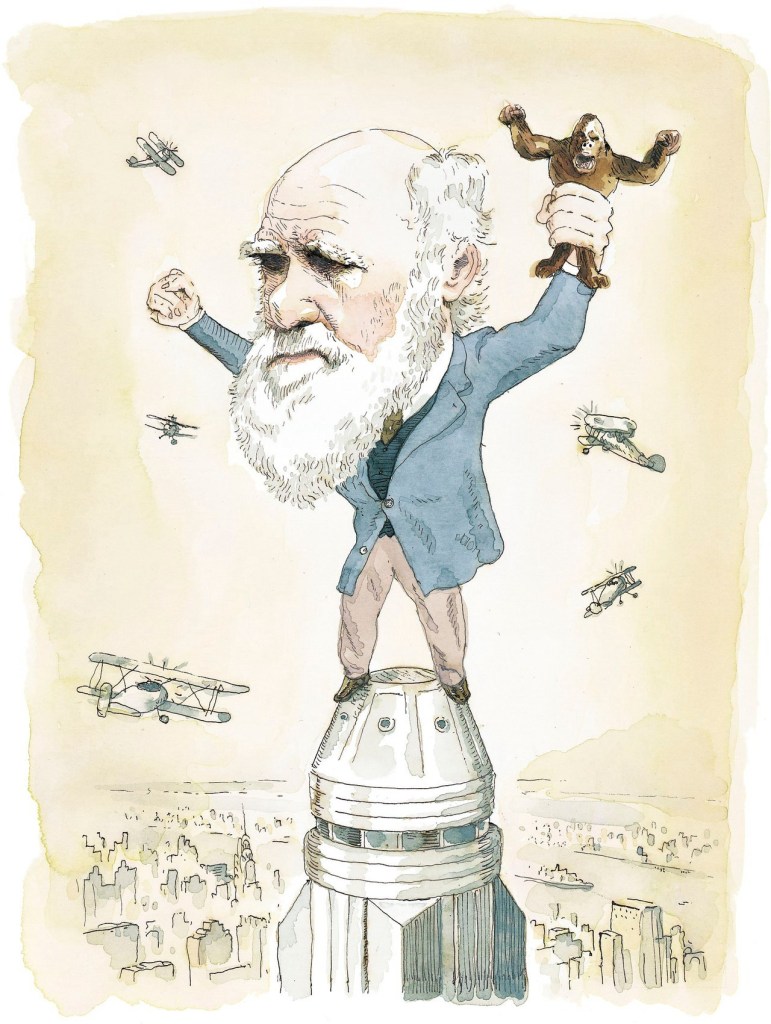
The Case of Charles Darwin: The Danger of Opposing God

Charles Darwin was given life, intelligence, and opportunity by God—but instead of using his gifts for God’s glory, he used them to oppose the very One who created him. With the brain God gave him, he had the audacity to try to outwit and contradict Almighty God, leading millions into deception. His theory of evolution has caused untold damage, weakening faith, sowing doubt, and giving many an excuse to reject their Creator.

This is a pattern we see throughout history. Margaret Sanger, the founder of Planned Parenthood, promoted wicked ideologies that have led to the deaths of countless unborn children. Like Darwin, she was used by Satan because her heart was not surrendered to God. This is what happens when people reject truth—they open themselves up to be tools for darkness.

The Bible warns in Romans 1:21-22, “For although they knew God, they did not honor Him as God or give thanks to Him, but they became futile in their thinking, and their foolish hearts were darkened. Claiming to be wise, they became fools.”

Darwin, like many others, thought he was pursuing wisdom, but in reality, he was being led astray. Human wisdom that rejects God is foolishness. And the devil knows exactly how to use people who are full of pride and rebellion.

Jesus said in John 8:44, “You are of your father the devil, and your will is to do your father’s desires. He was a murderer from the beginning, and does not stand in the truth, because there is no truth in him.”

Darwin may have thought he was simply following science, but in reality, he was being used to promote a lie that leads people away from God. This is exactly how Satan operates—he fills people with pride and deception so they will spread his rebellion to others.

Darwin’s Spiritual Decline: A Warning for Us All

Darwin started with some belief in God. He was raised in a Christian household and, as a young man, intended to become a clergyman in the Church of England. In fact, he studied theology at Christ’s College, Cambridge, and for a time, he accepted the argument for the design of nature as evidence of God’s existence.

However, as he developed his theory of evolution through natural selection, his religious beliefs began to change. The death of his beloved daughter Annie in 1851 also deeply affected him, contributing to his gradual loss of faith. But over time, instead of seeking God, he allowed doubt and personal pain to harden his heart. Instead of turning to God in his grief, he turned away.

Many people do the same today. They experience suffering and, rather than seeking God for answers, they blame Him and reject Him. But this is dangerous because when someone refuses to humble themselves before God, their heart grows cold, and Satan gains control over them.

The Deception of Religion Without Relationship

Many people, like Charles Darwin, grow up with the outward forms of religion but never experience the transformative power of a relationship with God. The Bible warns about this kind of empty religion in 2 Timothy 3:5, which says:

“Having a form of godliness but denying its power. Have nothing to do with such people.”

This verse describes a religion without power—a “form” that looks like faith but lacks the true transformation that comes from knowing God personally. Darwin, though raised in a Christian home, may have been familiar with Christian teachings and rituals, but he did not know God in the way the Bible describes.

Many today find themselves in similar positions. They attend church, know the Bible stories, and even follow certain Christian customs—but they have never experienced the power of God in their lives. They may think that religious activity can please God, but true Christianity is not about following rituals—it’s about knowing God personally. It’s about God reaching out to us and us responding to Him.

Christianity is unique in that it’s not about our efforts to reach God through rituals or sacrifices. God came to us in the person of Jesus Christ. He lived among us, died for us, and rose again to offer us forgiveness and eternal life. This is not a religion of human effort, but of divine grace. God does not want mere religious rituals—He wants our hearts, a living relationship with us. Jesus wants to know you personally.

In John 17:3, Jesus Himself says:

“This is eternal life, that they know you, the only true God, and Jesus Christ whom you have sent.”

This knowledge is not intellectual—it’s personal, a deep connection with God.

The Deception of Satan: How He Uses “Wisdom” to Lead People Astray

Satan doesn’t just work through obvious evil—he often works through what looks like intelligence and enlightenment. The Bible tells us:

“Satan disguises himself as an angel of light.” (2 Corinthians 11:14)

This means the devil doesn’t always tempt people with open wickedness; sometimes, he deceives them by making lies look like truth. Darwin’s theory, at first glance, seems scientific, but its real goal is to remove God from the picture.

This is Satan’s oldest trick! When he tempted Eve in the Garden of Eden, how did he do it?

“Did God really say…?” (Genesis 3:1)

He planted doubt in Eve’s mind, just as he does today with evolution, humanism, and self-reliance. Satan whispers: “Did God really create everything? Did He really make you? Or did you just evolve? Are you really accountable to a Creator?”

And just like Eve, millions have fallen for this deception. But Jesus said:

“You will know the truth, and the truth will set you free.” (John 8:32)

The truth is, God created everything, and all who reject Him will one day have to stand before Him in judgment.

How Evolution Attacks the Gospel Directly

Many think evolution is just a scientific theory, but it’s actually a direct attack on the gospel of Jesus Christ. Here’s why:

1. If evolution is true, then death existed before sin.

• The Bible teaches that death came as a result of sin (Romans 5:12).

• Evolution, however, claims that death was always part of nature.

• This means if evolution were true, there was no need for Jesus to die for sin—which completely destroys the message of the cross!

2. If humans are just evolved animals, then we have no real moral accountability.

• Without a Creator, people can justify any sin—abortion, sexual immorality, greed, pride—because there’s no “higher standard” to answer to.

• This is why society is in moral collapse—because when people reject God as Creator, they also reject His commandments.

3. It makes people put their faith in “science” instead of in God.

• Evolution is often presented as an undeniable fact, making people trust human theories over divine revelation.

• This is why many lose their faith—because they’re taught that the Bible is just a myth, while evolution is “proven.”

But God’s Word is the final truth, not human theories:

“Let God be true, and every man a liar.” (Romans 3:4)

The entire gospel message depends on the fact that God created us, we sinned, and Christ came to redeem us. Evolution tries to erase this truth, making it one of the most dangerous deceptions of our time.

Darwin’s Influence on Racism and Eugenics

Another devastating effect of Darwin’s ideas is how they contributed to racism and eugenics (the idea of “improving” humanity by eliminating “weaker” groups).

• Darwin’s book The Descent of Man suggested that some races were more evolved than others.

• His cousin, Francis Galton, took these ideas further and founded eugenics, which influenced Nazi ideology and racial supremacy movements.

• Margaret Sanger, the founder of Planned Parenthood, also supported eugenics, believing that certain people were “unfit” to reproduce.

Many don’t realize that Darwin’s ideas fueled some of the worst atrocities in history. The belief in “survival of the fittest” led to the dehumanization of entire groups, including Africans, Jews, and the disabled.

But the Bible says the opposite!

• “From one man, He made all the nations.” (Acts 17:26)

• “God created mankind in His own image.” (Genesis 1:27)

All humans, no matter their race or background, are made in God’s image and have equal worth. But when people reject this truth, they justify evil in ways they never would if they truly believed in the Creator.

The Real Issue: Sin and Rebellion

Darwin’s problem was not intellectual—it was spiritual. The Bible says in Psalm 14:1, “The fool says in his heart, ‘There is no God.’” Rejecting God is not a matter of intelligence but of the heart. People deny God not because they lack evidence but because they love sin and do not want to submit to Him.

Matthew 7:21-23:

“Not everyone who says to me, ‘Lord, Lord,’ will enter the kingdom of heaven, but the one who does the will of my Father who is in heaven. On that day many will say to me, ‘Lord, Lord, did we not prophesy in your name, and cast out demons in your name, and do many mighty works in your name?’ And then will I declare to them, ‘I never knew you; depart from me, you workers of lawlessness.’”

This is the truth: God does not want religious rituals, empty words, or intellectual knowledge. He wants a relationship. It’s not enough to know about God; we must know Him personally. This relationship begins with repentance—turning away from our sin and rebellion—and putting our faith in Jesus Christ, who is the only way to salvation.

True repentance involves acknowledging our sin, realizing that we cannot save ourselves, and surrendering our lives to Jesus as Lord and Savior. Jesus, through His death on the cross, took the punishment for our sin, and through His resurrection, He conquered death, offering us new life. This is the gospel—the good news that Jesus offers forgiveness to all who trust in Him.

The Call to True Faith

If you’ve never put your faith in Jesus, now is the time to make that decision. Repent of your sins, turn to Jesus, and trust in His work on the cross to save you. Jesus is not just a historical figure or a good teacher—He is the Savior, the Son of God, and He offers eternal life to anyone who believes in Him.

Romans 10:9-10 says,

“If you declare with your mouth, ‘Jesus is Lord,’ and believe in your heart that God raised Him from the dead, you will be saved. For it is with your heart that you believe and are justified, and it is with your mouth that you profess your faith and are saved.”

Jesus is the way, the truth, and the life (John 14:6). The only way to escape the penalty of sin, which is eternal separation from God, is through faith in Him. He offers forgiveness, eternal life, and a relationship with the Creator of the universe. It is not about religion; it is about knowing the living God.

Conclusion

Charles Darwin, though gifted with intellect, used his mind to oppose the very Creator who gave it to him. Like many others throughout history, his rejection of God led to devastating consequences—not just for himself, but for countless others. The lie of evolution has permeated society, encouraging people to live without acknowledging their Creator. But the gospel stands as the truth: Jesus Christ is the Creator, the Savior, and the only way to eternal life.

Don’t be deceived by empty religion or false ideologies. Repent and believe in the gospel of Jesus Christ. The world is full of lies, but Jesus is the truth. He calls all who are lost to come to Him and be saved.

“For God so loved the world, that He gave His only Son, that whoever believes in Him should not perish but have eternal life.” (John 3:16)

Choose life in Christ today.

Responding to God’s Call: Salvation, Repentance and Eternal Life

————

** Illustration by Barry Blitt

When God Closes a Door: Understanding Divine Redirection

Life is full of opportunities, but also disappointments. We’ve all experienced moments when a door we wanted to walk through—whether in career, relationships, finances, or ministry—suddenly closes. These closed doors can feel frustrating, confusing, or even painful.

However, God’s closed doors are never without purpose. Throughout the Bible, we see that when God closes a door, it is always for our protection, redirection, or preparation. What seems like a setback is often God’s way of guiding us to something far greater. When we pray for God’s guidance, wisdom and discernment and His will to be done, He hears our prayers and moves accordingly to assist His beloved children.

1. Closed Doors Are a Sign of God’s Guidance

Many people assume that if something is difficult or blocked, it must not be from God. But closed doors are just as much a part of God’s direction as open ones.

In Acts 16:6-10, the Apostle Paul and his companions wanted to preach in Asia and Bithynia, but the Holy Spirit prevented them. It wasn’t because preaching was wrong, but because God had a different plan—He was leading them to Macedonia instead.

Key lesson: When God blocks our path, it’s not rejection; it’s redirection. He may have a different mission, a better opportunity, or a more strategic purpose in mind.

2. Closed Doors Can Be Protection from Harm

Sometimes, we see only what we want, but God sees the full picture. He knows what lies ahead—both good and bad. A closed door might be protecting us from something we cannot see.

A clear example is Noah’s Ark (Genesis 7:16). Before the flood, Noah and his family entered the ark, and the Bible says:

“Then the Lord shut him in.” (Genesis 7:16)

God closed the door, sealing them inside. This wasn’t a punishment—it was protection from the coming storm. Similarly, when God closes a door in our lives, He may be protecting us from a relationship, opportunity, or decision that would bring destruction.

Key lesson: What feels like rejection may actually be divine protection. Trust that God sees what you cannot see.

3. Closed Doors Are an Invitation to Trust God’s Timing

One of the hardest aspects of closed doors is waiting. We often assume that if an opportunity is good, we should have it now. But God’s delays are not His denials.

Take Hannah, for example (1 Samuel 1). She longed for a child, but the Bible says:

“The Lord had closed her womb.” (1 Samuel 1:5-6)

At first, this seemed like an unfair closed door. But in time, Hannah conceived Samuel, one of Israel’s greatest prophets. God wasn’t denying her—He was waiting for the right moment to bless her with a son who would have a lasting impact on Israel’s history.

Key lesson: When God closes a door, He may simply be saying, “Not yet.” His delays are for our good, shaping us for what’s ahead.

4. Closed Doors Help Align Our Hearts with God’s Will

Sometimes, a closed door forces us to re-examine our desires. Are we pursuing something for God’s glory or for our own agenda?

Consider Jonah. God told him to go to Nineveh and preach repentance, but Jonah ran in the opposite direction (Jonah 1:1-3). God closed the door on his escape by sending a storm and a great fish to swallow him. Only after three days in the fish did Jonah finally obey.

God’s closed door (the storm and the fish) forced Jonah to align his heart with God’s purpose.

Key lesson: A closed door can be God’s way of changing our hearts and attitudes to match His plan.

5. When One Door Closes, Another Will Open

A closed door is not the end of the story. Often, when God closes one door, He is already preparing to open another—one that is even better than we imagined.

• David wanted to build the Temple, but God said no (1 Chronicles 17:4). Instead, God allowed Solomon, David’s son, to build it. David’s role was not to construct the temple but to prepare for its future success.

• The foolish virgins in Matthew 25:1-13 found the wedding door closed because they were unprepared. The opportunity had passed. This reminds us to be ready when God opens new doors.

A closed door means God has something else planned—but we must be ready when it comes.

Key lesson: Don’t dwell on the closed door—be ready for the new one that God is preparing.

How Should We Respond to Closed Doors?

1. Seek God in Prayer

Instead of getting frustrated, ask:

✅ “Lord, what are You teaching me through this?”

✅ “Are You protecting me from something?”

✅ “Are You redirecting me to something better?”

2. Trust in God’s Plan and Timing

• Isaiah 55:8-9 – “For my thoughts are not your thoughts, neither are your ways my ways,” declares the Lord.

• Just because we don’t understand doesn’t mean God isn’t working for our good.

3. Keep Moving Forward in Faith

• Paul didn’t stop moving when he was blocked—he kept seeking God’s next step (Acts 16).

• When a door closes, don’t sit still. Keep walking in faith, obedience, and expectation.

Trusting the God of Closed Doors

A closed door is not rejection; it is redirection. It may be God’s way of:

✔ Guiding you to a better plan.

✔ Protecting you from unseen danger.

✔ Aligning your heart with His will.

✔ Preparing you for something greater.

If you’re facing a closed door today, don’t lose heart. Trust that God is working behind the scenes for your good. Instead of focusing on what didn’t happen, start looking for the new doors He is about to open.

—————-

** Photo by Tim Mossholder at Pexels