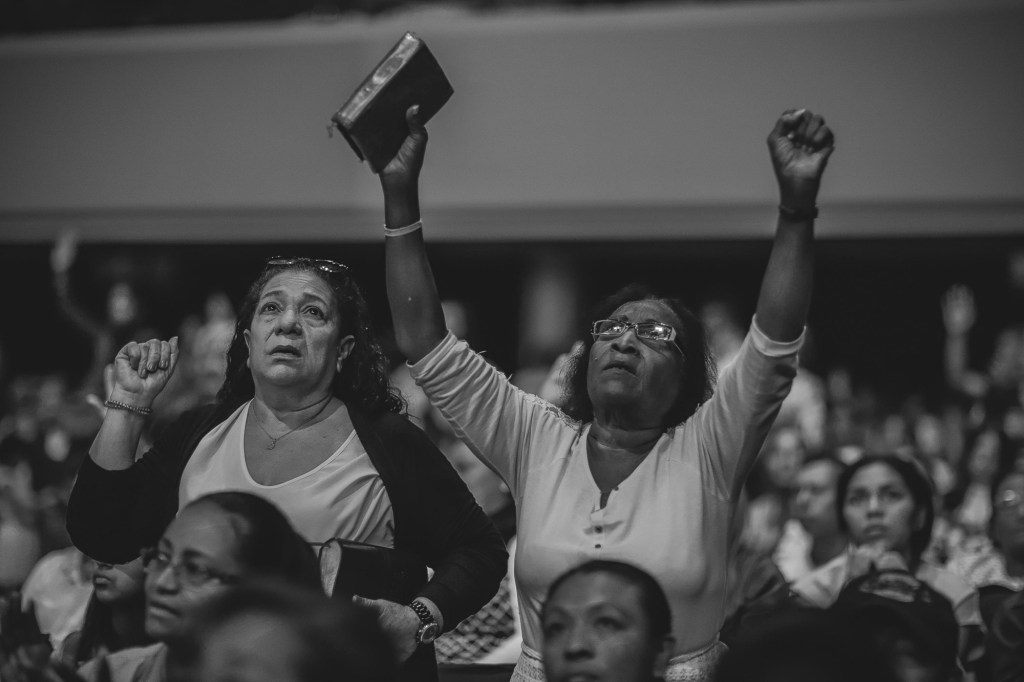
Nothing New Under the Sun: Jezebel and the New Age Movements

“See to it that no one takes you captive by philosophy and empty deceit, according to human tradition, according to the elemental spirits of the world, and not according to Christ.” ~ Colossians 2:8

Wicked women are presented as they truly are in the Bible—without any attempt to sanitize their lives or actions. One such infamous figure is Jezebel, the wife of King Ahab of Israel. She was not a believer in the one true God, and her reign over northern Israel marked the introduction and spread of a false religion—worship of Baal. This religion quickly took hold because Jezebel became a role model for many women of her time. Her religion was rooted in the worship of Baal, or Satan, who is behind all false religions.

To please the queen was politically savvy, so she filled Israel with 850 priests practicing her religion, leading the people further astray. Jezebel’s impact was profound and deeply harmful, as she turned the nation away from the true God.

The Parallels Between Baal Worship and the New Age Movement

“The god of this age has blinded the minds of unbelievers, so that they cannot see the light of the gospel that displays the glory of Christ, who is the image of God.” ~ 2 Corinthians 4:4

Do you want to know what Jezebel’s religion was like? We are witnessing the rise of a similar, swift, and powerful religion sweeping the planet today—the New Age / Golden Age Movement. This belief system, like the false worship of Baal, denies the existence of a personal God who loves His people. Instead, it promotes an impersonal, universal energy force. In the New Age Movement, God can be referred to in many ways— she or he, mother or father, god or goddess, the Earth, the sun, the stars, or even nature itself can be worshipped as God. New Age teachers claim to receive guidance from so-called “spirit guides,” “ascended masters,” “masters of wisdom” “angels,” and “higher beings,” all of whom make up the hierarchy of this movement. They state that some of their guides are angels.

However, Jezebel’s priests, when confronted by the prophet Elijah, were exposed for their reliance on demonic forces – fallen angels, whilst practicing their false religion. Elijah challenged all 850 of them to prove the power of their gods, demonstrating that their supposed deities were powerless before the one true God. When they failed, the false nature of their religion was revealed, along with their demon guides posing as angels.

The New Age Movement bears striking similarities to Jezebel’s worship of Baal. For example, the New Age movement claims that Jesus Christ was merely a reincarnated messenger—not the Son of God. They assert that Christ was sent by the demon hierarchy of angels to provide “spiritually advanced revelations” to their group. In fact, they teach that Jesus is just one of many “Christs,” alongside figures like Buddha, Mohammed, and Confucius. This system accepts anyone who rejects Jesus Christ as the Son of God—whether they are Shintoists, Satanists, Buddhists, secular humanists, witches, or anyone else who doesn’t acknowledge the truth or accept the Christ, and that He is a personal God. They teach that man is not sinful, nor evil, and that Jesus’s sacrifice on the Cross has no meaning, according to them it was meaningless.

Moreover, the New Age Movement denies the existence of sin, judgment, and the need for salvation. Instead, it teaches that humanity has evolved over thousands of years and that there is no need for a savior. This philosophy is the basis of all false religions; rooted in ancient lies, echoing the deceptions of Satan, who hides the reality of judgment, hell, and sin, and all of his followers do the same, because they have been blinded to the truth. It’s no surprise that Jezebel’s actions—her cheating, lying, and murder—were reflections of her allegiance to Satan, the father of lies. Her conscience was so seared with unbelief in the one true God that she had no fear of judgment, she never expected to meet a righteous and holy God one day, who will judge her for things done in the flesh, her thoughts, her deeds and her motives.

Modern Echoes: The Age of Aquarius

Today, the New Age Movement is spreading rapidly, with some even calling it the “Age of Aquarius.” Many people are drawn to its teachings, including secular humanists, witches, Satanists, and celebrities. One prominent TV and movie star has become a spokesperson for the movement, claiming to receive instructions from an ancient being, that tells her things and guides her. This celebrity, like Jezebel, serves as a role model for many, leading others into deception.

The New Age Movement teaches that being “born again” is simply a personal transformation or healing of the self. It says that you must “let go” and allow your “inner guide” or “higher self” to direct your life, without any belief or need for the Holy Spirit and Him indwelling you. They speak of something called “kundalini,” a Hindu term meaning “serpent power,” which has clear connections to Satan. This mimics spiritual experiences, but it is a counterfeit of true Christian transformational quality of the Holy Spirit.

Satan, as always, has counterfeited the things of Jesus Christ and Christianity. The New Age Movement, much like the false prophets in Jezebel’s time, speaks of a “Christ-like” figure who will come to establish a utopian Kingdom of peace on Earth, that he will reign over the new age, bringing about a one world religion and consolidating all nations into one government. This is eerily similar to the Antichrist, who will deceive many and promise a one-world government and a counterfeit peace—something the Bible warns will happen before the true return of Jesus Christ.

Distinguishing Truth from Deception

In a nutshell, here is what the New Age Movement teaches:

• God is impersonal; He is not loving, He can be a he or she, but not the sovereign, holy, and righteous God of the Bible.

• Jesus is not the Son of God, not the Christ and someone greater than Jesus will come, not realising there will be an anti-Christ connected to Satan, who will try to imitate the Christ, as we have been forewarned in scriptures.

• There is no need for being born again, as they reject the Holy Spirit and encourage people to follow their demon guides.

• And about the 2nd coming of Jesus Christ that the anti-Christ will rule in Earth and Heaven is the Kingdom of God during the Age of Aquarius and that it is not a real place, but merely an Earthly utopia.

• There is no sin, judgment, evil or hell.

As believers in Christ, we know these claims are false. We have the truth from the Bible, which tells us that God is our loving Father, He is not a she or a goddess, but the supreme being. Jesus is His only begotten Son, the express image of the invisible God, and salvation comes through Him alone. The Holy Spirit, sent by the Father and the Son, dwells within us, guiding and empowering us to live according to God’s will. Heaven is a real, physical place where God the Father and God the Son reign in glory, and hell is a real and horrible place for those who reject the truth of the gospel. Through the Holy Spirit, we are assured of our salvation and strengthened in our faith as we await eternal life with God. He tells us that angels are messengers of God and named in scripture and He tells us to be born again, by the spirit of God by receiving Jesus as our personal Saviour.

A Call to Stand Firm in the Truth

Throughout history, God has warned His people about false religions. From Jezebel’s priests to the builders of the Tower of Babel, we have seen it through the ages. These instances of idolatry and rebellion against God serve as lessons for us today. Even in Noah’s time, when wickedness was rampant, God had to destroy the world with a flood. This, too, is a forewarning for us today. Jesus Himself tells us in Matthew 24 that when we see the same kinds of lawlessness and rebellion happening again, it is a sign that His return is near.

In Matthew 24:29-30, Jesus speaks of the signs preceding His second coming: “Immediately after the distress of those days, the sun will be darkened, and the moon will not give its light; the stars will fall from the sky, and the heavenly bodies will be shaken. Then will appear the sign of the Son of Man in heaven.”

We know that in the end times, false prophets will rise up to deceive even the elect (Matthew 24:24). Deception has led to destruction throughout the ages, and it will culminate in the final days before Jesus’ return. This New Age Movement, like its predecessors, may fade into the background only to be replaced by another. Yet, there is the real possibility that this movement could lead to the rise of the Antichrist, who will deceive many with promises of peace and a one-world government. Scripture warns us that the Antichrist will set up his rule on Earth, even establishing himself in Jerusalem and claiming to be the Christ (2 Thessalonians 2:3-4). However, we who know the Bible recognize this for the lie that it is.

Jesus warned: “If anyone tells you, ‘There he is, out in the wilderness,’ do not go out; or, ‘Here he is, in the inner rooms,’ do not believe it” (Matthew 24:26). His true return will not be secret or localized. We are told in 1 Thessalonians 4:16-17 that He will descend from heaven with a loud command, with the voice of the archangel, and with the trumpet call of God. The dead in Christ will rise first, and those who are still alive will be caught up to meet Him in the air. This event, known as the rapture, will take place in an instant, in the twinkling of an eye (1 Corinthians 15:52).

Jesus will gather His elect and take them to be with Him for seven years, during which time the Great Tribulation will unfold on Earth. After this period, He will return with His saints to establish His Kingdom on Earth and reign for a thousand years (Revelation 20:4-6). Unlike the false peace promised by the New Age Movement, this will be the true and lasting reign of the Prince of Peace.

We are warned in Scripture that the Antichrist will bring about a false peace and deceive many. Jesus Himself cautioned us against following these lies. We are also reminded of the lessons of history—Jezebel and her false prophets led Israel into idolatry, and the builders of the Tower of Babel sought to defy God’s sovereignty. These stories serve as warnings for us today. Wide is the gate that leads to destruction, but narrow is the gate that leads to life (Matthew 7:13-14).

As believers, we look forward to the Lord’s return. By God’s grace, we will not be caught up in the ecumenical movement or New Age ideologies that attempt to unify all religions and philosophies into one deceptive system. This “Age of Aquarius” promises enlightenment and unity but leads people to follow the Antichrist instead of Christ. The Bible is clear: there can be no lasting peace on Earth until Jesus Himself returns to set up His Kingdom.

We must stand firm in the truth, remembering Jesus’ words and promises. Let us choose the narrow path that leads to life. Choose wisely—choose Christ!

Conclusion: Lessons from Jezebel and the Bible

God’s sovereignty remains unshaken; He knows the beginning from the end. The warnings drawn from Jezebel’s life and scripture provide us with timeless clarity. As Ecclesiastes 1:9 reminds us, “There is nothing new under the sun.” Satan’s methods of deception have not changed, and false religions like the New Age / Golden Age Movement are modern manifestations of these ancient lies. These deceptions, cloaked in promises of enlightenment, peace, and unity, echo the spiritual rebellion seen in Jezebel’s time, the Tower of Babel, and countless other moments in history.

Even those movements that claim to acknowledge Christ often compromise truth, embracing all religions in the name of an ecumenical ‘unity and peace.’ This push toward a one-world religion is yet another ploy by Satan, setting the stage for the rise of the Antichrist, who will seek to establish his rule over a one-world government. Scripture warns us of this, and as believers, we are called to be vigilant.

Our anchor is the Word of God. We must remain grounded, discerning, and uncompromising in our faith. The false promises of movements like the New Age and the allure of unity at the expense of truth must be rejected. Instead, we fix our eyes on Christ, awaiting His glorious return when He will establish His eternal Kingdom—a Kingdom of true peace and righteousness.

Let us hold fast to God’s promises, stand firm in His truth, and keep our hearts prepared for the day when the Prince of Peace will reign forever.

The free gift of salvation

————-

“Nothing New Under the Sun” is adapted from Eleanor Page’s talk on ‘Jezebel’ in the ‘Women in the Bible’ series, broadcasted on BBN Radio / Photo by RDNE Stock at Pexels.

10 Ways God Provides Protection in Ways We May Not Recognise

God’s Unseen Protection

As Christians, we journey through life not just as God’s creation but as His redeemed children. Yet, even as His own, we may feel vulnerable to both visible and invisible challenges. However, whether we realise it or not, our Heavenly Father’s hand is always at work—shielding, guiding, and providing for us in countless ways. His protection may not always be obvious, but it is intricately woven into the fabric of our daily lives.

As those who have been born again into His family, we walk under a divine covering that the world does not have. Here are some powerful ways in which the Lord protects us, even when we fail to recognise it:

1. Divine Delays

There are times when life doesn’t go according to our plans. We miss a train, encounter unexpected delays, or find ourselves rerouted in ways that feel frustrating. These disruptions can actually be God’s way of protecting us. By allowing a delay, He might be keeping us from danger or setting us up to encounter someone or something He intends for us to experience. While we may see delays as setbacks, they can be God’s unseen hand of protection.

2. Unseen Angels and Spiritual Protection

The Bible reminds us that angels are often at work on our behalf, defending us in ways that we cannot see. Hebrews 1:14 refers to angels as “ministering spirits sent to serve those who will inherit salvation.” Whether it’s protection from physical harm or spiritual safeguarding, God sends His angels to guard and guide us. Though we may not see them, these divine beings are continually surrounding us, keeping us safe from dangers we may never be aware of.

3. Inner Promptings or “Gut Feelings”

Have you ever had an unexplained feeling that you should take a different route, speak to a particular person, or avoid a certain place? These inner promptings, often felt as “gut feelings,” can be the Holy Spirit’s gentle way of guiding us. Through these subtle nudges, God may be steering us toward opportunities or away from harm. Recognizing and following these promptings can lead us along paths of safety and blessing.

4. Emotional Resilience in Hard Times

In seasons of suffering or difficulty, we may feel an inner strength or peace that surpasses understanding. This resilience is often a gift from God, shielding our hearts and minds when life becomes overwhelming. When we encounter hard times, God’s protective love can fortify us, giving us the endurance and hope to persevere. This strength may not erase our struggles, but it equips us to bear them.

5. Unexpected Provision

God’s protection is also evident in how He provides for our needs, often just in time and in ways we don’t anticipate. Whether it’s a timely financial gift, a helping hand from a friend, or an unexpected opportunity, these blessings are not random. They are expressions of God’s faithfulness, shielding us from scarcity and reminding us that He is our provider.

6. Protection Through Loving Relationships

The Lord often places people in our lives who act as shields and support systems. Family, friends, mentors, and even acquaintances can serve as instruments of God’s protection. These people encourage us, guide us, or offer help during times of need. Their presence may prevent us from making unwise decisions, offering wisdom and love that protects us from harm.

7. Spiritual Growth Through Trials

While difficult times may seem anything but protective, God often allows trials to refine us. These challenges deepen our faith, strengthen our character, and increase our dependence on Him. Though it may not feel like protection at the time, enduring these trials equips us to handle future challenges with a stronger, more resilient spirit, ultimately protecting us in ways we can only see in hindsight.

8. Redirection and Closed Doors

Sometimes, when our hopes or plans don’t work out, it’s easy to feel frustrated or discouraged. But when certain doors close, it may be God’s way of redirecting us to paths that align more closely with His purpose. What we see as disappointment, God sees as divine redirection—a way of protecting us from choices that don’t serve His greater plan for our lives.

9. Scripture and Wisdom as a Guide

The Bible is a powerful tool for our protection. Through His Word, God provides guidance, discernment, and the wisdom to make choices that lead to peace, wholeness, and well-being. When we root ourselves in Scripture, we are less vulnerable to temptation, poor choices, and harm. God’s Word acts as a lamp to our feet, lighting our path and offering a shield of wisdom.

10. Forgiveness and Mercy

One of the greatest ways God protects us is through forgiveness and grace. Rather than allowing us to be consumed by the consequences of our mistakes, He provides mercy that renews us and offers us a fresh start, when we confess our sins to Him and turn from them. Through His forgiveness, God shields us from guilt and harm, encouraging our spiritual growth rather than allowing us to remain trapped in regret.

Conclusion: Trusting God’s Invisible Hand

God’s protection surrounds us daily, even when it goes unrecognized. By reflecting on these subtle yet profound ways He shields and guides us, we are reminded of His faithful love. Trusting in His invisible hand, we can walk forward with confidence, knowing that He is always at work—seen and unseen—guarding and protecting us.

Prayer of Gratitude

Dear Heavenly Father,

Thank You for Your constant love and protection over my life. Even when I cannot see or understand the ways You shield me, I know that Your hand is always guiding and guarding me. Thank You for the unseen angels You send, for the gentle promptings of Your Spirit, and for every delay and closed door that steers me away from harm.

Lord, I am grateful for the strength and peace You give me during difficult times, and for the people You place in my life who offer support and encouragement. Thank You for Your provision, meeting my needs in ways I could never expect. I’m humbled by Your forgiveness and mercy, which shield me from guilt and give me hope each day.

Help me to trust in Your invisible hand, knowing that You are always working for my good. May I walk with faith, finding comfort in Your love and guidance.

In Jesus’ name, I pray,

Amen.

————————

*** Photo By Rahul Pandit

In God’s Will: When Obedience Costs Everything

What does it truly mean to walk in the will of the Lord? Often, following God means swimming against the current of human expectations, risking rejection, and sacrificing comfort. The Bible is replete with stories of individuals who remained faithful to God’s call, even when they were criticized, misunderstood, or seemingly abandoned. Their examples challenge us to ask: Are we seeking God’s approval or the world’s? Are we willing to serve where He places us, whether in the spotlight or in obscurity?

Living in God’s will isn’t about earthly popularity or personal ambition. It’s about surrender, obedience, and faithfulness—whether our path leads to acclaim or hardship.

1. Obedience Often Invites Opposition

From the earliest pages of Scripture, we see that walking in obedience to God frequently comes at a cost. The world’s values often clash with God’s standards, and His servants are called to choose between human approval and divine allegiance.

Noah: Noah was asked to build an ark in a time when rain, let alone a flood, seemed implausible. For decades, he endured mockery from a corrupt generation, yet he obeyed God without wavering (Genesis 6:9-22, Hebrews 11:7). Noah’s story reminds us that obedience may isolate us but positions us to receive God’s protection and favor.

Jeremiah: Known as the “weeping prophet,” Jeremiah was tasked with delivering messages of judgment to a rebellious people. He faced imprisonment, public scorn, and even death threats (Jeremiah 20:1-2, Jeremiah 26:8-9). Despite his suffering, Jeremiah remained faithful, demonstrating that obedience to God sometimes means bearing burdens no one else understands.

Jesus Christ: The perfect example of obedience, Jesus consistently chose the will of the Father over human approval. He healed the sick, forgave sinners, and preached the kingdom of God, yet He was despised and rejected (Isaiah 53:3, John 1:11). Even in the Garden of Gethsemane, He prayed, “Not my will, but yours be done” (Luke 22:42). His life teaches us that the cost of obedience is worth it because it fulfills God’s ultimate purpose.

2. God’s Ways Are Higher

Scripture reminds us that God’s plans often defy human logic and expectations: “For my thoughts are not your thoughts, neither are your ways my ways,” declares the Lord (Isaiah 55:8). Walking in the will of God requires trust in His sovereignty, even when His path seems counterintuitive or unpopular. Consider the Apostle Paul, who left a promising career as a Pharisee to follow Christ, facing beatings, imprisonment, and ultimately martyrdom (2 Corinthians 11:23-27). His motivation? To please God, not man (Galatians 1:10).

3. Eternal Rewards for Faithfulness

While obedience to God may bring earthly challenges, it also brings eternal rewards. Paul writes in 2 Timothy 4:7-8, “I have fought the good fight, I have finished the race, I have kept the faith. Now there is in store for me the crown of righteousness.” Those who remain faithful to God will be honored by Him, even if they are disregarded by the world.

Staying Faithful Where You Are

1. God Often Prepares Us in Obscurity

Many of God’s servants were shaped by years of quiet preparation before stepping into their ultimate calling.

Moses: Before leading Israel, Moses spent 40 years tending sheep in Midian (Exodus 3:1). This seemingly mundane task was God’s training ground, teaching him patience, humility, and reliance on divine guidance. When Moses later faced opposition from the Israelites in the wilderness, his years in obscurity had prepared him to lead with perseverance.

David: Before becoming king, David spent years as a shepherd and later as a fugitive, fleeing from Saul. These years of obscurity taught him to trust God in all circumstances, a lesson reflected in his psalms (Psalm 23, Psalm 27).

2. Faithfulness in Small Things

Jesus emphasized the importance of being faithful in the small, unseen tasks: “Whoever can be trusted with very little can also be trusted with much” (Luke 16:10). Whether serving as a shepherd like Moses or simply remaining steadfast in prayer, God sees and values our faithfulness.

3. Perseverance Through Rejection

Jesus Himself experienced rejection by His own people: “No prophet is accepted in his hometown” (Luke 4:24). Yet He continued His mission, modeling for us the importance of serving where God places us, regardless of recognition. Similarly, Paul encouraged believers: “Let us not grow weary in doing good, for at the proper time we will reap a harvest if we do not give up” (Galatians 6:9).

Key Takeaways for Us Today

1. God’s Sovereignty Over Popularity

Walking in God’s will requires surrendering our desire for approval and trusting His higher purposes. Whether we are called to stand boldly like Jeremiah or serve quietly like Moses, our focus should be on pleasing Him, not the crowd (Proverbs 29:25).

2. Purpose in Pain

Opposition and obscurity are not signs of failure but of refinement. As James 1:2-4 reminds us: “Consider it pure joy… whenever you face trials of many kinds, because you know that the testing of your faith produces perseverance.” God uses difficult seasons to deepen our trust and prepare us for greater assignments.

3. Faithfulness Defines Success

Success in God’s kingdom is not measured by numbers, recognition, or worldly accolades but by faithfulness. Jesus’ words in Matthew 25:21 echo this truth: “Well done, good and faithful servant!” Whether leading a nation, building an ark, or caring for sheep, the true measure of our lives is found in our obedience to God.

Conclusion

The most important question for any believer is not, “Am I successful?” or “Am I appreciated?” but “Am I where God wants me to be?” Whether standing firm against popular opinion or serving faithfully in an unseen place, the ultimate goal is to honor God and fulfill His purpose. His rewards are eternal, and His approval is worth far more than the fleeting favor of man. Let us remain steadfast, knowing that our labor in the Lord is never in vain (1 Corinthians 15:58).

A Prayer for Faithfulness and Obedience

Heavenly Father,

We come before You with hearts longing to do Your will. Teach us to walk in obedience to Your plans, even when the path is difficult or misunderstood by others. Strengthen us to stand firm in faith when the world opposes us, just as Noah, Jeremiah, and Your Son, Jesus, did.

Lord, help us to seek Your approval above all else. Free us from the need for human recognition, and remind us that Your favor is our greatest reward. When we feel unseen or unappreciated, reassure us of Your presence and Your eternal purposes for our lives.

Father, give us patience in seasons of waiting and courage in moments of opposition. Help us to be faithful in the small things, trusting that You are using them to prepare us for greater things. Teach us to trust Your timing and Your ways, even when they seem unclear.

May we never grow weary in doing good, and may we remain steadfast in our service to You. Let our lives bring glory to Your name, whether we are called to stand boldly in the spotlight or to serve quietly in the background.

Thank You, Lord, for the promise that our labor in You is never in vain. Help us to hear the words “Well done, good and faithful servant” at the end of our race. Until that day, keep our hearts focused on You, our strength rooted in Your Spirit, and our joy anchored in Your love.

In the mighty name of Jesus Christ, we pray.

Amen.

———————-

** Photo by Evelyn Chong at Pexels

The Traditions of Men Versus the Word of God

In Mark 7:8, Jesus speaks with profound clarity: “You disregard and neglect the commandment of God, and cling [faithfully] to the tradition of men.” This verse cuts to the heart of an ongoing tension that has existed since the days of Christ: the elevation of human traditions over the divine Word of God. Jesus’ confrontation with the Pharisees reveals a dangerous practice where man-made traditions overshadow and even invalidate God’s commandments.

Traditions: A Challenge in Jesus’ Time

Mark 7:2-9 paints a vivid picture of this confrontation. The Pharisees and scribes, having observed Jesus’ disciples eating with unwashed hands, found fault with them. They weren’t just concerned with hygiene, but with the breaking of religious customs—the “tradition of the elders”—which had become a cornerstone of Jewish religious practice. They viewed this tradition as equal to, or even above, God’s commandments.

Jesus’ response is striking. He calls them hypocrites, quoting Isaiah: “This people honors Me with their lips, but their heart is far from Me.” He condemns their practices, stating, “For laying aside the commandment of God, you hold the tradition of men.” This indictment is as relevant today as it was then. The Pharisees placed their traditions on a pedestal, and in doing so, lost sight of the heart of God’s law. They honored God with outward rituals, but their hearts were far from Him.

The Danger of Tradition Today

In the present age, many Christians find themselves at a similar crossroads. The traditions of men can still creep into our faith, subtly undermining the pure Word of God. Colossians 2:8 warns us to be vigilant: “Beware lest anyone cheat you through philosophy and empty deceit, according to the tradition of men, according to the basic principles of the world, and not according to Christ.” Tradition, when unchecked by Scripture, can lead us into a form of religion that has the appearance of wisdom but lacks the power to transform.

One of the greatest dangers of these traditions is that they often seem harmless or even beneficial. After all, they may have been passed down for generations and become ingrained in our communities and culture. But as 1 Peter 1:17-19 reminds us, we were not redeemed with corruptible things, like silver or gold, “from your aimless conduct received by tradition from your fathers, but with the precious blood of Christ.” Our salvation is not found in human traditions but in the sacrifice of Jesus Christ.

The Pharisees’ Blindness: An Ongoing Struggle

When Jesus rebuked the Pharisees for their traditions, He pointed to the deeper issue of the heart. The Pharisees had developed a system of religion that was all about outward appearances, with rules about washing hands and cleaning vessels (Mark 7:4). But their focus on external purity blinded them to the internal transformation that God desires. As Romans 10:3 states, “They being ignorant of God’s righteousness, and seeking to establish their own righteousness, have not submitted to the righteousness of God.”

This is a profound warning for believers today. If we are not careful, we can also fall into the trap of relying on human traditions or self-imposed practices to define our righteousness. But no amount of religious ritual can make us right with God—only faith in Jesus Christ, submission to His Word, and His finished work on the Cross can do that. No amount of external works or accolades will suffice, for obedience is better than sacrifice.

God’s Commandments are Sufficient

Deuteronomy 12:29-32 gives a stern warning: “Whatever I command you, be careful to observe it; you shall not add to it nor take away from it.” God’s Word is complete and sufficient. We are not to add to it with human traditions, nor are we to take away from it through selective obedience. The Scripture is clear: anything that detracts from the purity of God’s Word is not to be followed.

Traditions often evolve over time and may start with good intentions, but they can lead us away from the truth of the Gospel. In Matthew 15:1-9, Jesus again confronts the Pharisees, accusing them of transgressing the commandments of God in favor of their traditions. Their interpretation of the law had become twisted, allowing them to bypass God’s true commands—such as honoring father and mother—while upholding human rules that seemed religious.

Direct Access to God Through Christ

One of the most beautiful gifts that Christians have is direct access to God through Jesus Christ. As believers, we are not bound by the traditions of men that create barriers between us and God. The veil has been torn (Matthew 27:51), and we can approach the throne of grace with confidence (Hebrews 4:16). Through the sacrifice of Jesus, we have the privilege of a personal relationship with God. We no longer need a human intermediary to offer sacrifices or perform rituals on our behalf.

Because Jesus is our mediator, we have the incredible privilege of direct communication with God through prayer. He intercedes for us (Romans 8:34), making our prayers effective and heard by the Father. This divine access reminds us that our relationship with God is intimate and unbroken, secured through Christ’s finished work on the cross, as He alone died for our sins.

Conclusion: Cling to God’s Word, Not Man’s Tradition

The Word of God is living and powerful (Hebrews 4:12). It is our guide, our light, and our foundation. We must be careful not to allow human traditions—however well-meaning they may seem—to overshadow the authority of Scripture. Galatians 1:8 gives a sobering warning: “But even if we, or an angel from heaven, preach any other gospel to you than what we have preached to you, let him be accursed.” This shows the seriousness with which we must guard the purity of God’s Word, for Jesus Himself warned, “Get away from Me; I never knew you, you who practice disobedience” (Matthew 7:23). To neglect the truth of Scripture and substitute it with human traditions is to risk eternal separation from God.

As born-again believers, our allegiance is to Christ alone, not to any denomination, human traditions, or rituals. Let us examine our hearts and lives to ensure that we are following the Word of God rather than the traditions of men. Only by doing so can we worship God in spirit and truth (John 4:24), honoring Him with our lives and not just our lips. Our faith must be rooted in a personal relationship with Jesus, guided by His Word, and not defined by external affiliations or practices.

When A Spiritual Leader Falls From Grace

This is what the LORD says: “Cursed is the one who trusts in man, who depends on flesh for his strength and whose heart turns away from the Lord.”Jeremiah 17:5

When Spiritual Leaders Fall: How to Stay Strong

A lot of Christians face moments when a spiritual hero falls. This could be a father, coach, mentor, pastor, or leader—someone you admire, whose books you read or whose ministry you follow. The awareness that they’ve fallen can deeply shake any believer’s faith. Here are a few ways to recover and remain strong when faced with instances like this.

Understand This to Remain Unmovable

1. Miracles Are a Sign That God Is Good, Not a Confirmation of a Minister’s Integrity

When you discover that a minister you follow has had a moral failing, scandals surface, and your faith might get shaken. Many become distrustful, skeptical, and afraid, closing their hearts to new leaders.

I experienced this at 16 or 17 when a gentleman, whom God used in another country, fell. I had followed him closely—buying every book he had, listening to every sermon, and trying to pray and fast like he did. But when I found out about his immoral behavior, it shook me. You go from admiring them to suddenly distrusting all leaders. This skepticism can settle in your heart, making it difficult to trust again.

It’s important to understand that while miracles are a sign that God is good, they do not always confirm that the minister is good. When people are used by God for miracles like prophesying, healing, or deliverance, we often assume it’s because of their holiness. However, this view is incomplete and inaccurate.

2. It’s the Devil’s Goal to Allow the Minister to Rise as High as Possible Before a Big Fall

I believe that sometimes the devil allows a minister to live in secret sin for a long time, allowing them to rise to prominence. When they eventually fall, the damage is much greater. The more well-known the minister, the greater the harm within the body of Christ.

The devil knows this and waits for the right moment to cause the most damage. When a leader with influence falls, it can create widespread distrust and pain among believers.

3. God Is the One Who Brings Hidden Things to Light

Luke 8:17 says, “For nothing is secret that will not be revealed, nor anything hidden that will not be known and come to light.”

God reveals both good and bad things done in secret. He is patient, wanting everyone to come to repentance, but when leaders refuse to repent, God eventually exposes their sin to prevent further harm.

4. When We Notice Unrepentant Sin in Our Leaders, We Can’t Ignore It

Don’t ignore unrepentant sin in your leaders. Address issues like sexual immorality, dishonesty, denial of core doctrines, abuse of power, or lack of self-control in a respectful manner. If leaders isolate followers and demand absolute loyalty, it’s a sign of a cult.

When leaders control aspects of their followers’ lives—associations, living arrangements, finances—and manipulate them through fear, they are leading through a demonic trap of control and witchcraft.

5. You Can Receive a Blessing from a Ministry Without It Being Contaminated

Even if a ministry later falls into scandal, the blessings you received from it are still from God. For example, if Judas gave a gift from Jesus’s ministry fund before his betrayal, the gift was still valid. Similarly, if you were blessed by a ministry that later faced moral failure, those blessings came from God, not the fallen leader, and therefore, they are not contaminated.

How to Heal

Grieve, Don’t Gloat

When leaders fall, it’s painful. Grieve for them instead of gloating. We see in the Bible that Samuel grieved for Saul (1 Samuel 16), and we should do the same for fallen leaders.

Heal with Time

Healing takes time, but with Jesus, it is possible. Spend time in His presence and allow Him to guide you through the process. Don’t let betrayal turn into bitterness. Release unforgiveness and trust that God has a better future for you. Remember, just because one leader fell doesn’t mean all will. God has still raised up good leaders.

Trust Slowly

Forgiveness doesn’t mean instant trust. Trust must be earned over time. It’s important to forgive fallen leaders, but trust is something they need to rebuild.

Be Hopeful

Despite some ministers falling, many others remain strong and faithful. Focus on leaders who demonstrate godly character and consistent good fruit, rather than those who are merely famous. Trust that God can restore what has been lost and bring healing and hope for the future.

Bible Verses to Reflect On

It is better to trust in the Lord than to put confidence in man. It is better to trust in the Lord than to put confidence in princes.Psalm 118:8-9

Trust in the LORD with all your heart, and do not lean on your own understanding. In all your ways acknowledge Him, and He will make straight your paths.Proverbs 3:5-6

There is no distinction: for all have sinned and fall short of the glory of God.Romans 3:23

If we say we have no sin, we deceive ourselves, and the truth is not in us. If we confess our sins, He is faithful and just to forgive us our sins and to cleanse us from all unrighteousness.1 John 1:8-10

“I am the Lord! That is My name! I will not share My glory with anyone else, or the praise due Me with idols.”Isaiah 42:8

—————

By Vladimir Savchuk | © Copyright – Vladimir Savchuk. No changes whatsoever are to be made to the content of the article without written permission from the author at HungryGen. / Photo by Luis Quintero.