10 Wicked Women in the Bible: Lessons on Avoiding Destructive Traits

The Bible is rich with stories of women whose actions exemplified both righteousness and wickedness, offering lessons that resonate across time. While the virtuous women of Scripture are often celebrated, the wicked women serve as cautionary tales, revealing the destructive consequences of sin, selfishness, and rebellion against God’s will. These women’s stories highlight traits we should avoid in our own lives. In this article, we explore the 10 most wicked women in the Bible, examine their actions, and reflect on the lessons they teach us about the dangers of sin and the importance of living according to God’s ways.

1. Jezebel – The Queen of Idolatry and Deceit (1 Kings 16:31–2 Kings 9:37)

Jezebel, the wife of King Ahab, is one of the most notorious women in Scripture. She led Israel into idolatry, encouraging the worship of Baal and other false gods. She used manipulation and deceit to achieve her ends, even ordering the murder of innocent men, like the prophet Naboth, in order to seize his vineyard (1 Kings 21). Jezebel’s legacy is one of pride, wickedness, and opposition to God’s prophets, ultimately leading to her downfall.

Lesson: Jezebel’s story teaches us the dangers of idolatry, manipulation, and unrepentant pride. We should avoid using deceitful means to gain power or achieve our desires. True fulfillment comes through humility and obedience to God, not through manipulation or self-serving actions.

2. Delilah – The Betrayer (Judges 16:4-22)

Delilah’s story is infamous for her betrayal of Samson, the mighty judge of Israel. After being bribed by the Philistine rulers, she used her relationship with Samson to discover the secret of his strength—his uncut hair. Once she learned it, she betrayed him, leading to his capture and eventual death (Judges 16). Delilah’s love of money and desire for personal gain led her to destroy the man who trusted her.

Lesson: Delilah’s betrayal highlights the destructive power of greed and selfishness. We should be careful in relationships, ensuring that our motives are pure and rooted in trust and loyalty. Betrayal for personal gain can lead to irreversible harm.

3. Athaliah – The Power-Hungry Queen (2 Kings 11:1-20; 2 Chronicles 22:10-23:21)

Athaliah, the daughter of Jezebel, was a ruthless queen who sought to eliminate all potential heirs to the throne, including her own grandchildren, to secure her reign. After her son’s death, she slaughtered the royal family, only sparing her grandson Joash, who was hidden and later crowned king. Her reign was marked by idolatry and bloodshed, and she was eventually overthrown and killed.

Lesson: Athaliah’s thirst for power and her willingness to destroy others to maintain control serve as a stark warning against ambition at any cost. Seeking power through violence, manipulation, and destruction of others will only lead to downfall. God’s sovereignty and justice will prevail in the end.

4. Herodias – The Murderous Conspirator (Mark 6:17-29; Matthew 14:3-12)

Herodias, the wife of King Herod, is remembered for her role in the beheading of John the Baptist. When John publicly condemned her marriage to Herod (her uncle), Herodias held a grudge against him. She plotted with her daughter, Salome, to have John killed, demanding his head as a reward for Salome’s dance. Herodias’ desire for revenge led to a tragic loss of an innocent life.

Lesson: Herodias’ actions reveal the danger of harboring unforgiveness, bitterness, and the desire for revenge. Instead of seeking justice, her heart was filled with malice, leading to a senseless death. We should seek peace, forgiveness, and reconciliation rather than holding onto destructive anger.

5. The Woman of Tekoa – The Deceptive Schemer (2 Samuel 14:1-20)

The woman of Tekoa was sent by King David’s advisor, Joab, to convince David to reconcile with his estranged son Absalom. To achieve this, she used a fabricated story of her own family’s tragedy to manipulate David’s emotions. While she succeeded in her mission, she did so through deception and dishonesty, exploiting David’s compassion to sway his judgment.

Lesson: The woman of Tekoa’s story highlights the dangers of using deceit and manipulation to influence others. While we may be tempted to bend the truth for personal gain, God calls us to honesty and integrity, even in difficult situations.

6. Lot’s Wife – The Woman Who Looked Back (Genesis 19:15-26)

Lot’s wife is often remembered for one tragic action: she looked back at the burning city of Sodom when fleeing God’s destruction. Despite being warned not to look back, she did, and she was turned into a pillar of salt. Her longing for the comforts of her past life led to her demise.

Lesson: Lot’s wife represents the danger of holding on to past sins and worldly attachments. In moments of transition and growth, we must resist the temptation to return to familiar but destructive behaviors. Trusting God’s plan for the future is crucial to moving forward in faith.

7. Sapphira – The Liar (Acts 5:1-11)

Sapphira, along with her husband Ananias, lied to the apostles about the amount of money they had received from selling property, pretending to donate all of it while secretly keeping part for themselves. Their deception was discovered by the Holy Spirit, and they both fell dead as a result of their sin. Sapphira’s sin was not just lying, but attempting to deceive God and the community.

Lesson: Sapphira’s story teaches the destructive power of lying, especially when motivated by selfishness or greed. God sees all, and pretending to be something we are not can have severe consequences. Integrity and honesty are key to living in alignment with God’s will.

8. The Witch of Endor – The Practitioner of Sorcery (1 Samuel 28:3-25)

The Witch of Endor was a medium whom King Saul consulted when he was desperate to hear from the spirit of the deceased prophet Samuel. Despite the Lord’s commands against necromancy and sorcery, Saul sought her out for guidance. This act of disobedience and reliance on occult practices ultimately led to his downfall.

Lesson: The Witch of Endor represents the danger of seeking spiritual guidance outside of God’s will. Practices such as witchcraft, sorcery, and necromancy are forbidden because they turn us away from trusting in God and His sovereignty. We must be vigilant against seeking guidance from any source other than the Lord.

9. Hagar – The Bitter Outsider (Genesis 16:1-16)

Hagar, Sarah’s Egyptian maidservant, became the mother of Ishmael after Sarah, unable to have children, gave her to Abraham as a surrogate. Hagar’s bitterness towards Sarah and her prideful behavior caused tension and conflict in the household. Though she was a victim of her circumstances, her actions reflect an unwillingness to accept God’s timing.

Lesson: Hagar’s story teaches the importance of patience and trust in God’s plan. When we take matters into our own hands instead of waiting for God’s provision, it can lead to unnecessary conflict and heartache. God’s timing is always best.

10. Eve – The First Sinner (Genesis 3:1-24)

Eve, the first woman created by God, is infamous for her role in the Fall of humanity. She was deceived by the serpent into eating the forbidden fruit and then gave it to Adam. Her disobedience led to the expulsion of humanity from the Garden of Eden and the entrance of sin into the world.

Lesson: Eve’s actions highlight the consequences of disobedience and the temptation of sin. While we may face similar temptations in our lives, we must resist the urge to act outside of God’s commands. The story of Eve also reminds us of God’s grace and the hope for redemption through Christ.

Conclusion

The stories of these wicked women in the Bible serve as stark reminders of the destructive power of sin and the consequences of defying God’s will. Each of their actions led to harm, whether through pride, manipulation, deceit, revenge, jealousy, greed, disbelief or rebellion. However, their stories also offer us valuable lessons: to avoid pride, greed, deception, and unforgiveness, and to instead live in humility, honesty, patience, and obedience to God. By learning from their mistakes, we can strive to cultivate godly character and avoid the destructive traits that led to their downfall. May we look to these stories not just as warnings, but as opportunities to grow in wisdom and grace.

—————-

** Photo by Jelena Kostic at Pexels

Speaking the Truth in Love in a World That Hates the Light

In an age where feelings are exalted over facts and truth is treated like hate speech, speaking God’s Word can feel like standing alone in the storm. Yet Proverbs 1:7 (AMP) reminds us: “The fear of the Lord is the beginning of knowledge, but fools despise skillful and godly wisdom and instruction.” The wise welcome correction because it leads to growth. The foolish resist it because it confronts their comfort, pride, or sin. That resistance grows when people believe they are in control—smarter than God. Some mock His Word to justify rebellion, normalize sin, and persuade others that “everyone is doing it.” When the truth exposes their darkness, they often attack the messenger: “Why listen to that ‘foolish’ person? I’m more intelligent than them.” But Scripture cuts through the pride: “God chose the foolish things of the world to shame the wise… so that no one may boast before him.” (1 Corinthians 1:27–29)

They may become rude, dismissive, or even hostile—not because the truth is wrong, but because it demands change. And change requires humility, repentance, and letting go of false comfort.

Jesus explained the root of this rejection: “And this is the judgment: the light has come into the world, and people loved the darkness rather than the light because their deeds were evil.” (John 3:19) Darkness offers the illusion of safety. Many—even those who call themselves Christians—live with a cultural faith, not a transformed life. They may know church songs but not God’s Word, speak about Jesus but never obey Him, or share Bible verses online without living by them. When truth reveals this gap between appearance and reality, the reaction is often not repentance but hostility. Admitting the truth means admitting a lie has been lived. That’s painful. It shatters pride and forces people to confront uncomfortable realities about themselves and their choices.

Paul asked the Galatians, “Have I now become your enemy by telling you the truth?” (Galatians 4:16) Speaking truth will sometimes cost you relationships. When you reveal the difference between cultural Christianity and genuine faith, you become a threat. People do not want to hear that faith without obedience is dead (James 2:26), that repentance is essential (Luke 13:3), or that lukewarm faith is unacceptable to God (Revelation 3:16). It’s easier to discredit the messenger than to face the need for personal change.

Jesus warned His followers, “If the world hates you, know that it has hated me before it hated you.” (John 15:18) Paul also wrote, “Indeed, all who desire to live a godly life in Christ Jesus will be persecuted.” (2 Timothy 3:12) Living in the light will not make you popular. You may lose friends, be misunderstood, or be ridiculed. You might feel left out, pushed aside, or treated like the problem. But God has not called us to be liked—He has called us to be faithful.

Still, even when it hurts, we must shine the light. Not everyone will reject it—some will be drawn to it, convicted of their sin, and transformed by God’s grace. You may not see the change immediately, but your obedience plants seeds God can water later. Jesus said, “You are the light of the world. A city set on a hill cannot be hidden.” (Matthew 5:14) When you face rejection, remember that it is not truly you they reject—it is God. Your task is obedience; the results are His.

So let your light shine. Do not let fear, pride, or the enemy blow it out. Even if speaking the truth costs you everything, remember the words of the old song: “This little light of mine, I’m gonna let it shine…” Keep shining, because the light you carry is not your own—it is the Light of Christ. And no matter how loud the darkness shouts, His light will outshine every shadow.

————-

*** Photo by Jan Kopřiva at Pexels

Stop Blaming God for the Bad Things

When tragedy strikes or life takes a painful turn, it’s natural to look for someone to blame. For many, that blame is directed at God. “Why did He let this happen?” “Why didn’t He stop it?” “Why didn’t He answer my prayer?” These are real and raw questions that come from deep places of heartbreak. But one truth must be remembered: just because something happens doesn’t mean God caused it.

Free Will and Human Responsibility

From the very beginning, God gave humanity one of the greatest—and most dangerous—gifts: free will. We are not robots, but people with the ability to choose. And with that freedom comes the possibility of both great good and deep harm. Much of the world’s suffering isn’t authored by God—it is the result of human choices.

When someone chooses hatred, greed, violence, or selfishness, others are often caught in the fallout. God allows us to choose because real love, obedience, and faith can only exist where there is freedom. But with that gift comes great responsibility—and real consequences.

So Why Doesn’t God Intervene?

If God is good and powerful, why doesn’t He stop all evil and suffering? Why doesn’t He intervene in every tragedy?

Because to do so every time would mean overriding human free will. He would have to stop every harmful thought before it became action, every wrong word before it was spoken. We would no longer be free beings, but pre-programmed automatons. And real love cannot exist without real choice.

But there’s another, deeply hopeful reason God delays intervention: He is merciful and longsuffering. Scripture tells us, “The Lord is not slow in keeping His promise… He is patient with you, not wanting anyone to perish, but everyone to come to repentance” (2 Peter 3:9). God endures the evil and brokenness in the world not because He doesn’t care—but because He longs to give every soul a chance to turn to Him.

His delay is not absence; it’s grace.

When God Doesn’t Heal

Perhaps one of the most painful tests of faith is when we pray fervently for someone to be healed, and God chooses not to heal them—at least not on this side of eternity. It feels unfair. We wonder, “Why did He heal them and not my loved one?” “Did I not have enough faith?” “Did He not hear me?”

This is where the mystery of God’s sovereignty meets our limited understanding. Healing is one way God shows His power—but it’s not the only way. Sometimes, in His eternal wisdom, God allows a person to pass into eternity, even though it breaks our hearts.

We must remember that death is not the end for those who are in Christ. In God’s eyes, healing may come in the form of release from earthly suffering and entrance into eternal wholeness. To us, it looks like loss—but to God, it may be mercy. Isaiah 57:1 says, “The righteous perish, and no one takes it to heart; the devout are taken away, and no one understands that the righteous are taken away to be spared from evil.”

It also challenges the entitlement mentality that says, “Well, He did it for them, so He owes it to me.” But God is not a vending machine. He is not obligated to operate by our timelines or our logic. He is a loving Father who sees the whole picture—past, present, and future—and acts from a place of perfect wisdom.

Who Are We to Question the Potter?

In these moments of confusion, frustration, or even anger, it’s easy to question God’s decisions. But Scripture reminds us of our place—and God’s authority—in Romans 9:20–21:

“But who are you, a human being, to talk back to God? Shall what is formed say to the one who formed it, ‘Why did you make me like this?’ Does not the potter have the right to make out of the same lump of clay some pottery for special purposes and some for common use?”

We are the clay. He is the Potter. He sees the design, the purpose, the future we cannot see. There’s a holy humility in accepting that we won’t always understand, but we can always trust the One who shaped us.

And that’s the essence of faith—trusting even when we don’t see the full picture. God allows certain things not because He is cruel, but because He sees the full story when we only see a chapter. He knows what we do not. And in His sovereignty and wisdom, He allows things we don’t understand for purposes we may not yet see. We don’t have to understand—we are simply called to trust that He is good, He is just, and He is in control.

God Is Still at Work

Even when we don’t understand, Romans 8:28 assures us: “And we know that all things work together for good to those who love God, to those who are the called according to His purpose.” Not that all things are good, but that God can use even the worst circumstances to produce something redemptive.

He is the only One who can bring beauty from ashes, purpose from pain, and hope from heartache.

A Different Perspective

Blaming God may feel justified in the moment—but it often blinds us to what He’s doing behind the scenes. Instead of asking “Why didn’t God…?” we can begin to ask, “What might God want to do through this?” or “How can I trust Him more deeply in this season?”

Faith doesn’t mean we always get the answers we want. It means we trust the One who holds the answers—even when they’re hidden from us.

Conclusion

God is not the source of evil. He is not indifferent to our pain. He honors the free will He gave us—even when it leads to suffering. In His great patience, He gives space for repentance. In His wisdom, He sometimes says no when we ask for healing. And in His sovereignty, He allows what we don’t always understand—because He sees what we cannot.

Rather than blaming God for the brokenness in this world, let us turn to Him—the only One who can truly heal it. He is the Potter. We are the clay. And He can be trusted, even in the dark.

——————

** Photo by Jane Mir at Pexels

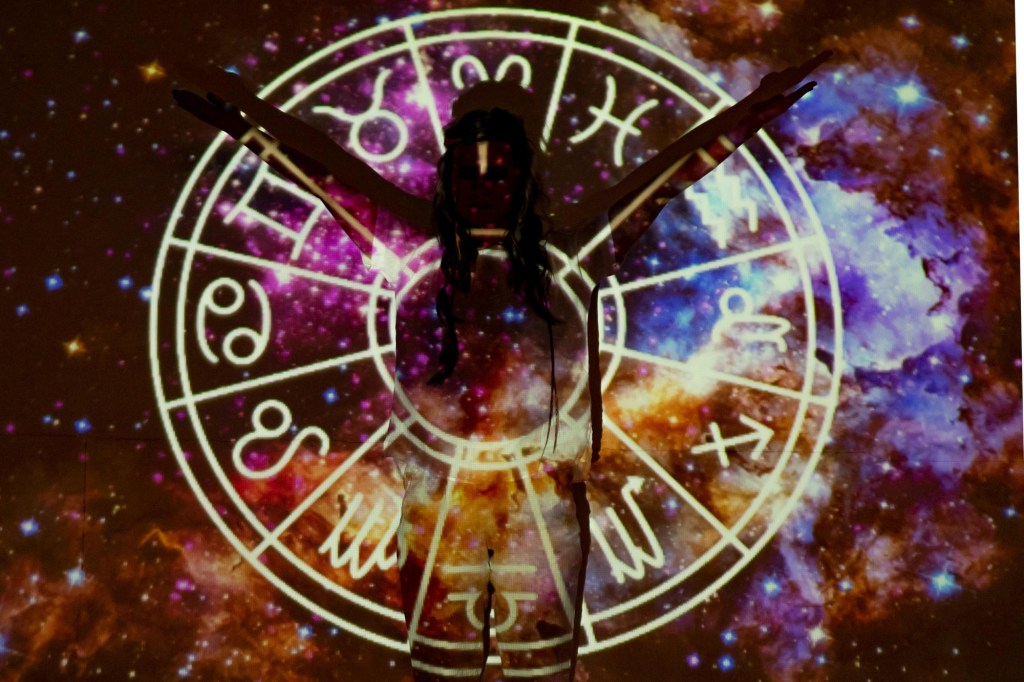
Horoscopes, Astrology And Zodiac Signs

A 2022 poll by YouGov found that 27% of Americans and 37% of adults under 30 believe in astrology. In fact, 31% of those are Catholics and 22% are Protestants. However, this belief has only increased as social media and celebrities have increased its popularity. Many newspapers include daily horoscopes that advise on how to act or what to expect each day. To understand why this growing belief is concerning, we need to see how astrology is different from science.

Astrology vs Astronomy

Astrology often gets confused with astronomy, but the two are very different. Astronomy is a science focused on studying stars, planets, and space; it helps us understand God’s creation. Astrology, however, is not scientific. It’s a belief system that attempts to predict personal events or personality traits by interpreting celestial movements. 

Astrology revolves around the “zodiac,” a term from the Greek word “zodiakos,” meaning “circle of animals,” derived from “zoon,” which means animal. This term refers to constellations associated with animals along the zodiac’s path. This “zodiac belt” represented the course through which the sun, moon, and planets appear to move over the year, which would then have an influence on a person’s personality or destiny.

While this belief is growing in cultural popularity and may seem innocent on the surface, we as believers should be on the lookout. To understand why, it’s essential to see the origins of this belief system.

What Does the Bible Say About Astrology?

The Bible clearly warns against astrology. In Isaiah 47:13-14, God rebukes Babylon and its astrologers, telling them that their reliance on the stars will not protect them from judgment. We also see in Deuteronomy 18:10-12 that divination is seen as a detestable act to God. And similarly, we see in 2 Chronicles 33:1-6 that the worship of heavenly bodies is associated with evil.

Unlike astrology, which tries to use the stars for control or prediction of a person’s future or destiny, astronomy, as a science, simply studies the stars and appreciates them as the creation that God made.

Reasons Why People Use Astrology: 

  • Curiosity: Curiosity is a natural human trait; however, turning to the stars instead of to God for these answers places our trust in creation, not the Creator.
  • Fun: Astrology is often seen as an innocent act, but if the “prediction” is not from God, it becomes a deceptive tool that can draw people into occult practices.
  • Fascination with the occult: It offers a form of spirituality that doesn’t challenge us with concepts like sin, repentance, or God’s judgment. However, any belief that lacks this is hollow and false.
  • Avoidance of personal responsibility: As Dr. Bob Larson points out, astrology promotes a belief that fate is controlled by the stars rather than by God’s will and our choices. Christianity, in contrast, teaches that our lives are influenced by God’s sovereignty and our actions. Astrology can become a way to avoid accountability, leading many people to not take responsibility for their choices.
  • Power and control: Many turn to astrology to feel a sense of control over their lives. However, while having self-control is positive, true guidance and empowerment come from God, not the stars. Any power that claims to offer control while originating outside of God, will only lead us away from God’s purpose.

3 Reasons Why Horoscopes are Wrong

1. They divert trust from God.

Relying on astrology places trust in creation rather than in the Creator. This act goes against the first commandment which tells us to worship and trust in Him alone. By doing this we are diverting our trust from God.

2. They allow for loss of personal responsibility.

Horoscopes make people believe that their destiny is set out for them in the stars and therefore, they don’t have much say. However, this is not what the Bible teaches. The Bible states that there is a sovereign God, but we also have a role to play in the way our life turns out.

3. Fascination with the occult

Taking part in this can open individuals up to demonic influence because it is an act that is in contradiction to the Bible and can be a distraction from believing and placing your trust in God.

Final Thoughts

If you have dabbled with astrology and horoscopes, I would encourage you to close those doors to the enemy through repentance. Choose to refocus on the Lord through prayer, Scripture, and allow the Holy Spirit to guide you in regards to questions about your future and your destiny.

———————-

*** By Vladimir Savchuk / Photo by Mikhail Nilov at Pexels

11 Doors That Lead to Demons

When I was young and curious, I decided it would be a good idea to go into the neighbor’s dog house. I didn’t see a dog around so I went inside. It turns out the dog was around the corner and when he sees me, he launches towards my leg and I end up getting bit. I learned a very powerful lesson that day–if you don’t want to get bitten, don’t go near the dog’s territory. 

The same thing can be said fin regards to demons. People like to believe that they can dabble in the occult or watch porn, or even smoke weed without any spiritual repercussions, but the truth is, if you step on the devil’s territory, he has every right to harass you, hurt you, and torment you. These are the most common doors that can lead to demons infiltrating your life. 

Common Open Doors

1. Generational Curses

Another way of saying it is demons that were inherited through the bloodline. For instance, if someone in the family did witchcraft and never repented and broke that off of their family, then those demons have been passed on generationally. 

The same is true when it comes to abuse or different forms of addictions.

2. An Unwanted Pregnancy 

If the child in the womb is hated, not desired, or rejected since birth by the parents or the family, then that gets transmitted to the child. This opens the door for a spirit of rejection to affect the child throughout their life. It also manifests through rebellion as the child grows up.

3. Growing Up in a Broken Home

When a child grows up in a broken home, it does not only create emotional and cognitive issues, but also spiritual ones. As the child is faced with uncertainty and pressures that they are not equipped to handle at such a young age, demons can use this instability to harass and torment the child/person. This environment is a facilitator for the spirit of anger and hatred to come in at a very young age. 

4. Involvement in the Occult

When you dabble into the occult, you are choosing to blatantly engage with the demonic. The occult ranges from astrology, witchcraft, tarot cards, black/white magic, ouija boards, horoscopes, talking to the dead etc. 

Even though our culture seems to have accepted, and even embraced these practices, Scripture has not changed, and continues to condemn it and the practice of it.

5. Taking Part in a False Religion

There are some believers that desire to learn about other religions saying that they want to win those people to the Lord. Now, this is a good thing to a certain point. There is a certain line that must be kept in order to refrain from opening the doors to demons, because what can end up happening is that a believer will begin to study the other religion so much that they become so open minded and accept all truths, that they start to deny what the Bible claims. That is where it gets dangerous and could lead to deception. 

6. Bringing Demonic Objects Into Your Life

The spiritual world is real, and spiritual power can flow through people, places, animals and objects. In fact, the Bible shows us that God used Moses’s rod, the waters of Jordan to heal, the saliva of Jesus to open the eyes of the blind and even the handkerchief of Paul. God can use any avenue to bring about healing. In the same way, the enemy can use objects to bring about his plans of destruction to your life. 

This includes occult books, things that have been ritually “cleansed”, charms, dreamcatchers, etc. By bringing these items into your home, you are opening your life and your home to the demonic.

7. Abuse

This is probably the most common open door in the West. Abuse causes deep inner wounds that give way for demons to cause further torment for that individual.

As unfair as this is, we must understand that the spiritual world works in accordance to spiritual laws. WHen an abuse happens, it automatically opens a door for a demon. 

8. Illicit Sexual Encounters

Sex is not just a physical act, it has spiritual repercussions. Because it is spiritual in nature, it affects the soul, the mind, and the emotions. 

An individual become one flesh, according to Scripture, with the partner they come together with (1 Cor. 6:16). Demons can be transferred from one person to another by partaking in sexual acts outside of marriage.

9. Abortion

When we commit an injustice towards others it brings a curse upon our life. The Bible is very clear in saying that murder is sin, and therefore brings about a curse on our lives (Matthew 5:21-22). 

10. Ungodly Entertainment

When we begin to fill up our time and out life with ungodly sources of entertainment, they could lead the way to an open door. Movies, T.V. shows, and music are all portals that satan can use to influence the minds of people. If you are not careful about what you watch and listen to, its influence will become stronger in your life. 

11. A Moment of Weakness

The devil looks for moments of weakness to try and enter into our lives. We’re not perfect people, and sometimes we can snap, act in a way that is not right, or watch something we shouldn’t have. When we don’t repent to God and to the person we hurt, and then change our behavior, then that’s where it could become an open door. This happens when the person chooses the sin instead of turning from it.

————————-

*** By Vladimir Savchuk / Photo by Merve at Pexels