Surviving the Woke Madness

In today’s world, many feel that society is shifting in alarming and unsettling ways. What began as a movement to address injustices has spiraled into what many call “woke madness”—a culture that prioritizes ideology over truth, silences dissent, and disregards the concerns of the majority. This challenge is not exclusive to Christians; it affects everyone who values fairness, safety, and freedom of speech. For Christians, these cultural shifts demand a thoughtful response rooted in biblical truth, love, and courage. By standing firm in faith and addressing these issues with clarity, we can offer hope to a world increasingly confused by competing ideologies and suppressed truths.

Pandering to the Minority

One of the most glaring issues in today’s cultural climate is the way society often bends over backward to affirm the demands of a vocal minority, frequently at the expense of the majority of the people, disregarding their needs, feelings, thoughts, identity, values and inherent dignity, bullying them into submission. While Christians are called to care for the marginalized (Micah 6:8), this does not mean affirming every belief or action, especially when it conflicts with truth or violates others’ rights. Take, for example, the growing insistence that women accept biological men in their private spaces, such as restrooms, locker rooms, and sports teams. This compromises women’s safety, privacy, and dignity, while dismissing their legitimate concerns. Adding insult to injury, women are now being rebranded as “cisgender,” a term many find demeaning and erasing. This kind of pandering ignores the rights, feelings, and safety of the majority, forcing them to affirm ideologies they may deeply disagree with. The audacity of such demands is not only unfair but a direct attack on freedom of thought and conscience. As Christians, we affirm that all people are equal in the eyes of God, deserving of dignity and respect, but equality must not come at the cost of truth or the violation of others’ rights.

A Smokescreen of Control

A significant issue behind this movement is the deliberate way media, education, and political systems amplify the voices of a vocal minority while silencing, marginalizing, or demonizing the majority. The media frequently serves as a controlled and biased outlet, crafting narratives that gaslight the public into believing the minority’s views represent universal consensus. This deliberate distortion functions as a smokescreen, suppressing genuine dissent and coercing society into submission under the guise of progress or inclusivity. The consequences are far-reaching: a creeping erosion of fundamental freedoms—free speech, free thought, religious expression, and even parental rights. These alarming trends bear a striking resemblance to tactics employed by authoritarian regimes like China and North Korea, where the state dictates morality, controls speech, and punishes dissent. Practices such as cancel culture, thought policing, and the dismantling of basic liberties are not just isolated events but steps toward a society where fear and compliance replace freedom and truth.

The Illusion of Affirmation and Truth

The woke movement demands that society affirm subjective ideologies, such as fluid definitions of gender and morality. While this may appear compassionate on the surface, it ultimately fosters confusion, division, and harm. Romans 1:25 speaks to this reality: “They exchanged the truth about God for a lie, and worshiped and served created things rather than the Creator.” When society elevates individual feelings over objective reality, the result is chaos and instability. For Christians, affirming falsehoods is not an option. True compassion does not reinforce illusions; it seeks to uphold truth. Only the truth—rooted in God’s Word—has the power to bring genuine freedom and healing, as Jesus said: “You will know the truth, and the truth will set you free” (John 8:32).

The Impact on Families and Children

One of the most troubling aspects of woke culture is its profound impact on children and families. Schools, which should focus on teaching essential subjects like math, science, and reading, are increasingly being used as platforms for ideological indoctrination. Children are encouraged to question their gender, prioritize feelings over biological reality, and even view their parents as barriers to self-expression. Parental rights are being systematically undermined, as schools and governments make critical decisions about children’s identities without consulting their families.

This trend poses a grave danger not only to the stability of families but to society as a whole. The sexualization of children in schools—often justified under the banner of inclusivity—opens the door to harm, exploitation, and confusion. Jesus’ warning in Matthew 18:6 offers a sobering perspective: “If anyone causes one of these little ones—those who believe in me—to stumble, it would be better for them to have a large millstone hung around their neck and to be drowned in the depths of the sea.”

Protecting children is not just a Christian duty but a universal moral imperative. Safeguarding their innocence, well-being, and safety is essential for the health of families and the future of society.

Cancel Culture and the Death of Free Speech

Cancel culture has created an environment where expressing disagreement or holding differing beliefs can result in public shaming, job loss, or even legal consequences. This suppression of dissent is a direct attack on free speech, a foundational principle of any truly free society. For Christians, this challenge is especially pronounced. Biblical views on marriage, gender, and morality are increasingly labeled as offensive or even hateful by some if it opposes their views.

What Can Be Done?

Navigating these challenges requires courage, wisdom, and faith. Here are practical steps for Christians (and others) to stand firm and promote truth:

1. Stay Rooted in Scripture

God’s Word is the ultimate authority. When cultural ideologies conflict with biblical truth, we must remain faithful to God.

2. Expose the Smokescreen

Help others see through the media’s biased narrative. Encourage critical thinking and honest conversations to reveal the truth.

3. Defend Freedom for All

Advocate for free speech, parental rights, and the protection of children. This is not just a Christian issue; it affects everyone who values liberty.

4. Model True Justice

Biblical justice seeks restoration and healing, not division and retribution. Work toward fairness without compromising truth.

5. Pray and Trust God

Cultural battles are spiritual battles. Pray for leaders, teachers, and those caught in confusion, and trust God’s sovereignty in all circumstances.

Conclusion: Standing Firm in Truth and Grace

The rise of woke madness is a challenge for all people, not just Christians. When society panders to a vocal minority, silences the majority, and replaces truth with ideology, the result is division, confusion, and fear. As Christians, we are called to stand as salt and light in the world (Matthew 5:13-16). By speaking truth in love, defending the vulnerable, and remaining steadfast in faith, we can offer a better way—a way rooted in the hope and freedom found in Jesus Christ. The cultural storm may rage, but God’s truth is unshakable. Let us courageously shine His light, knowing that in Christ, we have the ultimate answer to every cultural and spiritual crisis.

__________________

** Photo by Marcin Dampc at Pexels

Stop the United Nations (UN) Trying to Decriminalise Paedophilia

CitizenGO – started this petition to The UK Prime Minister, The Right Honourable Sir Keir Starmer KCB KC MP, and UN Ambassador Dame Barbara Janet Woodward DCMG OBE – 2024/09/05

The UN (United Nations) is on the brink of legalising something unimaginable that will effect children around the world.

Right now, it’s pushing a horrifying treaty that could make it acceptable to create and possess explicit materials involving children—as long as it’s deemed “private” or “consensual”.

The UN’s latest treaty on cybercrime could allow predators to exploit children under the guise of “consensual” or “private” use of sexual content – child rape material.

Imagine AI-generated images of children in disturbing scenarios or real minors (children) being manipulated and / or coerced into creating their own exploitation—all potentially decriminalised. This is beyond comprehension—it’s a direct threat to the safety of every child.

If this treaty is signed, it could pave the way for the normalisation of the most horrific forms of child exploitation and even elements of paedophilia around the world.

And the UN isn’t just allowing this—they’re endorsing it.

By decriminalising “consensual” child pornography i.e child rape material, they’re opening the floodgates for paedophiles and predators. And make no mistake—if we let this happen, it’s only a matter of time before they push for even more: lowering the age of consent and defending the “rights” of those who prey on our children.

This is a nightmare in the making, and we cannot afford to wake up too late. We are standing at the edge of a cliff, and if we don’t act now, the protections that keep our children safe will be eroded.

What will be left? A world where the law protects predators, and our ability to safeguard our children will be stripped away.

We must rise up and make our voices heard. Add your name today to demand that the UK Prime Minister, Sir Keir Starmer, and UN Ambassador Dame Barbara Janet Woodward block this outrageous treaty.

The time to protect our children from this madness is now—before it’s too late.


—————

THE PETITION LETTER

(Please click on link below to sign)

Urgent: Opposition to Proposed UN Cybercrime Treaty

Dear The Right Honourable Sir Keir Starmer KCB KC MP and Dame Barbara Janet Woodward DCMG OBE,

I am writing to express my deep concern regarding the new UN treaty on cybercrime. What should be a positive step toward global safety has instead raised significant alarm.

Among the most distressing aspects of this proposed treaty is the inclusion of language that would decriminalize certain forms of child pornography.

According to Article 14 of the treaty, countries may choose to decriminalize the production, distribution, and possession of content depicting children that are sexually exposed so long as the material does not represent an “existing person” or does not visually depict actual “child sexual abuse or child sexual exploitation.”

This proposal is not only deeply unethical but also poses a direct threat to the safety and well-being of the most vulnerable members of our society—our children.

It opens the door to depictions of paedophilia and legalizes some forms of child pornography, long considered illegal.

It is deeply troubling that the UN, which should prioritize the protection of all citizens, especially children, is considering provisions that could improve the social perception of paedophiles and protect those who possess and consume such vile material.

We must keep these dangerous individuals far away from our children and ensure that their abhorrent behaviour is not legitimised through international treaties.

In light of this, I urge you to take a stand against this treaty when it comes before the United Nations General Assembly this month. Please abstain from endorsing any agreement that would undermine the protection of our children and compromise the safety of our society.

Thank you for your attention to this critical issue.

[Your Name]

—————

It’s important. Will you sign it too? Here’s the link:

PLEASE SIGN THE PETITION

More information:


—————

**By CitizenGo

What Does Building a Safer Church Community Entail

It was once famously said, “The only thing necessary for evil to triumph is for good men to do nothing.” We often read about child abuse, feel a moment of sympathy, and then continue with our daily lives. Society has tried to numb us to such atrocities through the media dulling down or trying to normalize these events. However, as Christians, we must be people of action, not passive bystanders. We are called to be the voice of the voiceless and the protectors of the defenceless.

To illustrate how we can actively promote safeguarding and create a safe space, let’s look at the guidelines used by some churches. These guidelines can be implemented in your own place of fellowship and exemplify how to protect children and vulnerable adults within the church. By following these practices, we demonstrate safeguarding as an expression of Christ’s love for everyone we encounter in our ministries:

Promoting a Safer Church

We take the safeguarding of children and vulnerable adults very seriously and work hard to ensure that we operate in line with the current best practice, as recommended by ECAP – the evangelical council for abuse prevention.

If you are concerned that someone you know is at risk of, or is being abused or presents a risk to others, please seek advice from a Church safeguarding officer, if you have one in place and if necessary, report the matter to the Local Authority Social Care Services or the Police without delay.

Safer Places Pledge

We have signed up to the thirtyone:eight Safer Places Pledge, publicly declaring our intention to make change happen.

We pledge to:

Speak up

The silence around issues of abuse can be deafening, often leaving those that have been abused to be the sole voices speaking out. We will use our voice and our influence to publicly and privately speak up about the injustice of abuse and the need for change.

Put survivors first

Too often we see cases where victims and survivors have not been believed, have been silenced or have been further abused by the response they have received. We will listen to victims and survivors and ensure we put their needs at the heart of any response.

Conceal nothing

When abuse is discovered, it is important that it is fully brought into the light so that justice can be served and those that have been affected can receive the help they need. We will not cover-up or collude but be open, transparent, and truly repentant about what has happened.

Take responsibility

Rather than apportion blame or point the finger at others, we must acknowledge that abuse happens in any culture that allows or creates the circumstances for it to occur. We will take responsibility for the ways we have personally and corporately failed and will take the necessary steps to shoulder that responsibility and the reparations that must come as a result.

Make change happen

Apologies and learning lessons are important steps in the process of responding to abuse, but too often that is where we stop. We will not just take responsibility, and learn lessons, but will make active, tangible, timely steps towards change and encourage others to do the same.

Hold each other accountable

It’s important to acknowledge that issues of abuse are not confined to one particular denomination or tradition, but are issues experienced across all expressions of the Church. We will commit to holding ourselves mutually accountable by accepting the challenge of others about our own practice and challenging poor practice wherever we see it.

Who is Your Church’s Safeguarding Officer?

Example:

Lori Mac
The Narrow Path Church Safeguarding Officer

Lori is the Safeguarding Officer for all TNP Parishes. If you are concerned that someone you know is at risk of, or is being abused, or presents a risk to others, please contact Lori for advice.

Email: safeguarding@xxxx.org

Other contacts:

For urgent, out of hours advice, contact Thirtyone:eight helpline: 030 3003 1111

Westminster Council Children’s Services: 020 7641 4000

Westminster Council Adult Services: 020 7641 2500

If there is immediate risk or danger, please contact the Police.

Helplines

NSPCC: 0808 800 5000

Childline: 0800 1111

Stop It Now: 0808 1000 900

NAPAC: 0808 801 0331

Samaritans: 116 123

Family Lives: 0808 800 2222

National Domestic Abuse Helpline: 0808 2000 247

Men’s Advice Line: 0808 8010 327

National Careline: 0800 0699 784

**Further reading on the subject matter is Deepak Reju’s book: On Guard – Preventing and responding to child abuse at church

_____________________

Example of safeguarding tactics from the CofE guidelines / Photo by Pixabay at Pexels

How to Overcome Porn Addiction and Its Link to the $99 Billion Sex Trafficking Industry

Human trafficking earns global profits of roughly $150 billion a year for traffickers, $99 billion of which comes from commercial sexual exploitation ~ human rights first.org

With the explosion of smartphones, tablets, computers, and the Internet, it’s no wonder porn addictions are on the rise – even amongst Christians. The number of online porn viewers continues to soar day-by-day, minute-by-minute, and second-by-second with no definitive end in sight. Approximately 28,000 people view online porn every second, a new porn video is released every 39 minutes, and approximately 42% of porn-watchers visit one or more of the 4 million active online porn sites each day.

A porn addiction takes control of your life, leaving you feeling helpless and hopeless. This addiction presents differently in each individual, however, one thing that remains the same is the inability to stop or resist the urge to view porn. Those who watch pornography become dehumanized; they no longer see their partners and other people as human beings but as sexual toys that exist for their own satisfaction.

As churches grapple with abuse of power revelations, should pornography be on the radar?

The big question was asked at a church convention, as to whether there’s a connection between porn use and abuse, the answer was a resounding yes, because “when you engage in and become addicted to pornography, you lose the sense of responsibility to protect the value and dignity of every person. Abuse of power is the same – using your power in ways that fail to protect the dignity of other people. If you lose that sensitivity of who we are as image bearers of God, then you are more inclined to abuse power in ways that are in line with that.” It was cited the distinction between a predator – someone who actively manipulates others for their own sexual gratification – and a wanderer – someone who doesn’t protect boundaries. “Pornography is being a wanderer at the very least,” she said. “You’re not protecting the boundaries of yourself or of others. So that’s also an abuse of power, and a violation of trust.” Even Ted Bundy, the serial killer, admitted this about porn, that it’s like an addiction, and after a while the ‘high’ wears off and you crave more depraved material to meet that same level of ‘high’ demand, and soon you no longer want to be just a voyeur but act out what you see… and we all know the rest!

“When you start watching pornography, you start to generate an addiction… not only are their families and marriages destroyed, but these people become hooked on more perverse things, such as child pornography. After becoming addicted to child pornography, they become customers. There is tremendous demand and the industry keeps growing… We have to be careful about what we see. We are all the target audience. We have to be vigilant, because we are fragile and vulnerable beings. Temptations are everywhere, even if they are small. However, he who is unfaithful in small things is also unfaithful in big things.” ~ Child trafficking activist

One of the major issues discussed at the convention as how should we deal with sexual abuse inside the church? Motions were made for zero tolerance toward any act of sexual abuse and toward any church that tries to cover-up such abuse. However, the discussion failed to acknowledge factors within our churches that help to cultivate sexual abusers. That’s like wanting to rid our nation of drug addicts while ignoring the existence of drug dealers. If we’re serious about dealing with sexual abuse inside the church, then we also need to seriously address two issues within our church walls—pornography and promiscuity.

Pornography

Pornography is one of the most prominent breeders of sexual abuse. It not only promotes such abuse but is the key funding arm for sex trafficking, which is skyrocketing. That’s because the porn industry’s annual revenue is more than the NFL, NBA and MLB combined. Sadly, many active church attenders are helping to fund this industry.

More than half of pastors say that porn addiction is the most damaging issue in their congregation (57%). And the majority of pastors say porn has adversely impacted the Church (69%). So, why is pornography not included in the conversation about sexual abuse? In my opinion, it’s because dealing with sexual perversion also means dealing with promiscuity.

Scripture demands zero tolerance toward those who practice sexual sin in general—not just those who participate in its most perverted forms. Be sure that any sin thriving in our culture also exists within our churches. We cannot pervert what God intended without experiencing unintended consequences. To be clear, I am not equating those who are promiscuous with sexual abusers. My point is that the church has tolerated promiscuity for a very long time. And in doing so, we’ve seen the growth of sexual perversion. Sin is never static or controlled; it only grows in intensity and in its ability to cause destruction.

Denominational Resolution or Biblical Resolve?

Denominational resolutions pale in comparison to biblical resolve and obedience. Without a doubt, churches need to hold those who sexually abuse others accountable to the law. Victims of abuse should be shown compassion, given comfort, and receive counselling in order to overcome the harm done to them.

But if that’s all we do, then we’re stopping short. Churches who really desire to stand against sexual abuse must preach and practice the full counsel of God. I truly believe that as the standard for biblical purity is promoted and practiced, sexual abuse and perversion will become less prevalent in the Church.

What is sexual sin?

We all have something about ourselves that we don’t like, that we want to change, or that we’re embarrassed about. That’s just part of life. But there are sins that threaten to swallow us, that seek to absorb us, and that change the person we were meant to be. Those sins often lead to guilt and shame. Most often, the sins we feel the most shame and conflict about are sexual sins.

Sexual sins are pervasive. And though we live in a world that likes to teach that we can do anything we want with our bodies, our faith teaches that God’s plan is something very different than that way of life.

When God created the first man and woman, He created them in His image. He created them to complement each other, to have a natural intimacy, to enjoy monogamy, and to love each other unconditionally. This intimacy is born of mutual love, mutual respect, the giving of self, and so much more. This is the kind of relationship that God wants for us. Why? Because we learn about God’s love for us when we act in that love toward a spouse.

When sin entered the world, people began to believe it was their right to do whatever they wanted, especially with their bodies in regard to sexuality. Today, they mock the concept that our bodies are temples of the Holy Spirit. Pleasure has become a deity of its own. And people hold fast to the notion “as long as I’m not hurting anyone, it’s fine.” This “me” outlook overshadows all understanding that sexual sins often damage a person’s own self-esteem, their partners, their families, and even their faith.

Then along came a multi-billion-dollar industry to capitalize on these sexual desires.

The Statistics

Christians are not immune to the allure of pornography. A 2014 pornography survey done by Proven Men, a group that helps men overcome porn addiction, found that “the number of Christian men viewing pornography nearly mirrors the national average”:

  • 97% have viewed pornography
  • 64% view porn at least once a month
  • 37% look at porn several times a week

 Further, according to Covenant Eyes (a company that describes itself as “the pioneer of Internet and Screen Accountability™ software, empowering members to maintain their online integrity”):

  • 1 in 5 youth pastors and 1 in 7 senior pastors use porn on a regular basis and are currently struggling. That’s more than 50,000 U.S. church leaders.
  • 43% of senior pastors and youth pastors say they have struggled with pornography in the past.
  • 64% of Christian men and 15% of Christian women say they watch porn at least once a month.
  • Only 7% of pastors report their church has a ministry program for those struggling with porn.

However, according to the Barna research group, which conducted a survey in 2015, “Practicing Christians are more than three times less likely to use porn than other teens and adults (13% compared to 42%).”

Regardless of the exact numbers, it’s obvious that porn has an allure that many people—including Christians—struggle to say no to.

Promiscuity

Promiscuity and fornication aren’t words we hear much anymore. The free love movement of sixty years ago has come full circle. Because sex outside of marriage is now the norm, many churches no longer call it sin. God’s Word, however, is not ambiguous on the subject. The Bible associate’s sexual relations outside of God’s plan with being “unrighteous.” The apostle Paul wrote that “fornicators, adulterers, and homosexuals” (among others) “will not inherit the kingdom of God” (1 Corinthians 6:9–10).

Paul doubles down in Ephesians 5:3-5. “But immorality or any impurity or greed must not even be named among you, as is proper among saints; and there must be no filthiness and silly talk, or coarse jesting, which are not fitting, but rather giving of thanks. For this you know with certainty, that no immoral or impure person or covetous man, who is an idolater, has an inheritance in the kingdom of Christ and God.

Devastating Effects of Porn

Pornography consists in removing real or simulated sexual acts from the intimacy of the partners, in order to display them deliberately to third parties. It offends against chastity because it perverts the conjugal act, the intimate giving of spouses to each other. It does grave injury to the dignity of its participants (actors, vendors, the public), since each one becomes an object of base pleasure and illicit profit for others. It immerses all who are involved in the illusion of a fantasy world. It is a grave offense.

While many porn websites generate excitement for porn, we know the truth. Porn hurts people. It treats people like objects for pleasure. It gives the person who watches it a skewed vision of the true nature of sexuality. It leads to unhealthy desires, unhealthy attitudes about a sexual partner, and even the inability of men to become aroused in real-life situations.

Furthermore, porn hurts our relationship with God. In a 2017 study entitled “Seeing Is (Not) Believing: How Viewing Pornography Shapes the Religious Lives of Young Americans,” researchers found:

The more a person becomes drawn into the world of porn, the larger the wedge is inserted between them and God. And those who know that porn viewing is wrong begin to feel shame. Their disgust with themselves leads them to think that God has stopped loving them because of this sin. This self-loathing can then lead to increased porn usage, as they try to replace the intimacy and love of God and others with fabricated lust.

Can a Christian Overcome Porn Addiction?

First, pray. Talk to God and ask for His help in overcoming the desire to watch porn. Have an honest conversation with Him about your struggles. The temptation will likely come and go, so prayer must be your constant companion, seek forgiveness in confession.

In addition to prayer, there are some practical things you can do to help curb the temptation to watch porn. These include installing internet filters on your devices to block the porn sites or having an accountability partner to help you stay away from certain sites. But the most important thing you can do involves changing your mindset.

An example prayer for porn addiction and verses:

But my eyes are fixed on you, Sovereign Lord. (Psalm 141:8)

I made a covenant with my eyes not to look lustfully at a young woman. (Job 31:1)

My eyes are ever on the Lord, for only he will release my feet from the snare. (Psalm 25:15)

Turn my eyes away from worthless things; preserve my life according to your word. (Psalm 119:37)

Heavenly Father,

I have been living a fantasy. I hardly feel the prick of conscience anymore. I have become numb and dumbed down in my humanity. I repent of this addiction to pornography. It alienates me from those I love and it alienates me from You, my God. It’s a lie, a trick of the devil. I receive the power of your blood that not only forgives me but cleanses me.

Please do forgive me. Please cleanse me. Drive out my sin. And help me to walk in the light, to experience the blessing of my sexuality under the safeguard of your heavenly standard.

Give me encouragement and accountability. Set me free from my chains. I receive Your Holy Spirit’s power to control my base impulses and to become the human being you have made me to be, ruling over myself and this world with you.

In Jesus’s name I pray, Amen.

How Can Christians Conquer a Porn Addiction?

Porn addiction can be conquered with persistence, effort, time, dedication, faith, help, and God, of course. Still, the path to “salvation” will not be easy or quick. Understand that while other addictions (i.e., gambling, alcohol, drugs, food, shopping, etc.) are triggered by external stimuli, porn addiction is triggered by stimuli within the body, more specifically, within the mind (the parts of the brain responsible for memory, motivation, learning, and emotional responses).

Still, being dependent on porn can cause some Christians to experience a deep level of shame and embarrassment, causing them to feel as though God has “abandoned” or “shunned” them because of their behaviour. Because of this “faulty” assumption, some Christians “turn away” from God, other Christians, and the church altogether.

If you are suffering from porn addiction, fret no more, because there are steps you can take to get on the path to recovery.

Be Honest with Yourself

If you are Christian suffering from porn addiction, the first thing you’ll need to do to “free” yourself from it is, to be honest with yourself. Thus, the first step in “beating” porn addiction is to admit you are not exempt from sexual temptation. You can’t move forward if you can’t or won’t acknowledge that you have a problem with porn. More specifically, you can’t fully accept help and guidance from God and others until you admit that you’re suffering from porn addiction.

More specifically, you’ll need to acknowledge and accept that we live in a sex-crazed world where sexual temptation via sexual images on television shows, movies, magazines, advertisements, commercials, books, and web content infiltrates almost every area of our everyday lives. We can’t escape it; however, we can take responsibility in what we allow into our psyche, what we choose to watch, the music we listen too, social media sites we visit, we are to guard our eyes and ears as much as it is possible for us to do. Let’s begin with this fact: sexual attraction is not lust. God made us to be attracted to the opposite sex. It is not a sin to notice a beautiful woman or attractive man. It is only sin if we take that attraction to the next step. The sin is not the first look, but the second.

Jesus was clear: “You have heard that it was said, ‘Do not commit adultery.’ But I tell you that anyone who looks at a woman lustfully has already committed adultery with her in his heart” (Matthew 5:27-28).

Any desire for sexual relationship outside of marriage is wrong. Premarital or extramarital sexual relationship is wrong. Looking lustfully at another person, whether in person or on the Internet or television or magazine, is wrong. Lustful activity in a dating relationship is wrong.

Why? James, the half-brother of Jesus, knew the answer: “after desire has conceived, it gives birth to sin; and sin, when it is full-grown, gives birth to death” (James 1:15). Lust makes an eternal soul, a child of God, into a thing, a means to our end. It demeans us. It grieves the Holy Spirit who dwells in us, and uses the temple of God for immorality. And it never stops with the second look. It didn’t for David, a “man after God’s own heart.” It won’t with us, either.

Tell Someone

You can’t heal from a porn addiction if you keep it shrouded in secrecy. Thus, it is important to tell someone you trust about it. Addiction prospers in the darkness, so to banish or kill it, it must be brought to light. In other words, hiding the addiction only causes it to grow stronger. It strengthens its hold over you until it steals your livelihood.

Conversely, sharing your porn addiction with a trusted confidant can provide you with the porn addiction support you need to overcome it. Understand that this person doesn’t have to be a friend, family member, pastor, or someone from the Christian community. The only requirement is that you trust this person to tell you the truth, offer support, and respect your wishes.

If talking about your behaviour mortifies you – gather your courage, lean on your faith, and do it anyway. You’re not going to “kick this habit” alone, so you’ll need the support. If you could heal from your addiction alone, you probably would have conquered it a long time ago. However, you are still suffering from it, so it is time to tell someone what you’re experiencing.

Furthermore, telling someone about porn-watching, makes you accountable for your actions. In other words, once you tell someone, you can no longer pretend it doesn’t exist. And, because, it is no longer a secret, you are likely to take action to remedy it.

Turn to God

The Bible instructs “believers” to turn to God in times of sorrow and distress. So, the only way to truly combat a porn addiction, as a Christian, is to give the addiction over to God. If you turn to God, he will carry you through any trials (i.e., porn addiction) you experience.

As mentioned above, both Christians and non-Christians experience sexual temptation (desire and lust) and everyone, regardless of religious affiliation, is vulnerable to porn addiction. However, having faith, believing in God, and confessing your sins, along with reading the Bible and praying can help you heal from this dependency. But, understand that God’s ability to help you overcome this “fixation” lies in the depth of your faith.

Change Your Routine

One way to defeat a porn addiction is to change your routine and develop new habits. For instance, if your “porn habit” typically begins once your spouse and children have gone to bed, opt for a hot shower or warm bath, read, meditate, listen to calming music, or simply sleep instead of jumping on your computer, laptop, smartphone, or tablet. Make a vow to stay off of the Internet during this time.

And, if you are single or live alone and typically turn to porn, while eating dinner, use this time for non-Internet activities, such as calling a friend, turning on a funny sitcom or family movie, or listening to music. Remember, the goal is to avoid porn, which means staying off the Internet as much as possible.

Adopt Healthier Coping Mechanisms

If you are using porn to deal with upsetting, confusing, or negative events and/or emotions, you’ll need to learn healthier coping mechanisms to beat your addiction. For instance, if meeting people makes you feel uncomfortable, but you still want to feel a connection with someone, instead of turning to porn, focus on increasing your self-confidence by going out with friends, signing up for a class, developing a new hobby, joining a club or sports team, etc. The goal is to adopt healthier coping mechanisms, so you don’t feel the need to turn to porn when you’re bored, frustrated, depressed, lonely, anxious, or angry.

Stay Busy

To distract yourself from porn, you’ll need to stay busy. Frequent porn use is a habit often triggered by boredom. In other words, some Christians turn to porn because they simply don’t have anything else to do. Research suggests that in this COVID age of social distancing and lockdowns, porn use to skyrocket amongst all populations. Porn has become entertainment for some Christians – a habit that “can” eventually turn into an addiction.

Staying busy not only prevents boredom and occupies your time, but it can also help “squash” your “porn habit.” So, the next time you get the urge to watch online porn, take a jog around the neighbourhood, immerse yourself in a juicy book, volunteer at your local animal shelter, sign-up for an interesting class, develop a new hobby, join a club, head to the gym, or hang out with friends and family.

Use a Public Computer

If privacy is a condition of your porn use only use the Internet in public venues (i.e., library, school, coffee shop, or work) or when others are around. Move your computer or laptop to a common area like your living room or kitchen – places that people tend to frequent. And, refrain from surfing the internet in private (i.e., car, bedroom, bathroom, basement, etc.) The goal is to deter you from clicking on porn sites for fear of judgment and ridicule from others.

Attend Christian Counselling or Join a Support Group

A porn addiction thrives in secrecy and isolation, so the best way to crush it is to bring it out into the open where others can see it. Seeking help from a Christian counsellor and/or joining a porn addiction support group are two ways you can receive the porn addiction help and support you need to overcome your addiction. Sharing your concerns with a Christian counsellor and/or members of a support group can also help remove the shame and stigma often associated with porn use.

Furthermore, counselling and support groups can also reveal the root of your addiction (its origin), so can subdue your urges for porn. One of the best things about counselling and support groups is there is no judgment – only solutions. Counsellors and group members not only teach you how to effectively cope with your urges, but also how to prevent relapses and rely on God and the Bible for comfort, strength, and reassurance.

There Is Hope and Forgiveness in God

In 1 Corinthians, we read: “No trial has come to you but what is human. God is faithful and will not let you be tried beyond your strength; but with the trial he will also provide a way out, so that you may be able to bear it” (1 Cor. 10.13).

And Proverbs tells us: “Those who conceal their sins do not prosper, but those who confess and forsake them obtain mercy” (Prov. 28.13).

There is no disputing God’s love. It’s a love we cannot even fathom. Because of this immense love, He will forgive us if we seek forgiveness.

The first step to living a life without a reliance on porn is to admit how destructive it has become. Whether you are married or single, you must acknowledge that it hurts you and all of your relationships—with your partner, with your children, with God, and even with your friends.

Just as it keeps you from true intimacy with your spouse, it keeps you from an intimacy with God.

But you can overcome the reliance on pornography and have a truly beautiful and amazing intimate relationship with God. How? You must work toward strengthening that relationship over time through prayer and through your actions.

Final Thoughts

Pornography hurts. It hurts individuals. It hurts relationships. It hurts families. And it hurts our relationship with God. Christians are not immune to the temptations of the world. In fact, some might say we are even more prone to temptation, as the devil seeks out those who are close to God in an attempt to ruin the relationship.

Christ taught us that “a thief comes only to steal and slaughter and destroy” but that He “came so that [we] might have life and have it more abundantly” (John 10.10).

In Christ, we can have the intimacy we desire. We can have the love we need. We can have goodness and joy we crave.

He is beckoning. Let us resolve to go to Him and sin no more.

—————————–

*** Article by Dr Langham at Stop Together + Jim Denison at Denison Forum + Angela Rietsma Bick at Christian Courier + Bucky Kennedy Ministries + Susan Ciancio at Human Life International + Juan Carlos Vasconez at omnes / Prayer by Mark and Jill Herringshaw / Photo by Anirudh Bhatnagar at Pexels

How to Keep Children Safe Online: A Practical Guide to The Threats

With the growth of social media platforms, online games and instant messaging apps, children are able to talk to anyone – friends or strangers – from around the world within minutes. This can benefit many by making them feel less isolated but for some, it can leave them vulnerable to grooming.

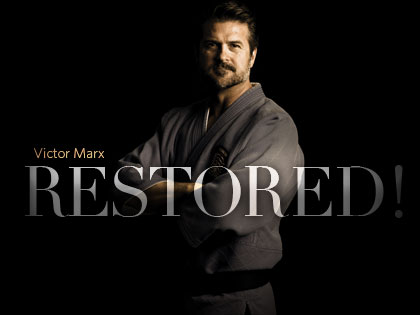
Foreword by Victor Marx at All Things Possible, “I recently got to share some insights into protecting children on Freedom Talk with Kelly John Walker for an eight-part series of powerful sessions for fathers. Below is an excerpt from the Fathering in a World Gone Mad seminar, where I share some of the biggest threats to your children and how to keep them safe: Parents, those of you who don’t know me… my nickname is I’m the Pedophile Hunter. And we do work overseas in different parts of the globe. But here in the U.S., we actually started a task force. So I’m telling you, from practical, real life experience — from helping get women and children from ISIS to messing up cartel action, to stuff in other parts of the country I can’t even mention. But I would say this: Don’t look for the white van to open up and grab your kid. The biggest problems you’re going to encounter is the phone and the computer. That’s the two biggest — phone and computer. The next will be someone you know. It’ll be a relative, a neighbor, a kid’s friend, boyfriend or girlfriend. It’s very easy to think of extremes. Those do happen. What you have to be aware of is your child being groomed by somebody online. And I’m talking even gaming. I just got info from the FBI saying there are groups targeting children to get them to provide nudes and videos of them. It’s happening widespread. Last year, there were 33 million transfers of child sexual abuse material in the U.S. Out of 33 million known tips of this stuff, only about 300 got prosecuted. The police are not the answer. 911 is not the answer for your children. It’s you. If your kid wants to be on a cell phone or a computer, let them sit at the table. There’s no shame in that. Not their back to you. If there’s something they’re trying to hide or are uncomfortable with, they shouldn’t be on it. When they say, “That’s my own privacy,” you just go, “Yeah, not these days, not in our home.” I’m not going to check anything unless I get a ping about a word or something that comes up or an image. But folks, please, it’s the phone, it’s a computer. It’s someone you know that will try to compromise your child by grooming them, getting them feel to comfortable. And then, of course, as always, it’s the outside predators. Find out more about this seminar and how to access it at bit.ly/fathering-series.”

Protect your child

Online grooming can be a difficult issue to tackle with children but there are practical tips and tools you can use to help them recognise when they are at risk and take action.

The meaning of grooming

Grooming usually refers to child sexual abuse. However, groomers also target children for purposes such as radicalisation, drug trafficking (county lines) and financial gain.

How perpetrators groom children

Groomers first befriend a child. Online, this could be someone they have never met. A groomer might pretend they’re the same age as your child; because there is a screen between them, your child can’t know who the other person is for sure.

Alternatively, a groomer may tell the truth about who they are, which some young people may see as a benefit. For example, a child without an older role model might feel a connection to an older person who treats them well.

Once a groomer gains a child’s trust, they can manipulate them to do what they want. Children and young people may have trouble saying no to someone who has built a relationship with them, making it easy for online grooming to happen.

LEARN MORE ABOUT ONLINE GROOMING

Signs of sexual abuse and online grooming

If someone targets your child online for sexual purposes, the victim may not recognise it as abuse. The groomer might have made them feel special or could be an older child. Unfortunately, a child abused in this way may not seek help right away, so it’s important to look out for the signs of sexual abuse to take action.

Signs could include:

It is important to look out for other changes that might be signs of other types of online grooming as well. These might include:

How do I protect my child from being groomed?

A short video from CEOP about online grooming and how children can become targets and what parents can do to prevent this. Grooming can be a tricky subject to talk about with your children, the tips below video will help.

From our research, we know that online ‘stranger danger’ is a concern, particularly for younger children. The key thing to remember is that equipping children with the right advice to make smarter choices online can minimize the risks of exposure to online grooming.

The best way to deal with grooming is to prevent it from happening by making sure your child is well-informed, uses privacy settings on social media sites and knows that they can talk to you if they feel unsafe or worried. Teach your children how to stay safe online:

Keep personal information private

Private details which could identify them in the real world – name, age, gender, phone number, home address, school name, and photographs – should only ever be shared with people they know.

Privacy settings

Spend time together looking at the privacy settings that can benefit their online safety. It’s always best to assume that default settings are public and should be changed accordingly. We’ve got some advice on using privacy settings on the most popular social apps.

Reviewing apps, site, apps and games they use

You will probably use social networks yourself, but you might want to know about new ones that your child is using or wants to use. Use them yourself and set up your own account so you can experience what your child might see. There are also many child-friendly social networks they could use while they get ready for the likes of Snapchat and Instagram.

It’s also important to explore the types of activities they do online. Live streaming, YouTube shorts, video games and social media sites all have different forms of communication. Have conversations about their digital use to stay in the know.

Know who their friends are

Talk to them about being cautious about what they share with people online. Remind them that even though people they’ve met online might feel like friends they may not be who they say they are.

Stay safe online and in real life

Never arrange to meet someone they only know online without a parent present.

Encourage children to talk to someone

If something makes your child worried or uncomfortable online their best course of action is always to talk to an adult they trust. You can also direct them to organisations such as Childline.

Blocking software

There is a range of new apps and software that block, filter and monitor online behavior. You’ll need to decide as a family whether this is the right approach for you, taking into consideration your child’s age and maturity, and their need for privacy.

Negotiating the gaming world

In some games like Minecraft or Roblox people deliberately try to intimidate other players. In multi-player games where gamers talk to one another – you might find abusive language, harassment and there have been instances of grooming. It’s vital therefore that your child knows how to report abuse and talks to you if something is causing them concern.

Discuss online grooming with your child


Be approachable

Let them know you are there to help them if they get into trouble online – and if they are concerned about something they can come to you.

Openly discuss online relationships and friendships

Find out what sites they go to, where they met their online friends, how they communicate, and what information they share. Make sure they know that having thousands of online ‘friends’ isn’t always safe.

Talk to teens about groomers online

Teenagers may be very protective of their online network and feel you are interfering with their private lives. However, one of the best ways to support child protection is to make them aware of online harms.

Explain online impersonation

Explain how easy it is to pretend to be someone else online, and why an adult may wish to approach them.

Teach younger children how to stay safe online

Talk about grooming as you would stranger danger – a stranger is anyone you don’t know, whether in real life or online. Tell them they shouldn’t talk privately or give personal information to anyone they don’t know. Discuss with them what ‘personal information’ is.

Grooming can happen between older children and younger children as well. Learn more about child-on-child abuse to keep yourself and your child informed. For more information about online grooming and protection check out their website Internet Matters

—————

** Foreword by Victor Marx at All Things Possible ministry who has shared his incredible story of overcoming childhood abuse, addiction, and trauma to become a humanitarian, author, and speaker. Learn how he found God, discipline, and success through military life and faith in God here with his amazing testimony that has helped bring healing to so many people / Article by Internet Matters website Internet Matters / Photo by pexels

More:

6 Reasons Why Sexual Predators Target Churches

The Abortion Debate

A Clear Gospel Message

Trusting God to Heal the Scars of Sexual Abuse

Self Worth and Self Esteem

Who I Am in Christ

Forgiving Others

Prayer For Forgiving Others

Deal Radically with Impure Thoughts