
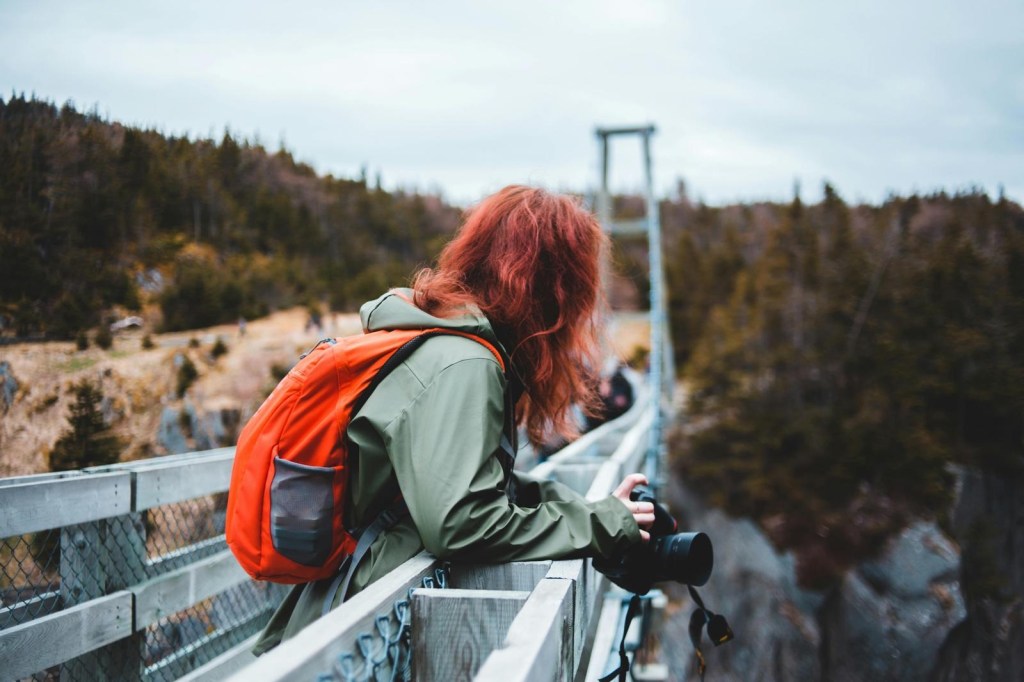
Travelling alone as a woman, whether moving around your own city or venturing abroad, can be both practical and empowering in different ways. Whether at home or abroad, it’s important to be savvy and aware of your surroundings, and to confidently navigate everyday public spaces. Abroad, it offers the chance to explore new cultures, challenge yourself, and grow in confidence while managing unfamiliar situations safely.
Even in familiar or seemingly safe environments, women can be targeted due to perceived vulnerability. Predators exploit politeness, curiosity, and kindness. Women are often socialized to be accommodating and helpful, which can make it difficult to refuse requests, assert boundaries, or recognize manipulation. Being aware, prepared, and vigilant allows you to move through your surroundings safely, both locally and internationally.
This guide provides detailed strategies for travelling safely at home and abroad, including emergency contacts, accommodation safety, human trafficking awareness, confidence-building, transport, and financial preparedness, among others.
1. Plan Smart, Not Rigid
Planning is not just about logistics—it’s a life-saving strategy. Predators often look for women who appear lost, uninformed, or too polite to question their surroundings. Women are socialized to be helpful and compliant, which can make them more vulnerable if they rely solely on politeness rather than preparation. By researching your destination, learning local customs, identifying safe neighborhoods, and preparing emergency contacts, you create layers of safety that allow you to respond decisively if something feels wrong. Being over-prepared is not overcautious—it’s essential.
Practical tips:
- Save offline maps and key addresses to avoid appearing lost.
- Share your itinerary with trusted family or friends.
- Note local emergency numbers, embassy/consulate contacts, and safe routes.
- Book at least the first night’s accommodation in advance.
- Research local churches or Christian communities; let them know you will be visiting—they can provide guidance, fellowship, or safe local connections.
- Identify neighborhoods or destinations with reported kidnappings, trafficking, or crime; treat these as “no-go” areas.
- Keep a list of hospitals, clinics, and doctors who speak your language.
- Familiarize yourself with public transport routes and schedules.
- Extra tip: Read reviews from other solo female travelers—they often reveal safety concerns, staff behavior, and scams that official listings omit.
2. Choose Accommodation Wisely
Your accommodation is your sanctuary, but it can also be a point of vulnerability. Predators sometimes use hotels, hostels, or rentals to exploit women, and even staff can be complicit. Women are often socialized to trust, be polite, and comply, making them targets. Checking the room, using locks, managing housekeeping, and being aware of scams and staff behavior are critical for safety.
Practical tips:
- Choose well-reviewed hotels, hostels, or guesthouses with 24-hour reception or security.
- Prefer central locations with easy access to transport and public areas.
- Check your room thoroughly before closing and locking the door, including bathrooms, closets, and behind doors.
- Lock doors immediately and use extra locks or security chains.
- Keep windows locked and avoid rooms on ground level if possible.
- Avoid sharing your room number or personal info unnecessarily.
- Keep valuables in safes, lockers, or hidden secure spots—avoid leaving cash, passports, electronics, or jewelry in plain sight.
- Be alert: cleaners may leave doors open too long, allowing anyone to enter.
- Leave the Do Not Disturb sign on your door and the TV on if you do not want housekeeping; hotel staff may have master keys.
- Be cautious of overly “nice” staff or strangers—some hotels have been complicit in scams, drugged drinks, or substances on tissues.
- Avoid hotel charging ports or public USB outlets—they may skim data. Use your own charger and outlet.
- Do not use flyers, menus, or food delivery sheets slipped under your door for payments; these may be scams. Verify transactions directly.
- Use your own Wi-Fi hotspot or VPN for secure online transactions.
3. Blend In and Dress Modestly
Standing out can make you a target. Predators notice those who draw attention through clothing, behavior, or accessories. Women are socialized to “look nice” or express themselves through appearance, but in some destinations or neighborhoods, this can increase risk. Dressing modestly, carrying yourself with confidence, and moving purposefully all signal alertness and situational awareness. This is not about limiting self-expression—it is about safety.
Practical tips:
- Dress modestly to respect local culture and reduce attention.
- Walk confidently even if unsure.
- Be mindful of body language—look purposeful and aware.
- Carry yourself in a way that signals alertness.
- Avoid flashy jewelry, expensive electronics, or items that draw attention.
- Do not overshare personal details.
- Avoid wearing headphones in unfamiliar areas; it reduces situational awareness.
4. Trust Your Instincts
Women are often socialized to be polite, helpful, and accommodating—even when uncomfortable. Predators exploit this by creating situations where it feels socially “wrong” to leave or refuse. Your intuition is one of your strongest safety tools. If something feels off, it probably is. Recognizing social pressures, staying true to your feelings, and acting decisively even when it feels awkward or impolite is critical.
Practical tips:
- Leave situations that feel uncomfortable immediately.
- Don’t worry about being “polite” at the expense of safety.
- Change plans if needed—your wellbeing comes first.
- Pretend you are meeting someone or on a phone call to deter unwanted attention.
- Politely decline conversations or invitations that feel unsafe; you do not owe explanations.
- Avoid answering intrusive questions—it is none of their business.
- Watch for suspicious behavior: anyone following, loitering, or watching.
- Be aware that traffickers sometimes use other women to befriend and lure you from airports, schools, hostels, or public spaces.
5. Be Mindful of Timing
Timing affects safety. Predators exploit quiet hours, isolated locations, and gaps in routine. Women are socialized to “go with the flow,” which can make them vulnerable to invitations or late-night situations. By planning when and where you go, knowing safe transport times, and avoiding low-traffic hours, you reduce exposure to risk. Timing is both preventative and reactive—managing it carefully can prevent dangerous situations.
Practical tips:
- Avoid arriving in new locations late at night.
- Stick to well-lit, populated areas after dark.
- Plan return to accommodation before it’s too late.
- Limit distractions while moving in public.
- Let someone know where you are going and your estimated return time.
6. Transport Safety
Transport hubs—airports, train stations, bus terminals—are high-risk environments. Women are often socialized to accept help, answer questions, and maintain politeness, which predators exploit. Being vigilant, choosing reputable services, and controlling your route and seating positions are crucial. Understanding local transport systems, including which routes and times are safest, is as important as carrying a personal safety alarm or having emergency contacts on hand.
Practical tips:
- Use reputable taxis, ride-hailing apps, or pre-booked transport.
- Avoid empty buses, trains, or isolated stops, especially at night.
- Sit near the driver or in visible, populated areas.
- Avoid accepting rides from strangers—even if they appear friendly or helpful.
- Know your route beforehand and memorize key landmarks.
- Take photos of your route or destination for reference.
- Trust your instincts: if a driver, fellow passenger, or helper makes you uneasy, leave immediately if safe to do so, or let someone else know.
7. Stay Connected
Connection is your lifeline. Being reachable by trusted contacts, having access to emergency services, and being able to communicate at all times dramatically reduces vulnerability. Women may feel socially pressured not to “bother” others, but staying connected is a crucial layer of safety.
Practical tips:
- Keep a fully charged phone and portable power bank.
- Use a local SIM card or roaming plan to maintain connectivity.
- Save emergency contacts (family, friends, embassy, accommodation) in phone and on paper.
- Share your live location with trusted contacts during longer outings.
- Have offline maps or GPS apps ready in case of lost service.
- Check in regularly with someone you trust.
8. Emergency & “Just in Case” Contacts
Multiple layers of emergency contacts strengthen safety. Predators exploit isolation, and having a ready network increases your protection. Women often feel pressured to avoid “bothering” others, but keeping accessible contacts is critical for self-protection.
Practical tips:
- Local authorities: police, fire, ambulance.
- Trusted contacts back home: family or close friends.
- Accommodation contacts: hotel, hostel, or rental management.
- Medical contacts: hospitals, clinics, doctors who speak your language, travel insurance hotline.
- Legal/consular help: embassy, consulate, or legal aid services.
- Transportation contacts: taxi services, car rentals, rideshare apps.
- Faith-based contacts: local churches or Christian communities—notify them before visiting.
- Digital tools: offline maps, emergency SOS apps, translation apps.
- Keep copies of contacts in phone, wallet, and luggage.
9. Pack for Independence
Smart packing ensures autonomy and readiness in emergencies. Women are often socialized to rely on others, but traveling solo requires having essential items at hand. Proper packing reduces dependency and ensures quick access to tools that enhance safety.
Practical tips:
- Carry copies of important documents (passport, ID, insurance).
- Bring a small first aid kit.
- Pack luggage locks and secure bags.
- Carry a personal safety alarm or whistle.
- Keep valuables in multiple places—not all in one bag.
- Include essential medications, snacks, and a reusable water bottle.
10. Be Financially Prepared
Money mishaps can quickly create dangerous situations. Women may be targeted if they appear unprepared or helpless with finances. Having multiple forms of payment and a backup plan ensures independence and reduces risk in emergencies.
Practical tips:
- Carry a mix of cash and cards.
- Inform your bank before traveling abroad.
- Keep an emergency backup fund hidden in a separate place.
- Avoid withdrawing money at night or in isolated locations.
- Keep cards visible during transactions to monitor for tampering.
- Use secure payment methods for online or hotel purchases.
11. Meeting People & Social Interaction
Meeting people is one of the joys of solo travel, but boundaries matter. Women are often socialized to be polite, accommodating, and friendly, which can make them targets for manipulation or predatory behavior. Traffickers and scammers sometimes exploit friendliness and curiosity, especially if you are alone or seem inexperienced. Maintaining a healthy balance between openness and caution protects your safety without isolating you.
Practical tips:
- Join group tours or organized activities to meet others safely.
- Be cautious about revealing where you are staying or detailed travel plans.
- Limit sharing real-time location on social media.
- Be wary of strangers who try to move conversations off public platforms or invite you to isolated locations.
- Trust your gut if someone is pressuring friendship or favors—decline politely or disengage.
- Avoid drinking or accepting food from people you don’t fully trust.
12. Human Trafficking Awareness
Women are sometimes recruited by other women to gain trust and isolate potential victims. This can happen at airports, schools, hostels, churches, or public areas. Predators often exploit the social expectation that women should be polite, helpful, or accommodating. Awareness, vigilance, and refusal to engage with suspicious individuals are critical defenses.
Practical tips:
- Be alert to strangers offering rides, drinks, or invitations to private areas.
- Watch for anyone pressuring you to go somewhere alone.
- Recognize overly “friendly” behavior that seems manipulative.
- Check for people watching or following you.
- Avoid accepting unsolicited food or drinks; predators sometimes spike them.
- Stay in well-populated, well-lit areas whenever possible.
- Inform trusted contacts if plans change or someone is unusually insistent.
- Identify safe retreat areas (churches, hotels, cafes, police stations).
- Research local high-risk neighborhoods or “no-go” areas and countries in advance.
Example: Young women, including Christian girls, have been lured from airports, schools, or hostels, sometimes by other females. While some escape, others are forced into captivity. Certain hotels have even been complicit, with reports of spiked drinks or substances applied to tissues. Awareness, vigilance, and refusal to engage with suspicious individuals are critical defenses.
13. Confidence & Personal Presence
Confidence can deter unwanted attention and help you navigate challenges. Women are often socialized to doubt themselves, prioritize others’ comfort over their own, or defer to perceived authority. Developing confidence helps you set boundaries, make decisions quickly, and reduce vulnerability.
Practical tips:
- Practice solo outings locally before longer trips to build experience.
- Learn key phrases in the local language if traveling abroad—it signals awareness and capability.
- Celebrate small wins, like successfully navigating transport or handling a minor problem alone.
- Walk with purpose, make eye contact, and maintain upright posture.
- Avoid appearing lost or distracted; confidence signals that you are alert.
14. Hotel & Room Safety
Hotels are intended to be safe, but vulnerabilities exist. Predators sometimes exploit overly friendly staff or accomplices to gain access. Women are often socialized to trust, be polite, or answer questions, which can be dangerous in certain environments. Knowing how to secure your room and manage interactions with staff is essential.
Practical tips:
- Use all locks and security chains on doors and windows.
- Always check your room thoroughly before closing and locking the door.
- Keep valuables in safes, lockers, or hidden secure spots.
- Leave the Do Not Disturb sign on and TV on if you do not want cleaning; staff may have master keys.
- Avoid keeping valuables out in plain sight—cleaners or other staff could leave doors open.
- Do not accept unsolicited drinks or food from staff; some hotels have been complicit in spiking drinks or using substances on tissues.
- Avoid hotel charging ports or public USB outlets—they may be used to skim personal data.
- Do not use in-room menus, flyers, or food delivery sheets for credit card payments; these can be scams.
- Bring your own chargers, power sources and door lock or door wedge.
- Trust your instincts: if anything feels off about staff behavior, request a room change or notify management.
15. Personal Safety Tools
Carrying safety tools enhances your autonomy and confidence. Women are often socialized to rely on others for protection, but solo travel requires practical preparedness. Having items that alert others or prevent intrusion can make the difference in an emergency.
Practical tips:
- Personal safety alarms, whistles, or electronic alert devices.
- Portable door locks or travel door alarms.
- Small self-defense items, depending on local legality (pepper spray, tactical flashlight, etc.).
- Keep safety tools accessible at all times, not buried in luggage.
- Familiarize yourself with how to use tools before traveling.
Conclusion
Traveling solo as a woman can be deeply rewarding and empowering, but awareness, preparation, and vigilance are key. By:
- Planning carefully,
- Choosing accommodations wisely,
- Blending in,
- Trusting your instincts,
- Staying connected,
- Being financially and personally prepared,
- Understanding risks like human trafficking,
- And using personal safety tools,
you can enjoy the freedom of solo travel while significantly reducing potential dangers. Remember: your safety, intuition, and boundaries always come first.
FREE PRINTABLE CHECKLIST HERE
————-
*** Photo by Erik Mclean at Pexels

 The Sisterhood Hub