
“You can easily judge the character of a man by how he treats those who can do nothing for him.”
“You can judge the character of a man by the friends he keeps.”
Sayings like these echo a deep biblical principle. In the Bible, Jesus teaches in the Gospel of Matthew 7:16, “By their fruit you shall know them.” Yet in that same sermon He also warns, “Judge not, that you be not judged.” Many people quote the second line to shut down all evaluation of behavior, forgetting that Christ Himself instructs us to discern fruit.
The tension is not a contradiction. It is a distinction.
Only God sees the heart. As Scripture declares, “Man looks at the outward appearance, but the Lord looks at the heart.” Discernment evaluates fruit—observable patterns of life. Judgment, in the condemning sense, assumes motives and pronounces final verdicts on a soul. One is wisdom; the other is presumption. One protects; the other punishes.
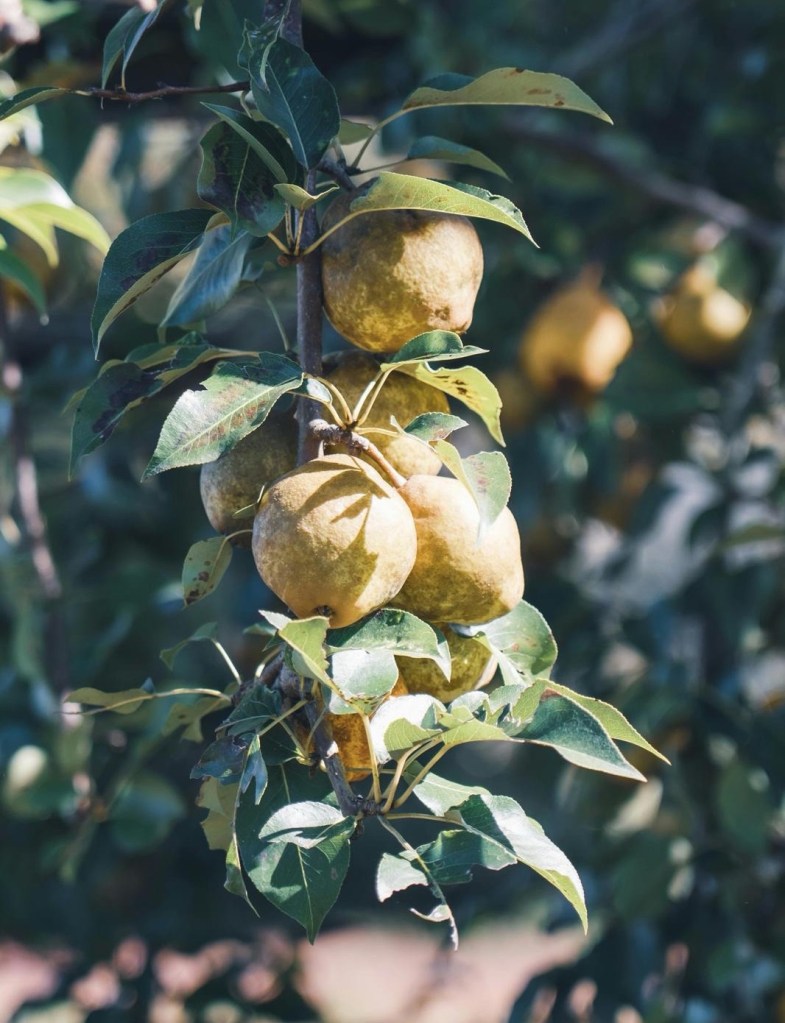
To discern is not to condemn. It is to recognize what is growing from the root of a life. And fruit always reveals the tree.
This is why many believers say we are called to be “fruit inspectors.” That phrase does not appear verbatim in Scripture, but the principle does. Jesus did not instruct His followers to ignore what they see. He warned them about false prophets and immediately gave them a method of protection: examine the fruit. A fruit inspector does not claim to know the genetic structure of the tree. He simply examines what it consistently produces. In the same way, Christians are not called to declare who is saved or condemned—that authority belongs to God—but we are called to discern patterns, guard against deception, and walk wisely.
Being a fruit inspector means observing without assuming omniscience. It means recognizing behavior without pretending to read hearts. It means applying the same standard to ourselves as we do to others. Discernment is not suspicion; it is spiritual responsibility.
Below are 10 ways we can rightly discern the character of a man or woman—not by claiming to know their heart, but by observing their consistent fruit.
1. By how they treat those who can do nothing for them.
Courtesy toward superiors proves little. Most people are polite to those who can affect their lives. The real test is how someone treats people with less power: a waiter, a child, an elderly neighbor, or a stranger who offers them nothing in return, especially someone they think is beneath them because of their class, job, or where they come from. In those moments you see a person’s true character, because kindness that expects nothing back cannot be faked for long.
2. By the company they keep.
Scripture reminds us that bad company corrupts good character. While we must avoid condemning someone for isolated associations, long-term companionship often reflects shared values. The orchard surrounding a tree often hints at the kind of fruit it will bear.
3. By their response to correction.
Do they grow defensive, hostile, and dismissive? Or do they pause and consider the possibility of growth? Pride resists pruning; humility welcomes it. The teachable spirit produces healthy fruit.
4. By their consistency in private and public.
Integrity means being whole. While none of us are flawless, a pattern of duplicity—one persona in public and another in private—signals instability beneath the surface. True righteousness does not require constant witnesses.
5. By how they handle authority and power.
Influence magnifies what is already rooted inside. Some grow more patient and responsible; others become controlling or self-serving. Power does not create character—it exposes it.
6. By their habitual speech.
Jesus taught that out of the abundance of the heart the mouth speaks. Occasional failure is human, but consistent patterns of gossip, cruelty, dishonesty, or manipulation reveal deeper roots. Likewise, steady truthfulness and encouragement reveal inward health.
7. By their faithfulness in small matters.
Grand gestures are impressive, but everyday reliability reveals depth. A person who cuts corners in minor responsibilities often does the same in larger ones. Character grows quietly in ordinary soil.
8. By their reaction to others’ success.
Envy is a subtle but telling fruit. When others prosper, does this person rejoice sincerely, or subtly criticize and compete? A secure heart celebrates; an insecure one resents.
9. By their endurance in trials.
Pressure reveals structure. In hardship, some grow bitter and blame others. Others grow deeper, patient, and refined. Trials expose what anchors the soul.
10. By the long-term pattern of their life.
One mistake does not define a life, nor does one noble act guarantee integrity. Discernment studies trajectory. Over time, what continues to grow—peace or chaos, honesty or deception, humility or pride? Fruit is measured in seasons, not moments.
The crucial difference must remain clear. Judging says, “I know your heart.” Discernment says, “I see your fruit.” Judging condemns the person; discernment evaluates the pattern. Judging closes the door to redemption; discernment leaves room for repentance and growth.
When someone says, “Don’t judge,” they are right in one sense—we must never assume God’s throne or pronounce eternal verdicts. But refusing to discern altogether is not humility; it is negligence. Christ warned us precisely because deception exists. To ignore fruit is to ignore His instruction.
Character is not revealed in declarations but in demonstrations. Words may persuade for a season, but fruit persuades over time. God alone searches hearts. We simply examine what grows from them.
And in doing so, we are not playing God—we are walking in the wisdom He already commanded.
——————-
**Photo by Filip Szyller at Pexels

 The Sisterhood Hub