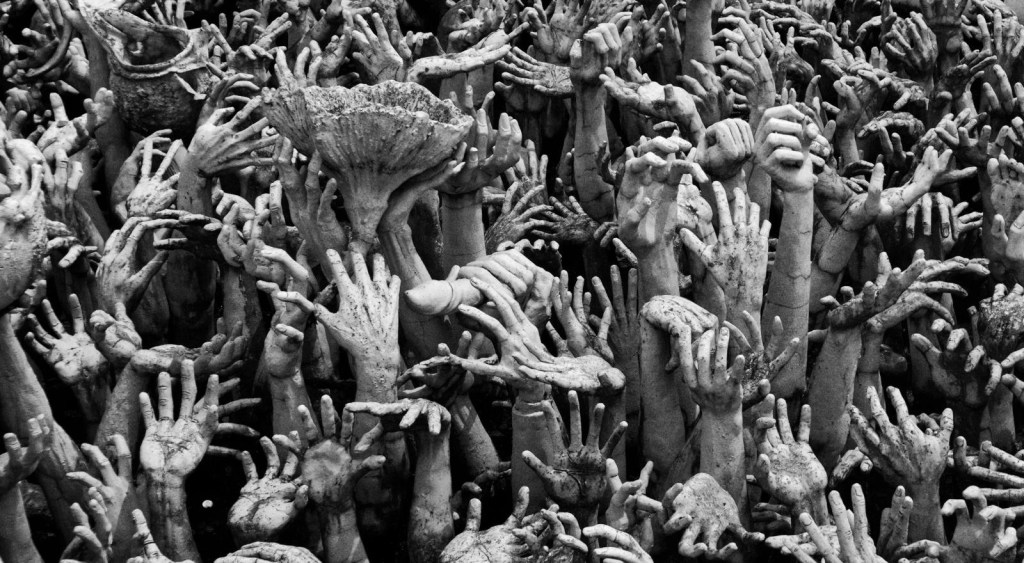
Suffering is one of the most profound realities of life. Every person, at some point, experiences pain, loss, injustice, or heartbreak. Whether it comes from illness, natural disasters, the death of a loved one, or acts of human cruelty, suffering confronts us with questions that have echoed across time: Why does this happen? Is there any purpose to the pain we endure?
Suffering is not always the result of wrongdoing. Innocent children face disease, natural disasters devastate communities, and tragedies strike without warning. At the same time, human choices, including greed, pride, and cruelty, often magnify suffering. Wars, oppression, exploitation, and injustice are direct results of the freedom we have been given, yet sometimes misuse.
The Bible acknowledges these realities without minimizing them. The story of Job, a man righteous in every way, illustrates that suffering is not always punishment. He experienced immense pain as part of the larger complexities of life. In the midst of suffering, Job discovered that God’s purposes often extend far beyond human understanding.
“The Lord gave, and the Lord has taken away; blessed be the name of the Lord.” (Job 1:21)
Life’s Lessons Through Suffering
While suffering is painful, it can serve a higher purpose. Life’s trials challenge us to grow emotionally, spiritually, and morally. They reveal the fragility of existence, the value of compassion, and the importance of relationships. Difficult experiences can awaken empathy, motivate us to act justly, and deepen our reliance on God.
History and contemporary life are full of examples where suffering has produced resilience and courage. Communities rebuilt after disasters, individuals persevering through chronic illness, and movements for justice rising from oppression all testify that adversity can inspire profound human goodness.
“Not only that, but we rejoice in our sufferings, knowing that suffering produces endurance, and endurance produces character, and character produces hope.” (Romans 5:3-4)
Free Will and the Choices We Make
God gave humanity free will, the ability to choose, love, and obey. But this gift also allows for mistakes and harm. Much of the suffering in the world stems from human actions. Wars, violence, inequality, and exploitation all reflect the misuse of freedom.
Yet free will is not solely the source of suffering. It also enables heroism, sacrifice, and love. Acts of kindness, generosity, and courage often emerge in response to suffering. Free will creates a world where both tragedy and triumph coexist, reminding us that human responsibility carries immense consequences.
The Spiritual Dimension
Suffering is rarely only physical or emotional. It touches the soul. Scripture reminds us that the world is engaged in a spiritual battle.
“For we do not wrestle against flesh and blood, but against the rulers, against the authorities, against the cosmic powers over this present darkness.” (Ephesians 6:12)
Recognizing this spiritual dimension helps us understand that the forces behind evil are real, but so is God’s presence. Prayer, faith, and spiritual community become tools not just for endurance but for hope, guidance, and alignment with God’s purposes.
Growth Through Trials
Pain can refine character. Enduring hardship teaches patience, fosters empathy, and cultivates trust in God. Individuals and communities shaped by suffering often develop greater resilience and a deeper appreciation for life’s blessings.
“And we know that for those who love God all things work together for good, for those who are called according to his purpose.” (Romans 8:28)
Real-World Reflections
Consider a child surviving a life-threatening illness, an entire city rebuilding after a hurricane, or individuals advocating for justice after oppression. These examples show that while suffering is real and often overwhelming, it can also spark hope, unity, and transformation.
Suffering invites us to act. It calls us to comfort, to serve, and to protect the vulnerable. It challenges us to live with courage and to witness love in action, transforming pain into purpose.
The Promise of Hope and Divine Presence
Amid life’s trials, one of the greatest sources of comfort is the assurance that we are not alone. God sent Jesus into the world as Savior to bring light into darkness, healing to the broken, and reconciliation between humanity and Himself. Jesus, as Lord, walks with us through our suffering, offering guidance, strength, and peace even when circumstances feel unbearable.
Life on earth is brief and often unpredictable, but the eternal perspective reminds us that our struggles are temporary. Scripture assures us that Jesus will ultimately restore all things, wipe away every tear, and bring justice and healing where it is needed most. While our earthly journey may be marked by pain, hope in Him, His presence, and the promise of eternity give our lives profound meaning beyond what we can see today.
“He will wipe away every tear from their eyes, and death shall be no more, neither shall there be mourning, nor crying, nor pain anymore, for the former things have passed away.” (Revelation 21:4)
Living with Hope
Knowing that suffering is temporary allows us to live courageously. While we cannot prevent all pain, we can respond with compassion, generosity, and faith. We can anchor our hope in Jesus, who overcame suffering and death, assuring us that ultimate victory belongs to God.
Life may be short, but eternity is long. The struggles we endure now are but a prelude to a life of restoration, joy, and peace in Christ. This eternal hope transforms our perspective, empowering us to face trials with courage, serve others with love, and walk faithfully even through darkness.
Conclusion
Suffering is an unavoidable aspect of human existence, arising from the imperfections of the world, human choice, and spiritual realities. Yet it is not meaningless. Through faith in Jesus, reflection, compassion, and resilience, our trials can shape character, deepen relationships, and inspire acts of love.
Life on earth may be fleeting, but in Christ, every tear, every struggle, and every hardship will ultimately find healing. Hope, guided by Jesus as Lord, ensures that suffering is temporary, and that eternal restoration, peace, and joy await all who trust in Him.
——————-
*** Photo by Simon Hurry at Pexels