







A Complete Practical Guide to Grid-Interactive Renewables, Food Resilience, Private Church Community & UK Legal Safeguards
Creating a sustainable, low-impact home in the United Kingdom does not require buying a remote mountain farm or cutting yourself off from modern life. By combining smart renewable energy technology, seasonal food growing, and intentional Christian hospitality within your own home, you can build a resilient, deeply supportive household rooted in your local church community.
This guide brings together everything you need to plan, equip, and legally safeguard a private sustainable cooperative household in the UK.
1. Powering the Home: Working With the UK Electricity Grid
In the UK, completely disconnecting from the national electricity grid is rarely practical—full off-grid systems typically cost £25,000 to £45,000 or more and still struggle during dark, windless winter weeks. Instead, the most effective approach is a grid-interactive sustainable home:
- Cut heat loss first: Before investing in renewable generation, insulate lofts, cavity or solid walls, and draught-proof windows and doors so warmth stays inside.
- Electrify heating and hot water: Replace gas or oil boilers with an air- or ground-source heat pump (typically 300–400% efficient). Homeowners can check eligibility for grants and low-interest support under the UK Government Warm Homes Plan and explore independent savings data via the Energy Saving Trust Renewable Technologies Guide and Energy Saving Trust Warm Homes Summary.
- Generate and store clean power: Install rooftop solar panels (typically 8–16 panels) paired with a home lithium battery bank. Excess daytime solar electricity charges the battery for evening use, and any surplus can be sold back to the grid via a Smart Export Guarantee (SEG) tariff.
- Use smart time-of-use tariffs: During winter months when solar output drops, smart tariffs let you charge your home battery and run heavy appliances during cheap, greener overnight windows. Learn more in the Energy Saving Trust Smart Tariffs Guide.
Official UK Energy Research & Grant Links
- UK Government Warm Homes Plan
- Energy Saving Trust — Renewable Technologies & Savings
- Energy Saving Trust — Smart Tariffs Guide
- Energy Saving Trust — Warm Homes Plan Summary
2. Off-Grid Hardware & Year-Round Food Resilience
Whether you want grid-backup security during power cuts or aim for near self-sufficiency on a larger plot, UK specialists and proven homesteading methods make local resilience achievable even in a standard garden.
UK Off-Grid & Battery Specialists
- Off Grid Engineering — Designs and installs complete off-grid solar, lithium battery, and backup generator systems across the UK.
- Off-Grid Installer — Specialises in bespoke off-grid and grid-backup renewable energy setups for residential and rural properties.
- Solr — Builds fully off-grid solar PV systems using Victron Energy inverters and modular battery storage.
- Dragons Breath Solar — UK supplier offering complete off-grid kits, wind turbines, and DIY renewable components.
- Fogstar UK — Supplies high-capacity LiFePO4 battery banks (from 5kWh to 64kWh+) suitable for off-grid or hybrid home storage.
Sustaining Food & Water Through the UK Seasons
- Extend the growing season: Use a polytunnel or greenhouse to grow winter salads, hardy greens, and early potatoes through cold UK months, alongside heat-loving crops like tomatoes and peppers in summer.
- Build no-dig beds and perennial food forests: Combine fruit trees, berry bushes, herbs, and perennial vegetables using no-dig beds to build healthy soil with minimal annual replanting.
- Harvest rainwater: Collect roof runoff into large IBC tanks or cisterns with filtration for household use and gravity-fed garden and polytunnel irrigation.
- Preserve summer surpluses: Dehydrate herbs and beans, ferment vegetables (such as sauerkraut), bottle jams and chutneys, and batch-freeze summer gluts to carry harvests through winter.
- Keep small poultry (if space permits): Chickens or ducks provide daily eggs, help control garden pests, and generate rich manure for composting.
UK Homesteading & Permaculture Resources
- Permaculture Association — Offers UK courses and practical guidance on homesteading, forest gardening, and off-grid land management.
- Ecological Land Cooperative — Develops affordable, off-grid ecological smallholdings across England and Wales.
- Diggers and Dreamers (Low-Impact Communities) — Directory of established UK low-impact and off-grid living communities.
3. Daily Life in a Private Christian Cooperative Home
In practice, a Christian cooperative household blends normal everyday jobs and personal privacy with intentional rhythms of prayer, shared meals, and practical care for the house and garden.
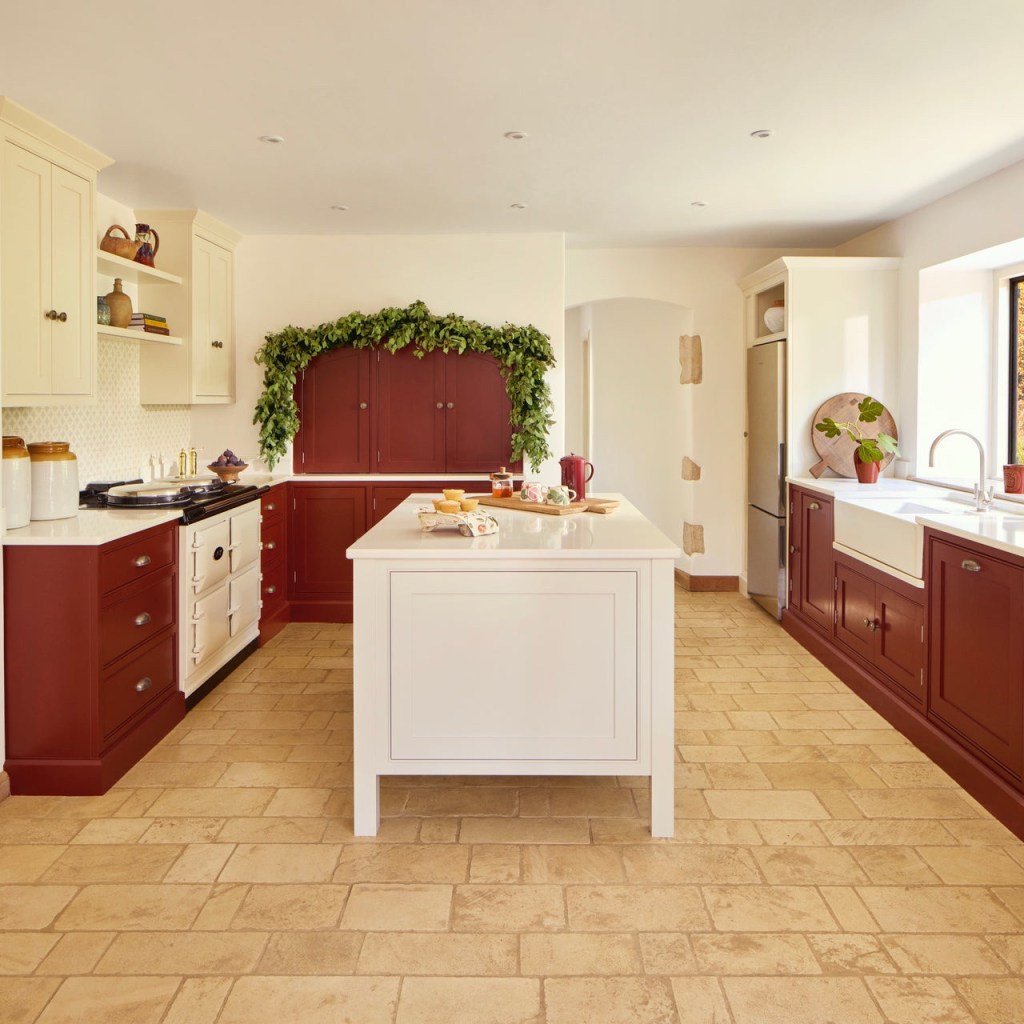
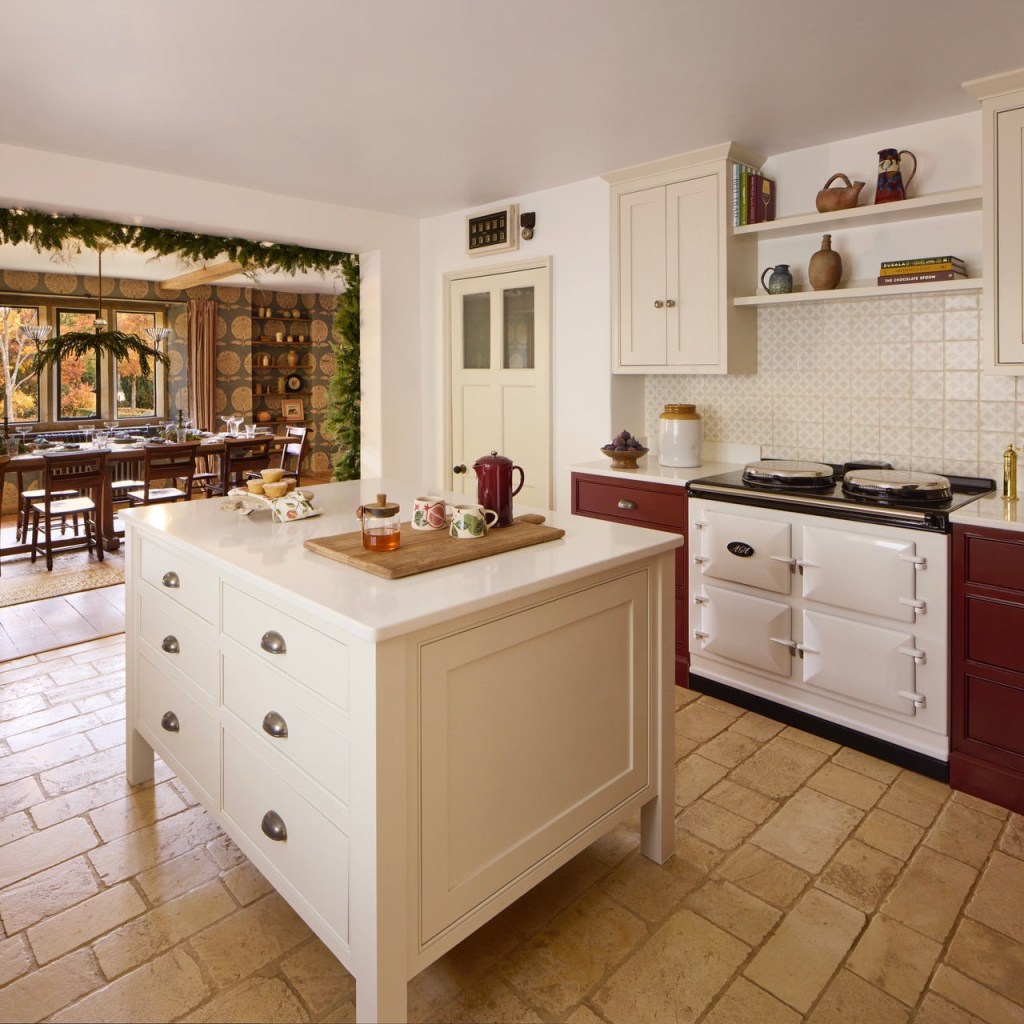
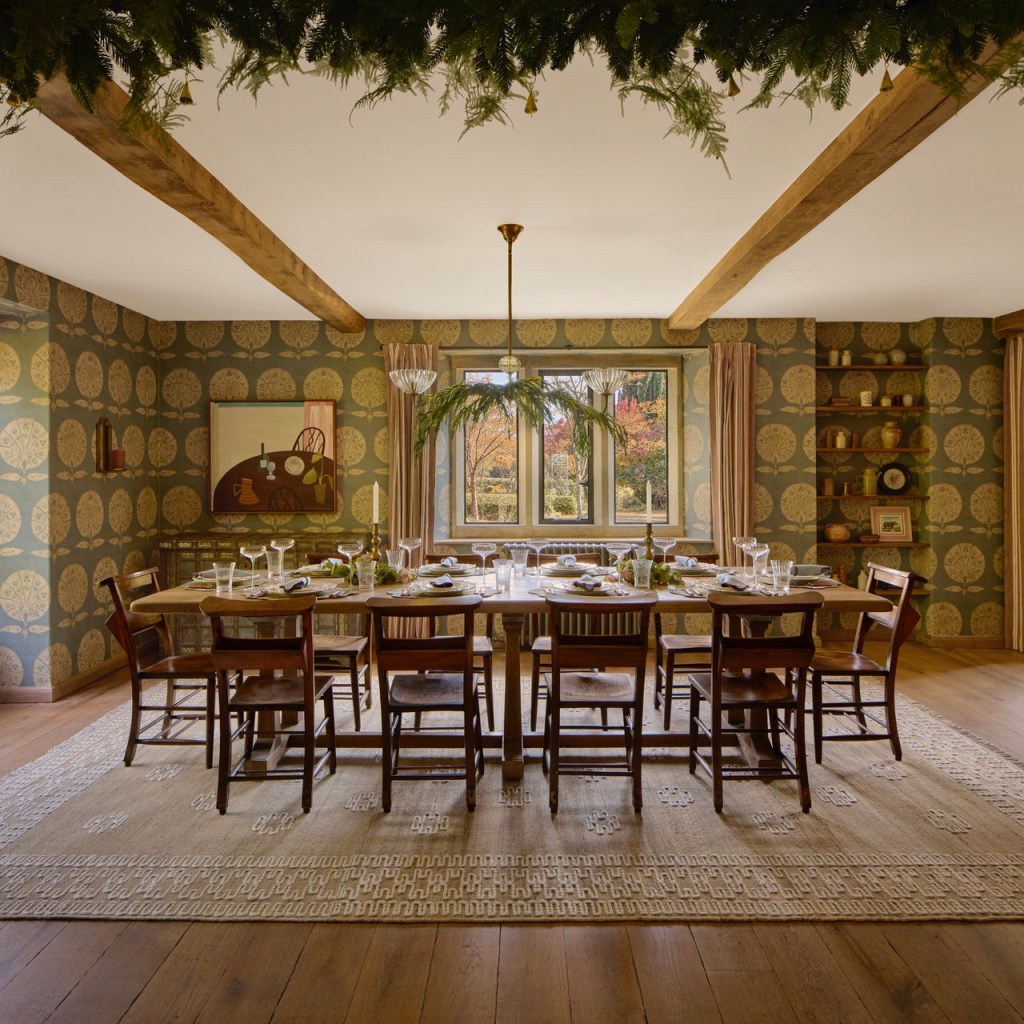
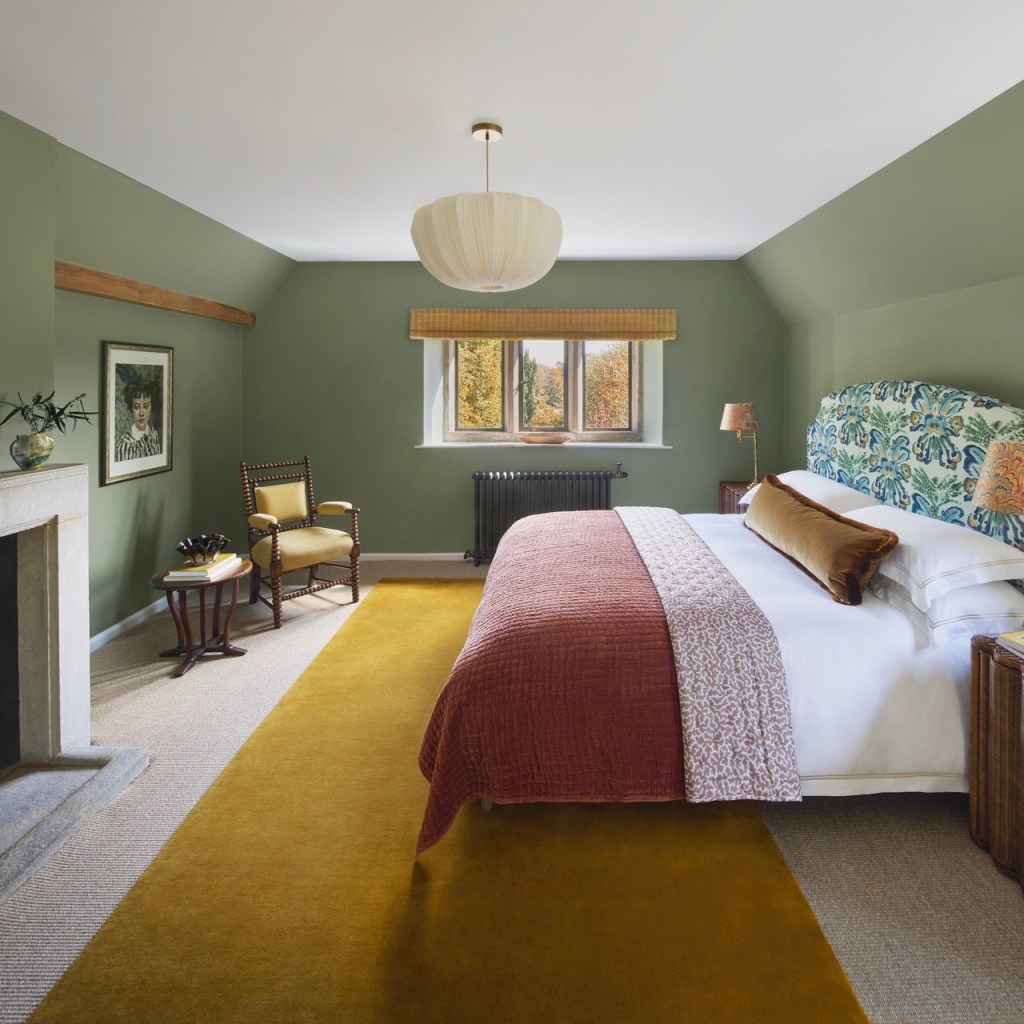
- The Home Setup: Every resident has their own private bedroom, while sharing a large kitchen, dining area, cosy living room, and utility/pantry room for preserved food.
- Weekday Mornings (7:30 am): Housemates gather briefly over tea or coffee for 15 minutes of scripture and prayer before heading off to work, college, or daily responsibilities.
- Daytime Stewardship: Whoever is retired or working from home waters the polytunnel, lets out the chickens, or runs the washing machine and slow cooker using free daytime solar power.
- Shared Evenings (6:30 pm): Two or three evenings a week, the household shares a home-cooked meal made with garden produce, followed by fellowship or Bible study. Other nights remain free for personal rest.
- Saturday House & Garden Morning (9:30 am – 12:00 pm): Everyone pitches in together for two hours on Saturday morning to weed beds, stack firewood, clean communal spaces, or bottle preserves before sharing lunch together.
- Monthly House Check-In: Once a month over dinner, the household prays together, reviews the shared food and utility ledger, and plans upcoming tasks.
4. Inviting Church Members Quietly & Privately
When keeping the household strictly private for church folk, personal trust and pastoral wisdom replace public advertising:
- Speak with church leaders first: Share your vision privately with your pastor, elders, or home-group leaders so they can quietly recommend trustworthy individuals or couples.
- Use closed church channels: Post a short invitation in a members-only church WhatsApp group, private Facebook group, or internal newsletter.
- Host an informal open evening: Invite interested church friends over for a simple meal to tour the house, see the garden, and talk honestly about daily rhythms.
- Reach out to connected local churches: Ask trusted contacts in neighbouring partner churches or Christian home-group networks to pass the details along by word of mouth.
(Optional Christian housing networks if ever needed later: Christian Flatshare, Christian Flat Finder, A Rocha UK, Church Communities UK, Diggers and Dreamers Noticeboard, Foundation for Intentional Community Directory, and Christian House Sitters.)
Sample Private Church Message
Private Note for Church Family: Shared Sustainable Home in [Area]
Hi everyone, I’m prayerfully setting up a small, Christ-centred cooperative household at my home in [Location] and wanted to share this quietly within our church family first.The vision is to live simply, steward the home and garden sustainably (growing food and keeping energy use low), and share regular rhythms of prayer, meals, and practical care for the property.
I’m looking for [number] trustworthy Christian men and/or women who would love to be part of this kind of intentional household. If this resonates with you (or someone you know well in our church network), please message me directly for a quiet chat and a cup of tea.
5. UK Legal Rules: Rent, Rent-Free Hospitality & HMO Limits
Disclaimer: This overview is general practical information, not formal legal advice. Consult Citizens Advice or a UK property solicitor before signing final agreements.
- Lodgers vs. Tenants (Excluded Occupiers): Because you live in your own home and share the kitchen and living spaces, residents are legally excluded occupiers (licensees) rather than full tenants—provided you use a proper Lodger Licence Agreement or Hospitality Agreement rather than a tenancy contract.
- Charging a Monthly Fee: You must complete UK Right to Rent passport/share-code checks before move-in. Under the UK Rent a Room Scheme, you can earn up to £7,500 per year tax-free from furnished rooms in your main residence.
- Rent-Free Hospitality (Gratuitous Licensees): Right to Rent checks are not required when no rent or money’s worth is paid, and asking guests to chip in toward actual food and utility bills does not create a tenancy. However, do not make work hours mandatory in exchange for free housing, as HMRC and employment law can treat compulsory work-for-room arrangements as payment in kind or an informal worker arrangement. Frame gardening and chores as voluntary family-style pitching-in.
- The UK 2-Person HMO Limit: In England (including Tendring District Council), living in your own main home with up to 2 unrelated people is straightforward. As soon as 3 or more unrelated people live with you as their main home (4+ people total including you), the house legally becomes a House in Multiple Occupation (HMO) under the Housing Act 2004—even if you charge zero rent. HMO status triggers strict fire-safety rules (fire doors, interlinked mains smoke/heat alarms, annual gas/electrical safety certificates) and potential council licensing (mandatory nationwide at 5+ people across 2+ households). Note that a married couple, civil partners, or direct relatives count as one single household.
- Insurance, Mortgage & Council Tax: Always notify your home buildings/contents insurer and check your mortgage terms before non-family adults move in full-time. If you currently claim a 25% single-person Council Tax discount, notify your local council when another adult moves in.
6. Ready-to-Use Agreements
Option A: Short Hospitality & House Rules Agreement (Rent-Free)
Property Address: [Full Property Address]
Date: [Date]
Resident Homeowner: [Your Full Name]
Resident Guest(s): [Guest Full Name(s)]
Allocated Bedroom: [e.g., Rear Double Bedroom]
- Nature of Arrangement (Hospitality Licence): The Homeowner welcomes the Guest to live at the Property as a personal guest within a private, Christ-centred household. No rent is charged, and this arrangement is an informal licence to occupy rather than a tenancy. Either the Homeowner or the Guest may end this arrangement at any time by giving [2 to 4 weeks’] written or verbal notice, or shorter notice in the event of a serious breach of house safety or conduct.
- Voluntary Household Participation & Shared Costs: Just like a family home, everyone voluntarily pitches in with everyday life—including cooking communal meals, keeping shared rooms clean, tending the vegetable beds/polytunnel, and caring for the property. This is voluntary fellowship rather than paid work or a condition of accommodation. While accommodation is free, the Guest agrees to contribute £[Amount] per month toward actual shared household groceries, bulk pantry staples, and utility/council tax costs.
- Sustainable Energy & Water Habits: Heavy appliances (washing machine, dishwasher, immersion heater, EV charger) are run during sunny daytime hours or cheap overnight grid windows ([e.g., 11:30 pm – 5:30 am]). Internal doors are kept closed in colder months, rainwater tanks are used for garden watering, and solar/battery controls are adjusted only by the Homeowner.
- Shared Faith Rhythms & House Boundaries: We aim to share brief weekday morning prayer at [7:30 am], [3] communal evening meals per week, and a relaxed monthly house catch-up over dinner. Private bedrooms are respected at all times. Quiet hours run from [10:30 pm to 7:00 am] on weekdays. Church friends and family are welcome to visit; overnight guests require prior agreement from the Homeowner. No smoking, vaping, illegal drugs, or unattended candles/fires on the premises.
Signed (Homeowner): _______________________ Date: ____________
Signed (Guest): ____________________________ Date: ____________
Option B: Full Lodger Licence Agreement (If Charging a Monthly Fee)
Date of Agreement: [Date]
Property Address: [Full Property Address]
Resident Licensor (Homeowner): [Your Full Name]
Licensee (Lodger / Household Member): [Member’s Full Name]
Allocated Private Room: [e.g., First-Floor Rear Bedroom]
- Grant of Licence (Legal Status): The Licensor permits the Licensee to occupy the Allocated Private Room and share the communal areas (kitchen, dining room, living room, bathrooms, and garden) as a lodger. Because the Licensor resides at the Property as their only or principal home and shares living facilities, this agreement creates an excluded licence under the Protection from Eviction Act 1977, not an Assured Shorthold Tenancy. This licence is personal to the Licensee and may not be transferred, assigned, or sublet to anyone else.
- Term, Trial Period & Termination: This licence begins on [Start Date] and continues on a rolling monthly basis until ended by either party. The first [3 months] constitute a mutual trial period, during which either party may end this agreement by giving [14 days’] written notice. Thereafter, either party may terminate this agreement by giving [1 full calendar month’s] written notice (ending on a rent payment date). The Licensor may terminate with shorter reasonable notice (or immediately in cases of severe misconduct) for a serious breach—such as non-payment of fees, illegal activity, harassment, or deliberate damage to the Property or renewable energy systems.
- Licence Fee, Deposit & Household Expenses: The Licensee agrees to pay £[Amount] per calendar month in advance by standing order on the [1st] of each month to [Bank Details] (covering room occupation, council tax, buildings insurance, broadband, water rates, and standard baseline electricity/heating usage), plus £[Amount] per month into the shared household account for communal meals, bulk pantry staples (flour, oats, tea, coffee, oils), and garden seeds/supplies. On signing, the Licensee pays a refundable deposit of £[Amount] to cover unpaid fees, missing items, or damage beyond fair wear and tear, returned within 14 days of departure minus any agreed deductions. Exceptionally high winter grid consumption above the agreed baseline will be reviewed transparently at monthly household meetings.
- Cooperative Stewardship & Property Maintenance: The Licensee agrees to contribute approximately [3 hours per week] toward shared domestic and outdoor stewardship—including the weekly Saturday Morning Maintenance Session ([9:30 am – 11:30 am]). Tasks include vegetable bed care, polytunnel watering, harvesting, composting, firewood preparation, and communal cleaning. (Optional clause: Where agreed individually, a member may contribute [X] additional hours per week of agreed maintenance in exchange for a £[Amount] monthly reduction in their Monthly Licence Fee.) All produce grown on the property and preserved foods (frozen produce, jams, chutneys, dried herbs) remain common household stock for shared consumption while resident.
- Renewable Energy, Heating & Resource Rules: Washing machines, dishwashers, immersion heaters, and high-draw appliances must be run during peak solar generation hours or designated cheap overnight tariff windows ([e.g., 11:30 pm – 5:30 am]), unless otherwise agreed. The Licensee must not tamper with solar inverters, lithium battery banks, heat pump controls, rainwater filtration units, or backup generators, and must report any fault immediately. External and internal doors must be kept closed in cold weather; room radiators/thermostats kept within [18–20°C]; and rainwater tanks used for all garden irrigation.
- Shared Faith & Community Rhythms: This household operates as a private, Christian cooperative home connected to our local church fellowship. The household holds brief weekday morning prayer at [7:30 am], [3] communal evening meals per week, and a monthly household check-in meeting. While participation in shared meals, cleaning rotas, and monthly planning meetings is expected as part of cooperative living, personal prayer and church attendance remain matters of personal conscience rather than legal compulsion.
- House Rules, Guests & Conduct: The Licensor will respect the Licensee’s privacy and only enter the Allocated Private Room with prior permission (except in an urgent safety, fire, or water/electrical emergency, or for scheduled cleaning/maintenance). The Licensee will keep their private room clean and follow the weekly rota for communal kitchens, bathrooms, and living areas. Quiet hours apply from [10:30 pm to 7:00 am] Sunday–Thursday, and [11:30 pm to 8:00 am] Friday–Saturday. Daytime guests from church or family are welcome with courtesy notice; overnight guests require prior approval from the Licensor and are limited to [2 consecutive nights] and no more than [4 nights per month]. Smoking, vaping, illegal drugs, and excessive alcohol consumption are strictly prohibited anywhere on the Property, and candles, wood-burners, and kitchen appliances must never be left unattended.
- Dispute Resolution & Move-Out: Any practical or interpersonal disagreements will first be addressed directly and respectfully between the individuals involved. If unresolved, either party may request informal mediation through a mutually trusted church pastor or elder before serving formal notice. On or before the termination date, the Licensee must remove all personal belongings, leave the Allocated Private Room clean and in good repair (matching the move-in inventory), and return all keys/access fobs.
Schedule 1: Room Inventory & Meter Readings (Complete at Move-In)
- Furniture & Fittings Provided: [e.g., Bed frame, mattress, wardrobe, desk, chair, curtains, bedside lamp]
- Condition Notes: [Note any pre-existing marks]
- Keys Issued: [e.g., 1 Front Door Key, 1 Shed/Polytunnel Key]
Signed by the Resident Licensor (Homeowner):
Signature: _______________________________ Printed Name: ____________________________ Date: _______________
Signed by the Licensee (Lodger):
Signature: _______________________________ Printed Name: ____________________________ Date: _______________
7. Recommended YouTube Videos & Walkthroughs
Part A: UK Grid-Connected Solar, Batteries, Heat Pumps & Smart Tariffs
- Best Solar, Battery & EV Tariffs for 2026 | UK Homeowners Guide (Apex Doma Solar)
youtube.com
Compares UK time-of-use, heat pump, and export tariffs for battery and solar homes. - Real Home Tour: How This Heat Pump + Solar + Powerwall Setup Beats Gas (Apex Doma Solar)
youtube.com
Demonstrates how winter off-peak battery charging and summer solar generation work together in a UK home. - I Went All-In on Green Tech – Here’s What I’d Change (Solar, Battery, Heat Pump) (Speak to the Geek)
youtube.com
A UK homeowner shares practical lessons on solar panel placement, battery sizing, and heat pump installation. - Triple Dip Cheap Energy: Heat Pump + Battery on Octopus Cosy (Elite – Supporting a sustainable future)
youtube.com
Shows how battery storage paired with a smart tariff reduces heat pump running costs even without solar panels.
Part B: UK Off-Grid Living, Rainwater Harvesting & Year-Round Food Growing
- Creating Our OFF-GRID DREAM – Self-Sufficient in the UK | FARM TOUR (Freedom Forest Life | Self-Sufficiency)
youtube.com
Walks through a 3-acre UK off-grid setup combining solar, lithium batteries, rainwater harvesting, polytunnels, and a food forest. - We’re Building a ‘Good Life’… in a Normal UK Home | UK Homesteading (Homesteading in the UK)
youtube.com
Shows how to apply no-dig beds, vertical growing, small polytunnels, and food preservation in an ordinary UK garden. - 80% SELF-SUFFICIENT in the UK ALL YEAR – 1 Year Timelapse (Freedom Forest Life | Self-Sufficiency)
youtube.com
Tracks month-by-month UK harvesting, winter root crops, and year-round food storage.
8. Household Routines, Cleaning & Stewardship Schedule
A peaceful shared home relies on clear, predictable rhythms so no single person ends up carrying the burden of cooking, cleaning, or garden care.
A. Daily Household Rhythms
- 7:30 am – Morning Prayer & Kettle On: A brief 15-minute gathering in the kitchen for scripture reading, prayer, and tea/coffee before work or daily tasks.
- Throughout the Day – “Clean as You Go”: Everyone washes, dries, and puts away their own breakfast/lunch dishes immediately, wipes down kitchen worktops after use, and leaves bathrooms tidy.
- Sunny Hours / Overnight Smart Window – Appliance Runs: Whoever is at home puts on the washing machine, dishwasher, or slow cooker during peak solar generation (typically 10:00 am – 3:00 pm) or sets delay-timers for the cheap overnight tariff window (e.g., 11:30 pm – 5:30 am).
- 6:30 pm – Communal Dinners (3 Nights a Week): On agreed nights (e.g., Monday, Wednesday, and Friday), one person cooks for the house using garden produce and pantry staples, while another person clears the table and washes up afterwards.
- 10:00 pm – Night-Time Lock-Up & Heat Check: Curtains are drawn at dusk to hold warmth, internal doors are closed, wood-burners/appliances are checked safe, and external doors are locked.
B. Weekly Cleaning & Maintenance Rota
Rather than letting housework pile up, tasks are divided into small, manageable weekly roles rotated every Sunday evening:
- Role 1: Kitchen & Pantry Steward
- Deep-clean hob, oven front, sink, and worktops once a week.
- Wipe down fridge shelves, check use-by dates, and rotate home-grown/preserved produce so nothing goes to waste.
- Empty kitchen food-caddy into the outdoor compost heap and take out recycling/general bins on collection day (Tendring District Council schedule).
- Role 2: Bathrooms & Hallways Steward
- Scrub toilets, sinks, shower/bath, and mirrors once a week.
- Mop bathroom floors, vacuum hallways/stairs, and replace hand towels and toilet rolls from the household cupboard.
- Role 3: Living Room, Dining Room & Utility Steward
- Vacuum carpets/rugs, dust surfaces, and tidy shared living areas.
- Sweep the utility room, clean the washing machine filter/seal, and check rainwater tank levels or wood-burner kindling supply.
- Everyone: Own Bedrooms & Laundry
- Each resident keeps their own private bedroom clean, washes their own bedsheets/clothes during solar or off-peak hours, and dries washing on outdoor lines or indoor airers rather than heavy tumble-drying.
C. Saturday Morning House & Garden Session (9:30 am – 11:30 am)
Once a week, everyone works side-by-side for two hours before sharing lunch together:
- Spring & Summer: Sowing seeds, planting out seedlings, weeding no-dig beds, watering the polytunnel from rainwater tanks, mowing paths, and harvesting soft fruit and salad crops.
- Autumn: Harvesting potatoes, squash, and apples; bottling chutneys and jams; batch-freezing vegetables; clearing spent beds; and adding homemade compost.
- Winter: Pruning fruit trees/bushes, splitting and stacking firewood, checking polytunnel storm-ties, clearing gutters/drains into water butts, and doing indoor DIY/painting jobs.
D. Monthly & Seasonal Check-Ins
- Monthly House Dinner & Ledger Review (First Sunday Evening):
- Share a relaxed meal and pray for one another.
- Review the shared food pot, utility/solar readings, and bulk pantry orders (flour, oats, rice, oil, cleaning supplies).
- Rotate the weekly cleaning and cooking rotas for the coming month and confirm any upcoming overnight guests.
- Twice-Yearly Deep Clean & System Check (Spring & Autumn):
- Clear out the pantry/freezer, wash curtains/windows, service the heat pump/boiler, sweep the chimney (if using a wood-burner), and clean rainwater gutter guards.


